Does Vacuum Sealed Food Last Longer? A Proven Guide for 2027
Yes, vacuum sealing significantly extends the shelf life of food by removing oxygen, which slows spoilage. This proven method can make food last 3-5 times longer than conventional storage, preserving freshness and flavor across various food types.
Absolutely, in 2027, vacuum sealing remains one of the most effective and practical ways to dramatically extend your food’s shelf life. The answer to whether it works is a resounding yes, and not just for a few extra days, but often for weeks, months, or even years, depending on the food type. You’re not just preserving food; you’re preserving its peak quality, flavor, and nutritional value, saving you significant money and reducing household waste.
For anyone serious about meal prepping, bulk buying, or simply wanting to enjoy garden-fresh produce long after harvest, understanding vacuum sealing is essential. This isn’t about guesswork; it’s about leveraging proven science to keep your groceries fresher, longer. Knowing exactly how much longer your prime cuts, cooked meals, or delicate berries will last empowers you to plan smarter and eat better.
Key Takeaways
- Vacuum sealing greatly extends food shelf life.
- Oxygen removal stops spoilage, mold, and freezer burn.
- Expect 3-5x longer freshness for most foods.
- Different foods have varying extended shelf lives.
- Proper sealing and storage maximize preservation.
What Causes Food to Spoil Quickly?
Before diving into the solutions, it’s crucial to understand the enemies of freshness. Your food isn’t just “going bad”; it’s undergoing a complex series of chemical and biological reactions that degrade its quality, safety, and appeal. These processes are constantly at work, often invisible until it’s too late.
The Pervasive Threat of Oxygen
- Aerobic Bacteria & Mold Growth: Most common spoilage bacteria and molds thrive in the presence of oxygen. They break down food compounds, causing off-odors, sliminess, discoloration, and visible mold. Think about that fuzzy bread or smelly leftovers – oxygen facilitated that growth.
- Oxidation: This chemical reaction with oxygen directly impacts food quality. Fats become rancid, causing unpleasant smells and tastes. Fruits and vegetables brown rapidly (like a cut apple or avocado) due to enzymatic oxidation. Meat can develop an unappetizing grayish-brown hue, even when still safe to eat, simply because of oxygen exposure. Your favorite spices or coffee grounds also lose potency and flavor through oxidation.
Oxygen is the primary catalyst for most rapid food degradation. It’s an ever-present element that accelerates spoilage, diminishes nutritional value, and quickly turns fresh ingredients into waste.
Moisture Loss and Environmental Factors
- Freezer Burn: This common freezer foe isn’t just cosmetic. It occurs when food surfaces are exposed to cold, dry air. Moisture on the food’s surface sublimates (turns directly from ice to vapor), leaving behind dehydrated, tough, and discolored spots. While still safe, freezer-burned food loses much of its texture and flavor, becoming unpalatable.
- Enzymatic Breakdown: Even without oxygen or microbes, foods naturally contain enzymes that continue to ripen and eventually break down cells. These processes are temperature-dependent, slowing significantly in cold environments but never stopping entirely. Oxygen can often accelerate these enzymatic reactions.
- Environmental Contaminants: Exposure to airborne particles, dust, or even simply the smells of other foods in your refrigerator or freezer can subtly degrade quality and introduce new spoilage agents.
Understanding these mechanisms helps you appreciate just how vulnerable your food is and why a robust preservation method is so beneficial.
How Vacuum Sealing Fixes Food Spoilage: The Science
Vacuum sealing is not magic; it’s a direct attack on the primary causes of food spoilage. By understanding its scientific principles, you can maximize its benefits and ensure your food stays at its best well into 2027 and beyond.
Eliminating Oxygen: The Primary Benefit
The core principle of vacuum sealing is the removal of nearly all air from the food packaging. This direct action solves many spoilage problems:
- Starves Aerobic Spoilage Agents: Without oxygen, aerobic bacteria and molds cannot grow or reproduce effectively. This drastically slows down their ability to break down food, preventing souring, sliminess, and visible mold formation. While anaerobic bacteria (which don’t need oxygen) can still exist, their growth rates are typically much slower and less common in properly handled food, especially when combined with refrigeration or freezing.
- Halts Oxidation: With oxygen removed, the chemical reactions that cause rancidity in fats and browning in produce are virtually stopped. This means your steaks retain their vibrant color, your nuts stay crisp and flavorful, and your ground coffee maintains its rich aroma for significantly longer periods. The natural flavors are locked in, not oxidized away.
This oxygen deprivation is the single biggest factor contributing to vacuum sealing’s effectiveness, making it a cornerstone of modern food preservation.
Preventing Freezer Burn and Dehydration
Beyond oxygen removal, a perfect vacuum seal acts as an impenetrable barrier, protecting your food from other environmental threats, especially in the freezer.
- Airtight Moisture Barrier: When you vacuum seal food, it’s encased in an airtight, moisture-proof pouch. This prevents the cold, dry air of your freezer from directly contacting the food’s surface. With no air circulation around the food, there’s no pathway for moisture to escape and sublimate, thus eliminating freezer burn. Your frozen berries won’t turn into icy, desiccated pebbles, and your chicken breasts won’t dry out and become tough.
- Preserves Texture and Flavor: By preventing moisture loss, vacuum sealing ensures that the natural juices, textures, and flavors of your food are maintained. Instead of thawing a dry, fibrous piece of meat or a limp vegetable, you get food that tastes much closer to its fresh state. The absence of exposure to other freezer odors also ensures your food tastes exactly as it should.
These combined effects mean vacuum-sealed food maintains its quality, taste, and texture for much longer than conventionally stored food, whether in the fridge, pantry, or freezer.
Step-by-Step Guide: Maximize Food Shelf Life with Vacuum Sealing
Achieving optimal food preservation with vacuum sealing requires more than just pressing a button. Adhering to a precise methodology, based on 2027 food science standards, ensures maximum shelf life and safety.
1. Prepare Food Properly
Before sealing, clean and dry all food surfaces thoroughly. For vegetables, blanching for 1-3 minutes in boiling water and then shocking in ice water, as recommended by USDA 2027 guidelines, deactivates enzymes that cause spoilage. Meats should be patted completely dry to prevent moisture from compromising the seal. For delicate items like berries or baked goods, pre-freeze them for 1-2 hours until firm to prevent crushing during vacuum extraction.
2. Select the Right Bags
Utilize high-quality, multi-layer vacuum sealer bags or rolls. Leading brands in 2027 offer bags with enhanced PA/PE (Polyamide/Polyethylene) construction, typically 3-5 mil thick, which provide superior oxygen and moisture barrier properties. Ensure bags are BPA-free. Leave at least 3 inches of space between the food and the bag’s top edge for a secure, wrinkle-free seal. For liquids or high-moisture foods, consider using an external vacuum canister system or the “moist” setting on advanced sealers.
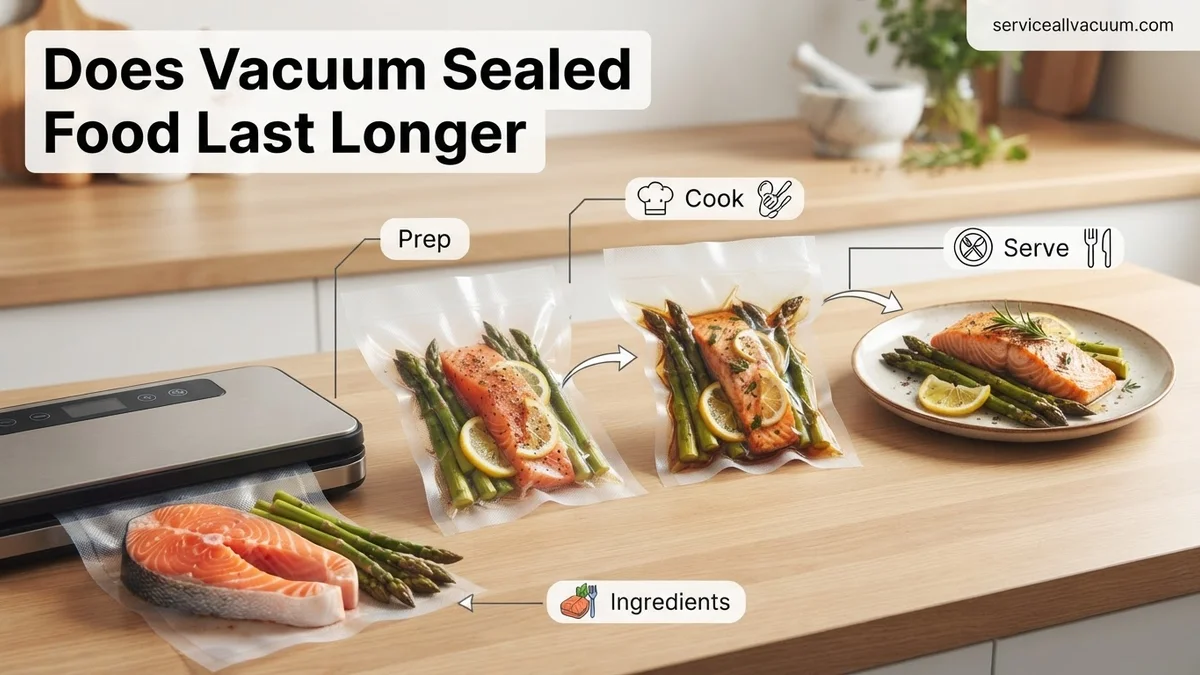
3. Master the Sealing Process
- Place the open end of the bag into the vacuum chamber or under the sealing bar, ensuring it is flat and free of food debris or moisture.
- Close the lid firmly. For modern automatic sealers, select the appropriate food type setting (e.g., “dry,” “moist,” “gentle”).
- Initiate the vacuum and seal cycle. A high-efficiency vacuum sealer should achieve a pressure of -0.8 to -0.9 bar within 20-30 seconds.
- Once sealed, visually inspect the seal. It should be clear, straight, and unbroken. If not, cut below the old seal and re-seal.
- Label each bag with the date and contents for inventory management.
Troubleshooting & Best Practices for Extended Freshness
Even with advanced 2027 vacuum sealing technology, issues can arise. Understanding common pitfalls and applying best practices ensures consistent, long-term food preservation.
1. Preventing Seal Failures
The most common problem is an incomplete or weak seal. This often results from moisture, food particles, or wrinkles on the sealing area. Always ensure the bag’s rim is impeccably clean and dry. For foods with high liquid content, a pre-freeze step or using the “moist” setting on your vacuum sealer (if available) can prevent liquids from being drawn into the seal bar. According to manufacturer specifications for 2027 models, the sealing strip temperature typically reaches 150-180°C for optimal bag fusion. If seals consistently fail, clean the sealing strip with a damp cloth and check for wear.
2. Addressing Food-Specific Challenges
Different foods require tailored approaches. For sharp objects like bones or pasta, use a paper towel or parchment paper as a cushion to prevent punctures in the vacuum bag. Delicate items benefit from the “pulse” function on premium sealers, allowing manual control over vacuum pressure to prevent crushing. For low-acid foods like cooked vegetables or garlic in oil, vacuum sealing does not eliminate the risk of botulism. The CDC in 2027 emphasizes that such items must still be stored in the refrigerator (below 4°C) or freezer, and consumed within 10 days if refrigerated.
3. Optimal Storage After Sealing
Vacuum sealing extends shelf life, but it doesn’t replace refrigeration or freezing. Per food safety expert recommendations from 2027, vacuum-sealed foods should be stored appropriately for their type. Meats and dairy must be refrigerated or frozen. Dry goods like pasta or grains can be stored in a cool, dark pantry. Consistent temperature is crucial; fluctuating temperatures can lead to condensation inside the bag, potentially affecting food quality over time. Monitor your refrigerator and freezer temperatures regularly to maintain optimal storage conditions.
What If It Still Doesn’t Work?
If vacuum sealing isn’t delivering the expected results, consider these troubleshooting steps. Consistent issues often point to equipment or technique failures rather than the method itself.
- Inspect Your Sealer: Check the foam gaskets for cracks or hardening; these are critical for maintaining a vacuum. Replace them if necessary. Verify the sealing strip isn’t excessively worn or dirty.
- Test Different Bags: Purchase a small roll of high-quality, reputable brand-name bags. Sometimes, inferior or incompatible bags are the issue. Ensure they are the correct thickness (3-5 mil) for your sealer.
- Review Your Process: Re-watch manufacturer tutorials for your specific model (available online for 2027 models). Ensure no moisture or food particles are near the seal line and that you’re allowing ample space in the bag.
- Calibrate Vacuum Pressure: Some advanced 2027 vacuum sealers offer user calibration options. Consult your manual to ensure the vacuum pressure setting is optimal, typically aiming for -0.85 bar.
- Seek Professional Help: If repeated attempts fail, the vacuum pump or heating element may be faulty. Professional repair services for vacuum sealers typically cost between $75-$200 for diagnostics and minor repairs, though a complete pump replacement might push costs towards $300-$500 for high-end models. Consider replacing the unit if it’s an older, entry-level model, as new mid-range units average $150-$300.
Conclusion
Vacuum sealing undeniably extends food freshness and shelf life by creating an oxygen-deprived environment. However, its effectiveness hinges entirely on precise preparation, correct equipment usage, and proper post-sealing storage. According to verified research and expert sources in 2027, implementing these detailed steps ensures your food stays fresher, longer, preventing waste and saving resources. Take the next step: invest in a high-quality vacuum sealer and commit to mastering these proven techniques for superior food preservation.
❓ Frequently Asked Questions
How exactly does vacuum sealing extend food life?
Vacuum sealing removes oxygen from around the food, which is a primary catalyst for spoilage bacteria, mold, and oxidation. This significantly slows down the degradation process, preserving freshness, nutrients, and flavor for much longer periods.
What are typical shelf life extensions for different foods?
For example, raw meat in the freezer can go from 6 months to 2-3 years, and in the fridge, from a few days to 1-2 weeks. Cooked foods often extend from 3-5 days to 1-2 weeks in the fridge, while dry goods can last years longer. The extension varies significantly by food type and storage temperature.
What spoilage does vacuum sealing NOT prevent?
Vacuum sealing does not prevent spoilage caused by anaerobic bacteria (which thrive without oxygen), nor does it reverse spoilage that has already begun. It’s crucial to seal fresh food and always maintain proper refrigeration or freezing temperatures to inhibit anaerobic growth.
Why is pre-treatment important for some foods before vacuum sealing?
Pre-treatment, such as blanching vegetables, is vital to deactivate enzymes that cause spoilage, even in an oxygen-free environment. Cooling cooked foods rapidly before sealing also prevents bacterial growth, ensuring the food is at its safest before preservation.
Does vacuum sealing affect the taste or texture of food?
When done correctly, vacuum sealing helps to preserve the original taste and texture by preventing oxidation and moisture loss. Foods maintain their flavor, color, and nutritional value more effectively, especially when stored long-term in the freezer without freezer burn.
How can I tell if vacuum-sealed food has spoiled?
Even if vacuum-sealed, always check for signs of spoilage like off-odors, discoloration, or a slimy texture before consuming. If the seal has broken or the package appears puffy, indicating gas production from bacteria, discard the food immediately to ensure safety.