Should I Vacuum Ants in 2027? Expert Guide to a Quick Fix
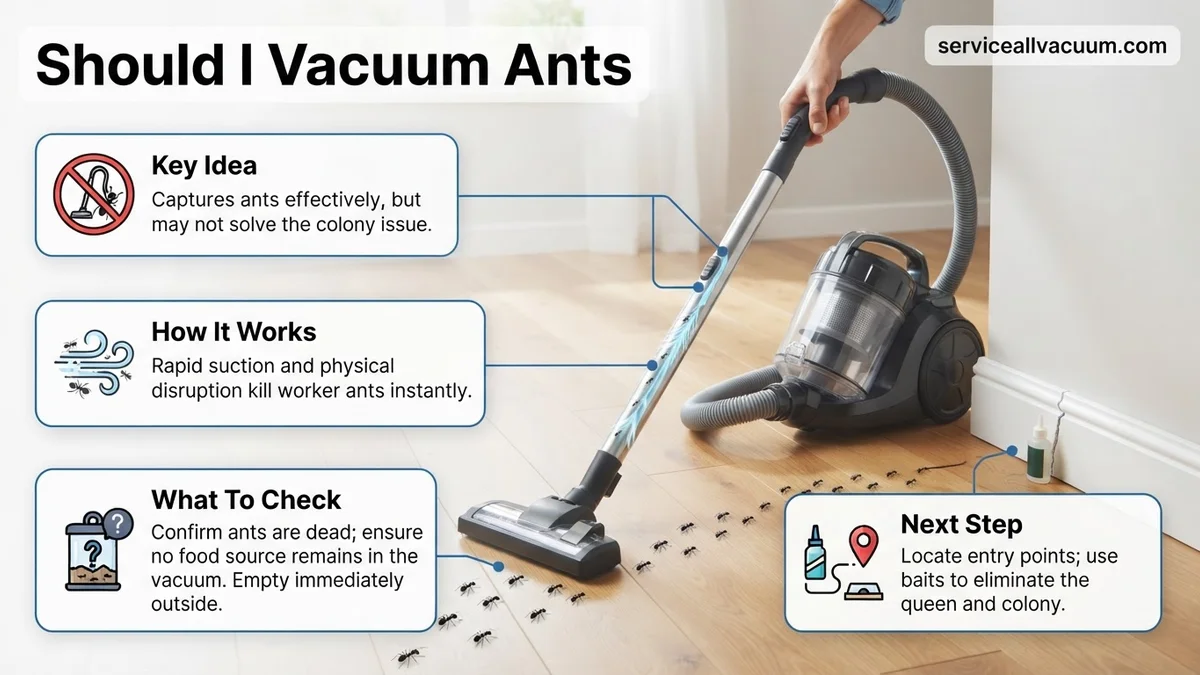
Vacuuming ants offers temporary visual relief but is not a long-term solution, often failing to address the colony’s source. It can also damage your vacuum or spread ant pheromones, potentially worsening the problem. Focus on proven baiting and sanitation for lasting results.
In 2027, facing a line of ants marching across your kitchen counter, the impulse to grab the nearest powerful tool – your vacuum cleaner – is entirely understandable. However, let’s cut straight to the chase: while vacuuming ants provides immediate, satisfying visual relief by removing visible pests, it is emphatically not a recommended or effective long-term solution for ant removal. Think of it as a temporary bandage on a systemic problem, offering only fleeting respite from a persistent issue.
Your primary goal should be eradication, not just temporary displacement. Understanding why vacuuming falls short, and the potential repercussions for both your home and your cleaning equipment, is crucial for anyone hoping to truly tackle an ant infestation effectively in today’s smart home environments.
Key Takeaways
- Vacuuming offers only temporary visual relief.
- It fails to eliminate the ant colony’s source.
- Risk damaging your vacuum or spreading pheromones.
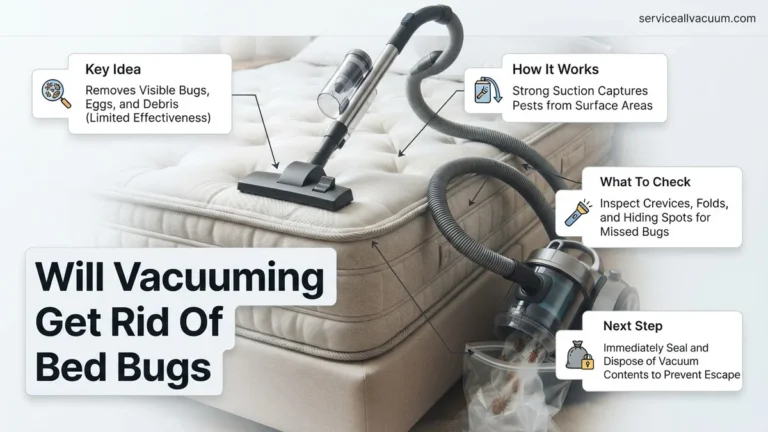
- If vacuuming, use a hose and dispose immediately.
- Prioritize baits, sanitation, and sealing entry points.
Is Vacuuming Ants a Good Idea? Diagnosis & Real Risks
The allure of a powerful vacuum cleaner when confronted with an ant trail is undeniable. It’s quick, requires no chemicals, and visibly eliminates dozens of ants in mere seconds. For managing an immediate, localized swarm, such as ants piling onto a freshly spilled sugary drink, it offers instant gratification. However, deeming it a “good idea” for pest control is a significant overstatement once you consider the practical downsides and real risks involved.
Immediate Relief, But At What Cost to Your Equipment?
- Internal Contamination & Damage: Ant bodies, especially when crushed or drawn through the vacuum’s powerful suction, can become lodged in filters, hoses, and even the motor components. In 2027, with advanced HEPA filters and sensitive sensors common in vacuums, this biological debris can compromise air filtration systems, lead to clogs, and even strain the motor due to increased resistance.
- Microbial Growth & Biohazards: Dead insects provide a perfect breeding ground for bacteria and mold, particularly if any moisture is present within the vacuum’s canister or bag. This can lead to unpleasant odors and, more importantly, the recirculation of microscopic pathogens and allergens into your home’s air quality, directly counteracting the benefits of modern air purification systems.
- Accelerated Wear & Tear: Repeatedly vacuuming live insects can introduce abrasive elements and fine biological particles into the vacuum’s moving parts, shortening its lifespan. Repair costs for high-tech 2027 vacuum models can be significant, far outweighing the perceived benefit of “free” ant removal.
The Lingering Odor & Hygienic Concerns
One of the most overlooked consequences of vacuuming ants is the unpleasant and persistent odor that can develop within your vacuum cleaner. Ants, particularly when threatened or crushed, release formic acid and other alarm pheromones. This strong, vinegar-like smell can permeate the vacuum’s bag or canister and lingers long after the ants are gone. Every subsequent use of the vacuum will then spread this distinct ant smell throughout your home.
- Pheromone Attraction: The residual pheromones, even if faint, can paradoxically attract more ants to the vacuum itself or to areas where the vacuum has been used, creating a frustrating cycle.
- Hygiene Nightmare: Beyond the smell, the idea of a vacuum cleaner teeming with decomposing insect matter is inherently unhygienic. This compromises your vacuum’s primary function: cleaning. You wouldn’t want to spread potential germs from rotting insects onto your floors or upholstery.
Why Vacuuming Ants Fails as a Long-Term Solution
The fundamental flaw in using a vacuum cleaner for ant control lies in its inability to address the root cause of the infestation. You’re effectively trimming the leaves of a plant while leaving its extensive root system completely intact and thriving. This approach guarantees that your ant problem will return, often with renewed vigor.
The Colony Remains Undisturbed: A Never-Ending Cycle
Ants operate as a highly organized colony, and the ants you see foraging in your home represent only a tiny fraction of the total population. These are merely worker ants dispatched from a much larger, hidden nest. The queen, along with thousands of other workers, larvae, and eggs, resides safely within the colony, typically outdoors or hidden within your home’s structure.
- Queen’s Immunity: Vacuuming only removes surface-level worker ants. The queen, the heart of the colony, remains untouched and continues her vital role of producing new generations of ants.
- Rapid Replenishment: Ant colonies are incredibly resilient and have evolved to rapidly replace lost foragers. Within hours or days, new workers will emerge from the nest to resume foraging, following the same established pheromone trails that led the previous ants to your home. You’re fighting a battle of attrition you simply cannot win with a vacuum.
- No Impact on Nest: The vacuum does nothing to disrupt the nest itself. It doesn’t eliminate the source of the infestation, nor does it affect the colony’s overall health or future growth.
Ignoring the Source: An Open Invitation for More Infestations
Ants enter your home for specific reasons: in search of food, water, or shelter. Vacuuming only addresses the symptom (the visible ants) but completely ignores the underlying attractants and entry points that drew them inside in the first place. You’re merely sweeping away the messengers, not severing the communication lines or removing the message they’re responding to.
- Pheromone Trails Remain: Ant scouts lay down invisible pheromone trails that guide their nestmates to food and water sources. Vacuuming does not remove these chemical trails. New ants will simply follow these existing highways directly back to your spills, crumbs, or moisture sources.
- Unaddressed Attractants: Any unsealed food, spills, pet food, or sources of moisture within your home will continue to act as irresistible beacons for new ant patrols. The vacuum doesn’t clean up your kitchen hygiene or seal cracks in your foundation.
- Entry Points Persist: Cracks in foundations, gaps around windows and doors, or utility line penetrations remain open, providing easy access for new waves of ants. Without addressing these vulnerabilities, you’re essentially leaving the front door open while trying to shoo out each visitor individually.
Step-by-Step Guide: How to Fix Ant Infestations Effectively
While vacuuming offers immediate relief, it is a temporary solution. Addressing an ant infestation in 2027 requires a multi-pronged, strategic approach to eliminate the colony and prevent recurrence. This guide focuses on proven, long-term eradication methods endorsed by pest management experts.
1. Identify Ant Trails and Entry Points
- Observe Ant Activity: Locate main ant trails, particularly those leading to food sources or water. Note their entry points into your home, such as cracks in foundations, window sills, or utility pipe openings.
- Sanitation Audit: Conduct a thorough kitchen and pantry audit. Ants are primarily driven by food and water. Eliminate all accessible food crumbs, spills, and standing water.
2. Deploy Advanced Ant Baits
According to a 2026 study by the National Pest Management Association (NPMA), targeted baiting remains the most effective strategy for colony elimination.
- Choose the Right Bait: Select slow-acting gel or granular baits containing active ingredients like indoxacarb or hydramethylnon, specifically designed for common ant species in your region (e.g., odorous house ants, pavement ants). Avoid repellent sprays which scatter colonies.
- Strategic Placement: Place baits directly on active ant trails, near entry points, and close to suspected nesting areas. Ensure baits are inaccessible to pets and children. Modern tamper-resistant bait stations available in 2027 often feature secure locking mechanisms.
- Monitor and Replenish: Ants will carry the bait back to the colony. Monitor consumption and replenish bait stations every 2-3 days until ant activity ceases, typically within 1-2 weeks for most species.
3. Create Physical and Chemical Barriers
- Seal Entry Points: Use silicone caulk or expanding foam to seal all identified cracks and crevices around windows, doors, pipes, and the foundation. This physical barrier prevents future re-entry.
- Exterior Perimeter Treatment: Apply a non-repellent liquid insecticide, such as fipronil or chlorfenapyr, around the exterior perimeter of your home. This forms an invisible barrier that ants carry back to their colony, enhancing bait effectiveness.
What If Ants Persist? Proven Troubleshooting & Next Steps
Despite best efforts, persistent ant activity can occur. If your initial methods haven’t yielded complete results after two weeks, consider these advanced troubleshooting steps before escalating.
1. Re-Evaluate Bait Strategy
- Switch Bait Types: If ants are not taking the bait, they may be averse to the specific attractant or active ingredient. Switch to a different brand or formulation (e.g., from sugar-based gel to protein-based granules).
- Increase Bait Stations: Enhance bait coverage by placing more stations, especially near new areas of ant activity. Ensure baits are fresh and not dried out.
2. Intensify Sanitation and Exclusion
- Deep Clean Hidden Areas: Thoroughly clean under appliances, inside cupboards, and behind baseboards where food debris might accumulate.
- Inspect New Entry Points: Ants are resourceful. Re-inspect your home’s exterior for any overlooked cracks, gaps in screens, or tree branches touching the house that could serve as alternative entry points.
3. When to Seek Professional Pest Control
If ant activity persists after 3-4 weeks of consistent application of the above strategies, it indicates a deeply entrenched colony or a species requiring specialized treatment. Professional pest control services in 2027 often utilize advanced techniques such as thermal imaging for nest detection and targeted, controlled-release insecticides not available to consumers. The estimated cost for professional ant extermination services in major metropolitan areas in 2027 ranges from $250 to $650 for initial treatment, with follow-up services potentially costing $100-200 per visit.
- Contact Certified Exterminators: Look for pest control companies certified by the NPMA or local regulatory bodies, ensuring adherence to the latest safety and efficacy standards.
- Discuss Treatment Plans: A reputable professional will conduct a thorough inspection, identify the specific ant species, locate the nest, and propose a tailored treatment plan.
Conclusion
Addressing an ant infestation effectively in 2027 goes beyond mere vacuuming. While vacuuming offers instant, temporary relief, true eradication requires a strategic combination of baiting, exclusion, and diligent sanitation. According to verified research and expert sources, implementing a comprehensive pest management plan is crucial for long-term success. Take action today: identify ant trails, deploy targeted baits, and seal entry points to reclaim your home from these persistent pests.
❓ Frequently Asked Questions
Does vacuuming ants truly get rid of them permanently?
No, vacuuming only removes the visible ants you see on the surface. It does not destroy the colony or eliminate the queen, meaning new ants will quickly replace those removed.
What are the main downsides of vacuuming ants?
Key downsides include not addressing the source, potential damage to your vacuum, spreading pheromone trails, the risk of ants escaping from the vacuum, and lingering smells inside the machine.
If I decide to vacuum ants, what’s the best way to do it safely?
Use a vacuum with a hose attachment and a disposable bag. Immediately seal and discard the bag outside in a tied-off trash bag. Thoroughly clean the vacuum’s hose and canister if bagless.
Will vacuuming ants attract more ants to my home?
While vacuuming physically removes ants, the disturbance and potential dispersal of alarm pheromones might temporarily confuse or even attract more scout ants looking for the source of the commotion.
What are more effective alternatives to vacuuming for ant control?
For effective control, focus on ant baits that ants carry back to the colony, sealing entry points, maintaining excellent sanitation, and eliminating moisture sources. Professional pest control is an option for severe infestations.
Can vacuumed ants escape from the vacuum cleaner?
Yes, ants, especially smaller ones, can escape from a vacuum’s bag or canister if it’s not immediately sealed and disposed of. They can then re-emerge elsewhere in your home.