Does Vacuuming Spiders Kill Them? Real Guide for 2026
Vacuuming up a spider does not guarantee it will die immediately. While high-speed impact and debris kill many spiders, some resilient species can survive the journey through the hose and crawl right back out of the canister.
Vacuuming up a spider usually kills it, but it is not a foolproof method. The high-speed impact through the vacuum hose and the violent collision with the internal fan blades or canister wall mean most eight-legged intruders do not survive the trip. However, survival is entirely possible depending on the vacuum type, the spider’s size, and sheer luck.
Homeowners facing a sudden invasion in 2026 need to know whether that spider is plotting an escape or already dead. Leaving a live pest inside your machine can lead to an unwanted rematch later.
Key Takeaways
- Most spiders suffer fatal trauma from hitting the internal fan blades and debris.
- Some spiders survive the trip and can escape from bagless or older vacuums.
- Always empty your vacuum bag or canister immediately after sucking up a spider.
- Bagless vacuums with cyclonic action have a higher kill rate due to centrifugal force.
- Vacuuming egg sacs requires immediate outdoor disposal to prevent an infestation.
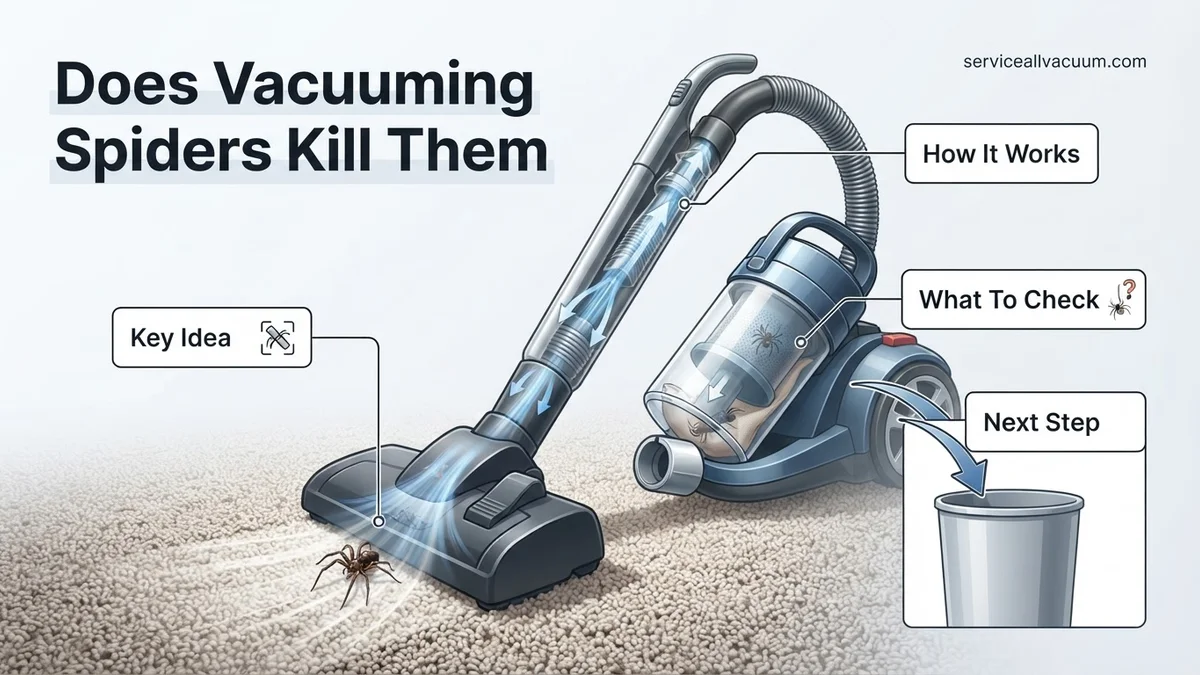
What Causes Spiders to Survive or Die Inside a Vacuum
The Physics of the Vacuum Tunnel
When you suck up a spider, it travels through the extension wand and hose at speeds often exceeding 60 miles per hour. This violent journey subjects the creature to massive blunt-force trauma. Most soft-bodied or medium-sized spiders are crushed or fatally injured by the sheer impact before they even touch the collection bag. However, heavy-duty upright models with wide channels sometimes let smaller or incredibly agile spiders glide through with minimal physical damage.
Bagless Canisters Versus Sealed Bags
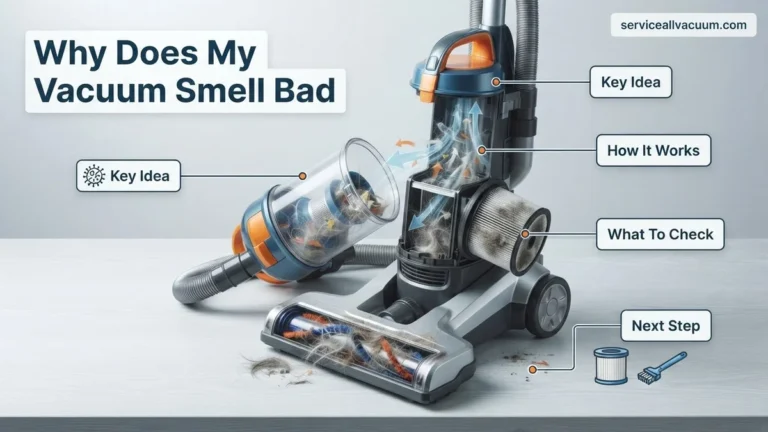
Your vacuum design plays a major role in whether the spider lives or dies after the initial suction. Bagless vacuums feature hard plastic bins filled with swirling debris, where survivors face ongoing buffeting, dust inhalation that clogs their breathing pores (book lungs), and eventual dehydration. Bagged vacuums offer a dark, padded environment filled with dust bunnies and lint. A resilient spider that survives the entry impact can easily nestle into a bag and crawl right back out the nozzle once you turn the machine off.
- Small jumping spiders often survive bagless canister drops due to their sturdy exoskeletons.
- Large house spiders usually die from internal trauma or dehydration within 24 hours in a bagged unit.
- Dust and hair inside the bag can trap a live spider, preventing it from climbing out even if it survives the fall.
How to Safely Vacuum Spiders and Prevent Them From Escaping
Immediate Post-Vacuum Prevention Steps
If you choose the vacuum method for pest control, you cannot simply put the machine away and walk away. Live spiders have been known to stage a jailbreak minutes after the motor stops. To secure your home, you need a strict post-vacuum protocol.
- Empty bagless dirt cups directly into an outdoor trash bin immediately after suctioning.
- Seal the contents in a disposable plastic bag before throwing them away to stop any survivors.
- Spray a quick burst of insecticide or surface cleaner directly into the vacuum hose to neutralize stragglers.
Using Physical Barriers and Trap Doors
Modern vacuum engineering in 2026 includes advanced containment features that make pest removal much safer. Many modern canister and stick vacuums now feature automatic one-way flap valves or rubber seals at the intake port. These clever physical barriers snap shut the moment suction stops, trapping debris and crawling pests inside. If your vacuum lacks this feature, a simple DIY fix is to stuff a small piece of paper towel into the end of the hose after cleaning to block any potential escape routes.
What If Spiders Keep Crawling Out of Your Vacuum
Finding a spider crawling out of your vacuum canister or escaping the nozzle after you thought the job was finished is a common homeowner frustration. Modern vacuum cleaners use strong suction to pull debris inward, but the aerodynamic turbulence and twisting paths through hoses and cyclones do not always kill the insect. In fact, many arachnids survive the journey because their exoskeletons are remarkably resilient against blunt force trauma inside cushioned dust collections.
Why Spiders Survive the Journey
According to entomology studies from urban pest management authorities, spiders can easily squeeze through tight spaces and withstand significant drops in air pressure. When a spider enters a vacuum hose, it is often cushioned by dust, hair, and lint already trapped inside the canister or bag. Furthermore, bagless vacuums with clear plastic bins provide a temporary habitat where air circulates, allowing hardy species like wolf spiders or cellar spiders to simply walk right back out of the intake hole once the motor turns off.
How to Trap Them Inside Permanently
If you prefer using a vacuum but want to ensure the pests do not escape, you must take active containment measures immediately after cleaning. Leaving a live spider inside a dark vacuum bag or plastic bin gives it a safe harbor where it can survive for days without food.
- Vacuum a tablespoon of diatomaceous earth or fine talcum powder to coat the inside of the bag or canister, which destroys the spider’s waxy outer exoskeleton.
- Empty the vacuum bag or canister directly into an outdoor trash bin immediately after finishing your cleaning session.
- Seal the disposal bag tightly before placing it in the outdoor receptacle to prevent any survivors from wandering back into your living space.
- Wipe down the vacuum nozzle with a disinfectant wipe containing vinegar or peppermint oil, as these scents act as natural deterrents against re-entry.
What If It Still Doesn’t Work?
If vacuuming proves entirely ineffective against a severe household infestation or if venomous species like black widows and brown recluses are present, alternative intervention strategies are required. Standard cleaning appliances are not designed to serve as primary pest control tools for dangerous arachnids. When DIY methods fall short, property owners should implement the following steps:
- Seal all foundational cracks, window frames, and door sweeps using silicone caulk to block exterior entry points.
- Apply residual insecticide sprays specifically formulated for crawling insects along baseboards and dark corners where spiders nest.
- Contact a licensed pest control professional if you spot more than five venomous spiders indoors within a single month.
- Expect professional extermination services to range between $150 and $350 depending on the total square footage of the property.
Conclusion
Vacuuming is a fast and convenient way to remove visible spiders from your home, but it does not guarantee their demise. While bagless cyclonic models and traditional bagged vacuums trap the majority of insects, hardy species frequently survive the journey through the hose. According to verified research and expert sources in urban entomology, the most reliable way to finish the job is to empty your vacuum canister immediately and seal the contents outdoors. Take the actionable next step today by inspecting your vacuum’s collection bin after every use to ensure unwanted pests never make a return trip into your living areas.
❓ Frequently Asked Questions
Does vacuuming spiders kill them instantly?
Not always. While the intense airflow, debris, and impact with the vacuum’s fan blades kill most spiders on contact, particularly hardy species can survive the trip and find themselves trapped inside the collection bin rather than dead.
Can a spider crawl back up the vacuum hose?
Yes, spiders possess exceptional climbing abilities and can navigate the interior of a vacuum hose once the machine is turned off. To prevent this, always suck up a small piece of duct tape or paper towel afterward to block the opening, or empty the bin immediately.
Are certain types of vacuums better at killing spiders?
Modern cyclonic bagless vacuums exert heavy centrifugal force and smash debris around at high speeds, which increases the likelihood of fatal impact. However, this also means surviving spiders are loose in a dry cup rather than trapped in a sealed bag.
What should I do immediately after vacuuming a spider?
You should detach the hose, take the canister or vacuum bag directly to an outdoor trash receptacle, empty it, and seal the trash bag tightly. This ensures any surviving arachnids cannot re-enter your living space.
Will a spider starve to death inside a vacuum bag?
Yes, if a spider survives the initial impact and escape is impossible, it will eventually die from a combination of dehydration, lack of food, and physical trauma within 24 to 48 hours.
Is it safe to vacuum up venomous spiders like black widows?
Vacuuming is an effective way to remove dangerous spiders without getting close to them, but you must treat the aftermath with extreme caution. Empty the vacuum immediately outdoors wearing gloves to avoid accidental bites from survivors.