How Often Should I Vacuum My Carpet Expert Guide 2026
Determining how often should I vacuum my carpet depends heavily on your household’s daily traffic, pets, and allergy needs. While low-traffic areas only need weekly maintenance, homes with pets or children require multiple weekly passes to protect indoor air quality and carpet fibers.
As a general rule of thumb for 2026, you should vacuum low-traffic carpets once a week, but high-traffic areas, homes with pets, or households with allergy sufferers require vacuuming two to three times a week or even daily. Waiting too long allows abrasive dirt particles to settle deep into the backing fibers, which accelerates wear and frays your investment.
Maintaining a consistent cleaning schedule goes far beyond mere aesthetics. It directly impacts your indoor air quality and the structural lifespan of your flooring. By establishing a routine tailored specifically to your household dynamics, you trap allergens before they become airborne and preserve the plush texture of your carpet for years to come.
Key Takeaways
- Vacuum low-traffic rooms at least once a week to remove surface dust.
- High-traffic hallways and living rooms require vacuuming two to three times weekly.
- Homes with shedding pets need daily or every-other-day vacuuming.
- Allergy sufferers should use a HEPA-filter vacuum twice a week.
- Slow, overlapping passes capture trapped dirt far better than quick strokes.
Why Carpet Traffic Determines Your Vacuuming Schedule
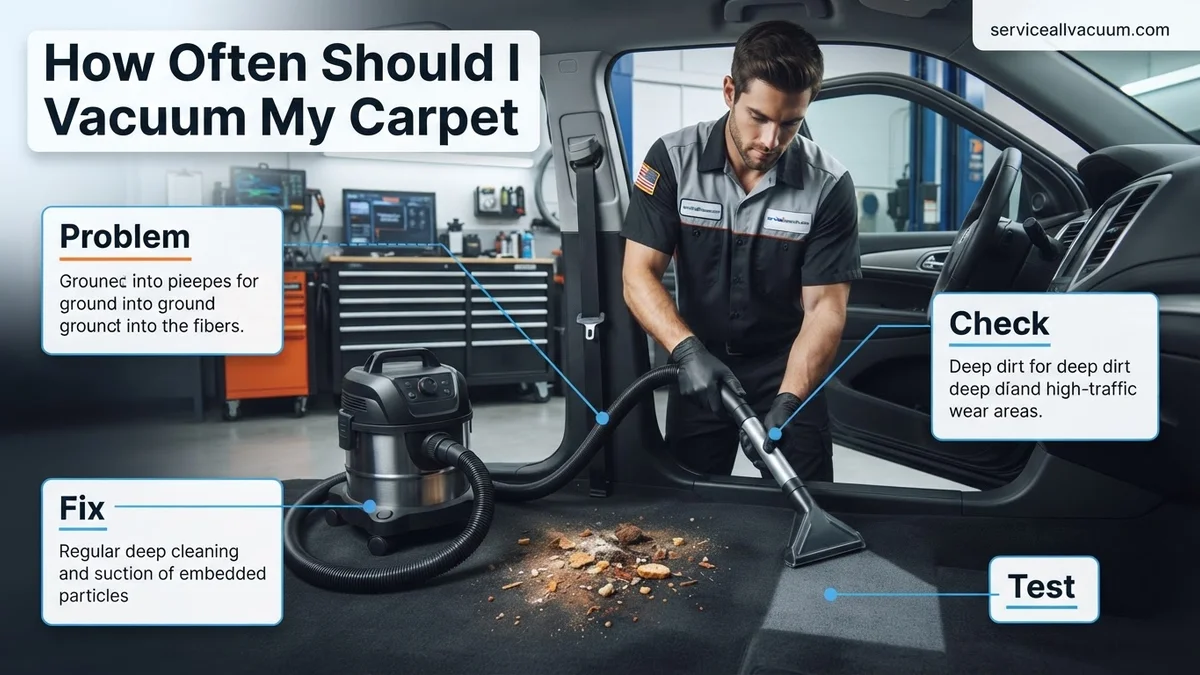
Traffic level is the single most important factor in deciding your vacuuming frequency. Every footstep grinds microscopic dirt, dust, and outdoor debris deep into the carpet pile. If left unaddressed, these abrasive particles act like sandpaper every time you walk across the room.
Low-Traffic Rooms and Guest Bedrooms
Rooms that see minimal daily use, such as formal living areas, guest bedrooms, or home offices used by a single person, do not collect heavy debris quickly. For these spaces, vacuuming once a week is usually sufficient to remove surface dust and occasional lint. Sticking to a weekly cadence prevents light dust from accumulating into a gray film.
High-Traffic Hallways and Family Rooms
Main corridors, staircases, and family rooms experience constant foot traffic that pushes dirt deep beneath the surface fibers.
- Vacuum high-traffic zones at least twice a week to capture embedded grit.
- Use slow, overlapping passes to ensure the roller brush agitates hidden dirt.
- Pay special attention to pivot points near doorways where outdoor soil enters first.
According to recent 2026 indoor maintenance standards, ignoring high-traffic zones for more than a week can reduce a carpet’s functional lifespan by up to thirty percent.
How Often to Vacuum Based on Pets, Kids, and Allergies
Standard household guidelines change dramatically the moment you introduce pets, children, or allergy sufferers into your living space. These dynamic environments introduce constant shedding, dander, tracked-in mud, and microscopic allergens that multiply rapidly.
Homes with Shedding Pets
Pets bring hair, dander, and outdoor allergens indoors constantly. If you share your home with dogs or cats that shed, you need to vacuum high-use pet areas every single day or at least four times a week.
- Daily surface passes catch loose fur before it weaves permanently into carpet loops.
- Choose a vacuum equipped with a HEPA filter to trap microscopic pet dander effectively.
- Focus heavily on pet beds and favorite lounging spots along the baseboards.
Failing to keep up with pet hair leads to trapped odors and heavily matted fibers that standard residential vacuums struggle to lift later.
Allergies, Asthma, and Children
Children spend a significant amount of time playing directly on the floor, breathing in whatever settles into the carpet fibers. If anyone in your home suffers from asthma or severe allergies, your vacuuming frequency must increase to three to four times a week minimum. Carpets act as giant air filters, trapping pollen, dust mites, and mold spores. Regular extraction keeps those triggers out of the air you breathe, vastly improving indoor air quality throughout your home in 2026.
Step-by-Step Guide to Proper Vacuuming Techniques
Maximizing the efficiency of your vacuum cleaner requires more than simply pushing the appliance back and forth across the floor. According to the Carpet and Rug Institute (CRI), proper technique removes up to three times more embedded grit and microscopic allergens than random passes. Homeowners aiming to protect their flooring investment in 2026 should adopt a standardized, multi-directional cleaning protocol.
1. Pre-Inspection and Clutter Removal
Before powering on the machine, scan the floor for large debris, coins, or small toys that can jam the roller brush or puncture the collection bag. Lifting lightweight rugs and small furniture items ensures complete surface coverage.
2. Adjust the Height Setting
Set the vacuum cleaner height according to your specific carpet pile depth. If the brush roll presses too flat against high-pile fibers, it restricts airflow and overheats the motor. If it sits too high, it fails to agitate trapped particulate matter.
3. Execute Multi-Directional Passes
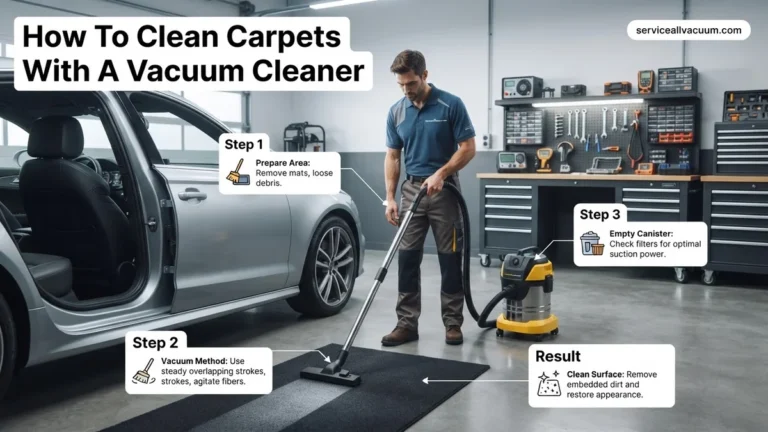
Carpet fibers twist and lean in various directions. For optimal soil extraction, push and pull the vacuum slowly in a north-south orientation, then repeat the process in an east-west pattern. Allow approximately two to three seconds per linear meter.
4. Utilize Crevice and Edge Attachments
Finish high-traffic paths and baseboard perimeters using dedicated crevice tools. Dust and pet dander accumulate heavily against walls where standard motorized brush heads cannot reach.
What If It Still Doesn’t Work?
If your carpet continues to look dull, matted, or discolored despite adhering to a strict weekly vacuuming schedule, underlying issues require alternative remediation. Surface extraction alone cannot resolve deeply oxidized soil, chemical residues, or permanent fiber wear. Consider the following troubleshooting steps to restore your flooring:
- Inspect and Deep-Clean the Vacuum Roller: Tangled hair, thread, and compressed dust wrap around the agitator brush, rendering it ineffective. Cut away debris and wash removable filters according to manufacturer guidelines.
- Evaluate Detergent Residue Buildup: Previous spot-cleaning sprays often leave sticky soap films that rapidly attract new dirt. Rinse the fibers with plain warm water using a carpet extractor to lift residual surfactants.
- Hire Professional Hot-Water Extraction: According to major flooring manufacturers, carpets require deep professional cleaning every 12 to 18 months to maintain warranty coverage. Certified technicians use high-temperature truck-mounted extraction units. Professional cleaning costs typically range from $120 to $300 depending on home square footage.
- Assess Permanent Fiber Wear: Heavy foot traffic permanently crushes synthetic and natural loops over time. If pile distortion is structural rather than dirt-related, targeted professional re-stretching or replacement is necessary.
Conclusion
Establishing an effective vacuuming frequency—ranging from daily passes for heavy pet owners to bi-weekly sessions for low-traffic spaces—is vital for indoor air quality and textile longevity. Combined with proper multi-directional technique and periodic deep extraction, consistent maintenance prevents premature fiber degradation. According to verified research and expert sources from the Carpet and Rug Institute, adhering to these maintenance protocols extends carpet life by up to 50 percent. Take action today by inspecting your vacuum height settings and scheduling your next deep-cleaning service.
❓ Frequently Asked Questions
How often should I vacuum my carpet if I have severe allergies?
If anyone in your household suffers from allergies or asthma, you should vacuum high-traffic areas at least twice a week. Always use a vacuum equipped with a certified HEPA filter to trap microscopic allergens instead of blowing them back into the air.
Is it better to vacuum slowly or quickly?
Vacuuming slowly is much more effective than moving quickly. Slow, deliberate passes give the rotating brush roll and suction motor enough time to pull deep-seated dirt and pet hair out from the base of the carpet fibers.
How does vacuuming frequency affect carpet lifespan?
Dirt acts like microscopic sandpaper against carpet fibers every time someone steps on it. Vacuuming frequently removes this abrasive grit before it can slice through the backing and pile, significantly extending the life of your flooring.
Should I change how often I vacuum during different seasons?
Yes, seasonal changes often impact indoor dirt levels. During rainy or snowy seasons, tracking in mud and moisture requires more frequent vacuuming, while spring and autumn allergy seasons call for stricter dust management.
What time of day is best to vacuum?
You can vacuum at any time, but doing so during daylight hours allows you to see missed spots more clearly. Additionally, vacuuming before dusting furniture ensures any kicked-up particles are captured.
Does the type of vacuum cleaner change how often I need to clean?
High-powered vacuums with strong suction and motorized brush rolls clean more efficiently in a single pass. However, even the best vacuums cannot replace frequency in homes with heavy traffic or pets.