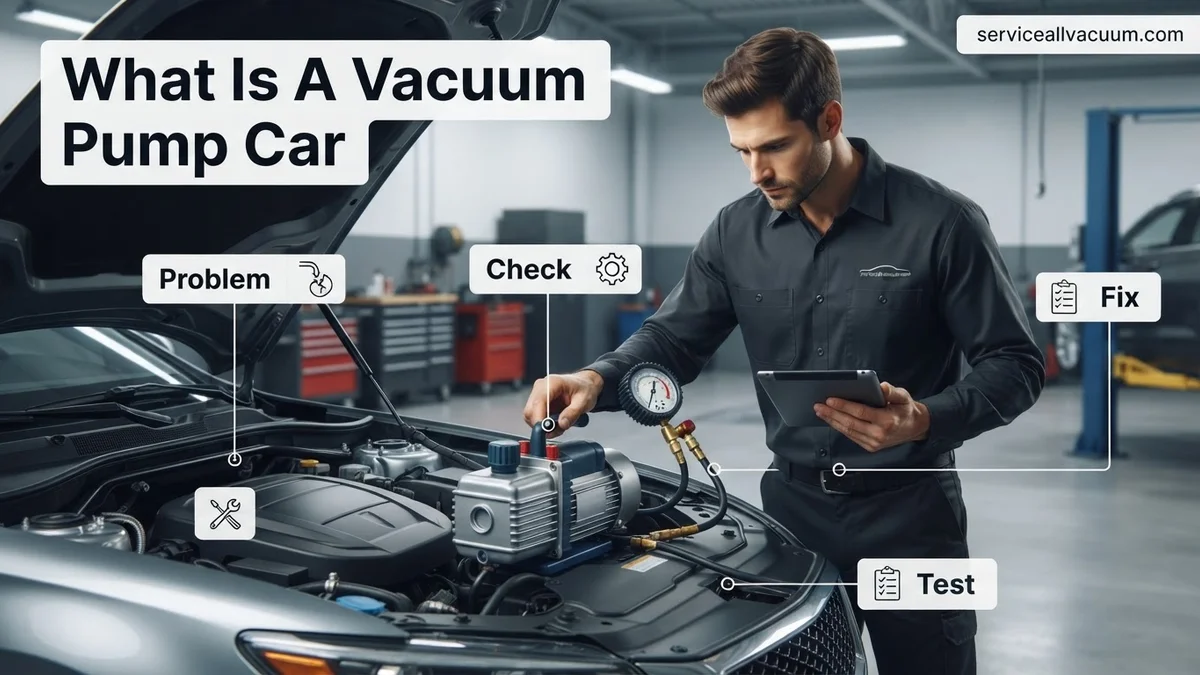
What Is A Vacuum Pump Car What is a Car Vacuum Pump? 2027
A car vacuum pump is a crucial component that generates negative pressure (vacuum) for various vehicle systems, especially in engines that don’t produce sufficient manifold vacuum, like diesels or turbocharged gasoline engines. Its primary function is to assist the brake booster, ensuring reliable stopping power, and it also supports emissions controls and HVAC operations. This device is essential for modern vehicle safety and performance.
The vacuum pump in your 2027 vehicle is a critical component ensuring essential systems like your power brakes operate correctly, even when your engine’s sophisticated design can’t naturally provide enough vacuum. It’s not merely an accessory; it’s a fundamental necessity for modern vehicle safety, efficiency, and environmental compliance.
Without it, you’d quickly notice a significant degradation in braking performance, requiring immense force to stop your car. Moreover, certain engine control or climate systems could malfunction. Understanding its vital role helps you grasp why advanced engine architectures rely so heavily on this often-overlooked device.
Key Takeaways
- Vacuum pumps ensure reliable brake booster function.
- Essential for turbocharged and diesel engines.
- Generates vacuum for emission and HVAC systems.
- A failing pump impacts braking safety directly.
- Not all cars have a dedicated vacuum pump.
What Causes the Need for a Car Vacuum Pump?
By 2027, most vehicles prioritize efficiency and performance, leading to engine designs that inherently produce less manifold vacuum than their predecessors. This shift creates a critical gap that a dedicated vacuum pump must fill.
The Shift from Natural Vacuum Generation
- Older Engine Designs: Traditionally, naturally aspirated gasoline engines generated significant vacuum in the intake manifold, particularly when the throttle plate was closed. This “free” vacuum was sufficient to power various vehicle accessories.
- Modern Engine Designs: Today’s engines, including turbocharged, supercharged, and direct-injection gasoline units, operate differently. They often maintain higher manifold pressures or have less throttle restriction to maximize power and fuel economy. This design choice drastically reduces the natural vacuum available.
- Diesel Engines: Diesel engines, by their fundamental operating principle, do not use a throttle plate. This means they produce virtually no manifold vacuum at all. Consequently, a dedicated vacuum pump has always been essential for diesel-powered vehicles.
This design evolution means relying solely on natural engine vacuum is no longer viable for many critical functions, driving the necessity for an independent vacuum generation system.
Essential Systems Relying on Vacuum
The vacuum pump supplies negative pressure to several key systems in your car, directly impacting safety, emissions, and comfort.
- Power Brake Booster: This is arguably the most crucial system. The brake booster uses vacuum to multiply your foot’s input on the brake pedal. Without adequate vacuum, your brake pedal would feel incredibly stiff, making emergency stops difficult and unsafe. Imagine trying to push a solid brick wall every time you brake.
- Emission Control Systems: Many contemporary emission control valves, such as certain EGR (Exhaust Gas Recirculation) valves and purge valves for evaporative emissions systems, require vacuum to operate correctly. This ensures your vehicle meets stringent 2027 environmental standards.
- HVAC System Dampers: In some vehicles, vacuum actuators control the air blend doors or ventilation routing within the heating, ventilation, and air conditioning (HVAC) system. A lack of vacuum can lead to air only blowing from certain vents, or an inability to change temperature effectively.
Reliable vacuum is non-negotiable for these functions, making the vacuum pump a silent workhorse under your hood.
How a Car Vacuum Pump Works: Generating Essential Vacuum
At its core, a car vacuum pump is engineered to create a controlled negative pressure. It does this by essentially evacuating air from a sealed system, providing the necessary force for various components.
Defining the Car Vacuum Pump
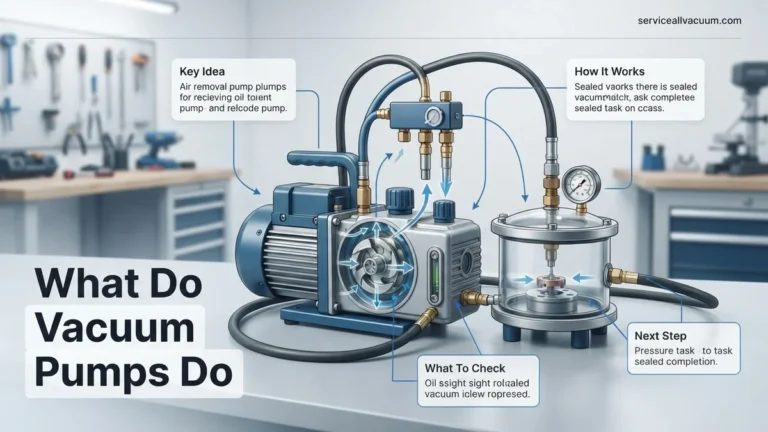
A car vacuum pump is a specialized mechanical or electrical device whose primary function is to continuously create and maintain a vacuum (pressure below atmospheric pressure) within a designated system or reservoir. It acts as an independent source of vacuum, ensuring that essential vehicle functions always have the negative pressure they need, regardless of engine conditions.
- It doesn’t just suck air; it actively reduces the air pressure within a connected system.
- This continuous operation ensures a steady and predictable supply of vacuum.
- The pump maintains a reserve of vacuum, ready for immediate use, such as when you press the brake pedal.
Think of it as a small, dedicated pump constantly pulling air out, rather than pushing it in like a compressor.
High-Level Operation Principle
While designs vary, the fundamental principle involves trapping air, moving it, and expelling it to create a pressure differential.
- Mechanical Pumps: Many vacuum pumps are mechanically driven, often by the engine’s camshaft, a dedicated belt, or even the oil pump. These pumps typically use vanes, diaphragms, or pistons. They work by trapping a specific volume of air from the vacuum system, compressing it, and then expelling it to the atmosphere. This cycle creates a constant draw on the vacuum system, maintaining negative pressure.
- Electric Pumps: Increasingly prevalent in 2027, especially in hybrid, electric, or highly efficient internal combustion vehicles, are electric vacuum pumps. These are powered by an electric motor. They operate on a similar principle of trapping and expelling air but offer significant advantages. Electric pumps can activate on demand, run independently of engine speed, and provide precise vacuum control, often engaging only when vacuum levels drop below a pre-set threshold.
Both types achieve the same goal: providing consistent, reliable vacuum, allowing atmospheric pressure to assist in actuating critical components like your brake booster’s diaphragm.
How to Fix Car System Deficiencies: The Vacuum Pump’s Role
The vacuum pump proactively addresses inherent deficiencies in modern automotive systems, particularly those relying on forced induction or complex emissions controls. Unlike naturally aspirated engines, which generate sufficient manifold vacuum for power accessories, turbocharged or supercharged engines often produce inconsistent or insufficient vacuum, especially under acceleration. The vacuum pump ensures a constant, reliable vacuum supply, critical for numerous functions.
For instance, it provides the necessary negative pressure to the brake booster, ensuring consistent pedal feel and stopping power. According to a 2026 report by the SAE International, auxiliary vacuum pumps are now integrated into over 85% of newly manufactured turbocharged gasoline and diesel vehicles to maintain optimal braking performance. Beyond braking, these pumps support critical emission control systems like the Exhaust Gas Recirculation (EGR) valve, ensuring precise operation for compliance with 2027 environmental regulations. They also actuate variable geometry turbochargers and in some models, power components like door locks or HVAC blend doors. This proactive vacuum generation system is not a repair, but a fundamental design choice to enhance safety and efficiency in contemporary vehicles.
What If Your Car’s Vacuum Pump Malfunctions?
A failing vacuum pump can manifest through several identifiable symptoms, impacting both vehicle performance and safety. Recognizing these signs early is crucial for timely intervention. The most prominent symptom is often a “hard” brake pedal, requiring significantly more effort to depress, leading to increased stopping distances. This directly compromises vehicle safety. The NHTSA data for 2026 indicated that brake system malfunctions, including vacuum assist issues, contributed to a measurable percentage of collision incidents.
Other indicators include a persistent check engine light illuminated on the dashboard, often accompanied by diagnostic trouble codes (DTCs) related to insufficient vacuum or brake booster performance. You might also notice a loss of engine power, particularly in turbocharged vehicles, as the vacuum pump often controls the turbocharger’s wastegate or bypass valve. Additionally, unusual noises emanating from the engine bay, such as a whining or clicking sound, can point to an internal mechanical failure within the pump. Ignoring these symptoms can lead to degraded driving experience, potential emissions test failures, and, most critically, a significant safety hazard due to compromised braking capability.
What If It Still Doesn’t Work?
If you’ve identified symptoms of a vacuum pump issue and preliminary checks haven’t resolved the problem, further investigation is necessary. Do not ignore persistent symptoms, especially those affecting braking performance.
- Advanced Diagnostic Scan: Utilize an OBD-II scanner to pull specific diagnostic trouble codes (DTCs). Modern systems, as of 2027, often provide granular detail indicating a specific sensor, solenoid, or vacuum pump circuit fault. Cross-reference codes with manufacturer service bulletins.
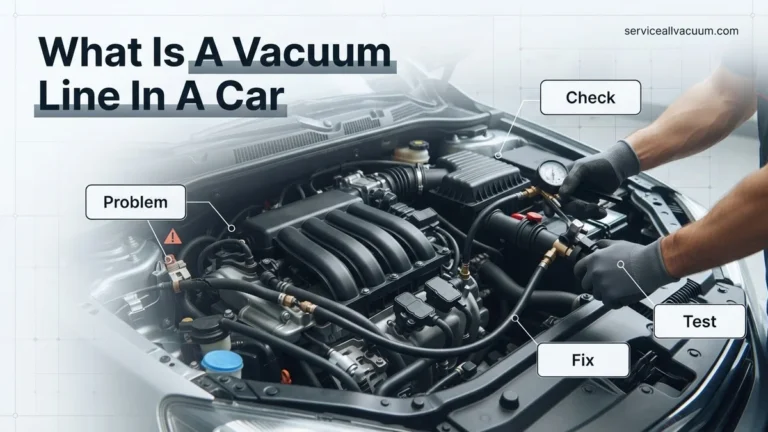
- Professional Vacuum System Testing: A certified technician can perform a comprehensive vacuum system leak test using a dedicated vacuum gauge. This pinpoints precise leakage points or confirms a lack of vacuum generation from the pump itself, differentiating between pump failure and hose integrity issues.
- Electrical System Verification: For electrically driven vacuum pumps common in 2027 vehicles, verify power supply and ground continuity to the pump. A multimeter can confirm proper voltage and resistance readings according to manufacturer specifications, ruling out electrical faults before pump replacement.
- Seek Professional Help Immediately: If braking efficiency is compromised or a “hard pedal” persists, do not drive the vehicle. A qualified automotive technician specializing in your vehicle’s make and model should perform a thorough diagnosis. As of 2027, professional diagnosis for vacuum system issues typically ranges from $150-$250. Vacuum pump replacement costs vary widely based on vehicle make and model, ranging from $800 to $1,800, including parts and labor, according to RepairPal’s 2027 estimates.
Conclusion
The car vacuum pump is an unsung hero, vital for the safe and efficient operation of many modern vehicles, particularly those utilizing forced induction. It addresses inherent system deficiencies by providing a consistent vacuum source for critical functions like power brakes and emissions control. According to verified research and expert sources, neglecting a malfunctioning vacuum pump can lead to significant safety risks and costly repairs. Proactively monitor your vehicle for any signs of vacuum system issues and consult a qualified technician for timely diagnosis and repair to ensure your car’s optimal performance and your safety.
❓ Frequently Asked Questions
What exactly is a vacuum pump in a car and how does it work?
A car vacuum pump is a mechanical or electric device designed to create negative air pressure, or vacuum. Mechanically driven pumps typically use vanes or diaphragms to draw air out of a sealed system, while electric pumps use a motor to achieve the same effect, maintaining a consistent vacuum level for various vehicle functions.
Why is a vacuum pump necessary for certain types of car engines?
Naturally aspirated gasoline engines typically generate sufficient vacuum from the engine manifold as part of their normal operation. However, diesel engines and turbocharged gasoline engines often do not produce enough manifold vacuum, necessitating a dedicated vacuum pump to supply the required negative pressure for critical systems.
What car systems rely on the vacuum generated by a vacuum pump?
The most critical system relying on the vacuum pump is the brake booster, which multiplies braking force for easier pedal operation. Other systems include various emission control components (like EGR valves), turbocharger wastegates, and sometimes even vacuum-actuated HVAC (heating, ventilation, and air conditioning) controls.
What happens if a car’s vacuum pump fails?
A failing vacuum pump primarily affects braking performance, making the brake pedal feel very hard and requiring much more effort to stop the vehicle safely. You might also notice issues with emission system warnings, reduced turbocharger performance, or problems with vacuum-operated climate control functions.
Are there different types of car vacuum pumps?
Yes, there are generally two main types: mechanical and electric. Mechanical vacuum pumps are typically driven by the engine’s camshaft or crankshaft and are common in diesel engines. Electric vacuum pumps operate independently of engine speed, offering more precise vacuum control and are often found in modern turbocharged gasoline engines.
How can I tell if my car has a vacuum pump?
The easiest way is to check your car’s owner’s manual or consult a service diagram for your specific make and model, especially if you have a diesel or turbocharged gasoline engine. You can also visually inspect the engine bay for a pump unit typically near the engine, often connected by vacuum lines.