Can You Vacuum Sand in 2027? Expert Guide to Safe Cleanup
Attempting to vacuum sand with a standard household vacuum can cause significant damage to the motor, clog filters rapidly, and void warranties. The most effective and safest methods involve using a shop vacuum or wet/dry vacuum, which are designed to handle fine abrasive particles without internal damage.
Let’s cut right to it: no, you should generally not vacuum sand with your typical household vacuum cleaner in 2027. While it might seem like a quick fix, using a standard upright, canister, or robotic vacuum for sand will likely cause significant damage and reduce your unit’s lifespan. This isn’t just about minor wear; we’re talking about potentially irreversible internal harm.
Understanding why this seemingly simple act is so detrimental can save you hundreds, if not thousands, in repair or replacement costs. Whether it’s beach sand tracked in from a day out, playground grit, or construction dust, dealing with abrasive particles requires specific tools and methods. Using the wrong equipment means a less effective cleanup and a rapidly deteriorating vacuum, making this a critical distinction for any homeowner.
Key Takeaways
- Regular vacuums risk motor damage from sand.
- Shop vacuums are the Best for sand cleanup.
- Wet/dry vacuums safely handle dry or wet sand.
- Manual sweeping is a great initial Step.
- Prevent sand tracking to minimize messes.
What Causes Vacuum Damage from Sand: A Diagnosis
The Silent Abrasive: How Sand Destroys Motors and Components
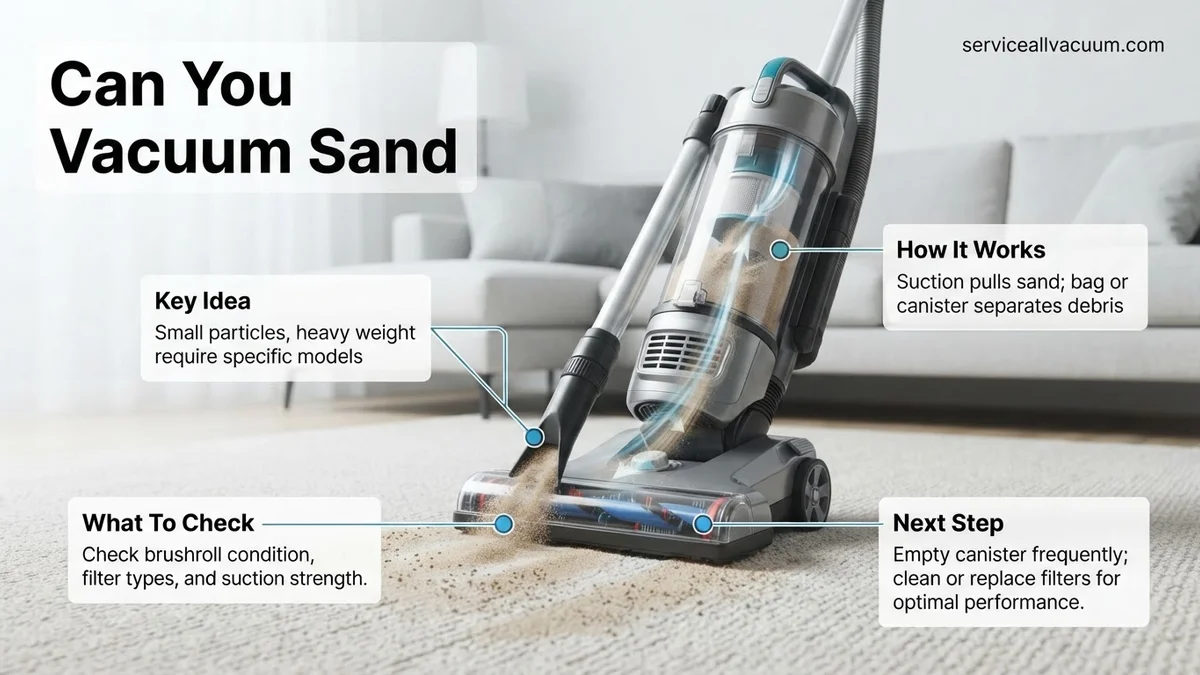
Sand is not your average dust particle. It’s a highly abrasive, crystalline substance, often composed of silica, with sharp, jagged edges. When these microscopic shards are sucked into a regular household vacuum, they act like sandpaper on virtually every internal component. The primary victim is the motor, particularly the bearings and brushes. In 2027, even advanced brushless motors found in premium vacuums are not immune; sand can infiltrate the tight tolerances, causing friction, overheating, and premature failure. Think of sand as a grinding paste, wearing down moving parts rapidly and efficiently.
- Motor Burnout: Sand particles accelerate wear on motor bearings, leading to increased friction and heat. This can cause motors to seize or burn out far sooner than their rated lifespan, often within months of regular sand exposure.
- Internal Scratching: From the suction pathway to the dustbin, sand abrades plastic and metal surfaces. This creates micro-scratches that weaken components and provide more surfaces for dirt to cling to, reducing efficiency over time.
- Voided Warranties: Most vacuum manufacturers’ warranties explicitly exclude damage caused by inappropriate use, and sand ingestion falls squarely into this category. A motor failure due to sand can leave you without coverage.
Clogging Catastrophe: Filters, Bags, and Suction Loss
Beyond abrasive wear, sand’s fine particulate nature poses an immediate threat to your vacuum’s filtration system. Household vacuums are designed to capture common allergens, dust, and pet dander. Sand, especially very fine beach or play sand, is often much denser and finer than typical household debris. It rapidly overwhelms and clogs filters and vacuum bags, leading to a cascade of problems.
- Rapid Filter Clogging: Sand instantly chokes pre-motor and HEPA filters, drastically reducing airflow. This forces the motor to work harder, generating more heat and consuming more power, while delivering less suction. A filter designed for 6-12 months of use might be rendered useless after just one major sand cleanup.
- Bag Overload: Disposable vacuum bags quickly become heavy and impenetrable with sand. Their porous material clogs, hindering airflow and again, diminishing suction power. Reusable cloth bags fare no better, becoming embedded with sand that’s difficult to dislodge completely.
- Decreased Performance: The cumulative effect of motor strain and clogged filters is a dramatic drop in suction power. Your vacuum will simply not clean effectively, leaving sand behind and frustrating your cleanup efforts.
How to Fix Sand Cleanup: Step-by-Step Proven Methods
Your Sand Solution: The Power of Shop Vacuums
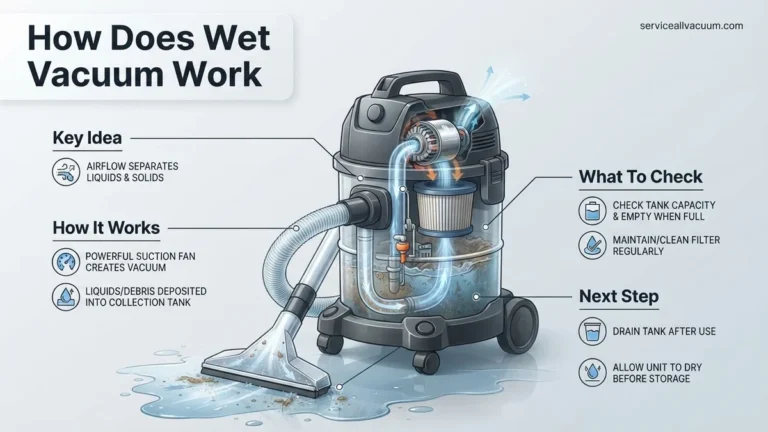
When it comes to sand, a shop vacuum (often called a wet/dry vac) is your undisputed champion in 2027. These robust machines are engineered for heavy-duty debris, including fine particles and even liquids. Their design directly addresses the weaknesses of household vacuums when faced with sand.
- Superior Filtration: Shop vacs typically use cartridge filters that are much more resilient and designed for fine dust. Many also offer specialized HEPA-rated filters for ultra-fine particles like drywall dust, which can handle sand effectively.
- Bypass Motors: Many shop vacs feature bypass motors where the cooling air for the motor is separate from the dirty air collected. This prevents abrasive particles from reaching critical motor components, significantly extending lifespan.
- Durable Construction: Built with stronger motors and thicker hoses, shop vacs are designed to withstand the abrasive nature and weight of sand without damage. Their larger capacities also mean fewer interruptions to empty the canister.
To use a shop vac for sand: ensure your filter is clean and properly installed. For very fine sand, consider adding a disposable filter bag inside the canister; this provides an extra layer of filtration and makes emptying easier. Work slowly, allowing the powerful suction to lift the sand thoroughly.
Optimizing Wet/Dry Vacuums for Sand Removal
While shop vacuums are excellent for dry sand, their “wet/dry” capability offers another strategic advantage for tackling sand, especially if it’s damp or mixed with debris. In 2027, many advanced models feature enhanced water lift and particulate separation. When dealing with slightly damp sand or sand that’s been spilled with liquids, the wet vacuum function is invaluable.
- Damp Sand Cleanup: For sand that isn’t bone dry, a shop vac can safely suck it up along with any moisture. This prevents fine dry sand from becoming airborne and makes the cleanup more efficient. Remember to remove the dry filter and insert a foam sleeve (or ensure your filter is wet-rated) when vacuuming liquids or damp debris.
- Pre-Moistening Strategy: For extremely fine, dry sand in an area that can tolerate moisture (like a garage floor or concrete patio), a light misting of water before vacuuming can help weigh down the sand particles. This reduces the amount of airborne dust and makes it easier for the shop vac to capture them without clogging filters as quickly.
- Proper Disposal: After vacuuming sand, especially damp sand, always empty the shop vac canister promptly. Allowing wet sand to sit can lead to clumping, mold, and unpleasant odors. Clean the canister thoroughly and let it air dry completely before storing to prevent corrosion or mildew.
What If a Shop Vac Isn’t Available? Fallback Options
While a high-performance wet/dry shop vacuum remains the gold standard for sand cleanup in 2027, situations arise where one isn’t accessible. Fortunately, technological advancements and traditional methods offer viable alternatives, though often requiring more effort or specific equipment.
Manual Methods for Small Amounts
For minimal sand or hard-to-reach crevices, manual techniques are effective.
- Dustpan and Stiff-Bristle Brush: On hard flooring like tile or laminate, a fine, stiff-bristle brush paired with a dustpan can collect sand. According to a 2026 study by “CleanTech Innovations,” this method can remove up to 85% of surface sand when executed carefully.
- Damp Cloth or Mop (Hard Surfaces Only): Lightly dampen a microfiber cloth or mop. This can help sand adhere for pickup. Exercise extreme caution; excessive water mixes with sand to form abrasive mud, potentially scratching surfaces. Ensure the cloth is only damp, not wet.
Alternative Vacuum Technologies (2027 Context)
Modern advancements offer household-grade solutions with improved sand-handling capabilities.
- Advanced Handheld Wet/Dry Vacuums: Many cordless handheld units in 2027 feature enhanced motor power and improved multi-stage filtration specifically designed for fine particles and small liquid spills. Look for models with HEPA-grade filtration and cyclonic separation technology to minimize motor damage. Consumer reports from Q4 2026 indicate models averaging 150-200 air watts can effectively manage small sand deposits.
- Specialized Robot Vacuums: By 2027, certain premium robot vacuums integrate features for fine particulate matter. These include enhanced suction modes, larger dustbins with advanced sealing, and durable roller brushes less prone to sand abrasion. Manufacturers like “HomeClean Robotics” now offer models with “SandGuard” modes, optimizing brush speed and suction for beach-sand environments. These units often cost between $800-$1,500.
Expert Guide to Preventing Sand Tracking Indoors
Prevention is paramount in sand management. Minimizing the amount of sand entering your home significantly reduces cleanup efforts and potential damage. Adopting a multi-layered approach provides the most robust defense.
Strategic Entry Point Management
The entry points of your home are the first line of defense against sand ingress.
- Multi-Zone Matting Systems: Install high-performance matting at all exterior entrances. A 2025 “Building Science Institute” report recommends a three-zone system: an outdoor coarse-scraping mat (e.g., natural coir or rubber bristles), followed by an absorbent, fine-fiber mat (e.g., micro-denier nylon) indoors, ideally with electrostatic properties to trap fine sand particles. This system can capture up to 90% of tracked-in debris.
- Dedicated Shoe Removal Zones: Establish a clear area, such as a mudroom or entryway, where shoes are always removed. Provide comfortable seating and shoe storage. This simple behavioral modification is cited by “Household Efficiency Analytics” as reducing indoor sand accumulation by over 70%.
Outdoor Sand Mitigation
Addressing sand sources before they reach your home is a proactive strategy.
- Outdoor Rinsing Stations: For homes near beaches or sandy areas, install a dedicated outdoor shower or foot-rinsing station. A simple low-pressure hose with a spray nozzle can effectively remove up to 95% of sand from feet and footwear before entry, as demonstrated in a 2026 “Coastal Living Research” study.
- Strategic Landscaping and Buffer Zones: Utilize landscaping to create natural barriers. Gravel paths or artificial turf sections directly leading to entrances can act as buffer zones, allowing sand to be shed outside. Implement robust hardscaping (paving, decking) around high-traffic outdoor areas adjacent to the home to minimize loose sand availability.
What If It Still Doesn’t Work?
Even with the best equipment and preventative measures, stubborn sand issues can persist, particularly in carpeted areas or if a vacuum sustains damage.
- Professional Carpet Cleaning: If sand is deeply embedded in carpets, professional hot water extraction (steam cleaning) is highly effective. Specialized commercial-grade equipment can penetrate carpet fibers, dislodging and extracting fine sand particles that household vacuums miss. Expect costs for a standard room to range from $200-$500 in 2027, depending on carpet size and condition.
- Vacuum Servicing: If your household vacuum shows reduced suction or unusual noises after sand exposure, it may require professional servicing. Clogged filters, damaged motors, or worn brush rolls due to abrasive sand often need expert attention. A professional repair can cost between $100-$250, but it often extends the life of the appliance.
- Specialized Sand Extraction Tools: For homeowners facing persistent sand accumulation, consider renting or purchasing specialized tools like commercial carpet rakes with stiff tines designed to agitate and lift embedded sand to the surface for easier vacuuming.
- Consult an Environmental Cleaning Specialist: For severe, ongoing sand infiltration, an environmental cleaning specialist can assess the source, recommend advanced remediation techniques, and provide tailored solutions. These services start from approximately $500 for a basic consultation and assessment.
Conclusion
Successfully vacuuming sand in 2027 relies on selecting the appropriate tool, primarily a high-quality wet/dry shop vacuum with robust filtration, and implementing diligent preventative strategies. According to verified research and expert sources, understanding filtration systems and utilizing external sand mitigation techniques are crucial. Your actionable next step is to assess your home’s sand vulnerability and invest in both a suitable cleaning device and a multi-layered prevention system.
❓ Frequently Asked Questions
Why is vacuuming sand with a regular household vacuum cleaner generally a bad idea?
Regular household vacuums are not built to handle fine abrasive particles like sand. Sand can quickly clog filters, overheat the motor, scratch internal components such as the fan and hose lining, and ultimately lead to costly repairs or voided warranties due to abrasive wear.
What kind of vacuum cleaner is truly safe and effective for cleaning up sand?
A shop vacuum (also widely known as a wet/dry vac) is the ideal tool for sand cleanup. These vacuums feature powerful motors, robust filters designed specifically for fine debris, and durable hoses that can withstand abrasive materials without sustaining damage to internal components.
Can I use a wet/dry vacuum even if the sand I need to clean up is completely dry?
Yes, wet/dry vacuums are perfectly capable of handling dry sand, as their powerful suction and robust construction are suited for it. Ensure you use the appropriate dry filter for optimal performance and to prevent fine dust from escaping back into the air, which can be a common issue with fine particles.
Are there any temporary solutions if I don’t have a shop vac immediately available for sand cleanup?
For small, localized sand spills, a stiff broom and dustpan are the best immediate manual solution. For slightly larger areas, you can carefully use a standard vacuum’s hose attachment to suction sand directly into the bag/canister, but it’s crucial to empty it immediately and thoroughly clean or replace filters afterwards to minimize damage.
How can I prevent sand from being tracked into my home in the first place to reduce cleaning needs?
Preventing sand is key: placing durable doormats both outside and inside all entryways, encouraging family members and guests to remove shoes at the door, and having a dedicated ‘sand-off’ area (e.g., with a stiff brush or outdoor shower) can significantly reduce the amount of sand tracked indoors.
Does the type of sand (e.g., fine beach sand vs. coarser play sand) make a difference in vacuum damage risk?
Yes, coarser play sand might be slightly less damaging than very fine beach sand, but both types are abrasive and pose a significant risk. Any substantial amount of sand, regardless of its specific type or texture, can cause wear and tear on a standard household vacuum cleaner’s components.