How Often to Vacuum Expert Guide for Clean Floors 2027
Most homes need to be vacuumed at least once a week to prevent dust and allergen buildup, but specific households require more frequent cleaning. Homes with pets, children, or heavy foot traffic often demand vacuuming two to three times a week or even daily. Establishing a targeted routine protects both your floor longevity and indoor air quality.
As a general rule for 2027, you should vacuum high-traffic areas at least two to three times a week, while low-traffic rooms only require a weekly pass. Homes with shedding pets or allergy sufferers need daily maintenance in main living spaces to control dander and trapped debris.
Ignoring this baseline leads to accelerated carpet fiber wear and poor indoor air quality. Dirt acts like sandpaper on floor fibers, cutting them down with every footstep. Establishing a tailored cleaning schedule protects your flooring investment and keeps your home’s air breathable without wasting energy on unnecessary daily chores.
Key Takeaways
- Vacuum high-traffic zones at least twice weekly to prevent embedded dirt.
- Homes with shedding pets require vacuuming three to four times a week.
- Allergy sufferers should vacuum living spaces twice weekly with a HEPA filter.
- Low-traffic guest rooms only need a thorough vacuum once every two weeks.
- Hard floors require frequent sweeping or light vacuuming to prevent surface grit accumulation.
Why Floor Traffic and Environment Dictate Vacuum Frequency
Assessing Foot Traffic Levels
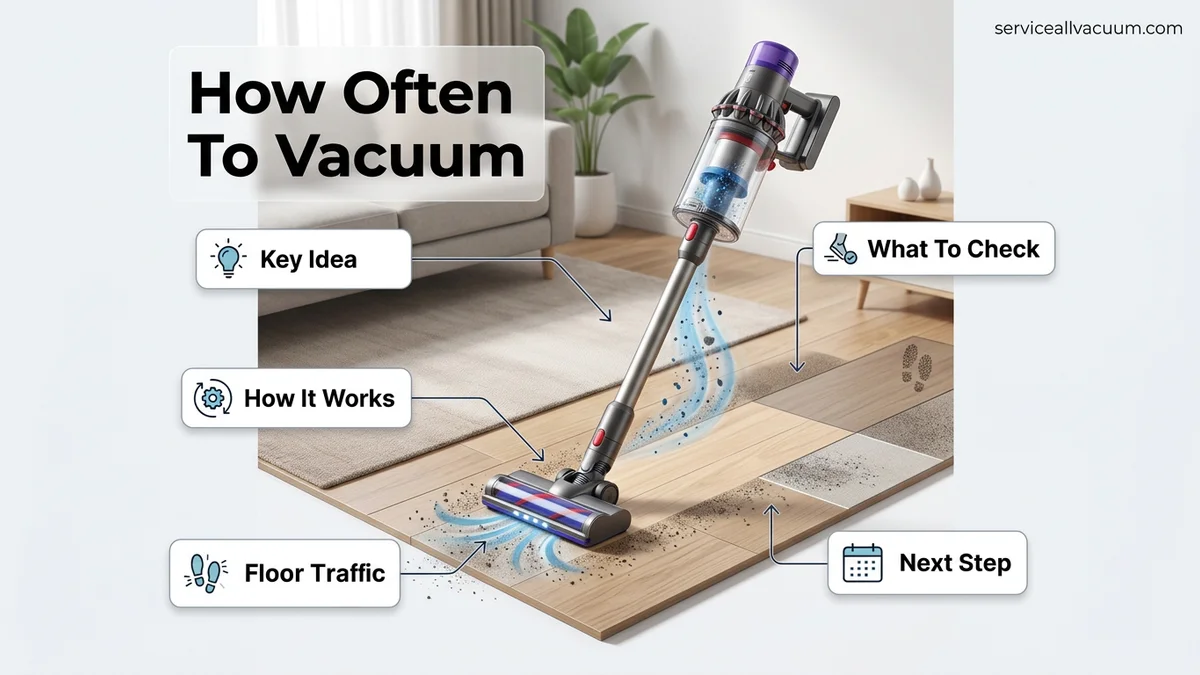
Your daily routine dictates how quickly dirt accumulates on your floors. Entryways, hallways, and family rooms collect outdoor grit, dust, and crumbs almost constantly. If you have children, teenagers, or work from home, these zones experience heavy daily friction. You must vacuum high-traffic zones two to three times a week to pull up abrasive particles before they settle deep into the carpet backing.
- High-traffic zones (hallways, living rooms, kitchens): Vacuum 2 to 3 times weekly.
- Low-traffic zones (guest bedrooms, formal dining rooms): Vacuum once every 7 to 10 days.
- Staircases: Vacuum weekly, as foot traffic concentrates heavily on stair treads.
The Impact of Pets and Allergies
Living with furry companions changes your cleaning math entirely. Even hypoallergenic breeds drop dander, track in yard debris, and shed undercoats that settle into hard floors and rugs. If you share your home with shedding pets, schedule high-use areas for daily or every-other-day vacuuming to prevent allergen buildup. Households managing severe seasonal allergies or asthma should also prioritize high-efficiency particulate air filtration and frequent passes to capture microscopic triggers.
- Single short-hair pet: Vacuum main areas 3 times a week.
- Multiple pets or heavy shedders: Vacuum primary living zones daily.
- Allergy sufferers: Maintain a strict 3-to-4-times weekly schedule using a sealed filtration system.
How to Fix Your Cleaning Schedule Using a Step-by-Step Room Routine
Mapping Rooms by Surface Type
Hardwood and tile floors show dust bunnies and hair quickly, but plush carpets hide pounds of embedded soil out of sight. Carpeted surfaces require deeper and more frequent passes because dirt sinks past the surface fibers. Hard floors benefit from a quick sweep or daily vacuum pass to prevent grit from scratching surface finishes. Organize your floor plan by surface material to optimize your time.
- Wall-to-wall carpets: Require thorough, multi-directional passes at least twice weekly in busy rooms.
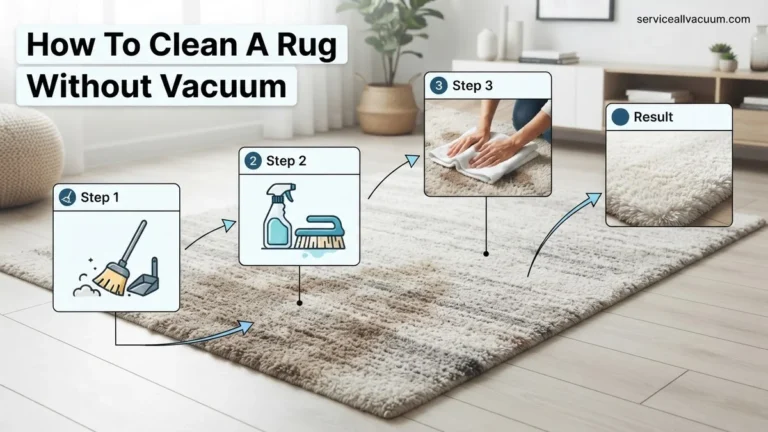
- Area rugs: Need weekly vacuuming, plus a bi-monthly shaking or flipping to release trapped grit.
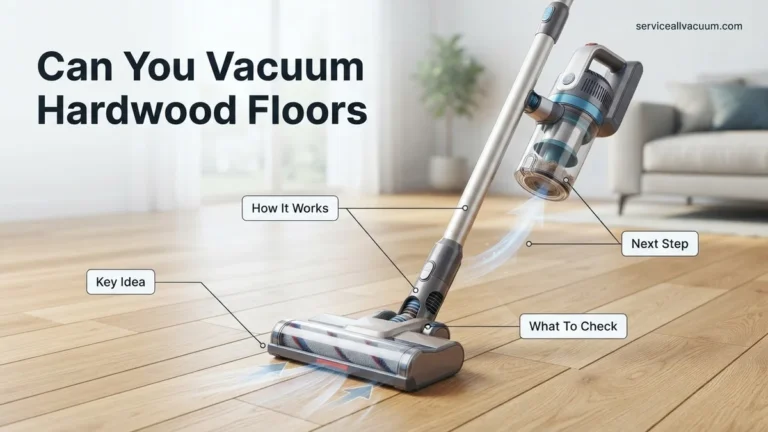
- Hard floors (wood, LVP, tile): Can be vacuumed 1 to 2 times a week using a bare-floor setting to avoid scattering dust.
Creating a Realistic Weekly Matrix
Trying to vacuum your entire house from top to bottom every single day leads to burnout. Instead, distribute tasks across the week based on actual room usage. Designate quick ten-minute zones for high-impact areas while leaving low-priority spaces for weekend maintenance. By breaking the workload down, you maintain pristine floors in 2027 without spending your entire Saturday wrapped around a cleaning hose.
- Monday: Quick pass in the entryway and kitchen.
- Wednesday: Full living room and hallway deep-vacuum.
- Friday: Pet hair sweep in main sleeping areas.
- Sunday: Low-traffic guest rooms and formal spaces.
What If Dust and Allergens Persist Despite Regular Vacuuming
Even strict adherence to a standard vacuuming schedule can sometimes leave indoor air feeling heavy and allergy symptoms triggered. According to the Asthma and Allergy Foundation of America, microscopic particulate matter often bypasses standard consumer filtration systems. When stubborn dust and allergens linger despite frequent cleaning sessions, the issue usually stems from equipment limitations, deep-seated environmental reservoirs, or improper technique rather than frequency alone.
Assessing Filtration and Air Circulation
Standard vacuums without sealed HEPA filtration can inadvertently recirculate up to 40 percent of captured micro-dust back into the breathable air. Upgrading to a certified HEPA system captures 99.97 percent of particles down to 0.3 microns. Furthermore, integrated HVAC filters must be evaluated concurrently. Experts recommend upgrading home ventilation systems to MERV 13 or higher ratings during peak allergy seasons in 2027 to complement floor maintenance routines.
Evaluating Deep-Seated Textile Reservoirs
Carpets and upholstered furniture act as giant sinkholes for dander, pollen, and dust mites that surface-level suction cannot extract. If allergens persist, the source is frequently embedded deep within carpet padding or furniture fibers where upright vacuums fail to reach. Rotating floor heads, checking agitator brush height, and supplementing dry extraction with targeted moisture treatments will dislodge long-term accumulation.
What If It Still Doesn’t Work?
When adjustments to your vacuuming routine and equipment fail to resolve persistent dust and allergen issues, a systematic troubleshooting approach is required. Follow these steps to isolate and correct the underlying problem:
- Inspect and replace the machine’s primary filters: Washable foam filters degrade over time, while clogged HEPA cartridges restrict airflow and reduce extraction power. Replace clogged filters immediately according to the manufacturer specifications.
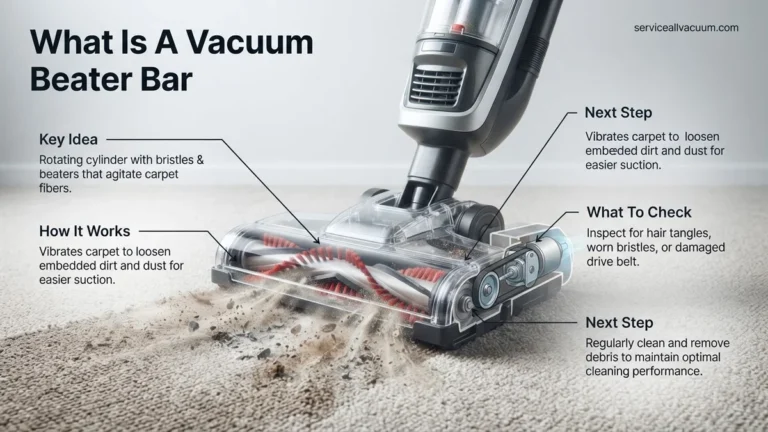
- Check for airflow blockages in the hose and brush roll: Debris buildup inside the internal pathways reduces suction efficiency drastically. Clear all blockages using a flexible rod or specialized maintenance tool.
- Test suction performance at the nozzle: Use an anemometer or a simple static pressure test to verify that the motor is generating adequate airflow. Low motor output indicates mechanical failure requiring professional servicing.
- Hire a professional carpet cleaning service: Deep hot-water extraction removes embedded contaminants that standard vacuums cannot reach. Professional deep cleaning services typically cost between $150 and $350 depending on home square footage.
- Consult an indoor air quality specialist: If symptoms persist despite clean floors, HVAC duct contamination or structural moisture issues may be the root cause. Comprehensive indoor air quality assessments range from $300 to $600.
Conclusion
Establishing the correct vacuuming frequency is essential for maintaining a healthy indoor environment and prolonging floor life. By tailoring your cleaning schedule to household traffic, pet presence, and flooring types, you prevent damaging particulate buildup. According to verified research and expert sources from leading cleaning and indoor air quality institutions, combining a optimized schedule with certified HEPA filtration maximizes allergen removal. Your actionable next step for 2027 is to evaluate your current vacuum’s filtration rating today and adjust your weekly cleaning zones accordingly.
❓ Frequently Asked Questions
How often to vacuum when you have multiple pets?
Homes with multiple shedding dogs or cats should vacuum high-traffic areas and pet beds daily to control dander, fur, and trapped allergens. Less-used rooms can still follow a standard two-to-three-times-weekly schedule.
What is the best time of day to vacuum?
Vacuuming in the morning or early afternoon is ideal because foot traffic is usually lower, allowing settled dust kicked up during the process to resettle before the evening.
Does vacuuming frequency affect indoor air quality?
Yes, frequent vacuuming removes particulate matter, pollen, and dust mites that would otherwise become airborne and degrade indoor air quality, especially when using a vacuum equipped with a HEPA filter.
Can vacuuming too often damage carpets?
Over-vacuuming can cause premature wear on delicate carpet fibers, particularly if you use a high-powered vacuum with a rigid, aggressive brush roll on low-pile or loop carpets.
How often should area rugs be vacuumed?
Area rugs in high-traffic zones like living rooms need vacuuming two to three times a week, while low-traffic decorative rugs can be cleaned weekly.
Should I adjust vacuum height settings for different rooms?
Always adjust your vacuum’s height setting to match the floor type; incorrect settings reduce suction efficiency and can scratch hard floors or wear down carpet loops.
![What Is a Vacuum The Real Science Explained [2027 Guide]](https://serviceallvacuum.com/wp-content/uploads/2026/09/what-is-a-vacuum-featured-768x432.webp)