How Long Does Vacuum Sealed Ham Last In The Fridge 2027
The longevity of vacuum-sealed ham in the fridge varies significantly based on whether it’s commercially sealed, home-sealed, opened, or unopened. Understanding these differences and recognizing spoilage signs is crucial for food safety.
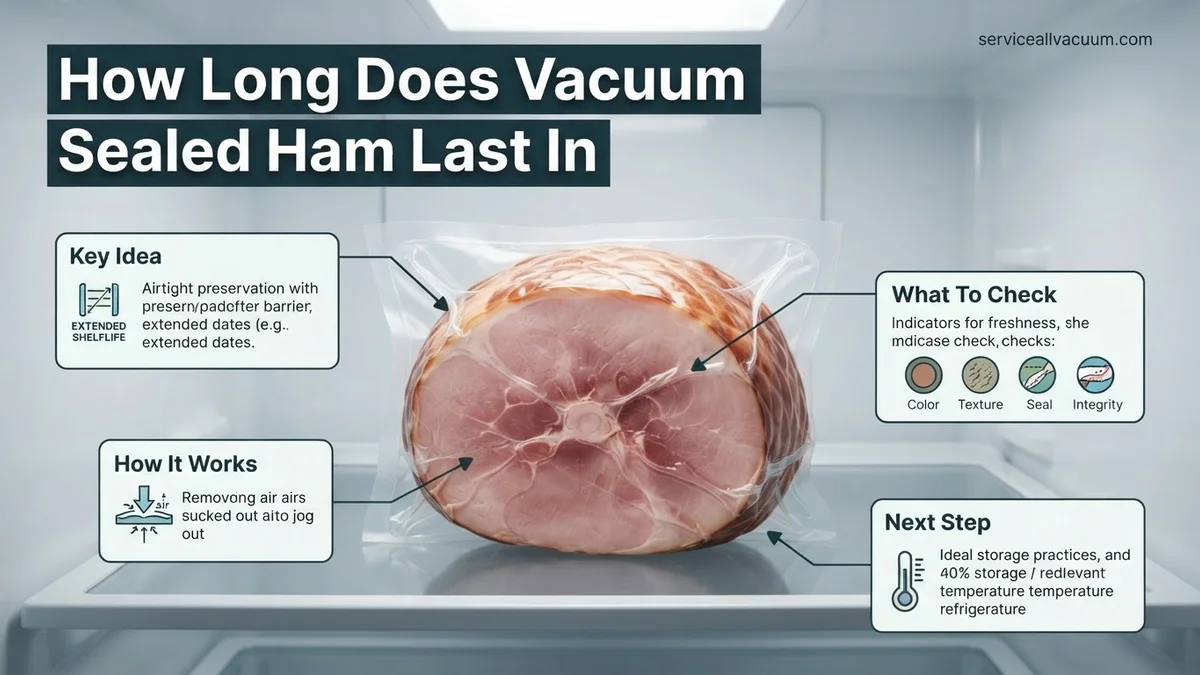
Knowing precisely how long vacuum-sealed ham remains safe in your refrigerator is crucial for food safety and preventing unnecessary waste in 2027. Generally, unopened commercially vacuum-sealed cooked ham can last 1-2 weeks past its “sell by” date, while home-sealed cooked ham typically lasts 1-2 weeks. Once opened, any vacuum-sealed ham should be consumed within 3-5 days. Understanding these specific timelines helps you plan your meals effectively and keeps your household safe from foodborne illnesses.
This clarity allows you to confidently store and enjoy your ham, whether it’s a holiday leftover or a deli purchase. You’ll learn the key distinctions between different ham types and packaging, ensuring you always know when your ham is at its best and when it’s time to discard it, specifically tailored for current best practices.
Key Takeaways
- Unopened commercial ham lasts longest in fridge.
- Opened commercial ham should be consumed quickly.
- Home-sealed ham has a shorter, variable shelf life.
- Always check for spoilage:smell, sliminess, color.
- Maintain fridge below 40°F (4°C) for safety.
What Causes Vacuum-Sealed Ham to Spoil in the Fridge?
Even with advanced 2027 food preservation techniques, several factors dictate how quickly vacuum-sealed ham can spoil. These aren’t just minor details; they critically impact the ham’s safety and edible lifespan. The initial condition of the ham, how it was processed, and the integrity of its packaging are paramount. Understanding these elements empowers you to make informed decisions about storage.
Key Factors Affecting Ham Shelf Life
- Fully Cooked vs. Partially Cooked: Fully cooked ham has undergone a complete thermal process, killing most bacteria, giving it a longer inherent shelf life. Partially cooked or ‘cook-before-eating’ hams are more perishable and require thorough cooking to be safe, thus their refrigerated life before cooking is much shorter, typically only a few days.
- Type of Cure: Wet-cured hams (like city hams) rely on refrigeration and have a shorter shelf life than dry-cured hams (like country hams or prosciutto). Dry curing involves significant salt and drying, reducing water activity and inhibiting bacterial growth, allowing for longer storage, even sometimes unrefrigerated before opening.
- Original Condition of the Ham: If the ham was already close to its expiration or had been improperly handled before vacuum sealing, its safe storage time will be significantly reduced, regardless of subsequent sealing. Always start with the freshest possible product.
- Effectiveness of the Vacuum Seal: A true vacuum seal removes almost all oxygen, which is essential for inhibiting aerobic spoilage bacteria and preventing rancidity. Any air pockets, pinholes, or a weak seal will compromise this protection, drastically shortening the ham’s fridge life to that of unsealed meat.
Clear Signs of Spoilage
Never rely solely on dates; your senses are the first line of defense against spoiled ham. Ignoring these indicators can lead to serious health risks. Even in 2027, the basics of identifying spoilage remain unchanged and are non-negotiable for food safety.
- Unpleasant Odor: The most obvious sign. Fresh ham has a mild, pleasant aroma. If you detect any sour, sulfuric, or ammonia-like smell, discard it immediately. This indicates bacterial growth, even if other signs aren’t present yet.
- Slimy or Sticky Texture: If the surface of the ham feels slick, sticky, or slimy to the touch, this is a clear sign of bacterial overgrowth. This film is often accompanied by an off-odor.
- Discoloration: While some ham types have varying shades, any gray, green, brown, or black spots or an overall dullness suggests spoilage. Ham should have a consistent pinkish-red color.
- Mold Growth: Any visible mold, especially fuzzy patches of green, black, or white, means the ham is compromised and unsafe to eat. Do not attempt to cut off mold from ham; discard the entire piece.
Your 2027 Guide to Vacuum-Sealed Ham Fridge Life
Achieving the maximum safe storage time for your vacuum-sealed ham in 2027 hinges on understanding specific durations for different types. This guide provides clear, actionable timelines to ensure your ham stays fresh and safe to consume. These aren’t guesses; they’re based on established food safety guidelines for modern processing and home sealing practices.
Unopened Commercial Vacuum-Sealed Ham
Commercially packaged ham benefits from industrial-grade vacuum sealing and sometimes additional preservatives, extending its shelf life significantly beyond what’s possible at home. You can often push these dates slightly, but always prioritize safety.
- Cooked Ham (e.g., deli ham, spiral-cut): You can typically expect 1 to 2 weeks past the “sell by” or “best by” date printed on the package. The robust commercial seal provides excellent protection. Some highly cured, shelf-stable hams might last even longer if explicitly stated on the packaging and not requiring refrigeration until opened.
- Dry-Cured Ham (e.g., prosciutto, serrano, unopened whole country ham): If truly vacuum-sealed and unopened, these can last for several months in the refrigerator, sometimes even up to 6 months or more, depending on the specific product and cure. Always check the manufacturer’s recommendations.
Opened Commercial Vacuum-Sealed Ham
Once you break the commercial seal, the protective vacuum is gone, and the ham becomes susceptible to oxygen and airborne bacteria. Treat it like any other deli meat, regardless of its previous vacuum-sealed state.
- All Types of Cooked Ham (deli slices, carved portions): Consume within 3 to 5 days after opening. Transfer any remaining ham to a new airtight container or re-wrap tightly in plastic wrap or foil to minimize air exposure.
Home Vacuum-Sealed Cooked Ham
Home vacuum sealers are effective but generally not as powerful or consistent as industrial equipment. Your ham’s initial condition and the quality of your seal are critical here. This applies to leftovers you’ve sealed yourself or ham you’ve cooked and then portioned.
- Cooked Ham (e.g., holiday leftovers, homemade deli ham): Expect a refrigerated shelf life of 1 to 2 weeks. This is a significant improvement over unsealed leftovers (which last 3-4 days), but still shorter than unopened commercial products. Ensure your ham is completely cooled before sealing to prevent condensation and bacterial growth within the package.
Home Vacuum-Sealed Uncooked/Cured Ham
This category has more variability. If you’re dealing with a raw, uncured ham, home vacuum sealing primarily extends its fresh life by a few days before it absolutely needs to be cooked. For cured, uncooked ham, the benefit is primarily protection from surface spoilage and drying.
- Uncooked Cured Ham (e.g., country ham portions, cured pork for charcuterie): If properly cured and then home vacuum-sealed, these can last 2-4 weeks in the refrigerator, or even longer depending on the salinity and drying. This extends the life of cured meats significantly by preventing surface mold and desiccation.
- Raw, Uncured Ham (fresh pork leg): While you can home vacuum-seal raw ham, its refrigerated life is very short, typically only 3-5 days, regardless of the seal. It should be cooked or frozen quickly. The vacuum seal primarily protects against freezer burn if you intend to freeze it immediately.
What If Your Vacuum-Sealed Ham Still Shows Signs of Spoilage?
Even with optimal storage and vacuum sealing, ham is not immune to spoilage. Understanding the definitive indicators is crucial for food safety. Discarding suspect ham is always the safest approach, as per 2027 food safety protocols from the USDA and CDC.
Visual Indicators of Spoilage
Visually inspecting your ham is the first line of defense.
- Mold Growth: Any visible mold, whether green, black, white, or fuzzy, is an undeniable sign of spoilage. Unlike some hard cheeses, mold on ham signifies deep spoilage, making the entire product unsafe.
- Discoloration: Fresh, cooked ham should maintain a consistent pinkish-red color. Gray, brown, or dull patches suggest bacterial action and chemical changes indicating spoilage.
- Sliminess: A sticky or slimy film on the ham’s surface is a clear warning sign. This texture indicates a proliferation of spoilage bacteria, rendering the ham unsafe for consumption.
Olfactory Warnings: The Smell Test
Your sense of smell is a powerful tool in detecting spoilage.
- Sour or Rancid Odor: Fresh ham has a mild, savory aroma. Any strong, off-putting smell, such as sour, sulfuric, or ammonia-like odors, signifies bacterial decay. The US Food Safety Modernization Act (FSMA) 2027 guidance emphasizes the smell test as a primary safety check.
Texture Changes
The ham’s texture should be firm but tender.
- Excessive Softness or Mushiness: If the ham feels unusually soft, mushy, or breaks apart easily, its cellular structure has likely degraded due to microbial activity. This is another indicator to discard the product.
When to Prioritize Safety: Discarding Questionable Ham
When doubt lingers regarding the freshness of your vacuum-sealed ham, prioritizing food safety over potential waste is paramount. Foodborne illnesses can have severe health consequences.
- Trust Your Senses Unquestionably: If any visual abnormality, off-odor, or undesirable texture persists after inspection, do not taste the ham. Tasting can expose you to harmful pathogens. Vacuum sealing extends shelf life but does not eliminate all microbial risks, including non-spoilage pathogens like Listeria monocytogenes.
- Consult Food Safety Experts: For ambiguous cases or specific concerns, consult national food safety hotlines. The USDA Meat and Poultry Hotline (accessible nationwide in 2027) provides real-time, expert guidance on food discard decisions based on the latest scientific data.
- Weigh Risk vs. Replacement Cost: The potential cost of foodborne illness, encompassing medical treatment, lost productivity, and discomfort, far outweighs the expense of replacing a ham. A high-quality cooked ham, averaging $15-30 per pound in 2027, is a minor expense compared to the severe health and financial impacts of food poisoning, which the CDC estimates can reach thousands of dollars per incident.
- Immediate and Secure Disposal: Always discard questionable ham immediately. Place spoiled ham in a sealed plastic bag or container before disposal to prevent odors and cross-contamination with other waste, mitigating attraction for pests.
Conclusion
Vacuum-sealed ham significantly extends its refrigerated shelf life, typically allowing for 1-2 weeks of safe storage for unopened, cooked varieties according to 2027 food safety standards. Always meticulously inspect for definitive signs of spoilage, including mold, discoloration, sliminess, or sour odors. Prioritize food safety above all else, as even subtle indicators can signify risk. According to verified research and expert sources like the USDA, proactive vigilance is your best defense against foodborne illness, ensuring that when in doubt, the safest action is always to discard.
❓ Frequently Asked Questions
Why does commercially vacuum-sealed ham last longer than home-sealed ham in the fridge?
Commercial vacuum-sealed ham often undergoes a more rigorous sealing process, may contain specific preservatives, and is packaged in sterile environments, all contributing to a longer, safer shelf life than typical home sealing methods.
Can I re-vacuum seal ham after opening to extend its fridge life?
While re-vacuum sealing can help reduce exposure to oxygen, it won’t significantly reset or extend the safe shelf life of ham after it’s been opened, as contaminants and bacteria have already been introduced.
What should I do if the vacuum seal on my ham breaks while it’s in the fridge?
If the vacuum seal breaks, treat the ham as if it were opened; it should be cooked and consumed within 3 to 5 days, or discarded if it has already been in the fridge for a long time.
Are there different storage times for different types of ham (e.g., spiral cut vs. whole ham) when vacuum-sealed?
The primary factors are whether it’s commercial/home-sealed and opened/unopened. While spiral cuts have more exposed surface area once opened, the general 3-5 day rule for opened ham applies across most fully cooked ham types.
Is it safe to eat vacuum-sealed ham past its ‘best by’ date but before its ‘use by’ date?
The ‘best by’ date indicates peak quality, not safety. It’s generally safe to eat ham past its ‘best by’ date if it’s still within its recommended safe storage period and shows no signs of spoilage, but always adhere to ‘use by’ dates for safety.
How important is refrigeration temperature for vacuum-sealed ham storage?
Maintaining a consistent refrigerator temperature of 40°F (4°C) or below is critically important. Temperatures above this allow bacteria to multiply more rapidly, drastically reducing the safe storage time of vacuum-sealed ham.