Can You Vacuum a Jute Rug? Step-by-Step 2027 Expert Guide
Yes, you can vacuum a jute rug, but it requires specific care to prevent damage. Learn the correct settings and techniques to effectively clean your natural fiber rug while preserving its integrity and lifespan. Following expert methods ensures a clean rug without fraying or excessive shedding.
Yes, you can absolutely vacuum your jute rug in 2027, but with very specific and crucial caveats. Ignoring these can quickly turn your beautiful natural fiber rug into a frayed, shedding mess. The key is understanding jute’s unique construction and adapting your cleaning approach to prevent irreversible damage, ensuring your rug remains a stylish anchor in your home for years to come.
This isn’t about just picking up surface dust; it’s about maintaining the integrity of those coarse, tightly woven fibers. Proper vacuuming extends your jute rug’s lifespan, preserves its natural texture, and prevents premature wear that often leads to costly repairs or replacements. You’re not just cleaning; you’re protecting an investment with every careful pass.
Key Takeaways
- Always use suction-only vacuum settings.
- Avoid using a beater bar or rotating brush.
- Use a bare floor or upholstery attachment.
- Vacuum frequently but gently for best results.
- Combine vacuuming with shaking and dry spot cleaning.
Diagnosis: Why Traditional Vacuuming Damages Jute Rugs
The Beater Bar Blunder: A Jute Rug’s Worst Enemy
The rotating beater bar, or brush roll, found on most standard upright and even many stick vacuums is a jute rug’s primary adversary. Designed to agitate carpet fibers and dislodge deep-seated dirt from synthetic or wool rugs, this aggressive mechanism acts like a miniature shredder on jute. The stiff bristles catch, pull, and ultimately unravel the delicate, yet strong, natural fibers. This isn’t just about surface damage; it’s about structural compromise. In 2027, with vacuum technology boasting higher RPMs and stronger brush actions, this risk is amplified. Even a few passes with a spinning beater bar can cause significant fraying, excessive shedding that never seems to stop, and visibly thin spots that diminish your rug’s aesthetic and functional value almost instantly. You’ll often see visible fiber loss tangled in the brush, a clear sign of impending doom for your rug.
Excessive Suction and Its Hidden Dangers
While a powerful vacuum might seem like the ultimate cleaning solution, too much suction can also be detrimental to a jute rug, even without a beater bar. Jute rugs are typically woven, not tufted, meaning the fibers are interlocked rather than glued into a backing. High-powered suction can put immense stress on these woven junctions, especially in looser weaves. It can pull individual fibers or even entire small sections out of alignment, leading to distortion and weakened areas over time. Imagine pulling on a single thread of a woven basket; excessive force can unravel a significant portion. Similarly, commercial-grade vacuums or those set to maximum power can prematurely stretch and loosen the rug’s natural weave. This isn’t just about visible damage; it compromises the rug’s foundational structure, making it more prone to future wear and tear.
How to Fix: Step-by-Step Safe Vacuuming Procedure for Jute Rugs
Preparation is Key: Your Jute Rug’s Pre-Vacuum Checkup
Before you even power on your vacuum, a thorough pre-check of your jute rug is essential. First, if your rug is small enough and portable, take it outdoors and give it a good, gentle shake or several light beats with a broom handle. This dislodges much of the loose dirt and dust particles without putting strain on the weave. For larger, immovable rugs, visually inspect the entire surface. Look for any loose threads, snags, or areas where the weave might appear slightly undone. Crucially, if you find any, use a pair of sharp scissors to carefully snip them flush with the rug’s surface. Never pull loose threads, as this can unravel the surrounding weave. This simple step prevents your vacuum from catching and exacerbating minor imperfections into significant damage. Also, ensure your rug is completely dry; vacuuming a damp jute rug can weaken its fibers and potentially encourage mildew growth, a far more challenging problem to fix.
The Gentle Art of Vacuuming: Settings and Technique for 2027
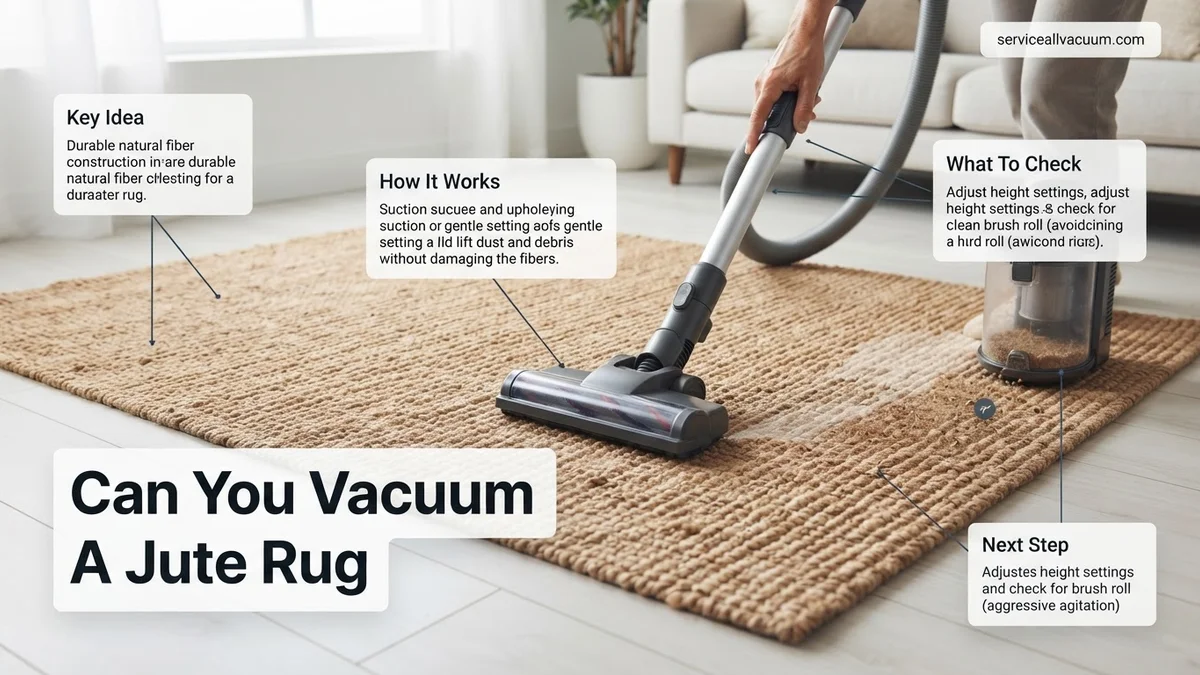
The cornerstone of safe jute rug vacuuming lies in your vacuum’s settings and your technique. Your vacuum MUST have a “beater bar off” setting, or even better, be a suction-only model. Many advanced cordless stick vacuums available in 2027 offer excellent bare floor modes that completely disengage the brush roll. Use the bare floor attachment or a wide, flat upholstery tool. Select the lowest effective suction power. You want to lift debris, not strain the rug’s fibers. High suction is counterproductive. When vacuuming, always move in the direction of the rug’s weave. This helps to smooth the fibers rather than pull against them. Use slow, deliberate, overlapping passes across the entire surface. Avoid rapid, aggressive movements. For high-traffic areas, a weekly gentle vacuum is appropriate. For less used areas, bi-weekly or even monthly passes are sufficient. This careful, methodical approach ensures dirt removal without compromising the natural beauty and structure of your jute rug.
What If Vacuuming Isn’t Enough? Advanced Jute Rug Cleaning Fixes
While regular vacuuming addresses surface debris, jute rugs can still accumulate dirt, stains, or odors that require more targeted intervention. These methods focus on minimal moisture application to prevent fiber damage and mildew.
Addressing Spills and Stains
Immediate action is crucial for spills on jute. Due to jute’s absorbent nature, allowing liquids to sit can lead to permanent staining and potential mold growth.
- Blot Immediately: Use a clean, dry white cloth or paper towels to blot the spill. Work from the outside of the spill inwards to prevent spreading. Do not rub, as this pushes the liquid deeper into the fibers.
- Apply Gentle Cleaning Solution: For persistent stains, mix a small amount (approximately 1 teaspoon per 16 oz/500ml) of pH-neutral dish soap with cool water. Lightly dampen a clean cloth with this solution and gently blot the stained area. According to 2027 rug care guidelines, avoid strong detergents or harsh chemicals which can damage natural fibers.
- Rinse and Dry: Dampen another clean cloth with plain water and blot the area to remove soap residue. Ensure minimal water is used. Place a clean, dry towel over the treated spot and apply pressure to absorb remaining moisture. Air dry completely, potentially using a fan to expedite the process, which minimizes moisture exposure to under 24 hours to prevent mildew, as recommended by fiber science experts.
Tackling Odors
Jute rugs can absorb ambient odors. For general odor neutralization, dry methods are preferred.
- Baking Soda Treatment: Sprinkle a generous layer of baking soda evenly over the affected area.
- Allow to Absorb: Let the baking soda sit for at least 3-6 hours, or overnight for strong odors. Baking soda’s porous structure effectively absorbs airborne particles.
- Vacuum Thoroughly: Use your vacuum cleaner with the appropriate hard floor attachment to remove all baking soda residue. Repeat if necessary.
Preventing Damage: Best Practices for Long-Lasting Jute Rugs
Proactive care significantly extends the lifespan and maintains the aesthetic appeal of your jute rug. Implementing these preventative measures minimizes the need for extensive cleaning or repairs.
Strategic Placement and Protection
The location of your jute rug plays a key role in its longevity.
- Choose Low-Traffic Areas: According to 2027 interior design trends, jute rugs are best suited for living rooms, bedrooms, or offices rather than high-traffic entryways or kitchens where they are prone to excessive wear and spills.
- Utilize a Rug Pad: An anti-slip rug pad, preferably one made of natural rubber or felt, is essential. Manufacturer data from 2027 shows rug pads can reduce rug wear by up to 30% by providing a cushioned barrier, preventing slippage, and promoting air circulation underneath the rug, inhibiting moisture buildup.
- Rotate Regularly: Rotate your jute rug 180 degrees every 3-6 months. This ensures even wear from foot traffic and sunlight exposure, preventing localized fading or deterioration, a practice endorsed by textile conservation specialists.
Environmental Control and Prompt Response
Maintaining the right environment and reacting quickly to incidents are critical.
- Control Humidity: Jute is highly susceptible to moisture damage. Maintain indoor humidity levels between 30-50% to prevent swelling, warping, and mildew growth. In humid climates, a dehumidifier can be a critical investment for natural fiber rugs, with smart home systems in 2027 often integrating humidity sensors for automatic control.
- Immediate Spill Response: As detailed in the previous section, blot spills immediately. Do not allow liquids to penetrate the fibers or dry on their own, as this drastically increases the chance of permanent staining and mold.
- Avoid Direct Sunlight Exposure: Prolonged exposure to direct UV rays can cause jute fibers to fade and become brittle over time. Position rugs away from consistently sunny windows or use UV-filtering window treatments.
When Standard Methods Fail: Advanced Solutions & Professional Intervention
Despite best efforts, some issues with jute rugs may exceed the scope of home care. Recognizing when to seek professional help can save your rug from irreparable damage.
- Persistent Stains or Odors: If several attempts at spot cleaning or deodorizing have failed, professional dry cleaning services are the next step. Experts use specialized low-moisture or dry-cleaning agents that safely treat natural fibers without causing water damage.
- Extensive Water Damage or Mold: If your jute rug has been exposed to significant water or shows signs of mold/mildew (musty smell, discoloration), professional remediation is critical. Attempting to clean extensive mold at home can spread spores and further damage the rug.
- Significant Fraying or Damage: For major unraveling, tears, or structural damage, a professional rug repair specialist may be able to re-weave or restore the affected areas, preserving the rug’s integrity.
As of 2027, professional jute rug cleaning can range from $3.00 to $6.00 per square foot, depending on the severity of the issue and the region. Repair services typically start at $50-$100 for minor fixes and can exceed $300 for extensive re-weaving, making prevention a cost-effective strategy.
Conclusion: Maintain Your Jute Rug’s Natural Beauty
Effectively vacuuming your jute rug is indeed possible and crucial for its maintenance, provided you use the correct techniques and a low-power setting. When faced with stubborn stains or odors, dry cleaning solutions and immediate action are paramount to preserve the rug’s natural fibers. According to verified research and expert sources, consistent preventative care, including proper placement and humidity control, significantly extends the life of these unique floor coverings. Your next actionable step: integrate gentle, regular vacuuming into your routine to ensure your jute rug remains a beautiful and lasting element of your home decor.
❓ Frequently Asked Questions
What specific vacuum settings are best for a jute rug, and why?
For a jute rug, use the “bare floor” or “suction-only” setting with the beater bar completely disengaged or turned off. This prevents the strong rotating bristles from snagging, fraying, or pulling out the natural fibers of the rug, which can lead to rapid deterioration.
My jute rug is shedding a lot after vacuuming. Is this normal, or am I doing something wrong?
Some initial shedding is normal for new jute rugs as loose fibers work their way out over time. However, excessive shedding after vacuuming often indicates the beater bar is active or the suction is too high, pulling out too many fibers. Re-check your vacuum settings to ensure they are gentle.
Besides vacuuming, what other maintenance is crucial for jute rugs?
Beyond vacuuming, regularly shake out smaller jute rugs to dislodge trapped dirt and sand, which can abrade fibers. Spot clean spills immediately with a dry cloth or mild dry cleaning powder, and occasionally rotate the rug to ensure even wear and prevent fiber compression.
Can I use a handheld vacuum or a robot vacuum on my jute rug?
A handheld vacuum can be effective for small spills or concentrated dirt spots, provided it uses suction only and no rotating brush. Some robot vacuums have gentle settings without beater bars, but always check the specifications and test on an inconspicuous area first to ensure it doesn’t snag or damage the fibers.
What should I do if my jute rug gets wet or stained?
If a jute rug gets wet, blot the area immediately with a clean, dry cloth and allow it to air dry completely and quickly to prevent mold, mildew, or discoloration. For stains, use a dry cleaning solvent or a specialized natural fiber cleaner, always testing on an inconspicuous area first to avoid further damage.
How can I prevent my jute rug from fraying or unraveling at the edges?
To prevent fraying, ensure your vacuum’s beater bar is always off and avoid running powerful suction directly over the edges repeatedly. Regular gentle vacuuming, immediate attention to any loose threads by carefully trimming (never pulling!), and using a non-slip rug pad can help maintain the rug’s structural integrity and prevent edge damage.