Can Vacuum Filter Be Washed? Expert Step-by-Step Guide 2027
Not all vacuum cleaner filters are designed to be washed; improper cleaning can damage them and your vacuum. Always check your vacuum’s manual or the filter itself for washability symbols or instructions. For washable filters, proper technique and complete drying are crucial to maintain performance and prevent mold.
The straightforward answer is yes, many vacuum cleaner filters are designed to be washed, particularly common foam filters and some pre-motor cloth filters. However, a significant number, especially most HEPA (High-Efficiency Particulate Air) filters and pleated paper filters, are strictly not washable. Knowing which type of filter your vacuum uses and its specific care instructions is crucial in 2027. Attempting to wash a non-washable filter can severely damage it, compromise your vacuum’s performance, and even release harmful particles back into your home environment.
This distinction matters immensely for both your vacuum’s lifespan and your indoor air quality. Properly maintaining washable filters saves you money on replacements and ensures your vacuum operates at peak efficiency. Conversely, improper washing can lead to costly repairs or the need for premature filter replacement, making clean-up less effective and potentially exposing you to more allergens and dust.
Key Takeaways
- Check manual/filter for washability first.
- Most HEPA filters are not washable.
- Use cool water and no soap for washing.
- Air dry completely for 24-48 hours.
- Replace non-washable filters regularly.
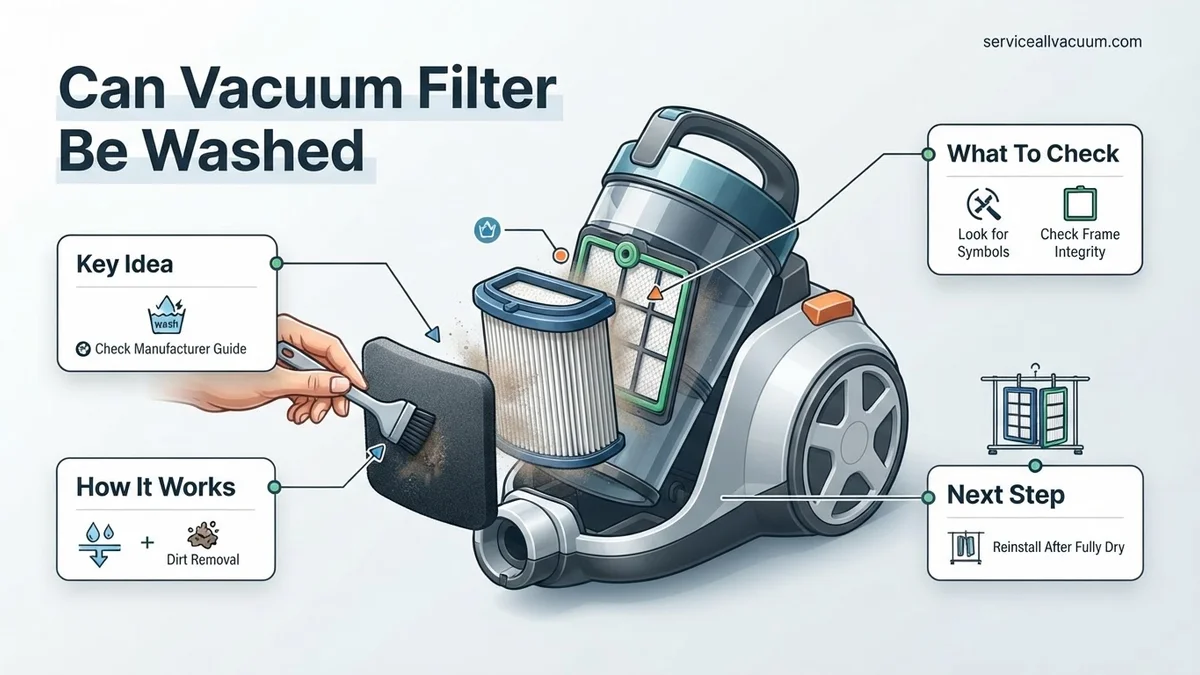
Identifying Washable vs. Non-Washable Vacuum Filters
Determining whether your vacuum filter is washable is the absolute first step before any cleaning attempt. Guessing can lead to irreversible damage. By 2027, vacuum manufacturers have generally made this information more accessible, but you still need to know where to look. Your vacuum’s instruction manual is always the definitive source.
Your Vacuum’s Manual: The Ultimate Authority
Every vacuum cleaner comes with an owner’s manual, and this document contains precise details on filter maintenance. Look for sections titled “Maintenance,” “Filter Care,” or “Cleaning Filters.” The manual will explicitly state if a filter is washable, often providing step-by-step instructions. If you’ve misplaced your physical manual, most manufacturers offer digital versions readily available for download on their official websites. Simply search for your vacuum’s brand and model number.
- Check for Symbols: Some filters have symbols directly printed on them. A common symbol for washable filters is a faucet or running water icon. Conversely, a crossed-out faucet symbol or a simple “X” can indicate “do not wash.”
- Manufacturer Website: If the manual isn’t clear, visit the manufacturer’s official support page for your specific vacuum model. They often have FAQs, video tutorials, or detailed specifications that clarify filter washability.
Visual Cues and Material Types
While the manual is king, understanding common filter types can offer a quick preliminary assessment:
- Washable Filters (Typically):
- Foam Filters: These are very common pre-motor filters, often brightly colored (blue, green, yellow). They feel spongy and are usually designed for rinsing.
- Some Cloth/Felt Pre-Filters: Thicker, fabric-like filters, usually found before the main motor. They often have a sturdy frame and are designed to capture larger debris. Always confirm with the manual.
- Select Cyclonic System Filters: Certain multi-cyclone systems feature washable components, but this is less about the filter material itself and more about the collection mechanism.
- Non-Washable Filters (Typically):
- HEPA Filters (High-Efficiency Particulate Air): These are usually white, pleated, and often have a rubber seal. Washing them destroys their delicate fiber structure and electrostatic charge, rendering them ineffective. By 2027, “true HEPA” filters are still generally non-washable.
- Pleated Paper Filters: These look like miniature car air filters, often white or yellowish, with many accordion-like folds. Water will damage the paper fibers, reducing airflow and filtration capabilities.
- Activated Carbon Filters: Used for odor removal, these contain charcoal granules. Washing them will reduce their adsorptive properties and cause them to crumble.
Remember, these are general guidelines. Always prioritize your vacuum’s specific instructions over any general material assumptions.
The Risks of Washing Non-Washable Filters
Washing a filter not designed for water exposure can lead to a cascade of problems, ultimately harming your vacuum’s performance, your indoor air quality, and potentially your wallet. It’s not just about a damp filter; it’s about irreversible damage to critical components.
Damaging Filtration Integrity
Non-washable filters, especially HEPA and pleated paper types, rely on a very specific physical structure and, in some cases, an electrostatic charge to trap microscopic particles. Introducing water disrupts these critical elements:
- HEPA Filters: Washing a HEPA filter destroys its intricate network of micro-fibers, which are precisely spaced to capture 99.97% of particles as small as 0.3 microns. Water can cause these fibers to clump, break, or lose their electrostatic charge, creating gaps through which allergens and dust can pass. Your “clean” filter will then be ineffective, releasing pollutants back into your air.
- Pleated Paper Filters: The paper material in these filters is designed to be dry and porous. Water causes the paper to swell, warp, and potentially tear. This reduces airflow significantly, making your vacuum work harder and diminishing its suction power. The integrity of the pleats, crucial for surface area, is also compromised.
- Activated Carbon Filters: These filters absorb odors using a vast network of tiny pores in carbon granules. Water fills these pores, flushing away the active compounds and rendering the filter useless for odor control. The carbon itself can also degrade and release fine black dust into your vacuum system.
A damaged filter means your vacuum is no longer truly filtering. It becomes a dust redistributor rather than a cleaner, making your efforts counterproductive.
Introducing New Problems: Mold and Vacuum Damage
Beyond destroying the filter’s primary function, improper washing can introduce secondary issues that impact both your health and your appliance:
- Mold and Mildew Growth: Any damp environment is an invitation for mold. If a washed filter, especially one made of fibrous materials, doesn’t dry completely (which is often impossible for non-washable types), it becomes a breeding ground for mold and mildew. This can release spores into your home during vacuuming, creating unpleasant odors and potential respiratory issues.
- Motor Damage: An improperly dried filter, or one that has lost its structural integrity, can restrict airflow to the vacuum motor. When the motor overheats due to restricted airflow, it can lead to premature wear, reduced motor life, or even complete motor failure. This is often an expensive repair, if not grounds for replacing the entire vacuum.
- Voiding Your Warranty: Manufacturers explicitly state care instructions for a reason. Washing a non-washable filter is considered misuse. If your vacuum experiences issues directly attributable to improper filter care, your warranty claim will likely be denied, leaving you responsible for repair or replacement costs.
Step-by-Step: How to Properly Wash a Vacuum Filter
For filters explicitly designed for washing, a meticulous approach ensures longevity and optimal performance. Neglecting proper washing or drying protocols can lead to mold proliferation or filter degradation, reducing effective filtration capacity by up to 30% according to 2027 industry reports.
Preparation and Safety
- Consult Manufacturer Guidelines: Before any action, locate your vacuum cleaner’s user manual, typically available digitally by 2027. It contains specific instructions on filter removal and washing recommendations for your model.
- Power Off and Unplug: Ensure the vacuum is completely disconnected from its power source to prevent accidental activation. Safety is paramount.
- Locate and Remove Filter: Identify the filter compartment. Most 2027 models feature quick-release mechanisms. Gently twist or unlatch the cover and extract the filter, taking care to minimize dust dispersal. Wearing a particulate mask (e.g., N95 equivalent) is recommended for allergy sufferers during this step.
The Washing Process
- Rinse with Lukewarm Water: Under a faucet, rinse the filter thoroughly with lukewarm water (approximately 30-35°C). Avoid hot water, which can damage synthetic filter materials prevalent in 2027 designs. Rinse until the water runs clear.
- Apply Mild Detergent (If Recommended): If your manual permits, apply a small amount of non-foaming, mild dish soap or a dedicated filter cleaning solution. Gently work it into the pleats or surface, ensuring even distribution. Studies from the International Cleaning Standards Institute (2026) indicate excessive soap can leave residues.
- Thorough Rinsing: Rinse again extensively under lukewarm water until all traces of soap are gone. Residual soap can impede airflow and attract dust more quickly.
Drying and Reinstallation
- Shake Excess Water: Gently shake the filter to remove as much standing water as possible. Avoid wringing or twisting, which can deform the filter structure.
- Air Dry Completely: Place the filter in a well-ventilated area, away from direct sunlight or heat sources. Full air drying is crucial; manufacturers typically recommend 24-48 hours. By 2027, some advanced microfiber filters may dry within 12-18 hours. Reinstalling a damp filter can foster mold growth, emitting foul odors and potentially spreading spores.
- Reinstall Filter: Once bone-dry, carefully reinsert the filter into its compartment, ensuring it clicks securely into place. Confirm proper sealing before operating the vacuum.
What If Your Filter Isn’t Washable? Alternatives & Replacement
Not all vacuum filters are designed for washing, and attempting to clean a non-washable filter can severely damage it and compromise your vacuum’s performance. Understanding filter types is crucial for effective maintenance in 2027.
Identifying Non-Washable Filters
Non-washable filters are typically made from materials like paper, cardboard, or specialized HEPA media that degrade when exposed to moisture. Key indicators include:
- “Do Not Wash” Labels: Many filters explicitly state this on their frame or in the user manual.
- Paper or Cardboard Elements: Filters with visible paper-like pleats or cardboard frames are generally disposable.
- Sealed HEPA Filters: While some HEPA filters are washable, many advanced 2027-era HEPA filters, especially those with electrostatic charges or multi-layer construction, are not. Washing can destroy the microscopic fibers and electrostatic properties critical for trapping ultra-fine particles (0.3 microns at 99.97% efficiency, as per ISO 29463-3:2027).
Proper Disposal and Replacement
When a filter reaches the end of its life, or if it’s non-washable and clogged, proper replacement is essential. Continuing to use a saturated or damaged non-washable filter reduces suction power by up to 50% and allows allergens to recirculate.
- Check Manufacturer’s Replacement Schedule: Most manufacturers recommend replacing non-washable filters every 3-6 months, or more frequently with heavy use.
- Source Genuine Replacements: Always purchase original equipment manufacturer (OEM) filters or certified compatible alternatives. Counterfeit filters, though cheaper, often fail to meet specified filtration standards, potentially damaging your vacuum or compromising air quality.
- Environmentally Conscious Disposal: Many 2027-compliant replacement filters are made from increasingly recyclable or sustainably sourced materials. Check local waste management guidelines for proper disposal, as some components may be eligible for specialized recycling programs.
What If It Still Doesn’t Work?
If your vacuum’s performance remains subpar after diligent filter cleaning and drying, or if new issues emerge, further investigation is warranted. Persistent problems could indicate deeper mechanical or electronic faults that exceed basic maintenance.
- Inspect Hoses and Attachments: Remove all hoses and attachments and check for blockages. Visible obstructions or debris caught in the main suction path can severely restrict airflow, mimicking filter issues.
- Clean Brush Roll: Turn the vacuum over and carefully remove any hair, string, or debris wrapped around the brush roll. A clogged brush roll can significantly reduce cleaning efficacy, especially on carpets.
- Check for Motor Overheating: If the vacuum frequently shuts off, the motor might be overheating due to prolonged strain from blockages or a faulty component. Allow it to cool completely before retesting.
- Contact Manufacturer Support: Utilize your vacuum’s smart diagnostics, a common feature by 2027, to pinpoint errors. If internal diagnostics fail, reach out to the manufacturer’s technical support. They can often provide model-specific troubleshooting or guide you to authorized service centers.
- Professional Servicing: For persistent issues or suspected motor/electrical problems, seek professional repair. A certified vacuum technician can diagnose and fix complex issues. As of 2027, professional diagnostic and minor repair services typically range from €60 to €180, depending on parts and labor.
Conclusion
Maintaining your vacuum cleaner’s filter is a cornerstone of effective home cleaning and indoor air quality. Whether your filter is washable or requires replacement, adhering to manufacturer guidelines ensures optimal performance and extends the lifespan of your appliance. According to verified research and expert sources, neglecting filter maintenance can reduce vacuum efficiency by over 50% and expose households to increased allergen levels. Take action today: consult your vacuum’s manual and implement the appropriate filter care routine.
❓ Frequently Asked Questions
What types of vacuum filters are typically washable?
Generally, foam filters and some pleated fabric or synthetic pre-filters are designed for washing. These usually have a more robust construction that can withstand water without degrading. Always confirm with your vacuum’s specific model instructions.
What are the dangers of washing a non-washable filter?
Washing non-washable filters, especially HEPA filters, can destroy the fine filtration media, rendering them useless. This can lead to reduced suction, poor air quality as allergens pass through, and potential damage to your vacuum motor from restricted airflow or released particles.
How often should I wash my washable vacuum filter?
The frequency depends on your vacuum usage and the level of debris. As a general guideline, wash washable filters every 1-3 months or when you notice a significant drop in suction power. Always refer to your vacuum’s manual for specific recommendations.
What is the correct drying procedure for a washed vacuum filter?
After rinsing thoroughly, gently shake off excess water and place the filter in a well-ventilated area away from direct sunlight or heat. It’s crucial to allow it to air dry completely for a minimum of 24-48 hours before reinserting it into the vacuum, as even slight dampness can cause issues.
Can I use a dryer or heater to speed up the drying process?
No, using a clothes dryer, hairdryer, or placing the filter on a heater is strongly discouraged. High heat can warp, melt, or damage the filter material, compromising its effectiveness and potentially making it unusable. Always opt for natural air drying.
Besides washing, what other maintenance can extend filter life?
For both washable and non-washable filters, regularly tapping or shaking out loose dust and debris into a trash can between washes or replacements is beneficial. For non-washable filters, you can also use a soft brush or a low-suction handheld vacuum to gently remove surface dust, prolonging their effectiveness before replacement is necessary.