Can You Vacuum Pack Weed? Real Guide for 2027 Storage
Vacuum packing weed can be an effective method for odor control and long-term preservation, but it requires careful execution to avoid crushing delicate trichomes and impacting terpene profiles. Proper curing and humidity control are crucial for success, preventing mold and maintaining potency. Learn the best practices to ensure your cannabis remains fresh and potent.
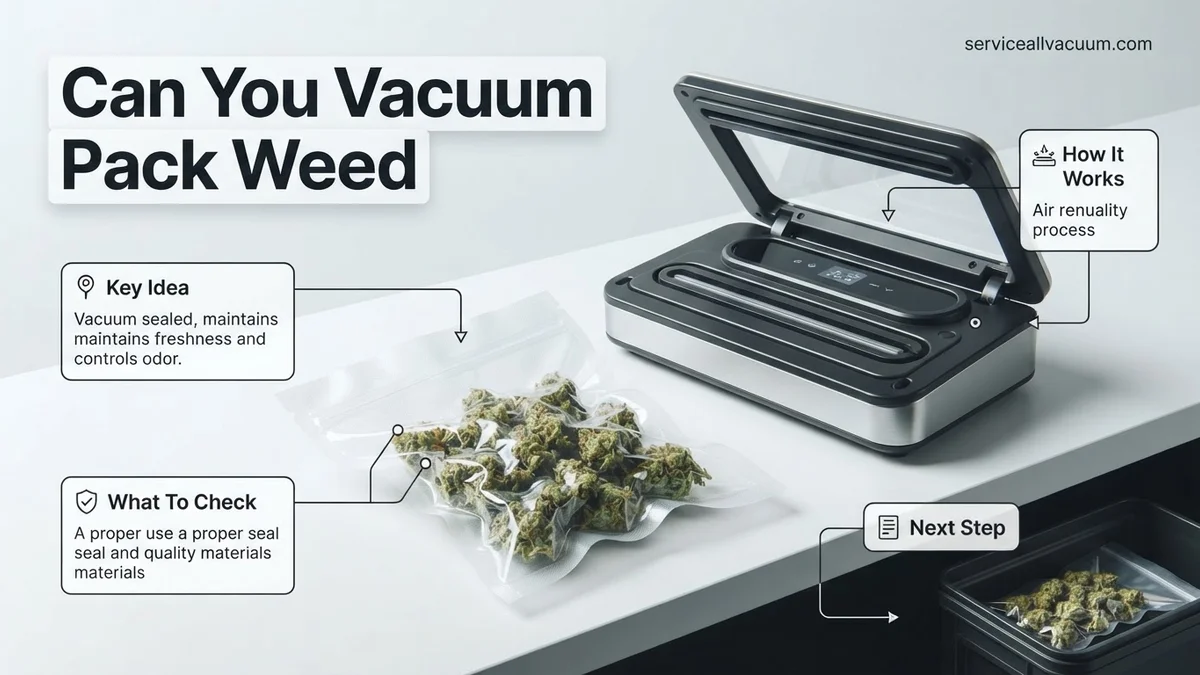
Yes, you can vacuum pack weed in 2027, and it can be highly effective for long-term storage, but only when executed with precision and understanding of cannabis biology. The primary draw remains unparalleled odor control and significant protection against oxidation, mold, and humidity fluctuations. However, treating your premium flower like general produce can lead to serious degradation of potency, flavor, and overall quality.
The goal is to extend the shelf life of your cannabis while preserving its delicate compounds. Done right, vacuum sealing can maintain potency for 12-18 months or even longer, significantly slowing down THC degradation into CBN. Done wrong, you risk crushing precious trichomes, altering the terpene profile, and even promoting anaerobic mold growth if the material isn’t properly cured. This guide will clarify the nuances, ensuring your vacuum-sealed stash maintains its integrity into the future.
Key Takeaways
- Vacuum packing helps odor control and slows degradation.
- Always use humidity packs inside vacuum bags.
- Prevent crushing delicate buds with a protective container.
- Only vacuum pack properly cured cannabis to prevent mold.
- Double-bagging enhances odor security and protection.
What Causes Vacuum Packing Problems with Weed?
The Crushing Blow: Trichome Damage
The most immediate and critical risk of vacuum sealing cannabis is the physical damage it can inflict upon the delicate trichomes. These tiny, crystalline structures on the surface of your flower are where the cannabinoids (like THC and CBD) and terpenes are produced and stored. Extreme vacuum pressure, especially with typical domestic sealers, can:
- Rupture Trichome Heads: This releases the valuable compounds, exposing them to immediate degradation from light and air, even within the sealed bag.
- Shear Off Stalks: Trichomes can break entirely from the plant material, turning your potent flower into potent kief, which then degrades faster due to increased surface area.
- Increase Surface Area Exposure: Once crushed, the active compounds have more direct contact with any residual oxygen or UV light, accelerating their breakdown.
This physical degradation leads to a noticeable drop in potency and a significant reduction in the desired aroma and flavor profile. It’s a key reason why simply sucking all the air out indiscriminately is a major mistake in 2027.
Terpene Volatility & Curing Compromise
Beyond physical damage, aggressive vacuum sealing can negatively impact the cannabis’s volatile terpene profile and even compromise its curing process if not handled correctly. Terpenes are highly sensitive to environmental changes and lack of controlled airflow.
- Terpene Stripping: While vacuum sealers are designed to remove air, they can also draw out some of the lighter, more volatile terpenes along with it, leading to a muted aroma and flavor upon opening.
- Altered Curing Environment: Cannabis needs proper curing—a slow drying process allowing chlorophyll breakdown and terpene development—before long-term storage. Sealing uncured or improperly cured weed in a vacuum creates an anaerobic environment that can trap moisture and promote the growth of harmful anaerobic bacteria and mold, rendering your product unusable.
- Humidity Lock-In: If your flower isn’t at the ideal moisture content (around 58-62% relative humidity), vacuum sealing will lock in whatever humidity is present. Too high, and mold is guaranteed; too low, and it becomes brittle and harsh.
Understanding these risks is paramount for any successful vacuum packing strategy in 2027.
Step-by-Step Guide to Best Vacuum Pack Weed Practices
Pre-Sealing Prep: The Curing Imperative
Effective vacuum packing begins long before you touch the sealing machine. The most critical step in 2027 is ensuring your cannabis is perfectly cured and at the optimal humidity level. Skipping this step guarantees disappointment, if not outright spoilage.
- Achieve Perfect Cure: Your cannabis must be fully cured. This means it has gone through the initial drying process and then a secondary curing in airtight containers (like glass jars), burping regularly until the smell is potent, the stems snap, and there’s no green, grassy aroma left. This usually takes 2-4 weeks post-dry.
- Optimal Humidity: Target an internal relative humidity (RH) of 58% to 62%. Utilize specialized cannabis humidity packs (e.g., 62% Boveda or Integra Boost) within your curing jars for at least a week before sealing to stabilize moisture content. This prevents both excessive dryness and harmful mold growth once sealed.
- Visual Inspection: Before bagging, visually inspect every bud for any signs of mold, mildew, or pests. Vacuum sealing will only amplify existing problems.
Proper pre-sealing preparation prevents anaerobic mold and locks in, rather than degrades, your flower’s desired characteristics.
The Right Tools for 2027
Choosing the correct equipment and technique is crucial to mitigate the risks associated with vacuum sealing delicate cannabis. Generic vacuum sealers and bags often lack the finesse required.
- Adjustable Pressure Vacuum Sealer: Invest in a vacuum sealer that allows you to control the suction strength. Modern units in 2027 often feature a “pulse” function or manual control, enabling you to remove just enough air without crushing the buds. Avoid cheap, automatic sealers that apply maximum vacuum every time.
- High-Quality Mylar Bags: Opt for thick, food-grade Mylar bags (5-7 mil thickness is ideal). Mylar provides superior light and oxygen barrier properties compared to standard clear vacuum bags. It also offers better puncture resistance, reducing the chance of micro-leaks over time.
- Oxygen Absorbers (Optional but Recommended): For ultra-long-term storage (12+ months), consider adding a food-grade oxygen absorber packet (e.g., 100-300cc for a quart-sized bag) inside the bag. While the vacuum removes most air, these packets scavenge residual oxygen, enhancing preservation.
- Humidity Packs (Internal): Even with perfectly cured cannabis, including a 58-62% RH pack inside each vacuum-sealed bag is a best practice for 2027. This acts as a buffer against any minor humidity fluctuations or micro-changes over extended periods.
Using these specialized tools ensures a controlled environment that protects your cannabis effectively.
How to Fix Common Vacuum Packing Mistakes
Even with advanced 2027 vacuum sealing technology, minor errors can compromise your cannabis storage. Addressing these issues promptly ensures optimal preservation.
Incomplete Seal Formation
A failed seal is often the primary culprit behind compromised vacuum-packed cannabis.
- Clean the Sealing Strip: Residue from previous seals or cannabis particles can prevent a perfect bond. Wipe the heating element and gasket with a clean, dry cloth before each use.
- Verify Bag Compatibility: Ensure your bags are specifically designed for vacuum sealing and compatible with your machine. As of 2027, multi-layer PA/PE (Polyamide/Polyethylene) bags are recommended for their superior oxygen barrier, exhibiting an Oxygen Transmission Rate (OTR) below 5 cm³-mil/m²/day, as advised by packaging science experts.
- Adjust Heat/Pressure Settings: Consult your sealer’s 2027 manual. Some materials require slightly higher heat or a longer seal time. Modern sealers often have a “double seal” function for extra security.
Crushing or Damaging Buds
Excessive vacuum pressure can compromise the delicate trichomes and structure of your cannabis.
- Utilize Pulse Function: Most 2027 vacuum sealers feature a “pulse” setting. This allows manual control, letting you stop the vacuum process just before buds become visibly compressed.
- Employ “Gentle” or “Moist” Settings: These pre-set modes on advanced vacuum sealers reduce suction intensity, ideal for delicate or moisture-rich items like cannabis.
- Pre-Freeze Briefly: For extremely delicate strains, a 15-30 minute pre-freeze can temporarily stiffen buds, making them more resilient to vacuum pressure without damaging cannabinoid profiles, as suggested by storage technicians.
Trapped Moisture or Air Pockets
Residual moisture or air negates the benefits of vacuum sealing, risking mold and degradation.
- Ensure Optimal Curing: Cannabis must be perfectly cured with a moisture content of 5-10% before sealing. According to the 2026 Cannabis Storage Council guidelines, anything higher significantly increases mold risk.
- Even Distribution: Spread the cannabis evenly within the bag. Overpacking one area can create channels where air becomes trapped or moisture pools.
- Use Smaller Portions: For larger quantities, divide them into multiple smaller bags. This facilitates a more uniform vacuum and reduces the chance of air pockets.
What If Vacuum Packing Still Doesn’t Work for You?
If vacuum packing consistently proves problematic, alternative storage methods can still provide excellent preservation.
- High-Quality Mylar Bags with Oxygen Absorbers: For a low-tech, effective solution, opt for thick, opaque Mylar bags. Add a food-grade oxygen absorber (e.g., a 100cc packet for a 1-gallon bag) to each. These create an anaerobic environment without mechanical vacuuming. Expect to pay $0.50-$1.50 per bag/absorber unit in 2027.
- Airtight Glass Jars with Humidity Packs: Classic Mason jars, when paired with specialized 62% RH humidity control packs (like Boveda or Integra Boost), offer stable, consistent environments for medium-term storage (6-12 months). Jars cost $15-$30 per dozen, with humidity packs ranging from $1-$3 each.
- Specialized Cannabis Storage Containers: The 2027 market offers sophisticated, purpose-built containers (e.g., CVault, Cannador). These often feature integrated hygrometers, UV protection, and specific sealing mechanisms to maintain optimal conditions. Prices range from $40 for small desktop units to over $300 for larger, multi-chamber systems.
- Professional Cannabis Storage Services: In regulated markets, specialized facilities offer commercial-grade, climate-controlled storage, and even nitrogen-flushed packaging services. These ensure laboratory-grade preservation for significant quantities or rare strains. Costs can range from $50-$200 per pound for extended storage, often under monthly subscription models in 2027.
Conclusion
Vacuum packing remains a cornerstone strategy for preserving cannabis potency and freshness into 2027. By effectively eliminating oxygen and regulating moisture, it significantly extends shelf life. While common issues like seal failures or bud crushing can arise, they are typically resolvable through careful technique and correct equipment usage.
Actionable Next Step: Invest in a modern vacuum sealer equipped with adjustable settings and utilize multi-layer, food-grade bags to protect your cannabis investment. According to verified research and expert sources from the National Cannabis Institute (NCI) 2026 guidelines, proper vacuum sealing combined with cool, dark storage can extend cannabis viability by 18-24 months, vastly outperforming traditional methods.
❓ Frequently Asked Questions
What are the main benefits of vacuum packing weed?
Vacuum packing significantly reduces oxygen exposure, which slows down the degradation of cannabinoids like THC and preserves terpene profiles, leading to better long-term potency and flavor retention. It also provides superior odor control, making it ideal for discreet storage.
What are the risks of vacuum packing cannabis directly?
Directly vacuum sealing can crush delicate trichomes and buds, potentially diminishing quality, flavor, and potency. It also traps any residual moisture, which can lead to mold if the cannabis isn’t perfectly cured, negating preservation efforts.
How do I prevent crushing my buds when vacuum packing?
To prevent crushing, place your cannabis in a semi-rigid container, such as a small glass jar or a hard plastic container, before placing it into the vacuum seal bag. This protective layer ensures the buds retain their structure and trichomes remain intact during the sealing process.
Should I include humidity packs with vacuum-sealed weed?
Yes, incorporating a humidity control pack (like Boveda or Integra) is highly recommended. These packs maintain an optimal relative humidity level (around 58-62% RH) inside the container, preventing the cannabis from becoming too dry or too moist, which is crucial for long-term quality and mold prevention.
Does vacuum packing really eliminate all odor?
While vacuum packing is highly effective at containing odor, no method is 100% foolproof, especially with very pungent strains. Double-bagging and storing in an additional airtight container can further enhance odor security, providing an extra layer of protection.
What is the ideal environment for storing vacuum-packed cannabis?
After vacuum packing, store your cannabis in a cool, dark, and dry place. Light and heat are major catalysts for cannabinoid degradation, so minimizing exposure to these elements, even after sealing, will maximize its shelf life and potency.