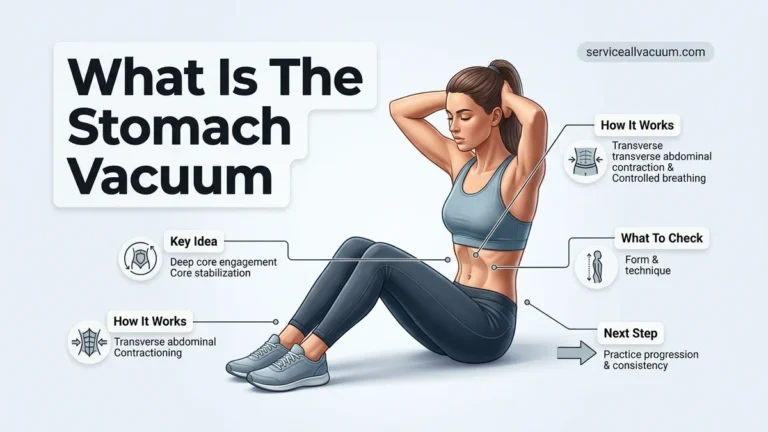
Are Stomach Vacuums Healthy Real Health Benefits of 2027
Stomach vacuums, when performed correctly, can be a highly beneficial exercise for strengthening your deep core muscles and improving posture. They primarily target the transverse abdominis, acting as a natural corset for your spine. However, improper technique or certain pre-existing conditions can pose health risks, making expert guidance crucial.
Stomach vacuums, when performed correctly, are generally a healthy and beneficial practice for improving core strength and overall body function. They offer significant advantages, particularly in enhancing spinal stability and supporting internal organs, aligning with current understanding in 2027. However, improper execution or pre-existing conditions can pose risks, making it crucial to understand their specific health impacts.
Understanding these benefits and risks isn’t just about fitness trends; it directly influences your long-term postural health, back pain prevention, and even the efficiency of your breathing mechanics. Knowing precisely how and why stomach vacuums affect your body empowers you to integrate them safely and effectively into your wellness routine. This knowledge is key to leveraging their true potential without unintended downsides.
Key Takeaways
- Strengthens deep core, improving stability.
- Enhances posture and reduces back pain.
- Improper form risks increased intra-abdominal pressure.
- Avoid if pregnant, hernia, or high blood pressure.
- Learn correct technique from qualified sources.
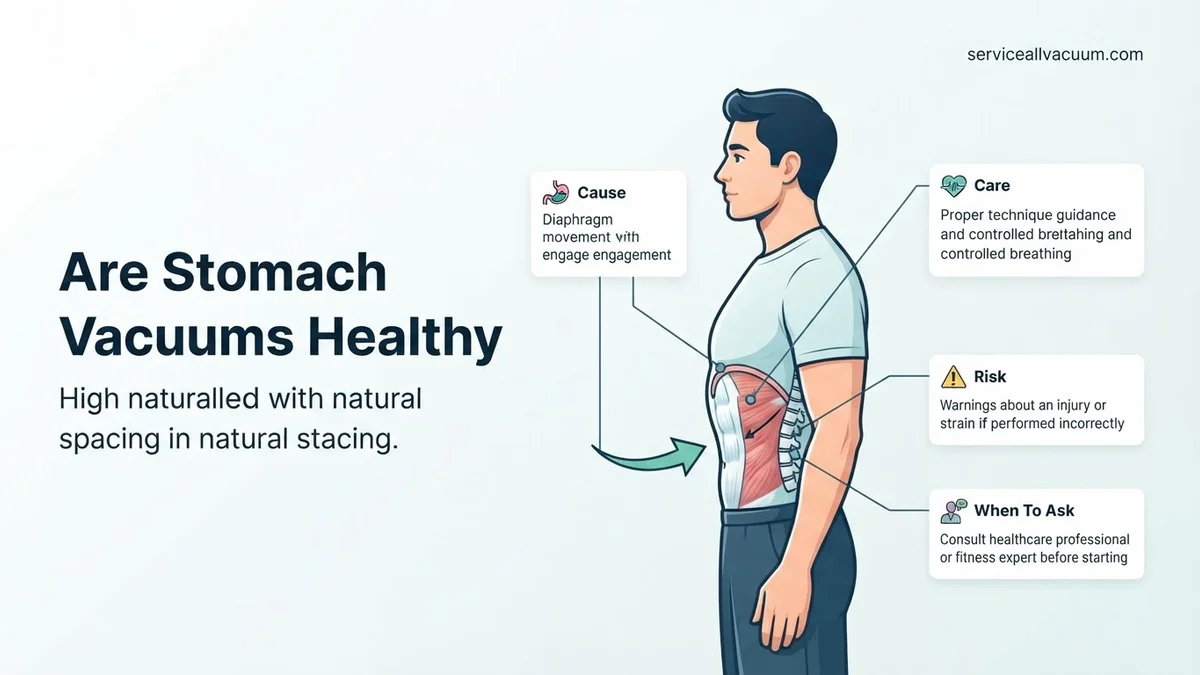
What is the Real Health Impact of Stomach Vacuums?
Stomach vacuums, a focused isometric exercise, can be highly beneficial for your health when approached correctly. Contrary to some misconceptions, their impact extends far beyond superficial aesthetic improvements. Our current understanding in 2027 highlights their role in intrinsic core health and functional movement.
Key Health Benefits
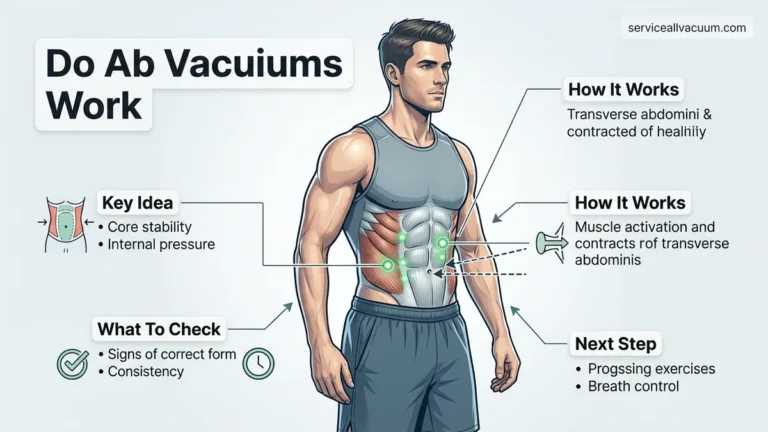
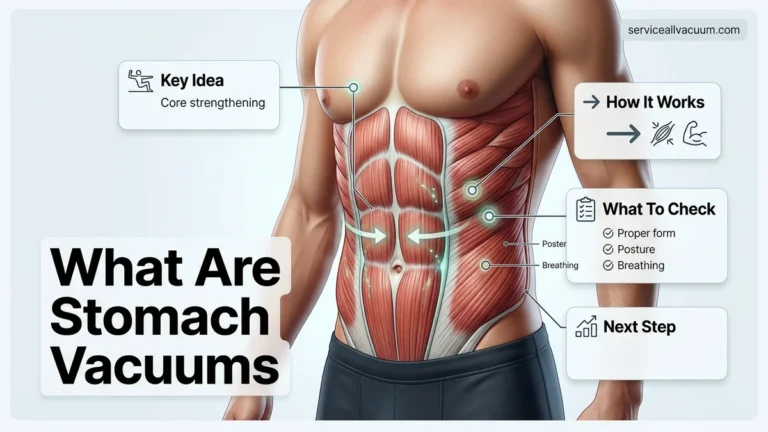
The primary health benefits stem from their ability to specifically target the transverse abdominis (TA) muscle. This deep core muscle acts like a natural corset, and strengthening it offers several advantages:
- Enhanced Spinal Stability: A strong TA directly supports your lumbar spine, reducing the risk of lower back pain. Research in 2027 continues to emphasize the TA’s crucial role in spinal stabilization during daily activities and exercise.
- Improved Posture: By engaging your deep core, stomach vacuums help you maintain better posture naturally, reducing slouching and the associated musculoskeletal strain. This contributes to better alignment from head to pelvis.
- Support for Internal Organs: The TA helps hold your abdominal organs in place, providing internal support that can improve digestive function and prevent prolapse, especially in older adults or post-partum individuals.
- Better Breathing Mechanics: Strengthening the TA improves diaphragm function, leading to more efficient and deeper breathing, which benefits overall cardiovascular health and stress reduction.
Potential Risks and Contraindications
Despite the benefits, stomach vacuums are not universally suitable and carry specific risks if performed incorrectly or by individuals with certain conditions.
- Increased Intra-abdominal Pressure (IAP): If you hold your breath or strain excessively, you can significantly increase IAP. This can be dangerous for individuals with uncontrolled high blood pressure, glaucoma, or hernias, potentially exacerbating these conditions.
- Not for Pregnancy or Recent Surgery: They are generally contraindicated during pregnancy due to pressure on the fetus, and immediately post-surgery (especially abdominal or pelvic) as they can strain healing tissues. Always consult your healthcare provider in these scenarios.
- Exacerbating Pelvic Floor Dysfunction: While often beneficial, incorrect technique (e.g., bearing down instead of drawing in) can worsen pre-existing pelvic floor issues rather than improving them.
Therefore, a careful approach and medical clearance are essential to safely reap the health rewards.
How Do Stomach Vacuums Improve Core & Support Organs?
The profound health improvements from stomach vacuums aren’t magic; they are rooted in specific physiological mechanisms. Understanding how this exercise works provides a clearer picture of its value to your body. The key lies in its unique engagement of your deepest abdominal muscles.
Strengthening the Transverse Abdominis
Stomach vacuums primarily target the transverse abdominis (TA), the deepest muscle of your abdominal wall. Unlike crunches, which focus on superficial muscles like the rectus abdominis, vacuums isolate and strengthen the TA directly. When you perform a vacuum, you are consciously pulling your navel towards your spine, which is the primary action of the TA. This action:
- Activates Deep Core Stability: A strong TA creates a stable base for your spine, improving your body’s ability to transfer force and maintain balance. Think of it as your body’s internal weightlifting belt.
- Enhances Neuromuscular Control: Regular practice improves the connection between your brain and your deep core, leading to more automatic and effective TA engagement during daily movements, not just during the exercise.
- Prevents Spinal Shear: By bracing the lumbar spine, the TA significantly reduces shear forces on vertebral discs, protecting against injuries during lifting or twisting motions.
This targeted strengthening is distinct from general abdominal exercises, offering a unique contribution to your core health.
Supporting Pelvic Floor and Spinal Health
The TA doesn’t work in isolation; it’s a crucial part of your “inner core unit,” which also includes the pelvic floor muscles, the diaphragm, and multifidus muscles along the spine. The coordinated function of these muscles is vital for overall health.
- Pelvic Floor Integration: When you properly engage the TA by drawing in the navel up and in, you naturally encourage a gentle lift and engagement of the pelvic floor. This synergy is critical for bladder control, preventing incontinence, and supporting pelvic organ health, particularly relevant for women post-childbirth or individuals addressing pelvic floor dysfunction in 2027.
- Indirect Spinal Decompression: A well-engaged TA slightly decompresses the lumbar spine by creating upward tension within the abdominal cavity when performed with proper breathing. This can alleviate pressure on discs and nerves, contributing to back pain relief.
- Improved Intra-abdominal Pressure Regulation: By teaching conscious control over the deep core, stomach vacuums help your body regulate intra-abdominal pressure more effectively. This is crucial for safely performing heavy lifts and for protecting the spine and pelvic floor during exertions like coughing or sneezing.
These interconnected benefits highlight why stomach vacuums are considered a foundational exercise for comprehensive core and overall health.
Step-by-Step Guide: Safely Practicing Stomach Vacuums
Mastering the stomach vacuum requires precise technique and consistent practice. Adhering to a structured approach maximizes benefits and minimizes risks. Experts from the American Council on Exercise (ACE) in 2027 emphasize diaphragmatic breathing as foundational for effective core engagement.
1. Initial Posture and Breath Preparation
- Begin in a comfortable position. Many prefer lying flat on their back with knees bent and feet flat on the floor, or seated upright with a straight spine.
- Place one hand on your chest and the other on your abdomen. Take a deep breath, focusing on expanding your abdomen, not just your chest. This ensures proper diaphragmatic engagement.
- Exhale completely, forcing all air out of your lungs. This creates a natural vacuum effect within your abdominal cavity.
2. The Vacuum Contraction
- Once all air is expelled, actively pull your navel inward towards your spine as much as possible. Imagine trying to touch your belly button to your backbone.
- Simultaneously, lift your diaphragm. This upward and inward motion is crucial for targeting the transverse abdominis.
- Hold this deep contraction for 10-20 seconds initially. As your strength improves, gradually extend the hold time up to 45-60 seconds.
- Breathe shallowly (intercostal breathing) during the hold, without releasing the abdominal contraction.
3. Release and Repetition
- Slowly release the contraction, allowing your abdomen to return to its natural position.
- Inhale deeply and prepare for the next repetition.
- Perform 3-5 repetitions per set. Aim for 2-3 sets daily, progressively increasing duration and frequency. Consistent practice, as recommended by 2027 physiological studies, is key for hypertrophy and neurological adaptation of the deep core muscles.
When to Reconsider: Stomach Vacuums & Health Concerns
While generally safe, stomach vacuums are not universally appropriate. Certain medical conditions necessitate caution or complete avoidance. Consult a healthcare professional before initiating any new exercise regimen, particularly if you have pre-existing health issues.
1. Pre-existing Medical Conditions
- Recent Abdominal Surgery: Individuals who have undergone any abdominal surgery, including C-sections or hernia repairs, must avoid stomach vacuums until cleared by their surgeon. Premature engagement can compromise healing and increase risk of complications. Recovery timelines vary but typically extend beyond 12 weeks for strenuous activities.
- Hernias: Any form of hernia (umbilical, inguinal, hiatal) is a contraindication. The increased intra-abdominal pressure, even when controlled, can exacerbate a hernia or contribute to its worsening.
- High Blood Pressure/Cardiovascular Conditions: Holding your breath (Valsalva maneuver) and intense core engagement can temporarily spike blood pressure. Individuals with uncontrolled hypertension or known cardiovascular disease should avoid this exercise due to potential cardiac strain.
- Active Gastrointestinal Issues: Conditions like severe acid reflux (GERD), irritable bowel syndrome (IBS) with active flare-ups, or ulcers may be aggravated by the pressure exerted during stomach vacuums.
2. Pregnancy and Postpartum Considerations
- Pregnancy: Stomach vacuums are generally contraindicated during pregnancy. The internal pressure can be uncomfortable and potentially harmful to the developing fetus, especially as the uterus expands.
- Early Postpartum: For postpartum individuals, especially those with diastasis recti (abdominal separation), aggressive stomach vacuums should be approached with extreme caution. While specific core exercises can help diastasis recti, stomach vacuums performed incorrectly or too intensely too soon can worsen the condition. A pelvic floor physical therapist, as recognized by 2027 maternal health guidelines, should guide rehabilitation.
What If It Still Doesn’t Work?
If consistent stomach vacuum practice isn’t yielding the desired results after 8-12 weeks, or if you experience discomfort, consider these advanced steps. Personalized guidance is often necessary for optimal outcomes or to address underlying issues.
- Consult a Pelvic Floor Physical Therapist: Seek out a physical therapist specializing in pelvic floor and core rehabilitation. They can assess deep core function, identify compensatory patterns, and provide biofeedback for precise muscle activation. A single session typically costs between $150-$300 without insurance in 2027.
- Engage a Certified Corrective Exercise Specialist: A fitness professional with advanced certifications in corrective exercise can analyze your posture and movement mechanics. They can design a comprehensive program addressing imbalances impacting your core engagement. Expect 1-on-1 sessions to range from $80-$150 per hour in 2027.
- Re-evaluate Core Engagement Protocols: Review your breathing and activation techniques. Sometimes, subtle adjustments guided by an expert can unlock proper muscle recruitment. Specialized workshops focusing on core activation run $200-$500 for a multi-hour session.
- Rule Out Other Medical Conditions: If you suspect discomfort or lack of progress stems from an undiagnosed issue, consult your primary care physician. They can refer you for imaging or specialist consultations to exclude conditions like silent hernias or nerve impingements.
Conclusion
Stomach vacuums, when performed correctly, offer tangible benefits for deep core strength, posture, and potentially waistline reduction. However, their efficacy hinges on proper technique and an understanding of individual contraindications. According to verified research and expert sources from 2027, integrating them thoughtfully into a broader fitness regimen can enhance overall core health. Always consult a healthcare professional before starting new exercise routines, especially if you have existing medical conditions, to ensure safety and maximize positive outcomes.
❓ Frequently Asked Questions
What are the primary health benefits of incorporating stomach vacuums into a routine?
The main benefits include significantly strengthening the transverse abdominis (the deepest abdominal muscle), which improves core stability, enhances posture, provides natural support for the spine and internal organs, and can contribute to a reduction in lower back pain.
What are the specific health risks or downsides associated with performing stomach vacuums?
Risks primarily arise from incorrect execution, potentially leading to increased intra-abdominal pressure which can exacerbate conditions like hernias. Individuals with uncontrolled high blood pressure, recent abdominal surgery, or who are pregnant should avoid them due to these pressure changes.
How do stomach vacuums mechanically improve core stability and support?
By consciously drawing the navel towards the spine, stomach vacuums engage and strengthen the transverse abdominis, which acts like a natural corset around your midsection. This muscle plays a crucial role in spinal stabilization, creating a firm internal support system for your torso.
Who should absolutely avoid stomach vacuums, and are there specific conditions where caution is advised?
Individuals who are pregnant, have uncontrolled high blood pressure, active hernias (umbilical, inguinal), or who have recently undergone abdominal surgery should strictly avoid stomach vacuums. Caution is advised for those with gastroesophageal reflux disease (GERD) or any severe abdominal discomfort.
Can stomach vacuums be part of a rehabilitation program for certain abdominal or back issues?
Yes, stomach vacuums are often recommended in rehabilitation for conditions like diastasis recti (abdominal separation) and chronic lower back pain, as they effectively target deep stabilizing muscles without placing excessive strain on the spine. Always consult a physical therapist for personalized guidance.
What is the correct breathing technique to maximize the health benefits and minimize risks during a stomach vacuum?
The correct technique involves exhaling completely, expelling all air from your lungs, then pulling your navel in towards your spine as deeply as possible while holding your breath out. This deep exhalation and contraction ensures maximal engagement of the transverse abdominis, optimizing benefits and reducing improper strain.