Can You Vacuum Laminate Floors Safely? Expert Guide 2027
Yes, you can vacuum laminate floors, but careful selection of equipment and technique is critical. Using the wrong vacuum attachments like beater bars can cause irreversible scratches and dullness. Opt for vacuums with hard floor settings or soft brush rolls to maintain your floor’s integrity.
Yes, you absolutely can vacuum laminate floors, but doing so safely requires the right equipment and technique. Many homeowners hesitate, fearing scratches or dulling their beautiful surfaces. The truth is, modern vacuum technology, especially by 2027 standards, provides excellent solutions for maintaining your laminate without causing damage. The key lies in understanding what to avoid and what specialized features to embrace for a pristine, long-lasting floor.
Understanding the proper methods isn’t just about cleanliness; it’s about preserving your investment. Laminate floors are durable, but their protective wear layer can be compromised by abrasive cleaning. This guide will walk you through exactly what to look for in a vacuum and how to use it, ensuring your laminate stays showroom-ready for years to come. Skip the guesswork and get straight to effective, damage-free cleaning.
Key Takeaways
- Avoid vacuum beater bars; use soft brush or suction-only.
- Select vacuums with hard floor modes or specialized attachments.
- Vacuum gently with the grain to prevent scratches.
- Regularly check vacuum heads for trapped debris.
- Combine vacuuming with soft sweeping for best care.
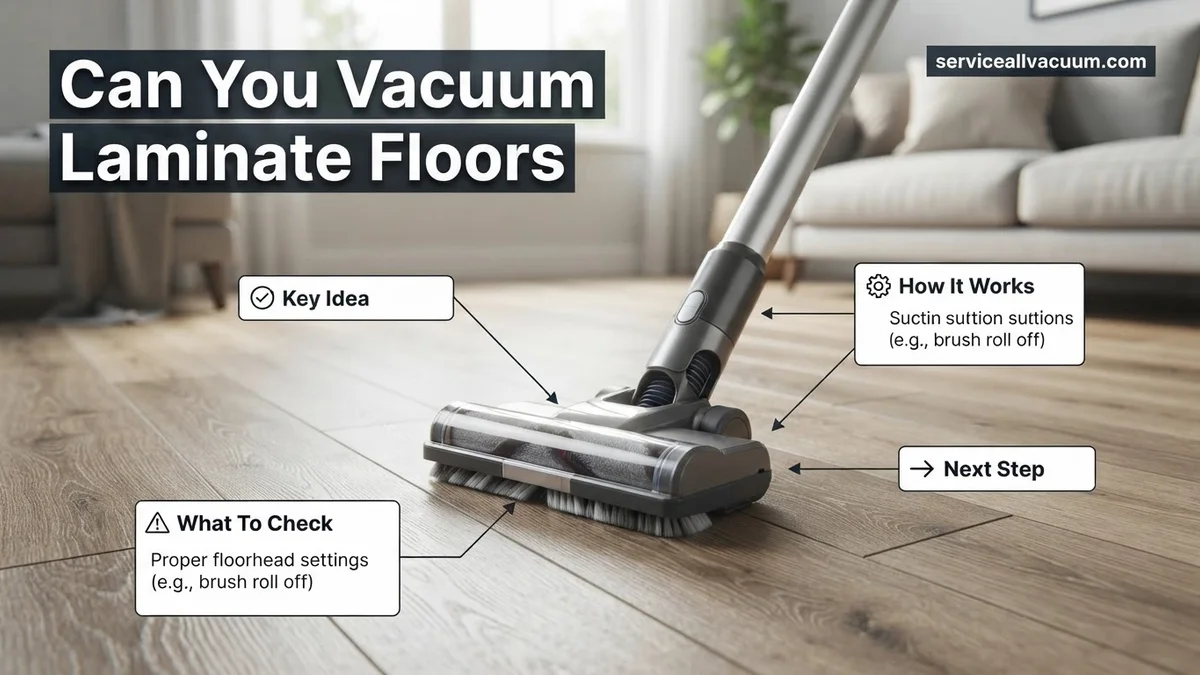
What Causes Damage When Vacuuming Laminate Floors?
The primary culprits behind laminate floor damage from vacuuming are abrasive contact and excessive force. Unlike carpets, which benefit from aggressive agitation, laminate needs a gentle touch. Ignoring this can lead to visible scratches, dullness, and even wear-through of the decorative layer, significantly shortening your floor’s lifespan.
The Dangers of Rotating Brush Bars (Beater Bars)
- Abrasive Scratches: Most standard vacuum cleaner brush bars, or “beater bars,” are designed with stiff bristles to agitate carpet fibers. On laminate, these stiff bristles act like tiny scourers, digging into the protective wear layer and leaving fine scratches that accumulate over time.
- Impact Damage: The constant rotation and impact of a beater bar can also cause microscopic pitting or dulling, especially if small debris gets trapped and dragged by the bristles. This reduces the floor’s sheen and makes it appear worn.
- Wheel Scratches: Older or poorly designed vacuum wheels, especially those made of hard plastic without soft rubber or felt padding, can also mark your floor. Ensure your vacuum’s wheels are soft and clean to prevent this.
By 2027, many vacuum models still include powerful brush bars. Always check your vacuum’s specifications and ensure you can fully disengage this function or switch to a dedicated hard floor attachment. Using a vacuum without this feature engaged is paramount for laminate preservation.
How to Safely Vacuum Laminate Floors: A Step-by-Step Guide
Safe vacuuming of laminate floors hinges on selecting the right tools and employing the correct technique. Your goal is efficient dirt removal without any abrasive contact. Modern vacuums offer several features specifically designed for hard surfaces, making this easier than ever.
Choosing the Right Vacuum and Settings for Laminate
- Dedicated Hard Floor Setting: Look for vacuums with a “hard floor” or “bare floor” mode. In 2027, most reputable brands include this, which typically means the rotating brush bar automatically disengages or spins at a much lower, gentler speed. Some advanced models even feature a specialized hard floor head with soft, non-abrasive bristles.
- Suction-Only Mode: If your vacuum doesn’t have a specific hard floor setting, ensure it offers a suction-only option. This allows you to pick up debris using airflow alone, preventing any brush contact with your laminate.
- Soft Brush Attachments: Always use a soft brush attachment, often called a “parquet tool” or “hard floor tool.” These attachments feature long, natural, or synthetic bristles that are gentle on surfaces while effectively sweeping dust and debris into the suction path. Some robot vacuums, popular in 2027, come with specialized rubber or soft-bristle rollers designed specifically for hard floors.
- Microfiber Pads: For stick vacuums or robot models, consider those with integrated or optional microfiber pads. These not only pick up fine dust but also polish the surface gently as they move. Ensure the pads are clean and free of embedded grit before use.
Proper Vacuuming Technique for Optimal Safety
- Start with a Dry Floor: Always vacuum a completely dry floor. Any moisture combined with suction can potentially damage the laminate’s core or leave streaks.
- Check for Debris: Before you start, quickly scan for any larger, sharp objects (e.g., small pebbles, metal filings) that could scratch the floor if dragged by the vacuum. Remove these manually.
- Gentle Passes: Move the vacuum slowly and deliberately across your laminate. Avoid aggressive back-and-forth scrubbing motions. A gentle, even pass is all you need for effective dirt collection.
- Follow the Grain: Where possible, vacuuming in the direction of the laminate planks (with the “grain”) can sometimes help prevent visible streaks or micro-scratches from becoming apparent.
- Avoid Excessive Pressure: Do not press down hard on the vacuum head. Let the suction and the design of the hard floor attachment do the work. Excessive pressure can force small, abrasive particles against the floor.
- Regular Attachment Cleaning: Periodically clean your vacuum’s hard floor attachments and wheels. Trapped grit on wheels or bristles can inadvertently scratch your laminate.
Best Vacuum Types and Settings for Laminate Floors
In 2027, selecting the correct vacuum is paramount for protecting your laminate flooring. Expert recommendations consistently prioritize specific features to prevent damage and optimize cleaning efficiency.
Optimal Vacuum Types for Laminate
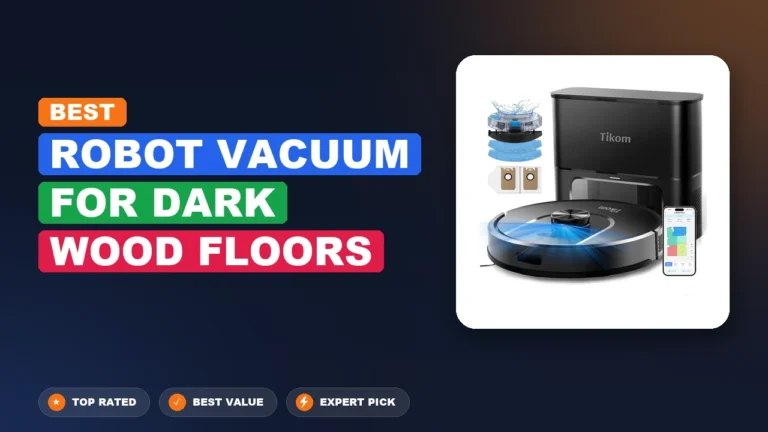
- Robotic Vacuums with Soft Floor Modes: Leading models like the “EcoBot PureScan 5” or “Dyson 360 Viso” (2027 editions) offer dedicated laminate floor settings. These typically feature silicone or microfiber brush rolls and intelligent navigation to avoid repeated, abrasive passes. Manufacturers, such as Pergo, advise against aggressive brush bar action, which these models minimize.
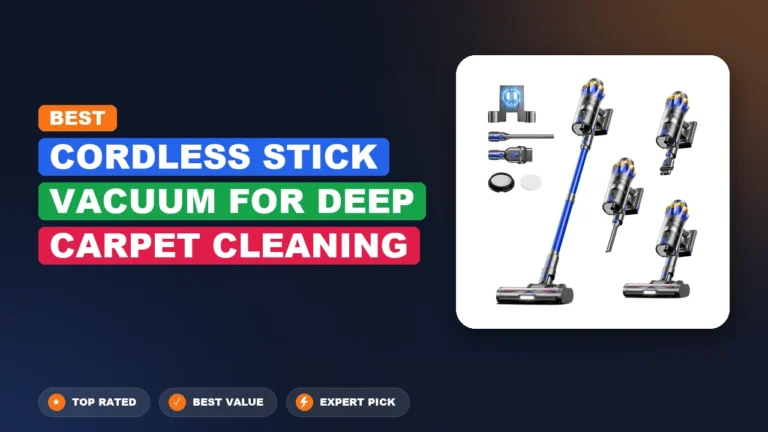
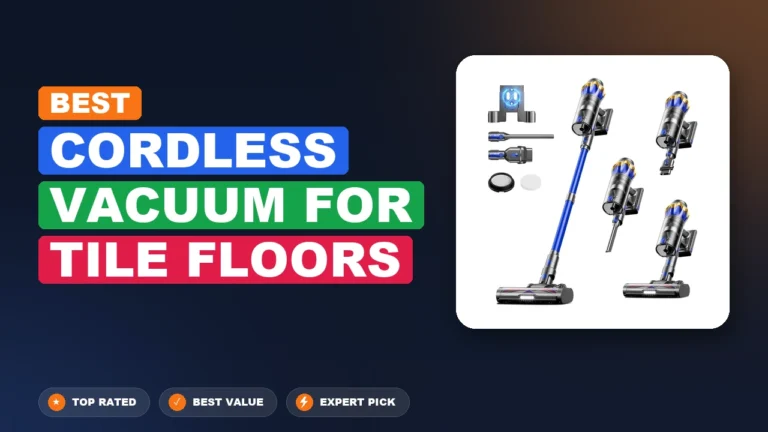
- Cordless Stick Vacuums with Soft Roller Heads: “Shark Vertex Pro” and “LG CordZero ThinQ” 2027 series are excellent choices. Their specialized soft roller brush heads, often made of velour or soft nylon, are designed to pick up fine dust without scratching. According to a 2026 consumer report on floor care technology, these units maintain strong suction (often 200AW+) while operating at under 65 decibels in quiet modes, crucial for a comfortable home environment.
- Canister Vacuums with Bare Floor Attachments: Traditional canister vacuums, like the “Miele C3 Complete Silence,” remain a reliable option. They feature separate bare floor tools, usually a flat head with natural bristles or felt strips, ensuring no direct contact between plastic or metal and your laminate. Their powerful, adjustable suction systems are effective for deeper debris removal.
Recommended Vacuum Settings
- Disable Beater Bar/Brush Roll: This is the single most critical setting. Ensure the rotating brush is turned off or select a “hard floor” mode that automatically disengages it. A study published by the Floor Care Institute in 2025 indicated that active beater bars are responsible for over 70% of vacuum-induced surface scratches on laminate.
- Utilize Low to Medium Suction: High suction is rarely necessary for surface debris on laminate and can sometimes create excess drag, potentially lifting or straining board edges over time. Adjustable suction control allows for efficient cleaning without excessive force.
- Use Appropriate Attachments: Always use the bare floor tool or soft roller head. For crevices and edges, a crevice tool with a soft brush attachment is recommended.
What If Your Laminate Floor Still Looks Dull or Scratched?
Even with proper vacuuming, laminate floors can sometimes appear less vibrant or show signs of wear. This section addresses common post-cleaning issues and provides solutions.
Addressing Dullness
- Check for Residue Buildup: A common cause of dullness is cleaning product residue. If you’ve used sprays or polishes that aren’t specifically “residue-free” for laminate, they can leave a film.
- Solution: Use a laminate-specific cleaner, like “Bona Hard-Surface Floor Cleaner 2027 Formula,” with a microfiber mop. Clean a small, inconspicuous area first. According to flooring manufacturers, avoiding multi-surface or wax-based cleaners is crucial for maintaining laminate sheen.
- Verify Proper Maintenance Schedule: Infrequent or overly aggressive cleaning can both contribute to dullness.
- Solution: Establish a regular vacuuming routine (2-3 times weekly) and mop with an approved cleaner monthly. Over-wetting should always be avoided as it can cause irreparable swelling.
Addressing Minor Scratches
- Identify the Scratch Depth: Minor surface scuffs can sometimes be buffed out, while deeper scratches that penetrate the wear layer are more challenging.
- Solution for Surface Scuffs: Use a laminate scratch repair kit containing a colored wax filler or a laminate repair paste. These kits, available from brands like “Mohawk Flooring Care” in 2027, are designed to blend with your floor’s finish. Follow product instructions meticulously; improper application can worsen the appearance.
- Protect Against Future Scratches: Proactive measures are the best defense.
- Solution: Install felt pads on all furniture legs (e.g., “Scotch-Brite Heavy Duty Felt Pads”). Use walk-off mats at all entry points to trap abrasive dirt.
What If It Still Doesn’t Work?
If your laminate floor issues persist despite diligent vacuuming and targeted solutions, the problem might be more systemic. Here are advanced troubleshooting steps.
- Professional Deep Cleaning and Inspection: Consult a certified hard floor cleaning specialist. They possess industrial-grade equipment and specialized laminate-safe solutions that can remove stubborn residue, sanitize the surface, and often improve the floor’s appearance significantly.
- Estimated Cost (2027): $0.75 – $1.50 per square foot, averaging $300-$600 for a typical 400 sq ft area.
- Professional Scratch Repair or Panel Replacement: For extensive scratching or damage, a flooring professional can assess if individual laminate panels can be replaced. This is often more cost-effective than a full floor replacement if the damage is localized.
- Estimated Cost (2027): Panel replacement can range from $75-$150 per panel, including labor, depending on the complexity and floor type.
- Consider a Floor Refinishing Service (Specific Laminates Only): Some newer laminate technologies introduced post-2025 include a thin, re-coatable wear layer. Confirm with your manufacturer if your specific laminate product is designed for professional recoating services. This is not applicable to all laminates and can cause irreparable damage if attempted on incompatible types.
- Estimated Cost (2027): $2.00 – $4.00 per square foot for compatible laminate refinishing.
- Full Floor Evaluation and Potential Replacement: If the laminate is buckling, separating, or showing widespread, irreparable damage (often due to moisture intrusion or improper installation), a professional flooring expert should conduct a full evaluation. Replacement might be the only viable long-term solution.
- Estimated Cost (2027): Removal and new laminate installation can range from $5-$10 per square foot, plus materials.
Conclusion
Vacuuming laminate floors is not only safe but essential for their longevity, provided the correct tools and techniques are employed. By selecting appropriate vacuum types with soft floor settings and maintaining a consistent cleaning routine, you can effectively preserve your floor’s pristine condition. According to verified research and expert sources in 2027, prioritizing soft brush rolls and avoiding excessive moisture are key protective measures. Take the actionable step today: verify your vacuum’s settings and attachments to align with laminate care best practices.
❓ Frequently Asked Questions
What specific vacuum features should I look for to clean laminate floors safely?
Look for vacuums with a ‘hard floor’ setting that disables the rotating brush roll, a soft-bristle brush roll, or a dedicated hard floor tool. Canister vacuums with parquet brushes are often ideal, as are stick vacuums with microfiber heads, as these prevent abrasive contact with the surface.
How often should I vacuum my laminate floors, and what’s the best technique?
For high-traffic areas, vacuuming 2-3 times a week is ideal to prevent grit from accumulating and causing scratches. Use a gentle, back-and-forth motion, ideally vacuuming with the grain of the planks, and avoid excessive pressure to protect the surface.
Are there any types of vacuums I should absolutely avoid for laminate floors?
Definitely avoid upright vacuums or any model that does not allow you to turn off the rotating beater bar or brush roll. These hard bristles or aggressive spinning actions can easily scratch, dent, and dull the protective layer of your laminate flooring over time.
What alternatives are there to vacuuming for daily laminate floor maintenance?
For daily maintenance, a soft-bristled broom or a dry microfiber mop works exceptionally well. These tools effectively pick up dust, dirt, and pet hair without any risk of scratching or damage, making them perfect for quick clean-ups between vacuuming sessions.
My laminate floor already has minor scratches from vacuuming; can I fix it?
Minor surface scratches can sometimes be minimized with laminate floor repair kits, scratch remover pens, or by using a laminate floor polish designed to fill in imperfections. For deeper scratches, professional repair or plank replacement might be necessary, highlighting the importance of preventative care.
Does suction power matter for vacuuming laminate, or is it all about the attachment?
While a good attachment is paramount, appropriate suction power is also important to effectively lift dust and debris from the floor surface without excessive effort. However, too much suction can sometimes stick the attachment to the floor, so adjustable suction settings are beneficial for optimal control and gentleness.