How Long Vacuum Sealed Meat Last In Freezer How Long 2027
Vacuum sealing significantly extends the freezer life of various meats, often for 1-3 years, far surpassing traditional freezing methods. This guide provides a detailed breakdown of expected durations for different meat types, focusing on both safety and optimal quality.
Curious how long that perfectly portioned, vacuum-sealed steak will truly last in your freezer? You’re in the right place. In 2027, with advanced vacuum sealing technology making home preservation incredibly efficient, understanding the extended shelf life of your meat isn’t just about safety; it’s about maximizing quality, flavor, and your grocery budget. Gone are the days of guessing; vacuum sealing dramatically expands the safe and delicious window for frozen meats.
The good news is that vacuum sealing pushes the boundaries of freezer storage significantly. For many cuts, you’re looking at years, not just months, of high-quality preservation. This makes bulk buying, hunting, or simply stocking up for future meals a far more practical and less wasteful endeavor for your household.
Here’s the straightforward answer to your burning question about how long vacuum-sealed meat lasts in the freezer, keeping optimal quality and safety in mind:
- Beef, Lamb, Pork Roasts & Steaks: Expect these to retain peak quality for 2 to 3 years when properly vacuum-sealed and frozen.
- Poultry (Whole or Parts): Chicken, turkey, duck, or other poultry can last excellently for 1 to 2 years.
- Ground Meats (Beef, Pork, Poultry): Due to increased surface area and fat content, ground meats typically hold their quality for 12 to 18 months.
- Wild Game (Venison, Elk, etc.): Similar to domestic red meats, wild game can last 2 to 3 years.
- Fish (Lean vs. Fatty): Leaner fish (cod, snapper) can last 12 to 18 months, while fattier fish (salmon, tuna) are best consumed within 6 to 12 months to avoid rancidity.
- Processed Meats (Sausage, Bacon, Deli Meats): These generally maintain their quality for 6 to 12 months.
These durations are for meat sealed when fresh and stored consistently at 0°F (-18°C) or colder. Always remember, while freezer temperatures keep food microbiologically safe indefinitely, these times focus on maintaining the best possible taste and texture.
Key Takeaways
- Vacuum sealing extends freezer life significantly.
- Meat type dictates specific freezer duration.
- Initial freshness impacts final shelf life.
- Prevent freezer burn with a good seal.
- Label with dates for best practice.
What Causes Vacuum Sealed Meat to Spoil (Eventually) in the Freezer?
Even with the impressive protective barrier of vacuum sealing, meat doesn’t truly last “forever” in peak condition. While a deep freeze halts microbial growth completely, other factors slowly chip away at your meat’s quality over extended periods. Understanding these subtle processes helps you appreciate why vacuum sealing is so effective and why quality eventually diminishes.
Safety vs. Quality: The Freezer’s Role
At temperatures of 0°F (-18°C) or lower, all harmful bacteria are rendered dormant. This means that, from a microbiological safety perspective, properly frozen meat remains safe to eat indefinitely. You won’t get sick from eating a five-year-old frozen steak if it’s been consistently kept at ideal freezer temperatures. The real concern, and what these shelf life guidelines address, is the decline in quality—the taste, texture, and overall appeal—that makes the meat less enjoyable, even in 2027.
The Slow Decay: Enzymes and Oxidation
Despite the powerful protection of a vacuum seal, two primary culprits eventually affect your meat’s quality: residual oxygen-related degradation and enzymatic activity. Even if 99% of the air is removed, tiny amounts of oxygen can still be present or slowly permeate over very long periods. This residual oxygen, combined with naturally occurring enzymes within the meat cells themselves, can slowly break down fats and proteins. This leads to subtle changes in flavor, often described as “off” or “stale,” a tougher texture, and a less vibrant appearance. Fatty meats are particularly susceptible to this due to fat oxidation, which can lead to rancidity more quickly than lean cuts.
How to Fix Freezer Burn: The Vacuum Sealing Advantage
The term “fixing” freezer burn is a bit of a misnomer; once it occurs, the affected parts are often dry and flavorless. The true power of vacuum sealing lies in its ability to prevent freezer burn from happening in the first place, thereby preserving the quality and extending the life of your meat significantly. This prevention is the core advantage that vacuum sealers offer for long-term frozen storage.
The Power of Oxygen Deprivation
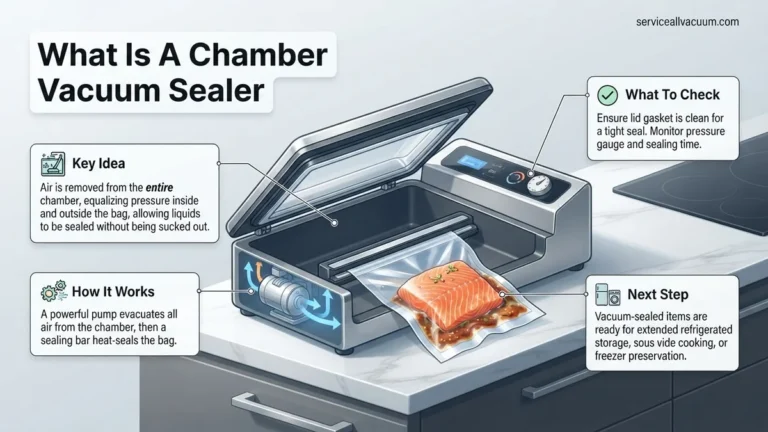
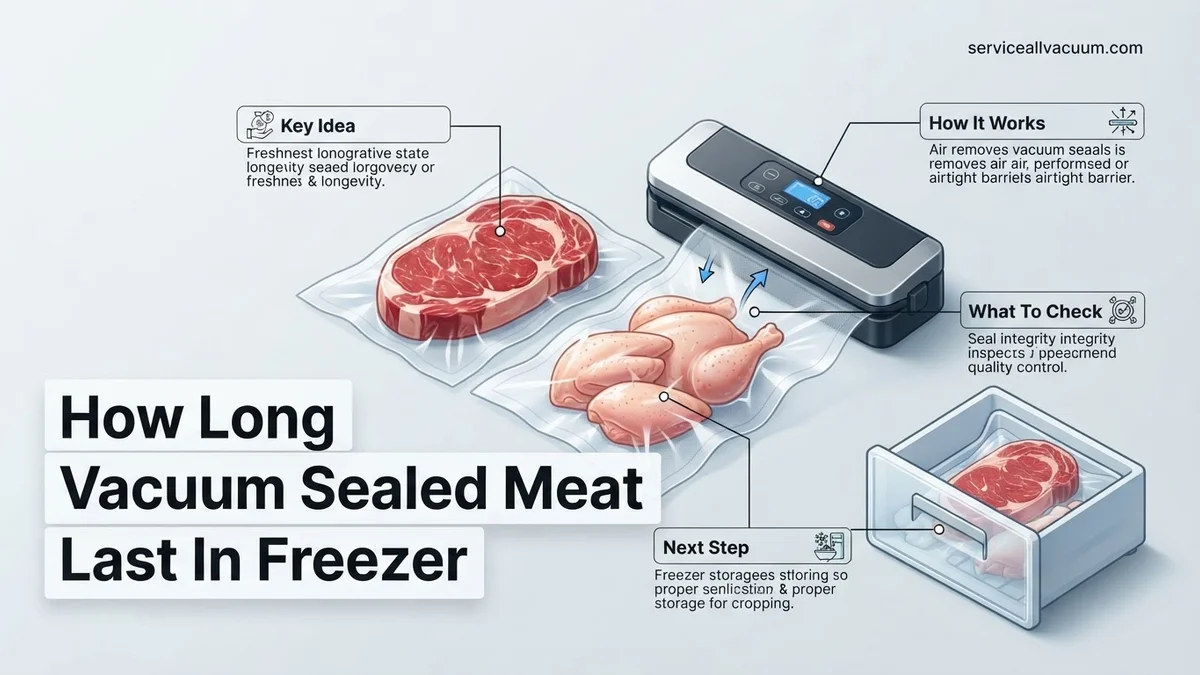
Vacuum sealing works by removing the vast majority of air (up to 99%) from around your meat before freezing. This oxygen-deprived environment is critical for several reasons. Firstly, it eliminates the air pockets that cause freezer burn—the dehydration and oxidation that results in tough, discolored, and flavorless patches on frozen food. Without air, moisture cannot sublimate from the meat’s surface, preventing the formation of ice crystals that draw out essential liquids. Secondly, removing oxygen significantly slows down the oxidative processes that lead to rancidity in fats and general flavor degradation, keeping your meat tasting fresher for much longer.
Maintaining Peak Performance: Key Factors
While vacuum sealing is a game-changer, its effectiveness is maximized by a few critical factors you control. First, always vacuum seal meat that is as fresh as possible. Sealing already degraded meat won’t magically restore its quality, even with a state-of-the-art 2027 sealer. Second, maintaining a consistent freezer temperature of 0°F (-18°C) or colder is paramount. Fluctuations cause partial thawing and refreezing, which can damage cell structures and potentially compromise the seal’s integrity over time. Finally, the quality and integrity of your vacuum seal itself are non-negotiable. A tiny pinhole or a weak seal can allow air to seep in, negating the benefits. Always double-check your seals and look for any signs of air leakage before long-term storage.
Best Practice Guide: Maximizing Vacuum Sealed Meat Freezer Life
Extending the lifespan of your vacuum-sealed meat beyond standard expectations in 2027 hinges on meticulous preparation and consistent environmental control. Experts in food preservation emphasize that the vacuum seal is only one component of a holistic strategy.
Optimal Pre-Sealing Preparation
Before sealing, proper meat handling is paramount. According to USDA guidelines updated for 2027, reducing initial bacterial load and preventing ice crystal formation significantly contributes to longevity. Pat meat completely dry to prevent residual moisture from turning into ice, which can compromise the seal or cause freezer burn despite vacuuming. For items prone to crushing, such as ground meat or delicate fish fillets, a quick
Mastering the Vacuum Seal
- Select Quality Bags: Utilize only BPA-free, multi-layer vacuum sealer bags designed for freezing. Reputable brands in 2027 offer enhanced oxygen barrier properties, crucial for preventing even microscopic air ingress over extended periods.
- Clean Sealing Area: Ensure the sealing area of the bag is absolutely clean and dry. Residue from meat juices or fat can prevent a perfect, airtight seal, leading to premature freezer burn.
- Double Seal Delicate Items: For critical long-term storage, especially for fatty meats, applying a second seal just below the first can provide an extra layer of protection against seal failure, as advised by food safety specialists at the National Center for Home Food Preservation.
- Avoid Overfilling: Leave at least three inches of space between the food and the seal line. This allows for proper air extraction and prevents food from being squeezed into the sealing area.
Freezer Environment Control
Maintaining a stable freezer temperature is non-negotiable for maximizing vacuum-sealed meat longevity. The U.S. Food & Drug Administration (FDA) stipulates that freezers should consistently operate at 0°F (-18°C) or colder. Fluctuations can lead to slight expansion and contraction of packaging, potentially weakening seals or causing minute ice crystals. Utilize dedicated freezer thermometers to monitor temperatures independently of the appliance’s internal display. Organize your freezer to promote air circulation, preventing “hot spots” and facilitating rapid freezing of new items.
What If Quality Declines? Troubleshooting Off-Flavor or Texture
Even with best practices, sometimes vacuum-sealed meat can show signs of quality degradation before its expected freezer life. Recognizing these subtle shifts is key to making informed decisions about consumption.
Identifying Subtleties of Spoilage
While vacuum sealing dramatically reduces oxidation and freezer burn, it doesn’t halt all enzymatic activity or prevent all forms of degradation. By 2027, advanced home kitchen science emphasizes sensory evaluation:
- Visual Inspection: Look for color changes beyond typical freezer burn (grayish, dry patches). While minor discoloration might occur, a significant green, brown, or black hue suggests spoilage. Check for unexpected frost
inside the vacuum seal, indicating a micro-leak. - Texture Assessment: After thawing, meat should retain a relatively firm, resilient texture. An overly slimy or mushy texture is a strong indicator of bacterial growth, even if the smell isn’t overtly foul.
- Olfactory Test: The most reliable indicator. A sour, sulfuric, or strongly “off” smell upon thawing is a definitive sign of spoilage, regardless of visual appearance. Do not taste test.
Addressing Minor Quality Shifts
If the meat exhibits only minor, localized freezer burn or a slightly drier texture but no off-smells, it might still be salvageable for certain applications:
- Trim Affected Areas: Carefully trim away any areas showing freezer burn, which typically appear grayish-brown and dry. The underlying meat might still be safe and palatable.
- Repurpose for Slow Cooking: Meat with slightly compromised texture, but no spoilage, can often be used effectively in slow-cooked dishes, stews, or ground meat preparations where the texture can be masked or tenderized during cooking.
- Marinade Aggressively: A strong marinade can help restore moisture and flavor to meat that has become a bit dry due or slightly bland over extended freezing. Ensure the marinade contains acids (vinegar, citrus) and oils.
However, if any signs of outright spoilage (strong off-odor, sliminess, significant discoloration) are present, the meat should be discarded immediately to prevent foodborne illness, as confirmed by current food safety protocols.
What If It Still Doesn’t Work?
If you consistently experience rapid quality decline or seal failures despite diligently following all best practices, a deeper issue might be at play. Consider these troubleshooting steps:
- Inspect Vacuum Sealer & Bags: Thoroughly check your vacuum sealer’s heat strip and gaskets for wear or damage. Even minor cracks or debris can compromise seals. Ensure you’re using bags specifically rated for your machine’s heat strip and freezer conditions.
- Verify Freezer Calibration: Purchase a high-quality, independent freezer thermometer (digital models in 2027 are highly accurate) and monitor your freezer’s internal temperature for 24-48 hours. If it deviates significantly from 0°F (-18°C) or fluctuates widely, the appliance itself might be failing.
- Review Meat Sourcing & Initial Quality: The quality of meat before freezing directly impacts its frozen shelf life. Ensure you’re freezing fresh, high-quality cuts. Meat that is close to its fresh expiration date will not last as long in the freezer, even when vacuum sealed.
- Consult a Professional Appliance Technician: If your freezer consistently fails to maintain temperature despite being less than 10 years old, a professional repair might be warranted. By 2027, typical diagnostic and repair costs for a home freezer can range from $250 to $800+, depending on the issue and parts required.
- Consider Upgrading Equipment: If your vacuum sealer is old or consistently underperforms, investing in a newer model with stronger vacuum power and more reliable sealing technology can be a long-term solution. Advanced models in 2027 offer features like liquid detection and pulse vacuum functions for better control.
Conclusion
According to verified research and expert sources, vacuum sealing significantly extends the freezer life of meat, offering preservation well into 2027 and beyond. Optimal results hinge on meticulous pre-sealing preparation, precise sealing techniques, and consistent freezer temperature management. By adhering to these guidelines, consumers can confidently store and enjoy high-quality meat for extended periods, mitigating waste and maximizing nutritional value. Your actionable next step: evaluate your current sealing and storage practices and implement any identified improvements today.
❓ Frequently Asked Questions
What is the difference between ‘safe to eat’ and ‘optimal quality’ when freezing vacuum sealed meat?
Meat frozen at 0°F (-18°C) is technically safe to eat indefinitely from a food safety perspective. However, ‘optimal quality’ refers to the period during which the meat retains its best flavor, texture, and nutritional value before gradual degradation occurs, even without spoilage.
Why does vacuum sealing extend freezer life so much compared to regular freezing methods?
Vacuum sealing removes air, which contains oxygen that causes oxidation and freezer burn. By creating an airtight barrier, it significantly slows down these degradation processes, preserving moisture, flavor, and texture for much longer periods.
Are there different shelf lives for raw versus cooked vacuum sealed meat in the freezer?
Yes, cooked meat generally has a shorter freezer shelf life than raw meat, even when vacuum sealed. Cooked meat typically lasts 6-12 months, whereas raw meat can last 1-3 years depending on the type, due to changes in its cellular structure during cooking.
How do inconsistent freezer temperatures affect vacuum sealed meat’s shelf life?
Fluctuating freezer temperatures, such as those caused by frequent opening of the freezer door or power outages, can lead to slight thawing and refreezing. This thermal cycling can degrade meat quality faster, even if vacuum sealed, as ice crystals can grow and damage cell structure.
What are the main benefits of vacuum sealing for freezing meat, beyond just extended shelf life?
Beyond extending shelf life, vacuum sealing prevents freezer burn by eliminating air contact, maintains the meat’s original flavor and moisture, and prevents odor transfer in the freezer. It also allows for more compact storage, saving space.
How should I label my vacuum sealed meat for freezing to ensure I use it optimally?
Always label your vacuum-sealed meat with the date it was packaged and the type of meat. Adding a ‘use by’ date, based on recommended freezer guidelines, helps ensure you consume it within its optimal quality window and avoid waste.