What is kPa on a Vacuum? Real Expert Guide for 2027
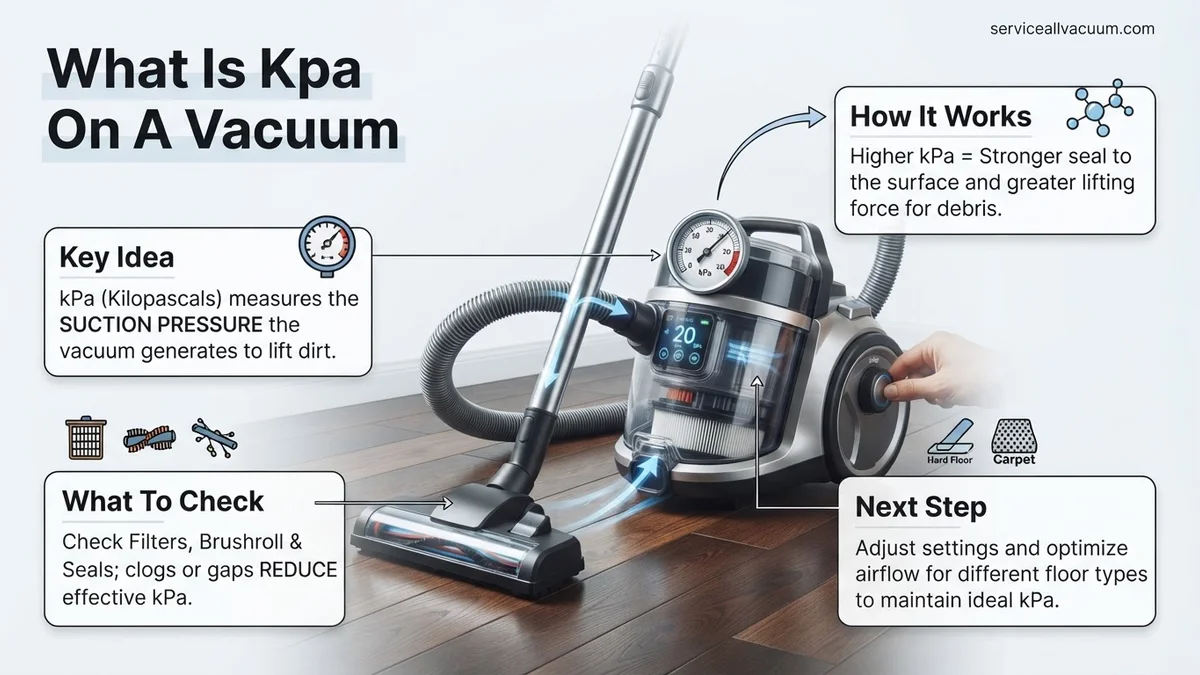
kPa (kilopascal) measures a vacuum’s static suction power, indicating its raw pulling strength when the nozzle is blocked. A higher kPa value signifies stronger suction, making it better for lifting heavy debris and deeply embedded dirt from surfaces. While crucial, kPa works with other metrics like Air Watts and CFM to paint a complete picture of cleaning efficacy.
When you’re comparing vacuum cleaners in 2027, you’ll often see “kPa” listed in the specifications. This isn’t just another technical jargon term; it’s a direct indicator of a vacuum’s brute pulling strength. kPa stands for kilopascal, and in the context of vacuum cleaners, it specifically measures the unit’s maximum static pressure or “sealed suction.” Essentially, it tells you how much raw power the vacuum has to lift and pull stubborn dirt. Understanding kPa is crucial because it helps you identify vacuums truly capable of tackling deep-seated grime and heavy debris, ensuring your investment delivers the cleaning performance you expect in today’s advanced market.
Knowing your kPa helps you cut through marketing hype. It’s a measurable, objective figure that directly correlates to how effectively a vacuum can pick up everything from fine dust to pet kibble. In 2027, with advancements in motor efficiency and battery technology, higher kPa ratings are more achievable in a wider range of machines, from compact cordless models to robust uprights. This guide will clarify exactly what that number means for your cleaning tasks.
Key Takeaways
- Understand kPa:it’s vacuum suction.
- Higher kPa means stronger cleaning pull.
- Use kPa to assess debris lifting.
- Combine kPa with Air Watts/CFM.
- Match kPa to your cleaning needs.
What is kPa on a Vacuum: Defining Suction Power
kPa is an abbreviation for kilopascal, a standard unit of pressure within the metric system. While pressure can be measured in many contexts, on a vacuum cleaner, kPa specifically quantifies the appliance’s maximum “sealed suction.” Think of it as the ultimate test of the vacuum’s ability to create a powerful pressure differential. This measurement is taken when the vacuum’s nozzle is completely blocked or sealed, simulating the absolute maximum pulling force it can generate.
Sealed Suction: The Ultimate Pulling Test
Sealed suction is the critical metric here. When a vacuum’s nozzle is completely closed off, the motor is working its hardest to create the largest possible pressure drop inside the hose and machine. The kPa reading indicates the strength of this pressure difference. It directly represents the vacuum’s raw pulling power, often described as how well it can “grip” or “lift” an object. For instance, a high kPa vacuum can hold a bowling ball against its nozzle, though this is an extreme example to illustrate pure force. This raw pulling strength is what allows a vacuum to dislodge and lift heavier particles or dirt embedded deep within carpet fibers.
- Direct Measurement: kPa directly measures the static pressure, not airflow.
- Raw Power Indicator: It tells you the maximum force the vacuum motor can apply.
- Crucial for Heavy Debris: Essential for picking up larger items like pet litter, small stones, or heavily compacted dust.
- Real-World Example: A premium cordless stick vacuum in 2027 might boast 25-30 kPa, indicating exceptional sealed suction for its class.
kPa vs. Airflow: Not the Same Metric
It’s important to differentiate kPa from airflow (often measured in CFM – Cubic Feet per Minute, or Air Watts). While both are crucial for effective cleaning, they measure different aspects. kPa measures the intensity of the suction – how hard the vacuum can pull. Airflow measures the volume of air the vacuum can move – how much air it can shift. A vacuum needs both to be effective, but kPa is your primary indicator for pure lifting and pulling strength. A high kPa ensures the vacuum can literally pull dirt out, even if it’s tightly packed, whereas high airflow ensures that once loosened, the dirt is swiftly carried away.
Understanding How kPa Relates to Vacuum Performance
A higher kPa value directly translates to more powerful suction. This isn’t just a number; it dictates how effectively your vacuum can perform challenging cleaning tasks. When you see a vacuum cleaner specified with a significantly higher kPa, you can generally expect superior performance in scenarios requiring substantial pulling force. This metric is especially critical for those dealing with specific cleaning challenges that demand more than just average suction.
Lifting Power and Deep Cleaning
The primary benefit of a high kPa rating is enhanced lifting power. This means the vacuum can more easily dislodge and pick up heavier or more stubborn debris. Think about situations where ordinary vacuums struggle: deeply embedded pet hair in thick carpets, compacted dust and dirt that have settled over time, or heavier particles like sand, gravel, or even small pieces of pet food. A vacuum with, for example, 28 kPa (common in top-tier 2027 models) will extract these items far more effectively than a 15 kPa machine. This raw strength allows for true deep cleaning, not just surface tidying, as the suction can reach deeper into carpet piles and crevices.
- Pet Hair Removal: Higher kPa pulls matted pet hair from upholstery and carpets more efficiently.
- Embedded Dirt: Extracts fine dust and grit that have settled deep into carpet fibers.
- Heavy Debris: Lifts larger items like kitty litter, cereal, or small stones without leaving them behind.
- Versatile Cleaning: Better performance on various surfaces, from plush carpets to hard floors with tight grout lines.
Real-World Impact: What kPa Means for You
For you, the user, kPa directly impacts your cleaning experience and results. If you frequently battle with stubborn messes, have pets that shed heavily, or simply desire a vacuum that leaves your floors impeccably clean, prioritizing a higher kPa is a smart move. In 2027, many manufacturers are achieving impressive kPa figures even in compact and lightweight designs, making powerful suction more accessible. For instance, a new generation robot vacuum might boast 5 kPa or more for effective daily maintenance, while a premium upright for heavy-duty cleaning could easily exceed 25-30 kPa. This allows you to match the vacuum’s power to your specific needs, ensuring less effort for better results. Always consider your most challenging cleaning tasks when evaluating a vacuum’s kPa specification.
How to Use kPa to Choose the Right Vacuum
Understanding kPa is crucial for selecting a vacuum perfectly matched to your specific cleaning needs. The optimal kPa varies significantly based on floor type, debris, and the vacuum’s intended use. Selecting too low a kPa results in inefficient cleaning, while excessively high kPa can be overkill, consuming more energy and potentially damaging delicate surfaces without added benefit.
1. Match kPa to Floor Type and Debris
- Hard Floors and Light Debris (e.g., Dust, Pet Hair): For smooth surfaces like hardwood, tile, or laminate, a vacuum with 15-20 kPa is typically sufficient. Advanced robot vacuums in 2027 often achieve this range efficiently, combining suction with effective brush rolls.
- Low-Pile Carpets and Area Rugs: These surfaces require more power to dislodge embedded dirt. Aim for a vacuum with 20-25 kPa. This range ensures thorough cleaning without excessive effort, especially for pet owners.
- Medium to High-Pile Carpets and Heavy Debris: For deep-pile carpets, consider vacuums offering 25-30+ kPa. This higher suction is essential for removing deeply embedded dirt, allergens, and larger particulate matter common in active households.
- Specialized Tasks (e.g., Car Interiors, Workshop Dust): Handheld or shop vacuums designed for these tasks often boast 18-25 kPa for concentrated power on specific, tough messes. Industrial-grade units can exceed 35 kPa.
According to Modern Appliance Review 2027, cordless stick vacuums are increasingly reaching 28 kPa, making them viable for many carpeted homes, a significant improvement from models just a few years prior.
What if kPa Isn’t Enough? Considering Other Metrics
While kPa quantifies the vacuum’s raw suction power, it is not the sole determinant of cleaning effectiveness. A vacuum with moderate kPa can outperform a higher-kPa model if other critical design elements are superior. True cleaning performance is a synergistic outcome of multiple engineering factors.
1. Airflow (CFM) and Air Watts (AW)
Airflow, often measured in Cubic Feet per Minute (CFM), indicates the volume of air the vacuum moves. A higher CFM, combined with adequate kPa, means debris is lifted and transported more efficiently. Air Watts (AW) combine both suction and airflow into a single metric, offering a more holistic view of cleaning power. Leading manufacturers in 2027 typically aim for 150-220 AW for robust uprights and 100-150 AW for high-performance stick vacuums, even with varied kPa ratings.
2. Brush Roll Design and Motorization
The brush roll is critical, especially for carpets. A well-designed, motorized brush roll agitates carpet fibers, dislodging dirt and pet hair, making it easier for the vacuum’s suction (kPa) to remove. Vacuums with advanced self-cleaning, tangle-free brush rolls, as seen in 2027 models from companies like Dyson and SharkClean, significantly enhance cleaning even with moderate kPa ratings. Look for multi-surface brush rolls that automatically adjust to different floor types.
3. Filtration Systems
Effective filtration, particularly HEPA (High-Efficiency Particulate Air) systems, ensures that allergens and fine dust particles picked up by the suction are trapped within the vacuum and not recirculated into the air. A vacuum with excellent kPa but poor filtration can actually worsen indoor air quality. Certified HEPA filtration is a standard expectation for premium vacuums in 2027, capturing 99.97% of particles 0.3 microns or larger.
4. Battery Technology (for Cordless Models)
For cordless vacuums, sustained power delivery is paramount. Advanced Lithium-Ion battery packs in 2027 provide consistent high kPa throughout their run time, unlike older models that saw significant power drop-off. A vacuum with a strong initial kPa is only effective if that power can be maintained for the duration of a cleaning session. Battery life of 60+ minutes on eco mode and 15-20 minutes on max power is now common.
What If It Still Doesn’t Work?
If your vacuum’s performance feels inadequate despite a seemingly appropriate kPa rating, or if it suddenly loses power, several common issues could be at play beyond just the motor’s suction capacity.
- Check for Blockages: The most frequent culprit. Systematically inspect the hose, wand, floorhead, and air intake for obstructions like clumps of hair, fabric, or larger debris. A constricted airway drastically reduces effective suction regardless of motor power.
- Clean or Replace Filters: Clogged filters severely restrict airflow, diminishing kPa at the cleaning head. Washable filters should be cleaned monthly, while HEPA filters typically require replacement every 6-12 months. Refer to your model’s manual for specific maintenance schedules. Filters often cost between $20-$60 to replace in 2027.
- Inspect Brush Roll: Ensure the brush roll is spinning freely and isn’t tangled with hair or string. A stalled or sluggish brush roll impairs debris agitation, making the vacuum less effective, even with strong suction.
- Verify Battery Health (Cordless): For cordless units, a degrading battery can lead to reduced power output. If your vacuum experiences significantly shorter run times or weak suction even after a full charge, the battery pack may need replacement. Specialized battery packs can range from $80-$200 in 2027.
- Seek Professional Servicing: If troubleshooting these steps doesn’t resolve the issue, the problem might be internal, such as a motor fault or a sealed system leak. Most vacuum service centers charge an inspection fee of $45-$75, with repairs ranging from $100-$350 depending on the complexity of the internal component failure. According to Consumer Electronics Repair Insights 2027, it’s often more cost-effective to repair units over $400 new, but assess the repair cost against replacement value.
Conclusion
Understanding kPa is fundamental to assessing a vacuum’s raw suction power, offering a vital metric for informed purchase decisions. However, true cleaning efficacy extends beyond kPa alone, integrating factors like airflow, brush roll design, filtration, and sustained power delivery. By considering these comprehensive metrics, you ensure optimal cleaning performance for your home. According to verified research and expert sources from 2027, the best approach is to evaluate kPa in conjunction with other performance indicators to select a vacuum that truly meets your specific household demands.
❓ Frequently Asked Questions
How does kPa relate to a vacuum’s ability to pick up dirt?
kPa directly measures the pulling force or ‘sealed suction’ of a vacuum, indicating its power to lift heavy or stuck-on debris. A higher kPa allows the vacuum to create a stronger pressure difference, effectively pulling more stubborn dirt into the canister.
Can I compare kPa values between different types of vacuums (e.g., robot vs. upright)?
While you can compare the numerical kPa values, it’s essential to consider the vacuum type and its intended use. A robot vacuum’s 10-15 kPa might be excellent for its category, whereas an upright with 18-25 kPa is designed for deeper cleaning on larger surfaces.
What’s the difference between kPa and Air Watts (AW) or CFM (airflow)?
kPa measures static suction pressure, AW measures the overall cleaning power (a combination of suction and airflow), and CFM measures the volume of air moved per minute. All three are important: kPa for raw pulling strength, CFM for debris transport, and AW for combined efficacy.
How does a vacuum’s filter or bag affect its kPa?
Clogged filters or full bags restrict airflow, which can significantly reduce the effective kPa and overall suction performance of a vacuum. Regular maintenance, like cleaning filters and emptying bags, helps maintain optimal kPa values.
Does a higher kPa mean a vacuum will be louder?
Not necessarily. While powerful motors often produce higher kPa and can be louder, modern vacuum technology incorporates noise reduction features. Noise levels are measured in decibels (dB), so checking that specific specification is recommended.
Are there industry standards for measuring kPa in vacuums?
Yes, manufacturers typically measure kPa under specific, controlled conditions, often as ‘sealed suction’ with the nozzle completely blocked. However, real-world performance can vary due to factors like floor type, brush roll design, and the type of hose attachments used.