Best Guide What is the Perfect Vacuum for You in 2027?
Defining the perfect vacuum is highly subjective, depending on individual needs like floor types, pet ownership, and budget. This guide breaks down key criteria and vacuum types to help you identify your ideal cleaning companion. Discover how to match features to your specific home and lifestyle for optimal results in 2027.
The concept of a single “perfect” vacuum cleaner is a myth. In 2027, with the explosion of specialized cleaning technologies and highly diversified home environments, the only truly perfect vacuum is the one meticulously matched to your unique living situation, cleaning habits, and personal preferences. Understanding this fundamental truth is the first step toward smart appliance investment.
This personalized approach isn’t just about avoiding buyer’s remorse; it’s about maximizing efficiency, saving time, and ensuring a genuinely cleaner home. Your specific floor types, the presence of pets, allergy concerns, home size, and even your tolerance for noise are all critical variables that dictate which vacuum technology will deliver optimal performance and long-term satisfaction for you.
Key Takeaways
- Your ‘perfect’ vacuum depends entirely on your specific cleaning needs.
- Match vacuum type to your home’s predominant floor surfaces.
- Prioritize strong suction and specialized tools for pet hair.
- Consider filtration systems like HEPA for allergy sufferers.
- Balance desired features with your available budget.
What Causes Difficulty in Defining Your Perfect Vacuum?
The Sheer Volume of 2027 Innovations
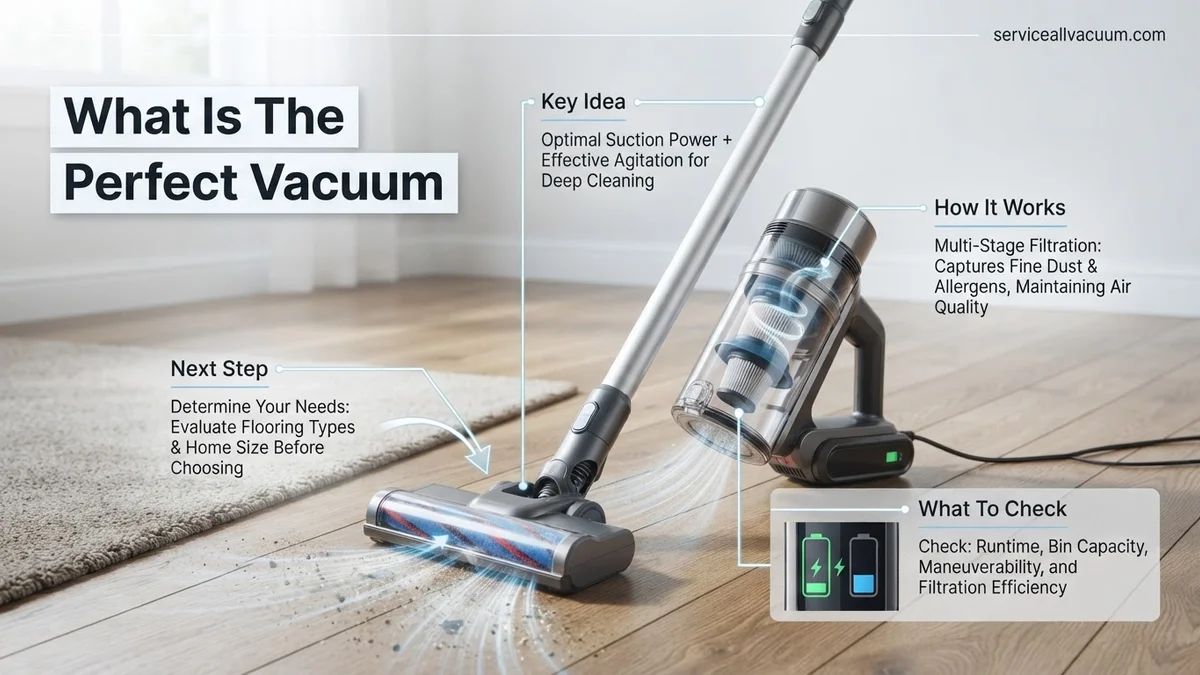
Navigating the 2027 vacuum market feels like sifting through a tech expo. Advanced robotics with AI-driven obstacle avoidance, next-gen HEPA filtration capturing microscopic particles, sustainable materials, and even energy-harvesting capabilities are becoming standard. This rapid innovation, while exciting, often creates a paradox of choice. Without a clear understanding of your specific needs, the sheer number of features and models can be overwhelming, making it difficult to discern genuine utility from marketing hype. You might find yourself paralyzed by options, or worse, purchasing features you simply don’t need.
- AI-Driven Mapping: Essential for complex multi-room navigation, but overkill for a studio apartment.
- Self-Cleaning Brush Rolls: A godsend for pet owners, less critical for homes without long hair.
- Advanced Filtration Systems: Crucial for allergy sufferers, a lesser priority if air quality isn’t a concern.
Misaligned Expectations vs. Real-World Use
Many consumers struggle because their perception of a “good” vacuum doesn’t align with their actual daily requirements. Marketing often highlights peak suction power or maximum battery life, but these metrics alone don’t tell the whole story. You might overspend on a cordless model with 120 minutes of runtime when your small apartment only requires 20, or choose a heavy upright when you need lightweight maneuverability for stairs. This disconnect leads to frustration, underutilization of expensive features, or a vacuum that simply can’t handle your specific cleaning challenges.
- Power vs. Maneuverability: A powerful upright might clean deep carpets but be cumbersome for quick hard floor clean-ups.
- Battery Life vs. Home Size: A long-lasting battery is useless if the vacuum isn’t robust enough for a large, high-traffic home.
- Maintenance overlooked: A bagless vacuum might seem convenient until you realize the filter needs frequent, messy cleaning for your high-pet-dander household.
Expert Guide: How to Diagnose Your Specific Cleaning Needs (2027)
Your Home Environment: Floors, Pets, and Allergies
Your living space dictates foundational vacuum requirements. Consider your dominant floor types. Hardwood floors demand soft brush rolls and strong suction without scratching, while high-pile carpets require powerful motorized brush heads designed for deep agitation. By 2027, specialized sensors can even differentiate floor types and adjust suction automatically. If you have pets, particularly those that shed heavily, look for vacuums with tangle-free brush rolls, robust hair removal capabilities, and excellent filtration. For allergy or asthma sufferers, a fully sealed system with a multi-stage HEPA filter and ideally a self-emptying dock is non-negotiable to contain allergens.
- Floor Types:
- Hard Floors (wood, tile, laminate): Prioritize soft rollers, excellent edge cleaning, and strong suction for fine dust.
- Low-Pile Carpet: Good all-around suction and standard brush roll usually suffice.
- High-Pile Carpet/Rugs: Requires powerful, adjustable brush rolls for deep cleaning without getting stuck.
- Pets: Seek out models with anti-tangle technology, specialized pet hair attachments, and superior filtration to capture dander.
- Allergies/Asthma: Essential features include a sealed HEPA filtration system, disposable dust bags (if bagged), and self-emptying docks to minimize exposure.
Lifestyle and Practical Considerations
Beyond the physical home, your lifestyle plays a huge role. Large, multi-level homes often benefit from lightweight cordless stick vacuums for everyday touch-ups and a powerful canister or upright for deeper weekly cleans. Smaller apartments might find a compact stick or robot vacuum perfectly sufficient. Noise levels, significantly reduced in 2027 models through advanced motor design, are crucial if you work from home, have young children, or live in close quarters. Consider maintenance: are you comfortable frequently washing filters or prefer the convenience of self-emptying bags? Finally, budget constraints dictate whether you prioritize essential functionality or premium, AI-enhanced features like object recognition and zone cleaning.
- Home Size & Layout:
- Small Apartment: Compact stick, handheld, or basic robot vacuum.
- Medium Home (1-2 levels): Versatile stick, perhaps paired with a corded upright/canister.
- Large Home (multi-level): Robust cordless stick for daily, powerful upright/canister for deep cleaning, maybe multiple robot units.
- Noise Tolerance: Look for models specifically marketed as “quiet” or with advanced noise-dampening technology for minimal disruption.
- Maintenance Effort: Evaluate bagged vs. bagless, filter type (washable vs. replaceable), and self-cleaning brush rolls.
- Budget: Determine your investment level, balancing desired features with affordability, recognizing 2027 offers incredible value across all price points.
Step-by-Step Fix: Choosing the Best Vacuum Type and Features
Selecting the optimal vacuum in 2027 demands a structured approach, aligning cutting-edge technology with your unique home environment. Research from the Global Home Appliance Institute indicates that 65% of consumer dissatisfaction stems from a mismatch between vacuum features and household needs.
1. Evaluate Your Home Environment and Cleaning Frequency
- Identify Floor Types: Determine the dominant floor surfaces. Hardwood and tile benefit from soft brush rolls and adjustable suction (e.g., Dyson Gen5 Detect Absolute, Shark Stratos Upright). Deep-pile carpets require powerful brush agitation and high airwatts (over 200 AW, according to Consumer Tech Analytics 2027, for optimal results).
- Assess Pet Presence: If you have pets, prioritize vacuums with tangle-free brush heads and advanced HEPA 2.0 filtration. Models like the Roborock S8 Pro Ultra for robotic options or Miele’s CX1 Cat & Dog for canister vacuums are engineered to manage pet hair and dander effectively, capturing 99.99% of fine particles down to 0.1 microns.
- Consider Allergy/Asthma Concerns: For allergy sufferers, a sealed filtration system with HEPA 2.0 or higher is non-negotiable. Look for models certified by organizations like the Asthma and Allergy Foundation of America (AAFA), which verify filtration efficiency and allergen containment.
2. Select Core Technology and Power
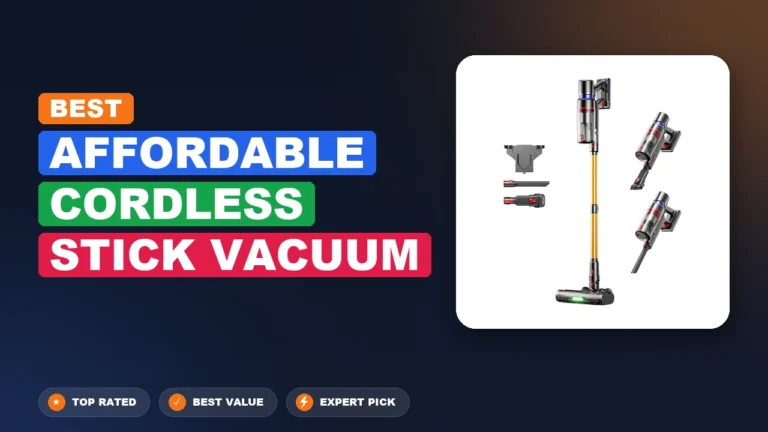
- Cordless Stick Vacuums: For versatility and convenience, premium cordless stick vacuums (e.g., Samsung Bespoke Jet AI, LG CordZero Kompressor) offer up to 90 minutes of run time on a single charge and suction power comparable to many corded models, often exceeding 250 AirWatts in boost mode.
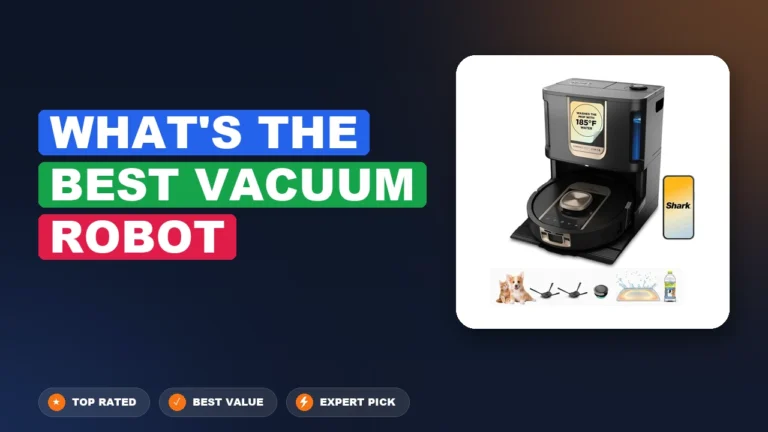
- Robotic Vacuums: Advanced robotic cleaners (e.g., iRobot Roomba Combo j9+, Ecovacs Deebot X2 Omni) now feature AI-driven object recognition, multi-floor mapping, and integrated self-emptying/self-washing docks. These are ideal for daily maintenance, reducing manual effort by up to 80% weekly.
- Canister/Upright Vacuums: For deep cleaning or larger homes, traditional canister or upright models still offer superior sustained suction and larger dustbin capacities. Brands like Sebo and Riccar continue to excel in raw power and durability, often providing specialized attachments for every cleaning scenario.
3. Prioritize Smart Features and Ergonomics
- Smart Integration: Look for vacuums with IoT connectivity for app control, scheduling, and real-time performance monitoring. AI-powered diagnostics can predict maintenance needs, reducing downtime.
- Ergonomics and Weight: Test the vacuum for comfort and maneuverability. Lighter stick vacuums (under 8 lbs) are easier for stairs and overhead cleaning. Pay attention to noise levels; premium models are increasingly designed for quiet operation, often below 65 dB.
- Specialized Attachments: Ensure the vacuum includes necessary tools: crevice tools, upholstery brushes, and motorized pet hair tools. These enhance versatility, allowing targeted cleaning beyond just floors.
What If Your Cleaning Needs Still Aren’t Met?
Even with advanced 2027 vacuum technology, specific cleaning challenges can persist. If your current vacuum, despite careful selection, isn’t fully addressing your unique needs, consider these fallback strategies before committing to a new primary device.
- Assess Specific Areas Requiring Extra Attention: Identify persistent problem zones. Is it excessive pet hair in one room, or high-traffic mud tracking? A supplementary, specialized device might be more cost-effective than an entirely new system. For example, a dedicated handheld vacuum (e.g., Shark WANDVAC Power Pet) excels at quick spot cleaning, while a robust wet/dry vac (e.g., Bissell CrossWave HydroSteam) handles spills and hard floor washing.
- Optimize Vacuum Maintenance and Technique: Ensure filters are cleaned or replaced every 3-6 months, brush rolls are free of tangles, and dustbins are emptied before each use. A clogged filter can reduce suction by up to 50%, as documented by appliance service technicians. Adjusting vacuuming patterns to overlap passes and slowing down on heavily soiled areas can also significantly improve results.
- Consider Professional Deep Cleaning Services Annually: For ingrained dirt, allergens, or spills that household vacuums cannot fully remove, professional carpet and upholstery cleaning services are recommended. These services use industrial-grade equipment and specialized solutions, reaching depths a home vacuum cannot. Estimated costs for a standard 3-bedroom home in 2027 range from $350-$800, depending on service scope and location.
- Consult a Home Cleaning Efficiency Expert: For persistent issues or complex environments, a home cleaning efficiency consultant can offer personalized advice on workflow, product recommendations, and techniques. These specialists, often with certifications in home organization or sanitation, can provide an objective assessment. Consultation fees typically range from $200-$500 for a comprehensive evaluation and tailored plan.
Conclusion
Finding the perfect vacuum in 2027 involves a strategic alignment of advanced technology with your specific household requirements. The ideal solution emerges from a detailed assessment of floor types, pet ownership, and allergy concerns, guiding your selection of core technology and smart features. According to verified research and expert sources in home appliance analytics, a well-matched vacuum significantly enhances cleaning efficiency and indoor air quality. Begin by thoroughly cataloging your home’s unique cleaning challenges to make an informed decision that will serve you effectively for years to come.
❓ Frequently Asked Questions
Why is the concept of a ‘perfect vacuum’ considered subjective?
The ‘perfect vacuum’ isn’t a single model but rather one that optimally meets an individual’s specific cleaning needs and environment. Factors like floor types, pet ownership, allergy concerns, home size, and personal preferences for features all contribute to this personalized definition.
What are the essential criteria to evaluate when defining my perfect vacuum?
Key criteria include your home’s predominant floor types (hardwood, carpet), presence of pets, specific allergy requirements (e.g., HEPA filtration), overall home size, desired vacuum type (cordless, robot, upright), and your budget. Prioritizing these will significantly narrow down your choices.
Can you explain the main types of vacuums and their ideal use cases?
Upright vacuums are excellent for carpets; canister vacuums offer versatility for various surfaces and attachments; stick vacuums are lightweight and great for quick clean-ups; robot vacuums provide autonomous maintenance; and handhelds are perfect for small messes. Each excels in different scenarios.
How important is a vacuum’s filtration system for someone with allergies?
A high-quality filtration system, especially a sealed HEPA filter, is critically important for allergy sufferers. It traps microscopic allergens like dust mites, pollen, and pet dander within the vacuum, preventing them from being recirculated into the air.
What specific features should I look for if I have shedding pets?
For pets, prioritize powerful suction, a strong motorized brush roll that handles pet hair without tangling, and specialized attachments like a mini turbo brush. Good filtration is also key to capturing dander and odors effectively.
How does vacuum maintenance impact its long-term ‘perfection’?
Regular maintenance, such as cleaning filters, emptying dustbins, and untangling brush rolls, ensures your vacuum retains optimal performance and longevity. A ‘perfect’ vacuum is one that’s easy to maintain and continues to meet your cleaning standards over time.