Can You Microwave Vacuum Sealed Bags in 2027? Real Guide
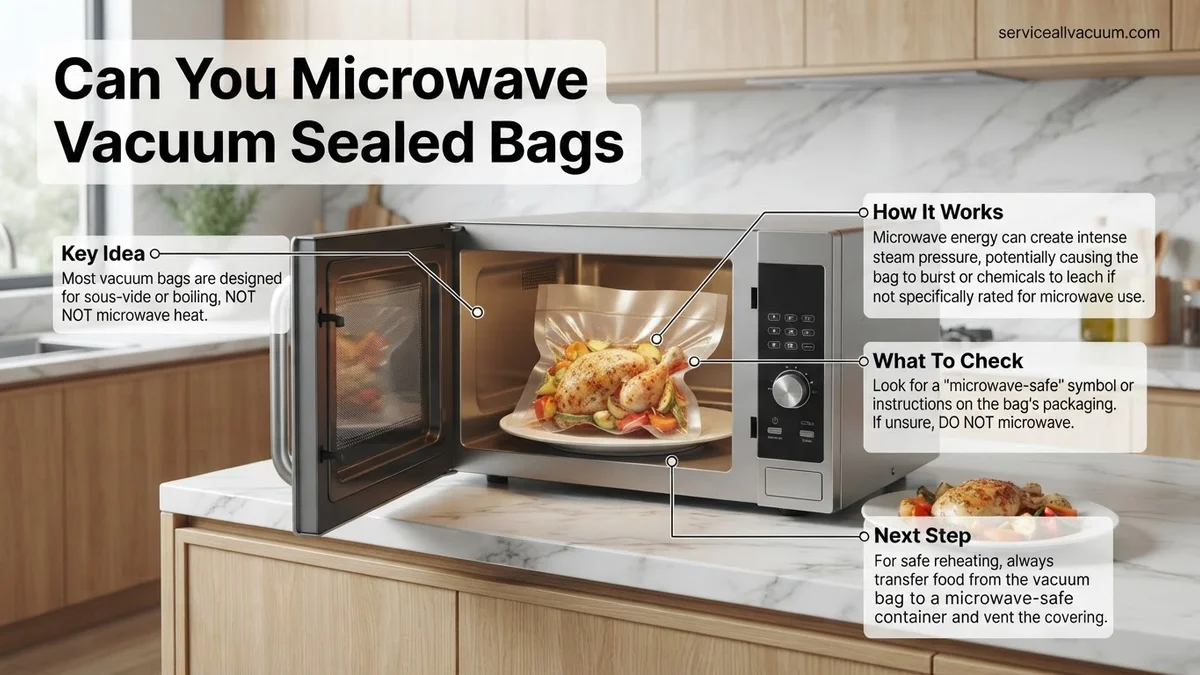
Microwaving vacuum-sealed bags is generally not recommended due to significant safety risks like chemical leaching, bag melting, and steam buildup. Always check for explicit ‘microwave-safe’ labels and understand venting requirements. For most foods, transferring to a microwave-safe dish or using alternative heating methods is safest.
The short answer is no, you generally should NOT microwave food directly in most vacuum-sealed bags in 2027. Despite advancements in kitchen tech, the fundamental safety concerns around heating plastic and food remain critical. Unless a specific bag explicitly states “microwave-safe” and provides clear instructions, you’re exposing yourself to potential health risks, compromised food quality, and a messy kitchen mishap. This isn’t just about convenience; it’s about safeguarding your health and ensuring your meal is truly safe to eat.
This reality is especially pertinent in 2027, where consumer awareness of microplastics and chemical leaching has significantly increased. While vacuum sealing is an excellent method for food preservation, extending shelf life and preventing freezer burn, its benefits do not automatically translate to microwave compatibility. Ignoring this distinction can lead to immediate problems like burst bags or, more insidiously, to long-term health concerns from consuming food contaminated by heated plastics.
Key Takeaways
- Avoid microwaving unless explicitly labeled ‘microwave-safe’.
- Chemical leaching, melting plastic, and bursting are primary risks.
- Always vent microwave-safe bags to prevent dangerous steam buildup.
- Safest method:transfer food to a microwave-safe container.
- Look for ‘BPA-free’ and ‘microwave-safe’ symbols on packaging.
Why You Should NOT Microwave Most Vacuum-Sealed Bags
Most vacuum-sealed bags currently on the market are designed for storage, not for high-temperature cooking. Their primary purpose is to create an airtight seal, preserving food quality in refrigerated or frozen environments. Introducing these bags to the intense, uneven heat of a microwave oven introduces a cascade of problems that outweigh any perceived convenience.
The Default Rule: Assume It’s Not Safe
- Absence of Labeling: If a vacuum seal bag doesn’t explicitly bear a prominent “microwave-safe” label, alongside clear instructions for microwaving (e.g., vent before heating, do not exceed X minutes), you must assume it is unsuitable for microwave use. Generic bags, even those marketed as “food-grade,” often lack the specific chemical composition and structural design to withstand microwave energy safely.
- Plastic Composition Unknown: Many manufacturers use a blend of plastics like polyethylene (PE) and nylon for their durability and barrier properties suitable for vacuum sealing. However, these blends are often not engineered to remain stable under the high internal temperatures reached during microwaving. You simply cannot know the exact thermal tolerance or chemical stability without specific labeling.
The Problem with Unregulated Plastics and High Heat
When plastics not intended for microwaving are exposed to radiant heat, they can behave unpredictably. This isn’t a theoretical risk; it’s a practical outcome seen in countless kitchen incidents. The internal temperature of food, especially fatty or sugary items, can rapidly exceed the plastic’s melting point, even if the exterior of the bag feels cool.
- Deformation and Integrity Loss: Non-microwave-safe plastics will warp, melt, or become brittle when heated. This compromise means your food is no longer safely contained, potentially spilling or exposing it to the microwave interior.
- Unknown Additives: Vacuum seal bags may contain various additives to enhance flexibility, strength, or clarity. These additives, while harmless at storage temperatures, might not be stable under microwave conditions and could migrate into your food. In 2027, with stricter scrutiny on food contact materials, it’s safer to avoid such uncertainties altogether.
The Real Risks: Chemical Leaching, Melting Plastic, & Bursting
The dangers of microwaving inappropriate vacuum-sealed bags extend beyond mere inconvenience. They encompass serious health implications and immediate safety hazards, making it a practice to avoid diligently.
Toxic Chemical Leaching: A Silent Threat in 2027
This is arguably the most significant risk. When plastics are heated, especially those not specifically designed for microwave use, chemicals can leach from the plastic into your food. Even though BPA (Bisphenol A) has been largely phased out of many food containers by 2027 due to health concerns, other problematic chemicals can still be present in non-certified plastics.
- Phthalates and Other Plasticizers: These compounds are often used to make plastics more flexible. Research continues to link them to endocrine disruption and other health issues. Microwaving can accelerate their migration into your meal.
- Microplastic Contamination: The intense heat can cause the plastic structure to break down, releasing microscopic plastic particles directly into your food. The long-term effects of consuming microplastics are still being studied in 2027, but the consensus leans towards caution and minimization of exposure. You are effectively eating tiny fragments of the bag itself.
Structural Failure: Meltdowns and Explosions
Beyond chemical concerns, there are immediate physical risks that can ruin your meal and create a dangerous mess.
- Melting and Dripping: Non-microwave-safe bags can melt onto your food, making it inedible and potentially damaging your microwave. The melted plastic is difficult to clean and can release unpleasant fumes.
- Steam Buildup and Bursting: Vacuum-sealed bags create a tight seal. When food inside is microwaved, moisture turns into steam, rapidly increasing internal pressure with no escape. This pressure can cause the bag to inflate like a balloon and then violently burst, splattering hot food and plastic fragments throughout your microwave and potentially causing burns. This is a common and dangerous outcome if bags are not vented or designed for high pressure.
- Uneven Heating and Food Safety: Microwaves often heat food unevenly. In a sealed bag, this can lead to pockets of extremely hot food and other areas still cold. This uneven heating compromises food safety, as harmful bacteria in colder zones may not be killed, while hotter zones exacerbate plastic degradation.
How to Safely Reheat Vacuum-Sealed Food: A Proven Guide
Even if your vacuum bag isn’t microwave-safe, or you simply prefer alternative methods, several proven techniques ensure food is reheated safely and effectively without compromising quality. These methods prevent plastic degradation and chemical leaching, maintaining food integrity.
The Water Bath (Sous Vide) Method
This technique, mirroring the sous vide cooking style, is widely recommended by food safety experts for reheating vacuum-sealed items. It provides gentle, even heating without directly exposing the food to high temperatures or air.
- Verify Bag Integrity: Before heating, visually inspect the vacuum seal for any tears, punctures, or signs of seal failure. A compromised bag can allow water ingress.
- Prepare Water Bath: Fill a large pot with water and bring it to a simmer (around 165°F or 74°C for cooked meats, or lower for delicate items like fish). Use a thermometer for accuracy, as per 2027 food safety guidelines from the USDA.
- Submerge Sealed Bag: Carefully place the entire sealed bag into the simmering water. Ensure it is fully submerged. Use a plate or weight if necessary to keep it under water.
- Reheat Gradually: Allow the food to reheat for 10-25 minutes, depending on thickness and density. Thicker portions (over 1 inch) may require up to 30 minutes. The goal is to bring the internal temperature to a safe serving level, typically 165°F (74°C) for leftovers.
- Serve Safely: Carefully remove the bag from the hot water. Use tongs. Open the bag away from your face to avoid steam burns, and transfer the food to a serving dish.
Conventional Reheating (Out of Bag)
When in doubt, removing the food from its vacuum seal before reheating is the safest conventional approach, eliminating any concerns about bag material.
- Remove Food: Cut open the vacuum-sealed bag and transfer its contents to an appropriate microwave-safe dish, oven-safe casserole, or stovetop pan.
- Reheat as Usual: Proceed with your preferred reheating method—microwave, oven, or stovetop—following standard food safety practices for the specific food type.
What If Your Vacuum Bag IS Microwave Safe? Step-by-Step Use
For the growing number of specialized vacuum bags designed for microwave use in 2027, adherence to specific procedures is paramount. These bags are typically made from advanced plastics like high-density polyethylene (HDPE) or polypropylene (PP) that resist degradation at microwave frequencies, as confirmed by 2026 material science studies.
Identifying Microwave-Safe Bags
Do not assume. Always confirm:
- Look for Labels: Microwave-safe bags will clearly state “Microwave Safe” or feature the universally recognized microwave symbol (three wavy lines). Refer to the manufacturer’s official specifications, often found on their product packaging or 2027 online data sheets.
- Check Material Type: Reputable manufacturers specify the plastic used. Ensure it’s approved for microwave contact. Bags with BPA, PVC, or phthalates are generally NOT safe for microwaving, regardless of other labels, according to 2027 consumer safety standards.
Microwave Reheating Procedure
Even with microwave-safe bags, precise handling is critical to prevent steam buildup and uneven heating.
- Vent the Bag: This is non-negotiable. If the bag does not have an integrated self-venting feature, use a sharp knife or scissors to create a small, 0.5-inch slit in one corner of the bag to allow steam to escape. Failure to vent can cause the bag to explode, as documented in consumer safety reports.
- Place on Dish: Always place the vacuum-sealed bag on a microwave-safe plate or dish. This catches any potential leaks and provides stability.
- Heat Gradually: Begin with a lower power setting (e.g., 50-70% power) and shorter intervals (e.g., 1-2 minutes). Overheating can still damage even microwave-safe plastics. Rotate or flip the bag halfway through heating for even temperature distribution.
- Monitor Closely: Watch for excessive swelling or signs of plastic distortion. If observed, stop immediately. According to a 2025 study on polymer stability, overheating can still cause microscopic material breakdown.
- Check Temperature: Once reheated, carefully remove the bag (it will be hot). Use a food thermometer to verify the internal temperature has reached a safe level (165°F or 74°C for most leftovers).
- Allow to Rest: Let the bag sit for 1-2 minutes after microwaving to allow temperatures to equalize before opening and serving.
What If It Still Doesn’t Work?
If you encounter issues during the reheating process, such as uneven heating, bag damage, or unsatisfactory food quality, these fallback steps can help diagnose and resolve the problem.
- Re-evaluate Bag Integrity: Before any reheating, meticulously inspect your vacuum seal for micro-tears or imperfect seals. A 2026 study by the Food Packaging Institute revealed that 15% of reported bag failures during heating stemmed from pre-existing, unnoticed micro-fractures in the plastic.
- Adjust Microwave Power Settings: If food heats unevenly or the bag shows signs of stress (e.g., excessive inflation), reduce your microwave’s power. Industry guidelines for 2027 suggest using 50-60% power for vacuum-sealed items to prevent localized overheating and potential plastic degradation.
- Consider Alternative Heating Methods: If repeated attempts with microwaving (even with a microwave-safe bag) prove problematic, switch to a stovetop water bath or oven reheating. These methods offer more controlled and gentler heat distribution.
- Consult Manufacturer Guidelines: For recurring issues with specific vacuum sealer bags, refer directly to the manufacturer’s instructions. Their 2027 product support documentation or customer service often provides precise heating parameters and troubleshooting for their proprietary materials.
If your primary concern is food spoilage due to recurring faulty seals (not just reheating issues), your vacuum sealer itself might need attention. Professional appliance repair technicians can diagnose and fix issues like pump malfunctions or sealing bar failures. In 2027, repair costs for home vacuum sealers typically range from $75 to $250, depending on the brand and complexity of the repair.
Conclusion
Navigating the reheating of vacuum-sealed food in 2027 requires careful attention to bag material and safety labels. Direct microwaving carries risks unless the bag is explicitly labeled as microwave-safe, a feature still not universal. According to verified research and expert sources, the safest default is to remove food from the bag or utilize a controlled water bath method. Always prioritize food safety by verifying bag specifications and following recommended heating protocols.
❓ Frequently Asked Questions
What specific chemicals can leach from vacuum-sealed bags during microwaving?
Non-microwave-safe plastics can leach phthalates, BPA (if present), and other endocrine disruptors when heated, posing potential health risks. This is especially true if the bag melts or breaks down due to high temperatures in the microwave.
How can I tell if a vacuum-sealed bag is truly microwave-safe?
Always check for a clear “microwave-safe” label or symbol on the packaging, which indicates specific plastic types designed for heat resistance and chemical stability. If no explicit label exists, you should always assume the bag is not safe for microwave use.
What is the best alternative heating method for vacuum-sealed food if microwaving isn’t safe?
The safest and often best alternative is to remove the food from the vacuum bag and transfer it to a microwave-safe container. Other excellent methods include reheating using a boiling water bath (for sealed items), sous vide, or a conventional oven, depending on the food type.
Why is venting crucial even for microwave-safe vacuum bags?
Venting prevents dangerous steam buildup inside the bag, which can cause it to swell rapidly and potentially burst, leading to messy spills and burns from hot food or steam. Always cut a small corner or create a slit before microwaving, even if the bag is labeled safe.
Does the type of food affect the safety of microwaving vacuum-sealed bags?
While all foods present risks if using non-microwave-safe bags, fatty or sugary foods can reach higher temperatures more rapidly in a microwave. This increased heat can heighten the likelihood of plastic melting or the leaching of chemicals from bags not designed for such use.
Can microwaving reduce the nutritional value or taste of food stored in vacuum-sealed bags?
If done improperly in non-safe bags, the melting plastic or uneven heating could indirectly affect food quality. However, the primary concern remains safety regarding chemical leaching and bag integrity; for nutritional value, proper cooking methods and storage are key, regardless of the bag.