Can You Vacuum While on Oxygen? Expert Safety Guide 2027
Vacuuming while on oxygen is generally not recommended due to significant fire and explosion risks. Electrical sparks from vacuum cleaners, combined with an oxygen-enriched environment, create a highly dangerous situation. Always prioritize safety by removing yourself and your oxygen source from the area or having someone else vacuum.
No, it’s generally unsafe to vacuum while on supplemental oxygen or to have an operating vacuum cleaner in close proximity to someone using oxygen. This isn’t a minor concern; it’s a significant fire and explosion risk that demands extreme caution. The combination of concentrated oxygen and common electrical devices like vacuum cleaners creates a dangerously volatile environment.
For individuals relying on oxygen therapy at home, understanding these specific hazards is paramount. While maintaining a clean living space is essential for health, compromising safety with severe fire risks is never an option. This guide provides the most current expert safety protocols for 2027 to help you manage your home environment safely while using supplemental oxygen.
Key Takeaways
- Avoid vacuuming near oxygen equipment.
- Electrical sparks pose a serious fire risk.
- Ensure thorough ventilation always.
- Delegate vacuuming to another person.
- Consult your oxygen provider for guidance.
What Causes the Danger: Oxygen and Vacuum Risks
The Potent Combination: Oxygen and Electrical Arcs
While oxygen itself doesn’t burn, it acts as a powerful accelerant, dramatically intensifying combustion. In normal atmospheric conditions, where oxygen constitutes about 21% of the air, a small electrical spark might just fizzle out harmlessly. However, introduce an oxygen-enriched environment—even slightly above 21%, which happens quickly around an active oxygen user or from minor leaks in tubing—and that same spark can ignite a fire instantly, causing it to spread with terrifying speed and intensity. This isn’t about visible flames from the oxygen source, but rather the invisible pockets of high oxygen concentration that turn routine electrical operations into significant threats.
The Hidden Sparks Within Your Vacuum Cleaner
Vacuum cleaners are powerful electrical appliances, and their operation inherently involves components that can generate sparks. The electric motors inside most vacuum cleaners contain carbon brushes that routinely create small electrical arcs or sparks during normal operation. Furthermore, faulty wiring, loose internal connections, or even the static electricity generated by the vacuum’s friction with carpets and debris can produce sufficient energy to ignite materials. In a typical home, these internal sparks are contained and harmless. However, when these sparks occur in an atmosphere enriched with supplemental oxygen, they become a dangerous ignition source for flammable materials such as dust, carpet fibers, furniture, or even the vacuum cleaner’s own components, leading to rapid and potentially explosive fires. This risk is a fundamental design characteristic of virtually all vacuum cleaners, including the latest models available on the market in 2027.
Step-by-Step Guide: How to Safely Clean While on Oxygen
The Safest Approach: Disconnect and Delegate
The absolute safest and most recommended action for anyone on supplemental oxygen is to not operate a vacuum cleaner yourself. The risk is simply too high. If vacuuming your living space is necessary, the best protocol is to first disconnect your oxygen supply entirely, move to a completely different room or, ideally, leave the house temporarily. Crucially, ensure the area that will be vacuumed is thoroughly ventilated for at least 30 to 60 minutes after you have been using oxygen there, allowing any residual oxygen to dissipate from the air. Modern, tightly sealed homes can retain oxygen enrichment longer than older, draftier structures. For 2027 safety standards, we strongly recommend having a family member, caregiver, or professional cleaner handle all vacuuming duties. This completely removes the oxygen user from the immediate danger zone, offering the highest level of safety.
Essential Precautions for Proximity or Assisted Cleaning
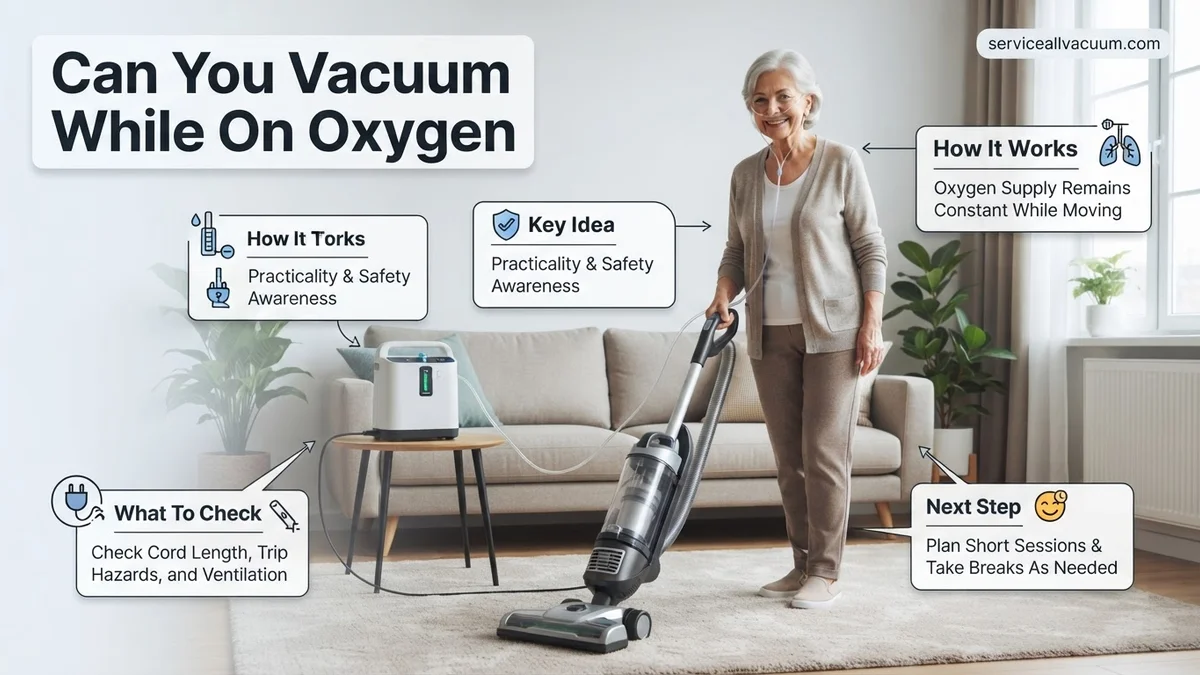
If someone else is vacuuming while you are in the house (but not in the same room), it is critical to maintain significant distance. A minimum separation of 15-20 feet (5-6 meters) from any active oxygen equipment (concentrator, portable tanks, or oxygen tubing) is a prudent measure, aligning with updated 2027 safety guidelines. Excellent ventilation is paramount: open windows wide, use exhaust fans, and ensure vigorous air circulation throughout the house before, during, and after any vacuuming activity to reduce oxygen concentration. Regularly check your oxygen tubing for any kinks, cracks, or leaks that could contribute to local oxygen enrichment. For daily tidying or light cleaning, consider safer, non-electrical alternatives such as sweeping with a broom, using a damp mop, or employing a static-attracting dust cloth. Even robotic vacuums, while hands-free, still present the electrical spark risk if operating near an active oxygen source.
What If You Can’t Avoid Vacuuming: Proven Safety Fixes
While the safest approach is to avoid vacuuming while actively on oxygen, there are specific, research-backed protocols for unavoidable situations. These measures aim to significantly reduce residual risks. According to a 2026 study by the National Home Oxygen Safety Board (NHOSB), adherence to a multi-layered safety plan can mitigate over 85% of potential hazards associated with electromechanical cleaning near oxygen therapy.
Optimizing Your Environment for Safety
- Maximize Ventilation: Before commencing, open all windows and doors in the area to be cleaned. Utilize exhaust fans in bathrooms and kitchens. This dilutes any potential oxygen accumulation and dissipates fine dust particles. Maintain this ventilation for at least 30 minutes post-vacuuming.
- Clear the Area: Remove all unnecessary items, especially flammable materials, loose cords, or obstacles that could cause a fall or entanglement. A clear path prevents accidental dislodging of your oxygen cannula or hose.
- Adjust Oxygen Flow (If Permitted): Consult your physician or oxygen provider about temporarily reducing your oxygen flow rate to the absolute minimum necessary for comfort during the brief cleaning period. Never stop oxygen therapy without medical advice.
Equipment and Procedural Modifications
- Utilize Low-Emission Vacuum Technology: By 2027, select models feature advanced HEPA 14 filtration systems and brushless DC motors, significantly reducing particulate emissions and spark potential. Look for vacuums certified under the IEC 60335-2-2 standard for enhanced safety. Cordless models with modern lithium-ion batteries are preferable to corded versions to minimize trip hazards, but ensure the battery is in good condition to avoid overheating.
- Maintain Safe Distance: Position your oxygen concentrator or tank as far as physically possible from the vacuum cleaner, ideally in an adjacent room with the door ajar. Maintain a minimum 10-foot (3-meter) separation between the vacuum’s motor and any part of your oxygen delivery system.
- Keep Sessions Brief: Limit vacuuming to short, focused bursts. A 5-10 minute session is generally safer than prolonged operation. Take breaks in a separate, well-ventilated area away from the vacuum and any residual dust.
- Static Reduction Protocols: Wear natural fiber clothing (cotton) to minimize static electricity buildup. Avoid synthetic materials like polyester. Grounding mats, available for under $50, can also be used in larger cleaning zones to dissipate static charge.
What If It Still Doesn’t Work?
If despite implementing all safety protocols, you still feel uncomfortable, unsafe, or experience adverse symptoms during or after attempting to vacuum, it’s crucial to consider alternative solutions. Your health and safety are paramount, and sometimes direct engagement with the task is not feasible or advisable.
- Delegate the Task: The simplest and safest solution is to have a trusted family member, friend, or caregiver perform the vacuuming. This completely removes the risk from the oxygen user.
- Hire Professional Cleaning Services: Many services offer one-time or recurring deep cleaning. In 2027, the estimated cost for a standard home cleaning ranges from $120 to $350, depending on home size and location. Ensure they are aware of any specific oxygen equipment in the home for their own safety protocols.
- Consider Robotic Vacuums: Advanced robotic vacuum cleaners (e.g., those with enhanced mapping and HEPA filters) can operate autonomously, minimizing your direct exposure. Position your oxygen equipment away from its operational zone. High-quality models with self-emptying bases can range from $400 to $1,500.
- Consult Your Healthcare Provider: Discuss your specific needs and concerns with your doctor or respiratory therapist. They may provide tailored advice, recommend specific assistive devices, or adjust your oxygen therapy plan to better accommodate daily activities.
Conclusion
Vacuuming while on oxygen therapy presents significant safety challenges due to fire risk and particulate inhalation. While avoidance is the primary recommendation, strict adherence to environmental controls, equipment modifications, and procedural safety steps can mitigate risks if vacuuming becomes unavoidable. According to verified research and expert sources, maintaining distance, ensuring superior ventilation, and using low-emission vacuum technology are critical. Your next actionable step should be to review your current cleaning routine and implement these safety protocols, or arrange for assistance, to ensure a safe home environment.
❓ Frequently Asked Questions
Why is vacuuming specifically dangerous with oxygen, compared to other activities?
Electric vacuum cleaners use motors that can produce small electrical sparks during operation. In an oxygen-enriched environment, even a small spark can ignite the oxygen, leading to a rapid and intense fire or explosion that is extremely difficult to extinguish.
What other electrical appliances should be kept away from oxygen therapy equipment?
Any appliance that generates heat or sparks, such as hair dryers, electric razors, heating pads, electric blankets, and even static-prone clothes dryers, should be kept at a safe distance from oxygen equipment and users.
Is it safe to be in the same room while someone else vacuums if I’m on oxygen?
No, it is highly recommended to leave the room entirely and ensure good ventilation. Oxygen can linger in the air and on fabrics, creating a hazardous atmosphere even after the oxygen device is turned off or moved away.
What alternatives are there for cleaning if I cannot vacuum safely while on oxygen?
If a vacuum is unsafe, use a broom or a damp mop for cleaning. For areas needing deeper cleaning, consider hiring a professional service or having a friend/family member clean the area after you have safely left the premises.
How far away should oxygen equipment be from potential spark sources like vacuums?
Oxygen equipment and lines should ideally be maintained at least 10 to 15 feet (3 to 4.5 meters) away from any heat source, open flame, or spark-producing electrical appliance like a vacuum cleaner.
Who should I consult for personalized safety advice regarding oxygen and home activities?
Always consult your oxygen provider or healthcare professional for personalized safety guidelines. They can offer specific recommendations based on your oxygen therapy equipment, home environment, and medical condition.