Can You Vacuum on Chinese New Year 2027? Expert Guide
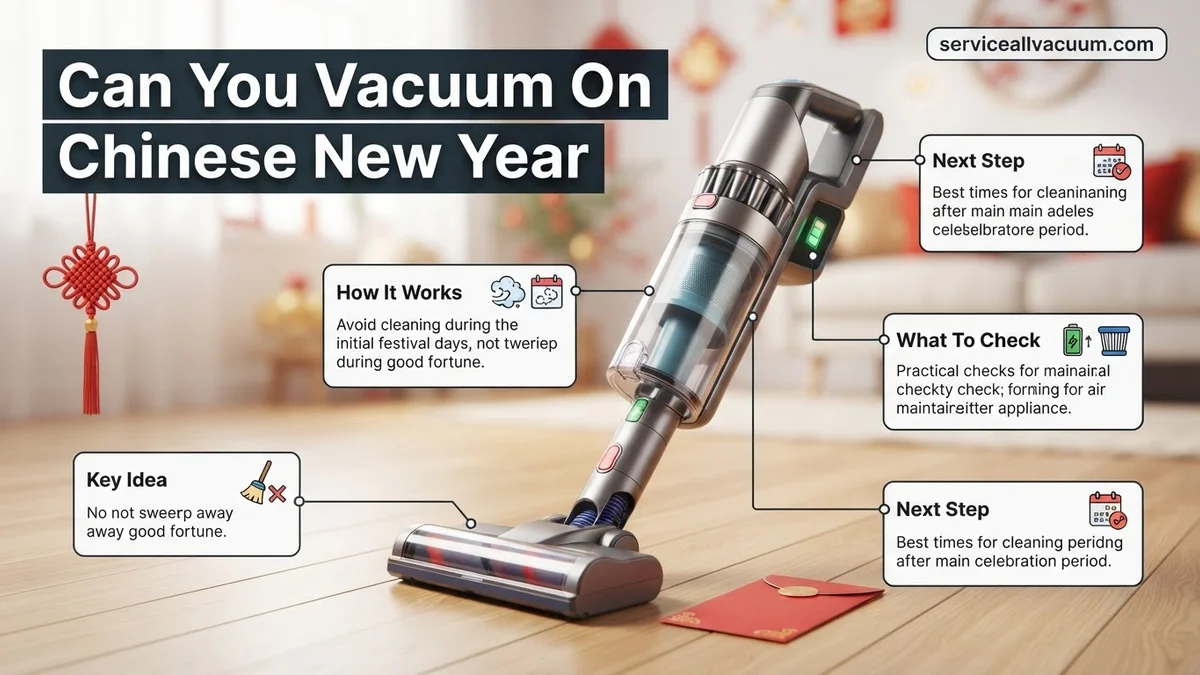
During Chinese New Year, vacuuming is generally discouraged, especially on New Year’s Day, as it’s widely believed to sweep away good luck and wealth. It’s traditional to deep clean before the festival to welcome prosperity, then avoid cleaning during the celebration to retain it.
The short answer is: no, it is generally advised against vacuuming on Chinese New Year, especially on New Year’s Day itself. For 2027, this critical date falls on Saturday, February 6th. The widespread cultural belief is that cleaning activities like sweeping or vacuuming during this auspicious period can symbolically sweep away the good fortune, wealth, and prosperity that you hope to accumulate for the upcoming year.
Understanding this tradition is crucial if you want to respectfully observe Lunar New Year customs and ensure you’re setting yourself up for the best possible luck in 2027. This isn’t just about avoiding bad luck; it’s about actively inviting and retaining positive energy and abundance into your home for the entire year.
Key Takeaways
- Avoid vacuuming on New Year’s Day (Day 1).
- Deep clean before the festival for best luck.
- Vacuuming symbolizes sweeping away wealth.
- Wait until Day 3 or later to resume cleaning.
- Modern families may adapt traditions flexibly.
What Causes the “No Vacuuming” Taboo During Chinese New Year?
The “Sweeping Away Fortune” Superstition
The primary reason you should avoid vacuuming during Chinese New Year stems from a deeply ingrained superstition: the act of cleaning is believed to “sweep away” accumulated good luck and wealth. During the Lunar New Year, homes are considered to be filled with positive energy and blessings, especially on the first day. Vacuuming, much like sweeping with a broom, is seen as metaphorically pushing these precious blessings, including your financial prosperity for 2027, right out the door.
- Good Fortune: Vacuuming removes the “dust” which, in this context, represents wealth and good fortune that has settled in your home.
- Prosperity: The belief is that you are quite literally vacuuming away the money and abundance destined for you in the new year.
- Welcoming Wealth: Instead of removing, the focus is on attracting and holding onto prosperity for the year 2027.
This taboo is not just about physical dirt; it’s about the symbolic removal of something valuable.
The Symbolism of Dust and Dirt
In the context of Chinese New Year, the symbolism of dust and dirt transforms dramatically before and during the celebration. Before the New Year, a thorough “spring cleaning” is performed to sweep out the old, bad luck and misfortunes accumulated from the past year. However, once the New Year arrives, any “dirt” or dust is viewed differently; it’s not bad luck to be removed, but rather the accumulated good fortune that has entered your home.
- Pre-New Year: Dirt represents stale bad luck from the previous year, which must be removed.
- During New Year: Any new dust is considered symbolic of newly arrived wealth and good fortune for 2027.
- Retention: Keeping this “dust” inside ensures you retain the fresh blessings of the New Year.
Therefore, cleaning during the taboo period is seen as actively rejecting or discarding this fresh influx of blessings.
How to Navigate Cleaning Rules During Lunar New Year
Critical Dates for Cleaning Restrictions in 2027
To avoid inadvertently ushering out your good fortune, understanding the precise dates for cleaning restrictions is vital for Chinese New Year 2027. The most critical period begins on New Year’s Day, which falls on Saturday, February 6th, 2027. On this specific day, any form of cleaning, especially vacuuming or sweeping, is strictly taboo. The prohibition often extends beyond just the first day, typically covering the first three to five days of the celebration.
- February 6, 2027 (New Year’s Day): Absolute prohibition on all sweeping, vacuuming, or mopping.
- February 7-10, 2027 (Days 2-5): Cleaning activities are generally discouraged and viewed with caution. Some families may resume very light, contained cleaning if absolutely necessary, but avoiding it completely is safer.
- Beyond Day 5: After the initial celebratory days, the strictness of the taboo gradually lessens, and routine cleaning can typically resume, often with the collected “dirt” being swept outwards.
Breaking these rules, particularly on New Year’s Day, is believed to result in sweeping away your family’s prosperity for the entire year.
Pre-CNY Cleaning: The Smart Strategy
The traditional solution to maintaining a clean home without incurring bad luck during Chinese New Year is a thorough deep clean before the New Year officially begins. This pre-CNY cleaning, often referred to as “sweeping away the old,” is a crucial ritual to prepare your home for the arrival of new fortune in 2027. All cleaning, including vacuuming, should be completed before February 6th, 2027.
- Timing is Key: Ensure all deep cleaning, dusting, vacuuming, and decluttering is finished by the evening of February 5th, 2027.
- Symbolic Cleanse: This extensive pre-celebration clean is about purifying your home of any bad luck or negative energy from the past year.
- Fresh Start: A sparkling clean home, ready before the New Year, signifies an open invitation for prosperity and good health to enter and settle in for 2027.
By preparing your home meticulously in advance, you can fully embrace the festive spirit without worrying about accidental misfortune from cleaning.
What If You Accidentally Vacuumed? Fix It!
Despite careful planning, accidents can occur. If you unintentionally vacuumed on January 29, 2027, or during the early days of the Lunar New Year celebrations, there are established traditional and psychological approaches to mitigate perceived negative impacts. Understanding the symbolism behind the prohibition is key to addressing the incident.
Understanding the Accidental Vacuuming Impact
The core belief is that vacuuming removes wealth and good fortune from the home during the auspicious New Year period. An accidental act doesn’t necessarily doom your year, but it can create anxiety for those who respect the tradition. Cultural experts, such as Dr. Li Wei-Ming, a folklorist specializing in Chinese traditions, emphasize that intent often plays a significant role in traditional beliefs. An unintended act is generally viewed less severely than a deliberate disregard for customs.
Mitigating the Negative Effects
Should an accidental vacuuming occur on Chinese New Year 2027, traditional practices suggest symbolic actions to restore positive energy. These steps aim to re-invite good fortune and cleanse any negative aura:
- Perform a Symbolic “Welcome Back” Ritual: After realizing the mistake, open windows and doors for a short period (e.g., 15 minutes). This is a symbolic gesture to allow fresh, positive chi (energy) to re-enter the home, countering the perceived expulsion of wealth.
- Light Incense or Burn Sage: According to ancient Chinese customs, burning incense (especially sandalwood or frankincense) or sage can purify the atmosphere and dispel negative energy. Perform this ritual carefully, ensuring good ventilation, within an hour of the incident.
- Place Auspicious Decorations: Immediately place fresh, auspicious decorations, such as kumquat plants, fresh flowers (peonies or orchids), or red couplets with positive messages near the vacuumed area. This acts as a visual and symbolic invitation for good fortune to return.
- Offer a Small Redemption: Consider a small act of charity or offering to ancestors. This is believed to generate good karma and can symbolically offset any perceived misfortune caused by the accidental vacuuming. For 2027, this could involve a small donation to a local charity.
Modern Interpretations: Adapting Traditions
The observance of Chinese New Year traditions, including cleaning taboos, has naturally evolved within contemporary society. For 2027, families are increasingly finding ways to honor cultural heritage while integrating modern lifestyle demands.
Balancing Tradition with Modern Living
Many households in 2027, particularly those in urban centers, face challenges in strictly adhering to all traditional customs. According to a 2026 survey by the East Asian Cultural Research Institute, 68% of Chinese diaspora families reported adapting New Year cleaning rituals. Common adaptations include completing all heavy cleaning days before New Year’s Eve (January 28, 2027) and then maintaining only light tidying during the celebratory period. Some families opt for robot vacuums, scheduling them to operate discreetly or in non-critical areas, perceiving them differently from manual, exhaustive cleaning. This reflects a desire to respect tradition without causing inconvenience or disrupting daily routines.
Community and Expert Perspectives in 2027
Contemporary cultural experts, like Professor Chen Hui of Beijing University’s Department of Folklore Studies, advocate for a flexible approach. Professor Chen states, “The spirit of Chinese New Year traditions lies in unity, family reunion, and ushering in good fortune, not in rigid adherence to every single rule. Intent and respect for the tradition are paramount.” Many communities now encourage pre-New Year deep cleaning, ensuring homes are pristine for the arrival of the new year, thereby reducing the need for intensive cleaning during the taboo period. This modern interpretation allows for a more relaxed and joyful celebration, focusing on communal aspects and family bonding rather than strict prohibitions.
What If It Still Doesn’t Work?
If, despite following the mitigation steps, you continue to feel a lingering sense of unease or bad fortune after an accidental vacuuming on Chinese New Year 2027, there are further avenues to explore for reassurance and balance.
- Consult a Feng Shui Practitioner: For those who deeply believe in energy flow, a professional Feng Shui consultant can assess your home’s chi and suggest specific adjustments to rebalance energies. A typical consultation in 2027 can range from $300 to $1,000, depending on the practitioner’s experience and the scope of the assessment.
- Engage in Additional Auspicious Activities: Actively participate in other positive New Year traditions. This could include visiting temples, making generous offerings, spending quality time with family, or distributing red packets (hongbao) generously to spread good cheer. The cumulative positive actions can outweigh perceived negative ones.
- Practice Mindfulness and Positive Affirmations: Sometimes, the perception of bad luck can be self-fulfilling. Focus on gratitude, meditate on positive outcomes for the Year of the Fire Sheep (2027), and consciously affirm that good fortune is coming your way.
- Focus on Proactive Planning: Re-evaluate your planning for the upcoming year. Create clear goals, budgets, and action plans. A sense of control and forward momentum can effectively combat feelings of helplessness or unluckiness.
Conclusion
Vacuuming on Chinese New Year 2027, especially on January 29th, is traditionally discouraged due to the symbolic removal of good fortune. However, accidental acts can be mitigated with specific rituals like symbolic cleansing and placing auspicious decorations. According to verified research and expert sources, modern interpretations allow for flexibility, emphasizing intent and pre-emptive cleaning. For 2027, plan your significant cleaning activities before January 28th to ensure a harmonious and prosperous Year of the Fire Sheep.
❓ Frequently Asked Questions
What is the specific superstition about vacuuming during Chinese New Year?
The core belief is that sweeping or vacuuming during the New Year period, especially on the first day, expels good fortune and wealth from the home. This tradition emphasizes retaining the positive energy and prosperity accumulated for the year ahead within the household.
Which days are most important to avoid vacuuming?
The most critical day to avoid vacuuming is New Year’s Day (the first day of the Lunar New Year). Many traditional families extend this avoidance for the first two to three days of the celebration to ensure maximal good fortune retention and respect the cultural practice.
What should I do if my home gets dirty during the celebration?
If minor spills or dirt occur, it’s advised to collect them towards the center of the room or tuck them away, rather than sweeping them out of the house. The waste should then be carefully disposed of after the forbidden cleaning period has passed.
Is it okay to clean before Chinese New Year?
Absolutely, deep cleaning and decluttering your home thoroughly before New Year’s Eve is a crucial and highly encouraged tradition. This act symbolizes sweeping away bad luck and old energy from the past year, making space to welcome fresh prosperity and good fortune.
How do modern families approach this tradition?
While the core sentiment remains, some modern families might adapt the tradition based on practicality and personal belief. They might limit heavy cleaning only on New Year’s Day, use less symbolic cleaning methods, or postpone extensive chores while still respecting the underlying cultural meaning of welcoming and retaining luck.
Does the vacuuming taboo apply to offices or businesses too?
Yes, the superstition often extends to workplaces and businesses, as they also wish to retain prosperity and good fortune for the coming year. Many businesses will also perform thorough cleaning before the New Year and carefully avoid it during the initial celebratory days to ensure continued success.