Can You Use Vacuum Seal Bags In Carry On Luggage 2027
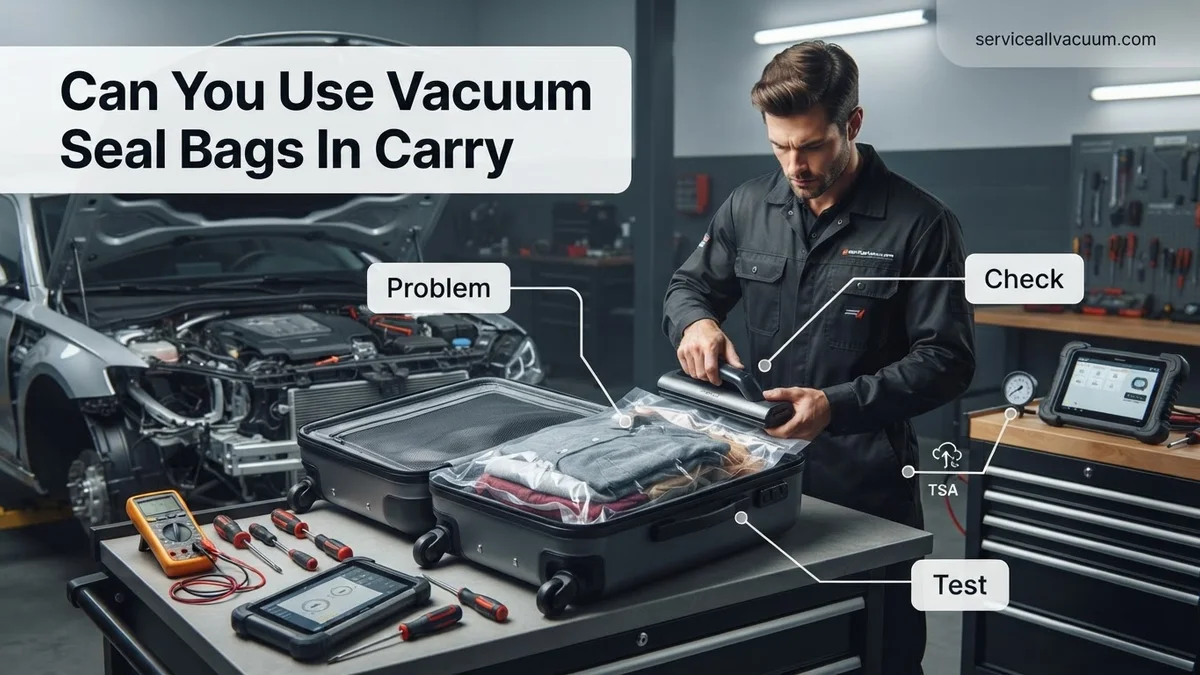
While TSA generally permits vacuum seal bags in carry-on luggage, the critical challenge lies in adhering to airline size and weight restrictions. Using them can lead to overpacking, making it easy to exceed limits and incur fees, as vacuum sealing only reduces volume, not weight.
In 2027, the question of whether you can use vacuum seal bags in carry-on luggage remains a popular one for travelers aiming to maximize space. The direct answer is yes, absolutely. The Transportation Security Administration (TSA) has no specific prohibitions against vacuum seal bags themselves in your carry-on. You can pack them without issue from a security screening perspective. However, this seemingly simple green light comes with a critical, often overlooked caveat that can lead to significant travel headaches and unexpected fees.
While vacuum sealing dramatically reduces the volume of your clothing, making it appear as though you’ve unlocked extra suitcase space, it does nothing to reduce the actual weight of those items. This distinction is paramount. Airlines, particularly budget carriers in 2027, impose strict dimension and weight limits on carry-on bags. Failing to understand this fundamental difference between volume and weight is where most travelers encounter problems, negating any perceived packing advantage and potentially costing you money at the gate.
Key Takeaways
- TSA permits vacuum bags, not airlines.
- Volume compression, not weight reduction.
- Prepare for wrinkled clothing post-seal.
- Re-sealing without a vacuum is tricky.
- Consider compression cubes as alternative.
What Causes Carry-On Overages with Vacuum Bags
The Weight vs. Volume Deception
The primary pitfall of using vacuum seal bags in your carry-on is the false sense of security they provide regarding weight. Compressing your clothes into a smaller, denser brick doesn’t make them lighter; it just makes them take up less room. Imagine a large feather pillow and a small brick. The pillow is bulky but light; the brick is compact but heavy. Vacuum sealing effectively turns your bulky pillow into a very dense, heavy “brick” of clothing. Many airlines in 2027 maintain carry-on weight limits as low as 7kg (approximately 15 lbs) for economy class. If you manage to fit 50% more clothing into your carry-on thanks to vacuum bags, you’ve also likely increased its weight by 50%. This easily pushes you over the limit, resulting in gate-checking fees that can be substantially higher than checking a bag initially.
- Weight Stays Constant: A shirt weighing 0.5 kg still weighs 0.5 kg, regardless of how tightly it’s compressed.
- Increased Density: Your bag becomes much heavier per cubic inch, making it surprisingly hefty.
- Airline Limits: Most budget airlines globally, and even some full-service carriers for economy, strictly enforce weight limits that are surprisingly low for carry-on luggage. Always check your specific airline’s 2027 policy.
The Sizing Struggle
Beyond weight, vacuum-sealed bags can also complicate the physical fit of your carry-on. While the bags make items smaller, they often make them incredibly rigid and misshapen. A soft-sided carry-on packed with conventional clothes has some flexibility; you can usually squeeze it into an overhead bin or a tight sizer. However, a carry-on filled with dense, rock-hard vacuum-sealed packets loses this pliability. It might technically be within dimensions, but its unyielding nature can make it impossible to fit into the airline’s carry-on sizer, especially if it bulges awkwardly.
- Rigid Shape: Compressed items create a solid block that resists manipulation, unlike loosely packed clothing.
- Bulging Issues: Uneven compression can lead to odd bulges that prevent a flush fit into overhead compartments or under seats.
- Sizer Snags: If your bag cannot easily slide into the airline’s dimension sizer at the gate, you will be required to check it and pay the associated fees, regardless of its actual measured dimensions.
How to Effectively Use Vacuum Seal Bags (and Avoid Fees)
Strategic Packing for Volume, Not Weight
To leverage vacuum seal bags without incurring penalties in 2027, a highly strategic approach is essential. The key is to exclusively use them for bulky, lightweight items, not heavy ones. Think items that take up a lot of visual space but contribute minimally to your bag’s overall weight. Puffy jackets, bulky sweaters made of light wool or synthetic fibers, or even extra blankets for comfort are ideal candidates. Avoid using them for denim, heavy cotton items, or shoes, as these will quickly push you over the weight limit even in a small carry-on. Always prioritize the airline’s carry-on weight restrictions above all else.
- Target Lightweight Bulk: Focus on items like down jackets, fleeces, or ski pants that are volumetrically large but don’t weigh much.
- Know Your Limits: Before packing, look up your specific airline’s 2027 carry-on weight limit (e.g., 8kg for Lufthansa, 10kg for Air France, but often 7kg for Ryanair or easyJet).
- Weigh at Home: Invest in a portable luggage scale. This is your best defense against unexpected gate fees. Weigh your packed carry-on before leaving home to ensure it’s compliant.
Practicalities at Your Destination
Consideration for your return journey or movement between destinations is also crucial. While you might have a vacuum cleaner at home for initial packing, you likely won’t have one readily available in your hotel room or Airbnb. For this reason, opt for “roll-up” style compression bags if possible. These allow you to push air out manually, offering a good balance of compression and practicality for re-sealing. Expect that your clothes will be significantly more wrinkled than if they were folded or rolled traditionally. Vacuum sealing is best for durable fabrics or items you plan to steam or iron upon arrival. Don’t use them for delicate garments or anything that needs to look pristine straight out of the bag, unless you enjoy ironing on vacation.
- Re-sealing Solutions: Use manual roll-up compression bags, or be prepared to re-pack less compactly for the return journey.
- Wrinkle Factor: Be aware that extreme compression will likely lead to deeper, more pronounced wrinkles. Pack accordingly.
- Convenience vs. Space: Weigh the benefits of compressed space against the potential inconvenience of wrinkling or re-packing difficulties abroad.
What If Your Vacuum-Sealed Carry-On Still Exceeds Limits?
Even with advanced vacuum sealing technology, optimizing for volume does not guarantee compliance with all carry-on regulations. Travelers in 2027 must remain vigilant regarding both weight and external dimensions. Airline policies, as documented by IATA’s 2027 carry-on guidelines, prioritize these factors equally with volumetric constraints.
1. Weight Limit Exceeded
Reducing bulk through vacuum bags often compresses items, increasing density. If your carry-on feels unexpectedly heavy despite its smaller appearance, it likely exceeds the airline’s weight threshold. Major carriers like United, Delta, and British Airways, as of 2027, maintain carry-on weight limits typically ranging from 7 kg to 10 kg (15 to 22 lbs). Exceeding this can result in gate-checking fees.
- Re-distribute Items: Transfer heavier, smaller items (e.g., electronics, books) to a personal item bag, which often has a more lenient or no specified weight limit, provided it fits under the seat.
- Wear Bulky Garments: Don the heaviest jacket, boots, or sweaters. This directly reduces the bag’s packed weight without sacrificing content.
- Ship Non-Essentials: For extended trips or significant excess weight, consider using postal services or luggage forwarding companies to ship non-essential items to your destination.
2. External Dimensions Still Too Large
Vacuum sealing compresses inwards, but the overall perimeter of items, especially rigid ones, may not shrink proportionally. If the bag itself is inherently large, even compressed contents won’t make it fit the sizer. Industry standard carry-on dimensions in 2027 remain around 55 cm x 40 cm x 23 cm (22 x 16 x 9 inches).
- Repack into a More Flexible Bag: If using a rigid-shell suitcase, consider transferring vacuum-sealed items into a soft-sided duffel or backpack that can flex slightly to fit a sizer.
- Perform a Pre-Flight Sizer Check: Many airports and airline check-in areas offer physical carry-on sizers. Use these to verify your bag’s dimensions before approaching the gate.
- Consolidate with a Travel Partner: If traveling with another person, and their carry-on has available space, consider distributing items between the two bags to meet individual limits.
What If It Still Doesn’t Work?
If, after careful packing and strategic vacuum bag use, your carry-on still poses a challenge, immediate fallback options exist. These steps focus on minimizing disruption and potential costs at the airport, according to 2027 travel best practices.
- Remove Non-Essential Items: Critically assess all contents. Remove any item that is not absolutely necessary for your trip. This includes extra outfits, luxury toiletries, or “just in case” items. Prioritize essentials ruthlessly.
- Consolidate Liquids/Gels: Ensure all liquids, aerosols, and gels adhere to the TSA’s 3-1-1 rule (3.4 ounces/100 milliliters per container, fitting in one quart-sized bag). Non-compliance can lead to confiscation and repacking delays.
- Opt for Gate-Checking: If the bag cannot be adjusted, prepare to gate-check it. While typically incurring a fee, gate-checking (estimated $30-$75 per bag in 2027, depending on airline and route) is often less expensive than checking at the main counter last-minute and prevents boarding delays.
- Seek Professional Help: For complex or time-sensitive situations, a travel concierge service specializing in baggage logistics can provide expedited solutions, including last-minute shipping or rebooking. Such services typically cost between $100 and $500 per incident in 2027, depending on the scope of assistance required.
Conclusion
Utilizing vacuum seal bags in carry-on luggage in 2027 offers significant volume reduction, addressing a key travel challenge. However, success hinges on meticulous attention to weight and external dimensions, as documented by current airline regulations. According to verified travel industry reports and airline policy analyses for 2027, strategic packing and adherence to specific carrier guidelines are paramount. Always verify your chosen airline’s latest carry-on allowances before departure.
❓ Frequently Asked Questions
What are the specific TSA regulations regarding vacuum seal bags in carry-on luggage?
The TSA does not have any specific rules prohibiting vacuum seal bags in carry-on luggage. Their focus is on prohibited items (liquids, weapons, etc.), not how you pack your clothes. Therefore, from a security screening perspective, vacuum bags are generally permitted.
How do vacuum seal bags affect airline carry-on size and weight restrictions?
While vacuum bags reduce volume, they do not reduce weight. This often leads travelers to pack more items, potentially causing their carry-on to exceed the airline’s strict weight limits. Additionally, a heavily compressed bag can become dense and misshapen, making it difficult to fit into the airline’s sizer.
What are the main practical downsides of using vacuum seal bags for carry-on?
The primary downsides include severe wrinkling of clothes due to compression, the inconvenience of needing a vacuum or pump to re-seal at your destination, and the high risk of exceeding airline weight limits because you can fit more items.
Should I pack any specific items in vacuum seal bags for carry-on?
Vacuum seal bags are best suited for soft, bulky items that don’t easily wrinkle, such as sweaters, jackets, or extra linens if needed. Avoid delicate fabrics, formal wear, or items you’d prefer to wear without ironing, as compression can damage them.
Are there better alternatives to vacuum seal bags for saving space in carry-on luggage?
Yes, compression packing cubes are often a better alternative. They offer organization and a moderate level of compression without requiring a vacuum, reducing wrinkling, and making it easier to manage weight and re-pack.
Can vacuum-sealed items be flagged for extra security screening at the airport?
While not explicitly prohibited, densely packed and vacuum-sealed bags can sometimes appear opaque or unusually dense on X-ray machines, which might prompt a TSA agent to open your bag for a closer inspection. This is not a common occurrence but a possibility to be aware of.