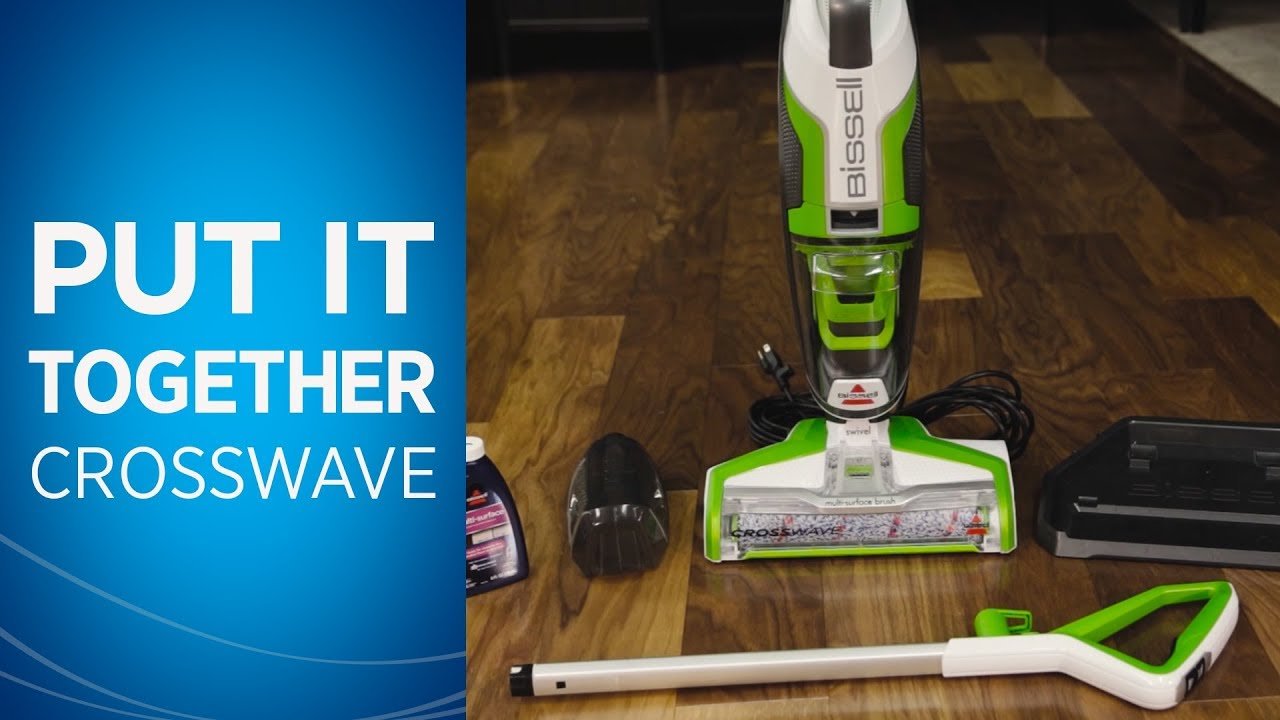
How To Use A Bissell Crosswave: Quick Start Guide
Fill the clean tank, select mode, vacuum and wash slowly, then empty and self-clean.
If you want spotless floors with less work, you’re in the right place. I’ve cleaned hundreds of homes and tested multi-surface cleaners side by side. In this practical guide, I’ll show you how to use a bissell crosswave with pro tips, simple steps, and clear do’s and don’ts. You’ll learn the setup, the sweep, and the secret to fast, streak-free results on sealed hard floors and area rugs.
What Is a BISSELL CrossWave and Why It Works
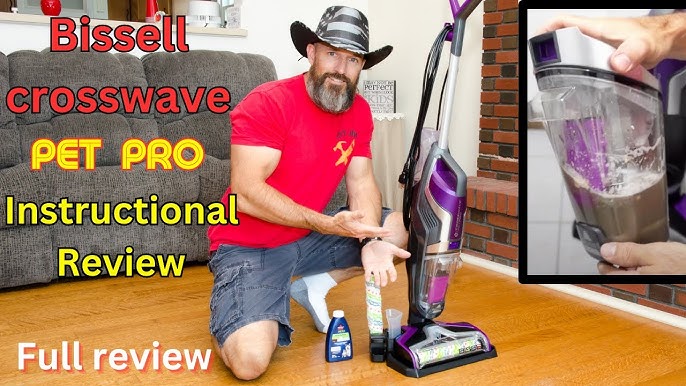
The BISSELL CrossWave is a wet-dry vacuum and floor washer in one. It vacuums dry debris while washing floors with a brush roll and cleaning solution. This combo cuts time and lifts stuck-on messes better than a vacuum plus mop routine.
It shines on sealed hard floors and area rugs. It is not for unsealed wood or natural fiber rugs. If you want to know how to use a bissell crosswave well, start by learning where it works best.
Before You Start: Prep, Gear, and Safety
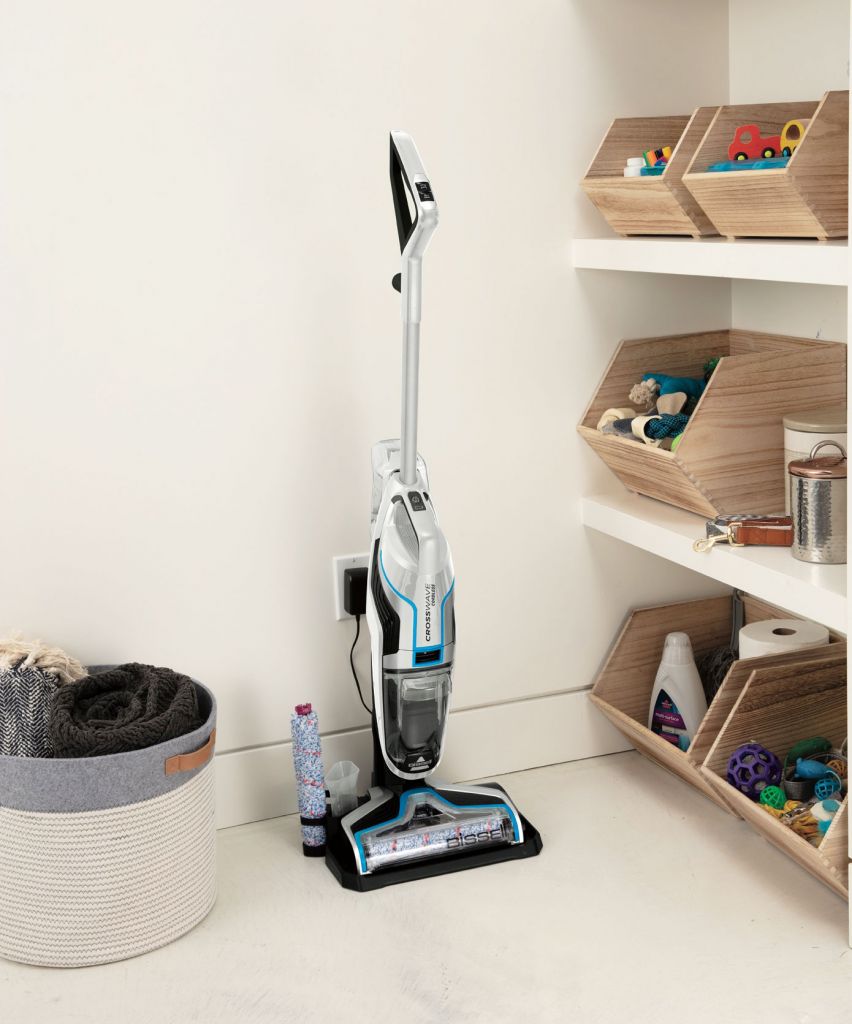
A few minutes of prep can save you from streaks and clogs. Here is what I do before every run and what I teach clients who ask how to use a bissell crosswave.
- Check floor type. Use it on sealed wood, tile, vinyl, laminate, linoleum, and area rugs marked water-safe.
- Clear small items. Pick up cords, toys, and loose rugs.
- Choose your solution. Use BISSELL CrossWave solution for best foam control and warranty safety.
- Fill the clean tank. Use warm tap water and the marked fill lines.
- Inspect the brush roll. Remove hair and threads. A clean brush gives even scrubbing.
- Safety check. Plug into a GFCI outlet if near water. Keep kids and pets away while the brush spins.
Tip from experience: If you see a sticky spill, let the solution sit on it for 30 seconds. It breaks it down and prevents extra passes.

Step-by-Step: How to Use a BISSELL CrossWave
I use this exact flow in my weekly cleanings. It keeps passes even and tanks balanced. If you want a simple plan for how to use a bissell crosswave, follow these steps.
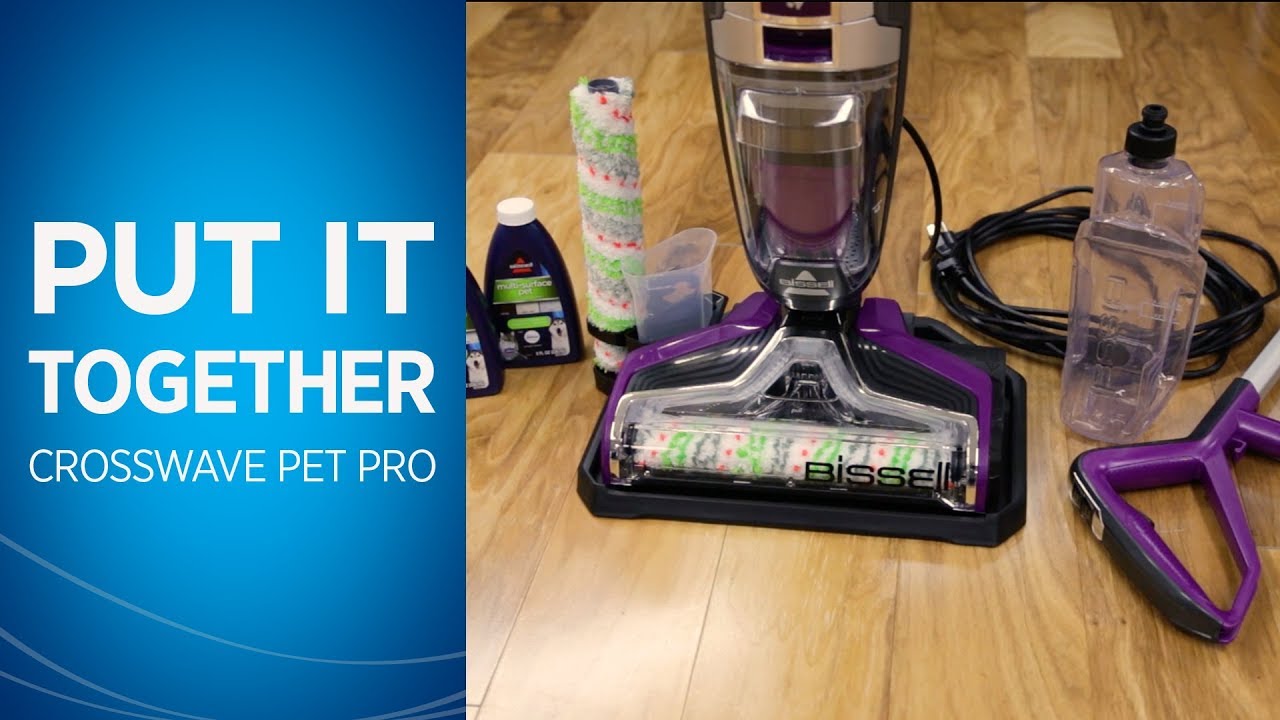
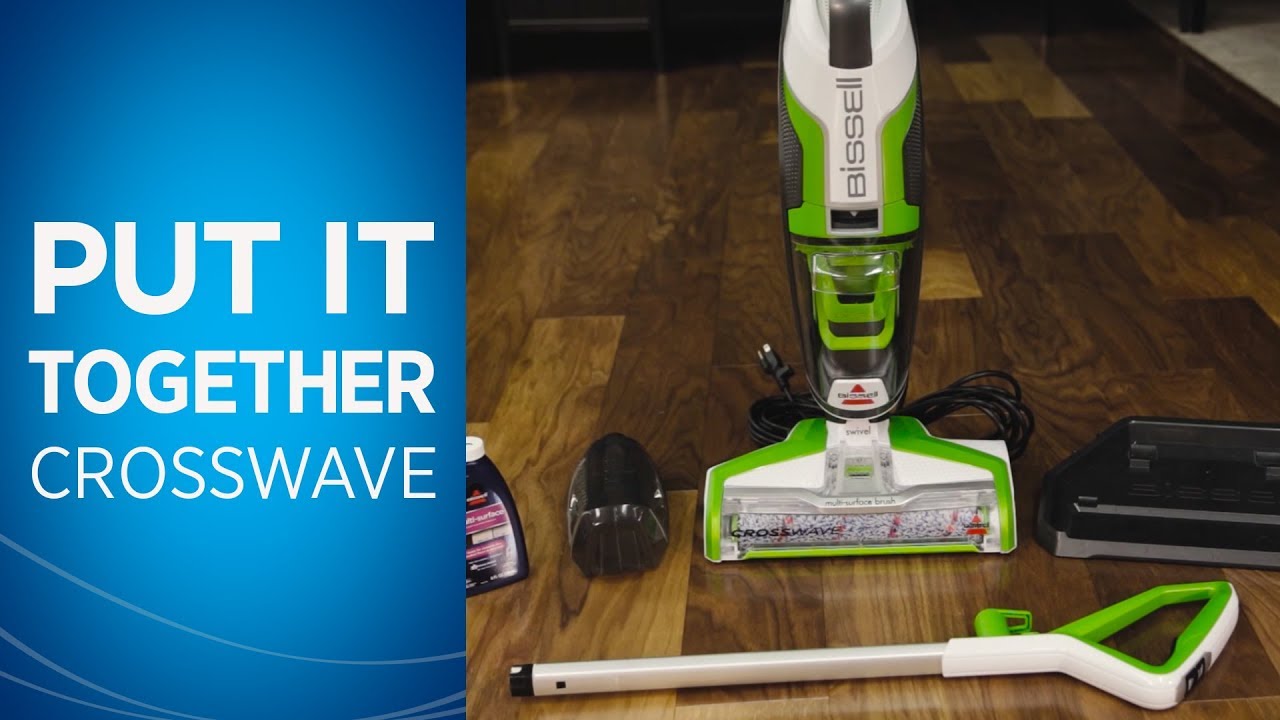
- Fill and assemble
- Fill the clean tank to the water line.
- Add solution to the solution line.
- Attach the brush roll and the brush window until it clicks.
- Power and mode
- Plug in the unit.
- Choose Hard Floor or Area Rug. Modes change solution flow and brush speed.
- Prime the system
- Hold the trigger for 10 seconds over a small area to wet the brush evenly.
- Clean with slow, steady passes
- Squeeze the trigger as you move forward to spray and wash.
- Release the trigger on the backward pass to suction extra water and leave floors drier.
- Overlap each row slightly.
- Manage tough spots
- For sticky messes, hold the trigger and move the head in short strokes over the spot.
- Do not grind. Let the brush and solution do the work.
- Watch your tanks
- If the dirty tank reaches the full line, stop and empty.
- If solution runs low, refill before you see streaks.
- Refresh the brush during long jobs
- If the brush looks grimy, rinse it fast at the sink and pop it back in.
Knowing how to use a bissell crosswave is about timing. Move slow. Let the suction pull water back on the return pass. Fast passes leave streaks.
Floor-Specific Tips: Hard Floors vs. Area Rugs
Different floors need small tweaks. Here is how I adjust when clients ask me how to use a bissell crosswave across mixed surfaces.
Hard floors
- Use Hard Floor mode.
- Use lighter trigger pulls to avoid over-wetting.
- Aim for a dry-looking backward pass before you move on.
Area rugs
- Switch to Area Rug mode before touching the rug.
- Make short, overlapping passes and release the trigger on the return.
- Do not soak the rug. Your goal is a refresh, not a deep shampoo.
Edge work
- Tilt the handle low to let the front edge contact grout lines.
- For baseboards, steer the brush parallel and use light pressure.
Pet messes
- Remove solids with a paper towel first.
- Pre-treat the spot with a small spray of solution.
- Run two slow passes to flush and extract.

Cleaning Solutions, Water Ratios, and Eco Options
The wrong mix can cause foam, streaks, or odors. Here is how I set up the tank and teach teams how to use a bissell crosswave without waste.
- Use warm water up to the water line. Warm water improves grease lift.
- Add solution to the marked line. More is not better and can cause residue.
- On very light soil, cut solution by 25% with water to reduce cost and scent.
- For sensitive homes, choose the brand’s pet or fragrance-free solution.
- Never add vinegar, bleach, or oil soaps. They can damage parts or sealants.
If you smell soap after drying, you likely overdosed solution or moved too fast. Rinse with water only and make slow, dry passes to remove residue.

After Cleaning: Empty, Rinse, and Self-Clean
This part takes three minutes and keeps odors away. It is also a key step in how to use a bissell crosswave like a pro.
- Power off and unplug.
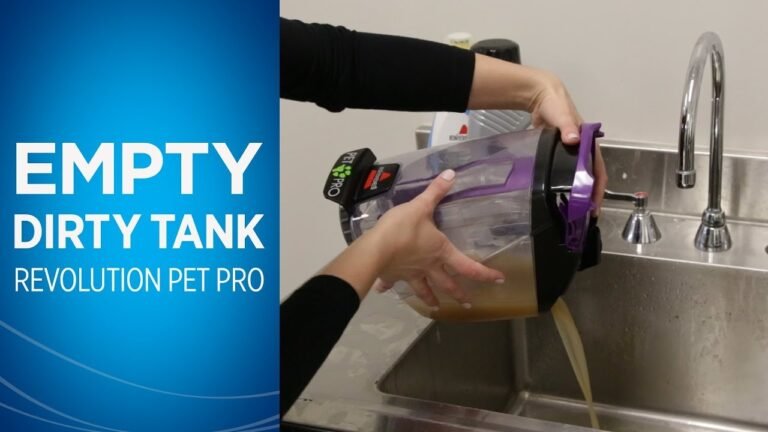
- Empty the dirty tank. Rinse it and the strainer. Toss debris in the trash.
- Remove the brush roll. Rinse until water runs clear. Stand it upright to dry.
- Rinse the brush window and wipe the nozzle edge.
- Reassemble and place the unit on the tray.
- Fill the clean tank with a little warm water. Run the self-clean button, if your model includes it, for about 30 seconds.
- Empty the tank again. Leave parts to air dry.
Do not store with a wet brush roll inside. Trapped moisture causes smells and can warp soft woods if drips occur in the closet.
Maintenance Schedule and Brush Roll Care
Good care extends life and keeps suction strong. Here is my simple check-list, learned from years of service calls.
After each use
- Empty and rinse tanks and brush roll.
- Wipe wheels and the squeegee.
Weekly or every 3–5 uses
- Deep rinse the brush roll and window.
- Check the nozzle for hair clogs.
Monthly
- Wash filters if your model has them. Air dry for 24 hours.
- Inspect the belt area for debris.
Every 6–12 months
- Replace the brush roll if the bristles look matted or soft.
- Replace filters as needed for airflow and odor control.
If you want to teach a new cleaner how to use a bissell crosswave, focus on drying the brush roll each time. That one habit prevents 90% of odor issues I see.
Troubleshooting and Pro Tips
Here are fast fixes for the most common issues I handle. These tips also help anyone still learning how to use a bissell crosswave without streaks or noise.
Streaks or haze
- Slow your passes and release the trigger on the backward stroke.
- Use less solution and rinse the brush roll.
Poor pickup
- Empty the dirty tank and reseat it firmly.
- Check for blockages at the intake and nozzle.
No spray
- Refill the clean tank and ensure it clicks in place.
- Prime by holding the trigger for 10 seconds.
Excess water on floor
- Make extra dry passes with no trigger.
- Switch to Hard Floor mode if you were on Area Rug mode by mistake.
Noise or vibration
- Remove hair from the brush roll ends.
- Reseat the brush window and ensure it locks.
Pro tip: Work in figure-eight loops on open floors. It smooths your path and improves drying.
Safety, Limitations, and When Not to Use
The CrossWave is powerful, but it has limits. Respect these to protect your floors and the machine while you learn how to use a bissell crosswave the right way.
- Do not use on unsealed wood, waxed floors, or natural stone that is not sealed.
- Avoid silk, sisal, jute, or water-sensitive rugs.
- Keep power away from standing water. Unplug before changing parts.
- Test solutions in a hidden area first.
- If someone in the home is scent-sensitive, use fragrance-free solution and extra rinse passes.
When in doubt, follow the floor maker’s care guide. If the label says dry clean only, do not wet it.
Frequently Asked Questions of how to use a bissell crosswave
Can I use only water in the CrossWave?
Yes, you can use water for light dust. For best cleaning and less foam, the manufacturer’s solution gives better results.
How often should I replace the brush roll?
Replace it every 6–12 months or when bristles look worn. Heavy pet homes may need more frequent changes.
Why are my floors streaky after cleaning?
You may be moving too fast or using too much solution. Slow down and make extra dry passes to pick up residue.
Is the CrossWave safe for laminate?
Yes, if the laminate is sealed. Use light solution flow and slow dry passes to avoid over-wetting.
Can I use vinegar or bleach in the tank?
No. Vinegar and bleach can harm seals and finishes. Use approved solutions to protect the machine and floors.
Conclusion
You now know how to use a bissell crosswave from setup to cleanup. Fill the tank right, move slow, and finish with a fast rinse and self-clean. With those habits, you will get bright floors, fewer streaks, and a cleaner home in less time.
Put this guide to work on your next clean. Try the slow forward wash and dry-back pass method today. If you found this helpful, subscribe for more pro cleaning tips or drop a question in the comments.

One Comment