How To Use Crosswave Bissell: Step-By-Step Guide
Fill tank with solution, select mode, hold trigger to wash, release to dry, keep moving.
If you want a spotless floor fast, you’re in the right place. I’ve cleaned hundreds of homes with the CrossWave line and know the quirks, tricks, and fails to avoid. This guide explains how to use crosswave bissell the right way on sealed floors and area rugs, with clear steps, real-life tips, and pro care habits that keep it running like new.
Understand Your Bissell CrossWave: What It Does and When to Use It
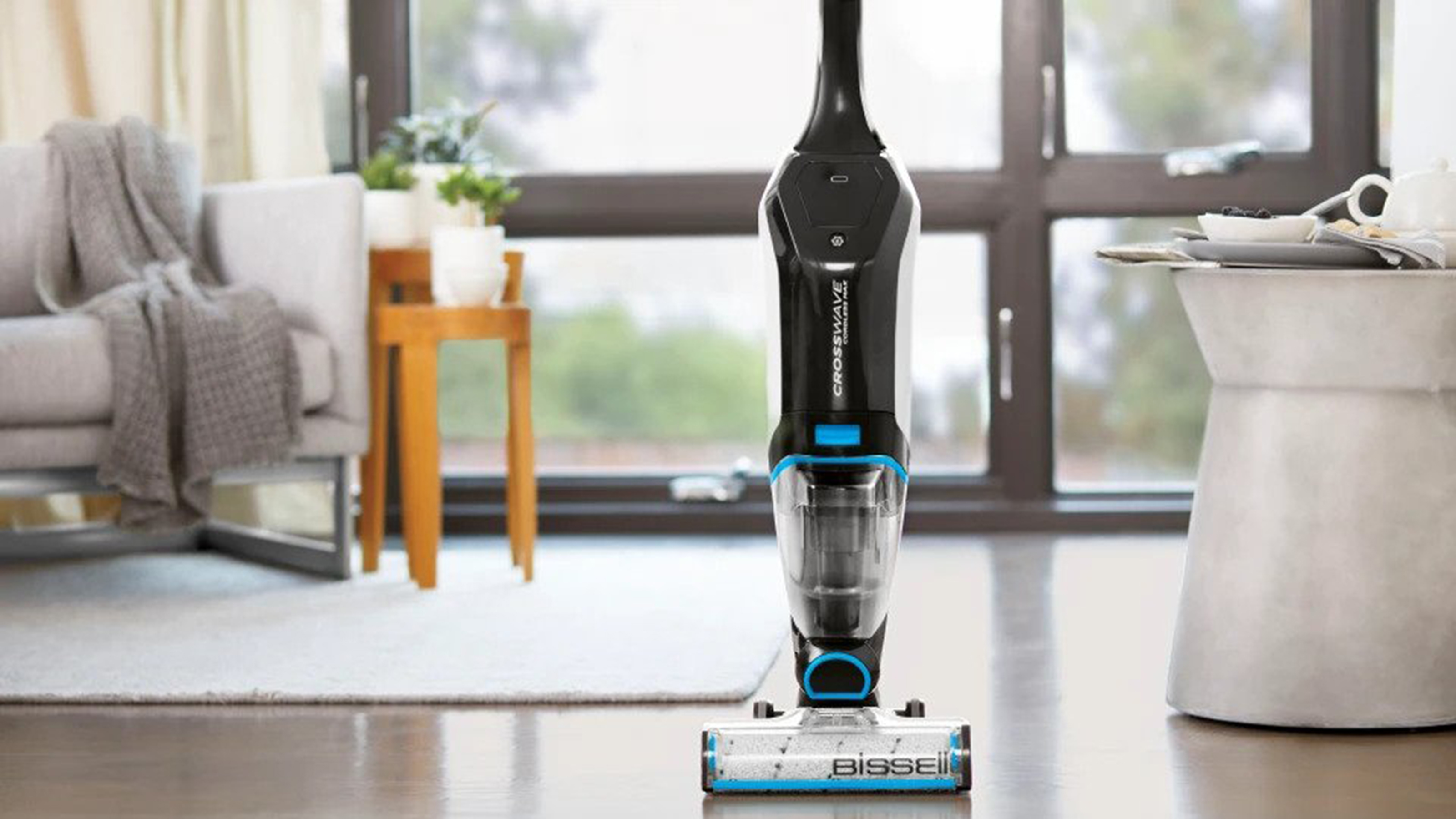
The Bissell CrossWave is a multi-surface wet dry cleaner that vacuums and washes in one pass. It uses a clean water and solution tank, a spinning brush roll, and suction to pull dirty water into a separate tank. You choose hard floor mode or area rug mode, then control solution with the trigger.
Use it on sealed hardwood, laminate, tile, vinyl, and low-pile rugs. Avoid unsealed wood, delicate silk or wool rugs, foam mats, and anything that can bleed dye or warp with water. If you want to master how to use crosswave bissell, start by matching the surface to the right mode.
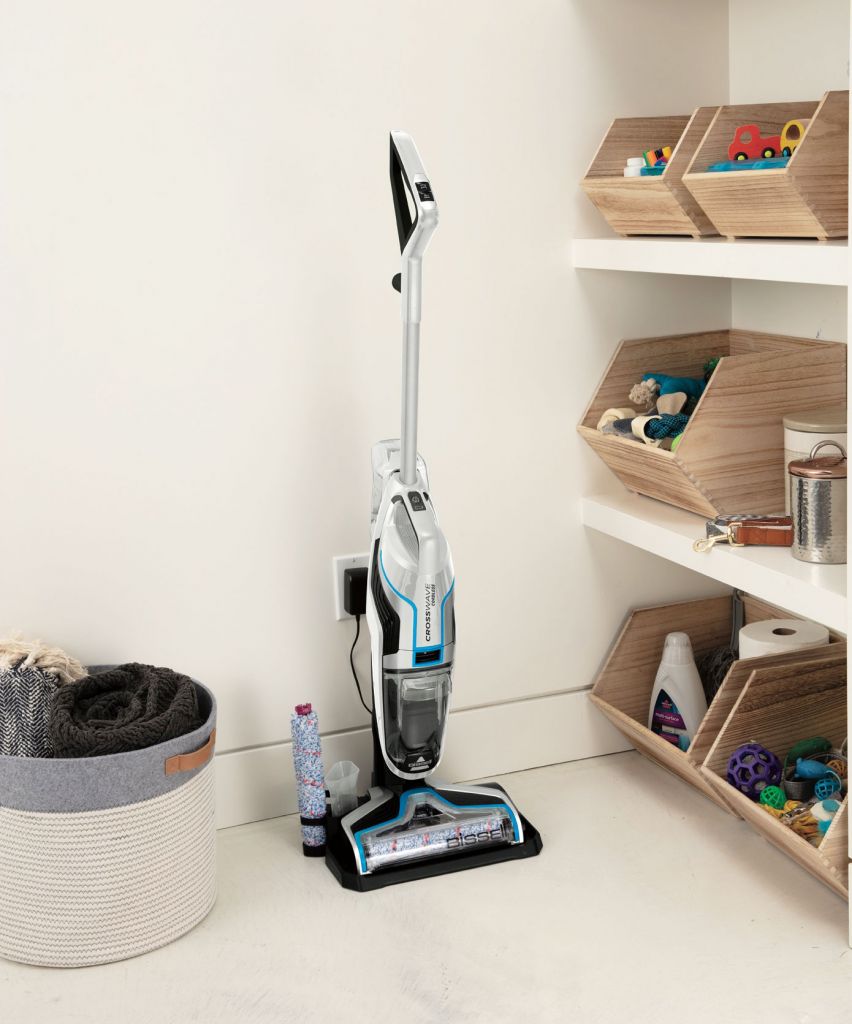
Prep Checklist and Setup
Great results start with simple prep. A quick setup saves time and stops streaks later.
- Clear small items, cords, and floor clutter.
- Dry vacuum or do a quick sweep to grab big debris and pet hair.
- Fill the clean water tank with warm tap water to the line.
- Add the recommended Bissell formula to the formula fill line.
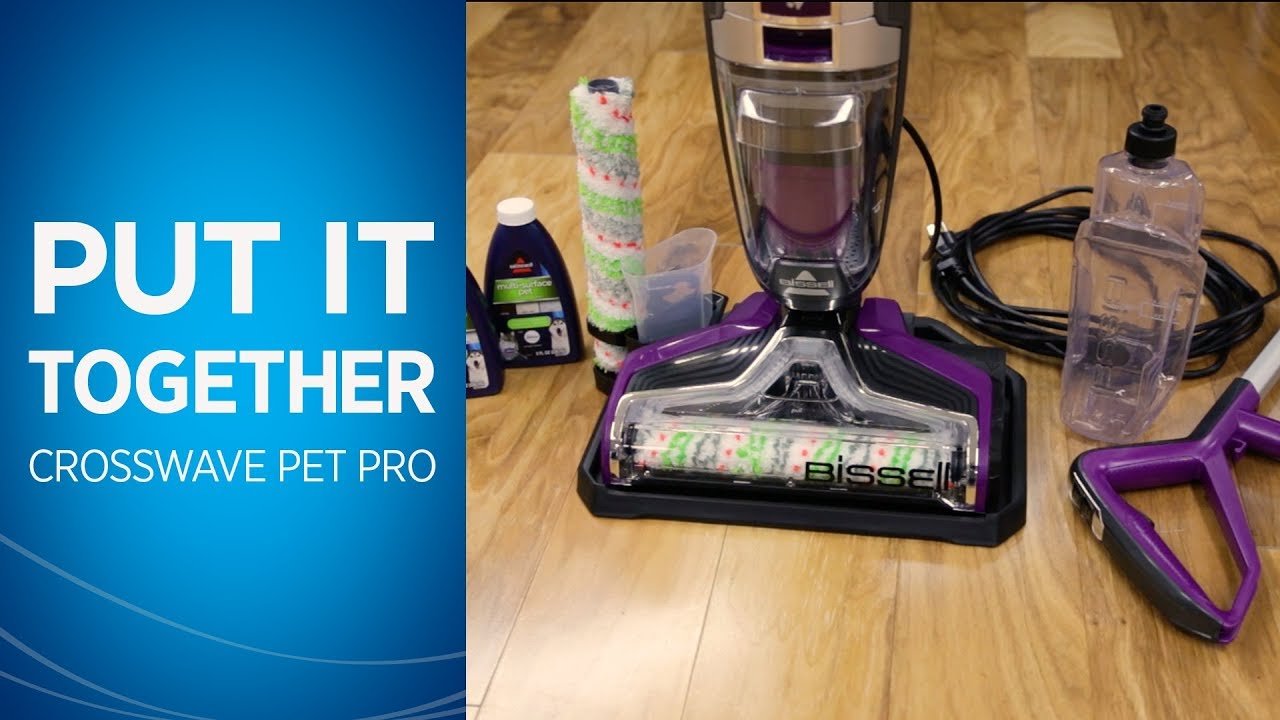
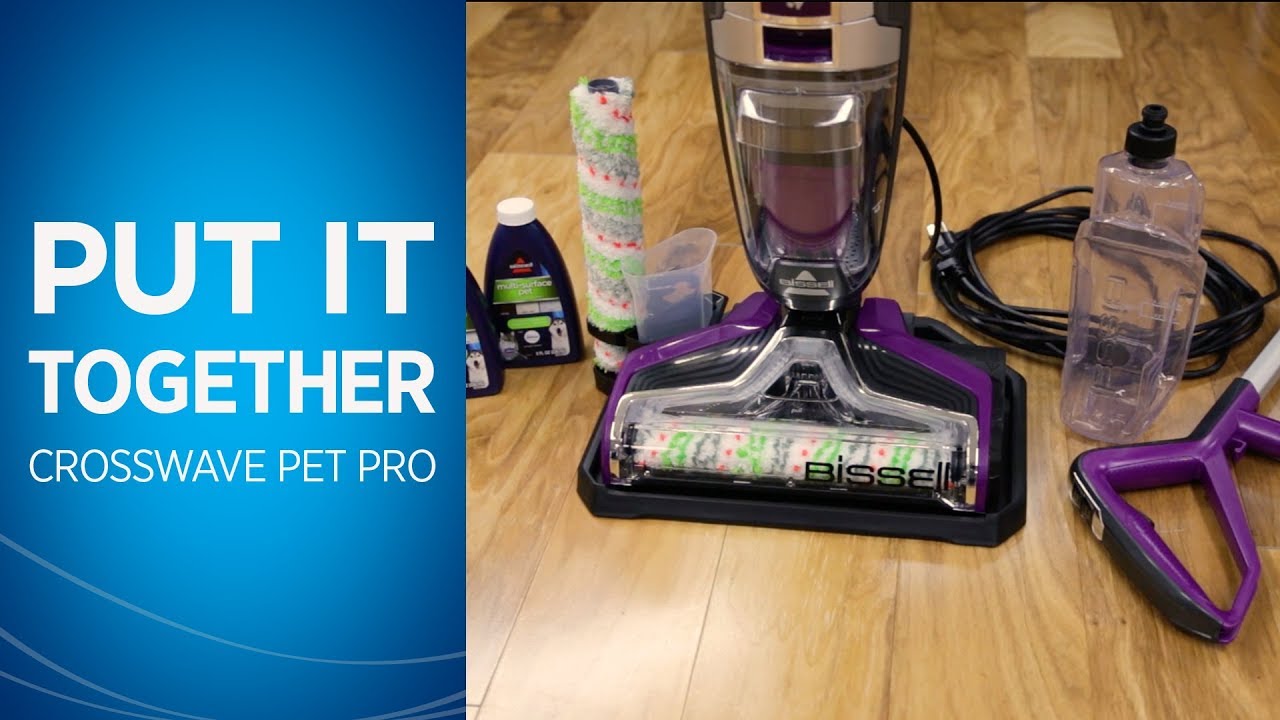
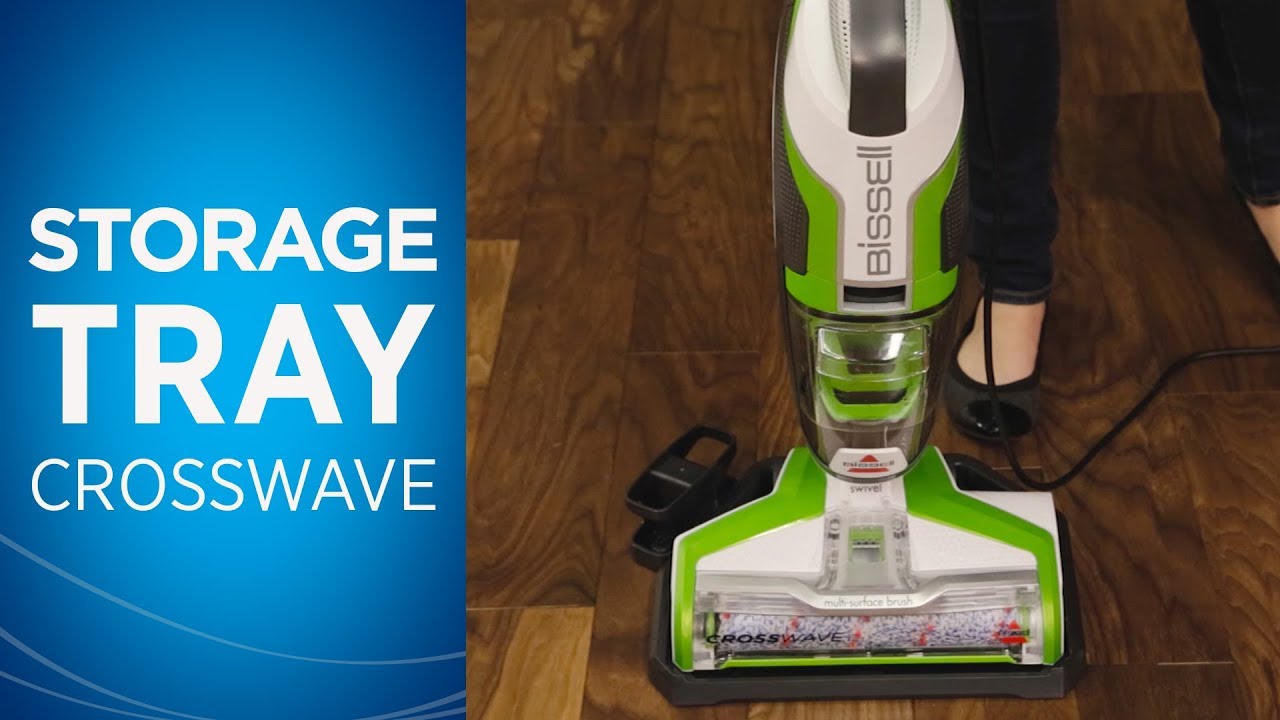
- Seat the brush roll and window, and place the unit on the storage tray.
- Plug in, stand the unit upright, and pick hard floor or area rug mode.
Tip from the field: Before the first pass, hold the trigger for 10 to 15 seconds while the unit is running. This primes the brush so it is fully wet for an even clean. This one step is a game-changer for how to use crosswave bissell without streaks.

Step-by-Step: How to Use CrossWave Bissell on Sealed Hard Floors
Make each move count. Go slow, keep the machine moving, and avoid flooding the floor.
- Start in a corner far from the exit.
- Recline the handle to start the brush roll.
- Hold the trigger on the forward pass to spray and wash.
- Release the trigger on the backward pass to let suction dry the floor.
- Overlap your lines by an inch for even coverage.
- For sticky spots, hold the trigger and make two to three slow passes.
- Do not park with the trigger held down. Keep it moving.
If you want a simple script for how to use crosswave bissell on tile or vinyl, think “wet forward, dry back.” Repeat that rhythm room by room.
Step-by-Step: How to Use CrossWave Bissell on Area Rugs and Runners
Area rugs need less water and more suction. The goal is to refresh, not soak.
- Switch to area rug mode for stronger brush action and suction.
- Prime the brush, then make one slow pass with the trigger held.
- Release the trigger and do two slow dry passes to pull out moisture.
- For spots, pulse the trigger, scrub in short strokes, and dry with trigger off.
- Check the rug backing. If it feels damp but not wet, you did it right.
My early mistake was over-wetting a thin runner. It took hours to dry. Now my rule for how to use crosswave bissell on rugs is “short wet, long dry.” Your rugs will thank you.

Cleaning Formulas, Water, and Mode Settings
Your formula, water temp, and mode have a big impact on results.
- Use only formulas made for CrossWave units. This protects seals and keeps foam low.
- Warm tap water helps dissolve grime but do not use hot water that can warp floors.
- Hard floor mode reduces brush aggression and solution flow.
- Area rug mode increases brush speed and suction for fiber lift.
- For pet mess and odors, pick a pet formula and rinse the dirty tank right after use.
If you search how to use crosswave bissell for best shine, it starts with the right dilution lines. Fill to the marks. More soap does not mean cleaner floors and can leave a film.
Post-Clean Care: Empty, Rinse, and Self-Clean
A clean machine cleans better. Two minutes of care keeps smells and clogs away.
- Turn off and unplug.
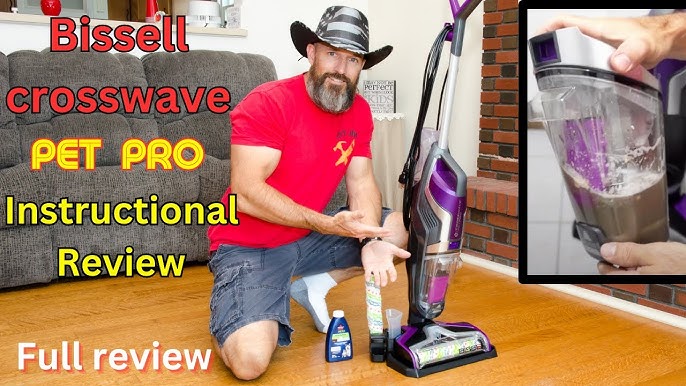
- Lift off the dirty water tank, remove the strainer, and dump debris into the trash.
- Rinse the dirty tank and the filter well. Let them air dry.
- Pull out the brush roll, rinse until water runs clear, and stand it on the tray to dry.
- Wipe the brush window and nozzle area.
- Run a short self-clean cycle if your model supports it, then empty the tray.
This is the step most people skip when they learn how to use crosswave bissell. Do this after each session and you will avoid odor, streaks, and low suction.

Troubleshooting and Fixes
Most issues come from simple misses. Here is how I solve the common ones fast.
- Streaks on floors: Prime the brush, slow down, and use less solution. Check that the dirty tank is seated and not full.
- Low or no spray: Re-seat the clean tank, check the cap gasket, and hold the trigger for 10 seconds to prime.
- Poor pickup: Empty the dirty tank, clean the filter, and check for blockages at the nozzle.
- Brush not spinning: Recline the handle. Make sure the brush roll is fully seated and the window clicks in.
- Odor: Rinse all parts, wash the brush, and let them dry fully. Use a fresh formula.
Learning how to use crosswave bissell well means you also learn how to fix these quick wins on the spot.
Safety, Limitations, and Best Practices
Protect your floors and the machine with simple rules.
- Do not use on unsealed wood or floors that water can damage.
- Test a small rug spot for colorfastness before a full clean.
- Do not add bleach, vinegar, or thick cleaners to the tank.
- Keep the unit upright when not cleaning to prevent leaks.
- Store on the tray and dry the brush roll between uses.
When friends ask me how to use crosswave bissell without risk, I say “check the seal, follow the lines, and dry the brush.”
Pro Tips, Time-Savers, and My Field Notes
Little habits speed up the job and boost results.
- Map a route that ends near a door so you do not walk on wet floors.
- Use slow passes in kitchens and entries where grease and grit build up.
- For grout lines, angle the head and add one extra wet pass, then one dry pass.
- Keep a spare brush roll. Swap mid-clean for rugs, then wash both and air dry.
- Empty the dirty tank at half full to keep suction strong.
After years of testing, my best tip for how to use crosswave bissell is to let the machine do the work. Move at a slow, steady pace and trust the suction to leave a near-dry path.
Frequently Asked Questions of how to use crosswave bissell
Can I use the CrossWave on unsealed hardwood?
No. The CrossWave uses water and can seep into unsealed wood. Use it only on sealed hardwood and always follow the floor maker’s care guide.
What solution should I put in the clean tank?
Use a formula made for CrossWave models. It controls foam, protects seals, and gives the right clean without residue.
How often should I clean the brush roll and filter?
After every session. Rinse the brush, filter, dirty tank, and tray so they dry clean and odor free.
Why is my floor streaking after I clean?
The brush may not be primed, or you are moving too fast or using too much solution. Clean the filter and reduce soap to stop film.
How long does it take floors to dry?
Most sealed floors dry in 5 to 15 minutes. Use dry passes with the trigger off to speed it up.
Conclusion
Now you know the full method, from prep to polish, and the care that keeps results sharp. Use the right mode, wet on the forward pass, dry on the back pass, and give the machine a quick rinse after each job. If you have a CrossWave, try one room today and feel the difference.
Want more tips on how to use crosswave bissell for tricky spots and pet mess? Subscribe for new guides, ask a question in the comments, or share your own wins so others can learn too.