How To Use A Bissell Spot Cleaner: Quick 2026 Guide
Fill tank with warm water and formula, pre-treat, scrub, extract, then rinse and dry.
If you want fast, safe, and pro-level results, you’re in the right place. I’ve cleaned hundreds of spills, pet messes, and car seats with portable machines. In this guide, I’ll show you how to use a bissell spot cleaner with simple steps, clear tips, and proven methods. You’ll learn how to use a bissell spot cleaner on carpets, upholstery, stairs, and cars, avoid common mistakes, and keep your machine running like new.
Understand Your Bissell Spot Cleaner
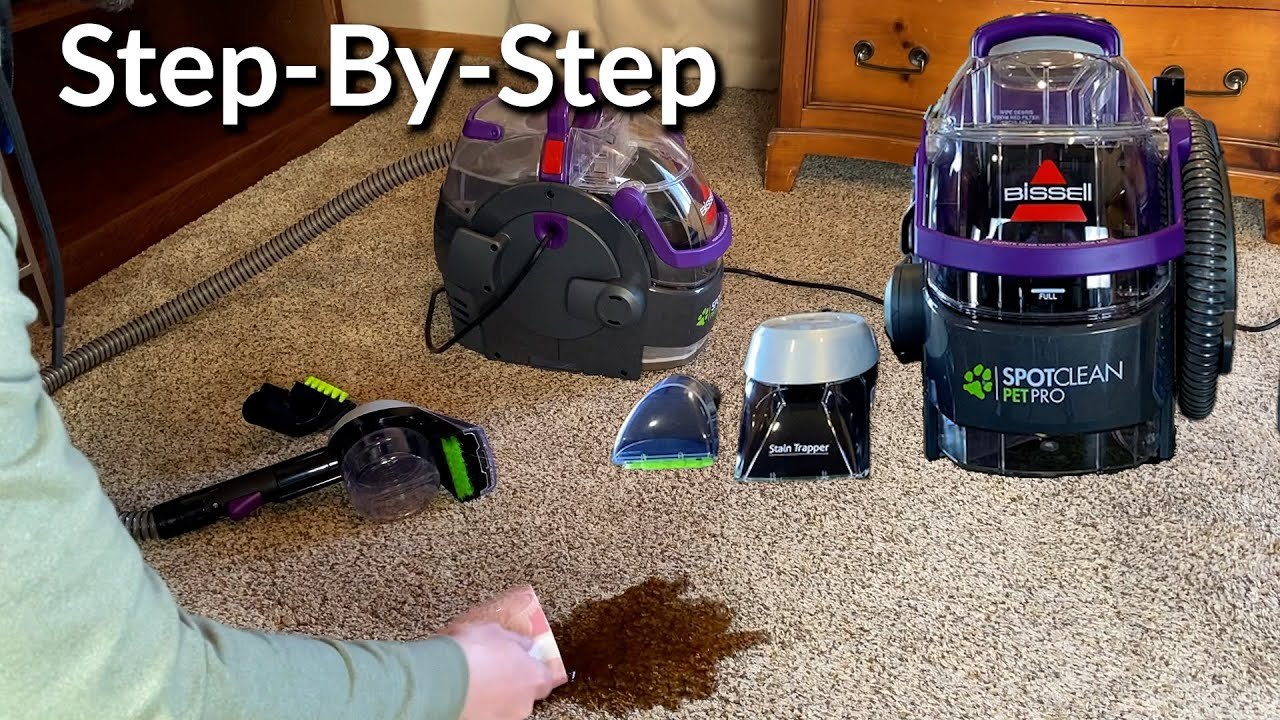
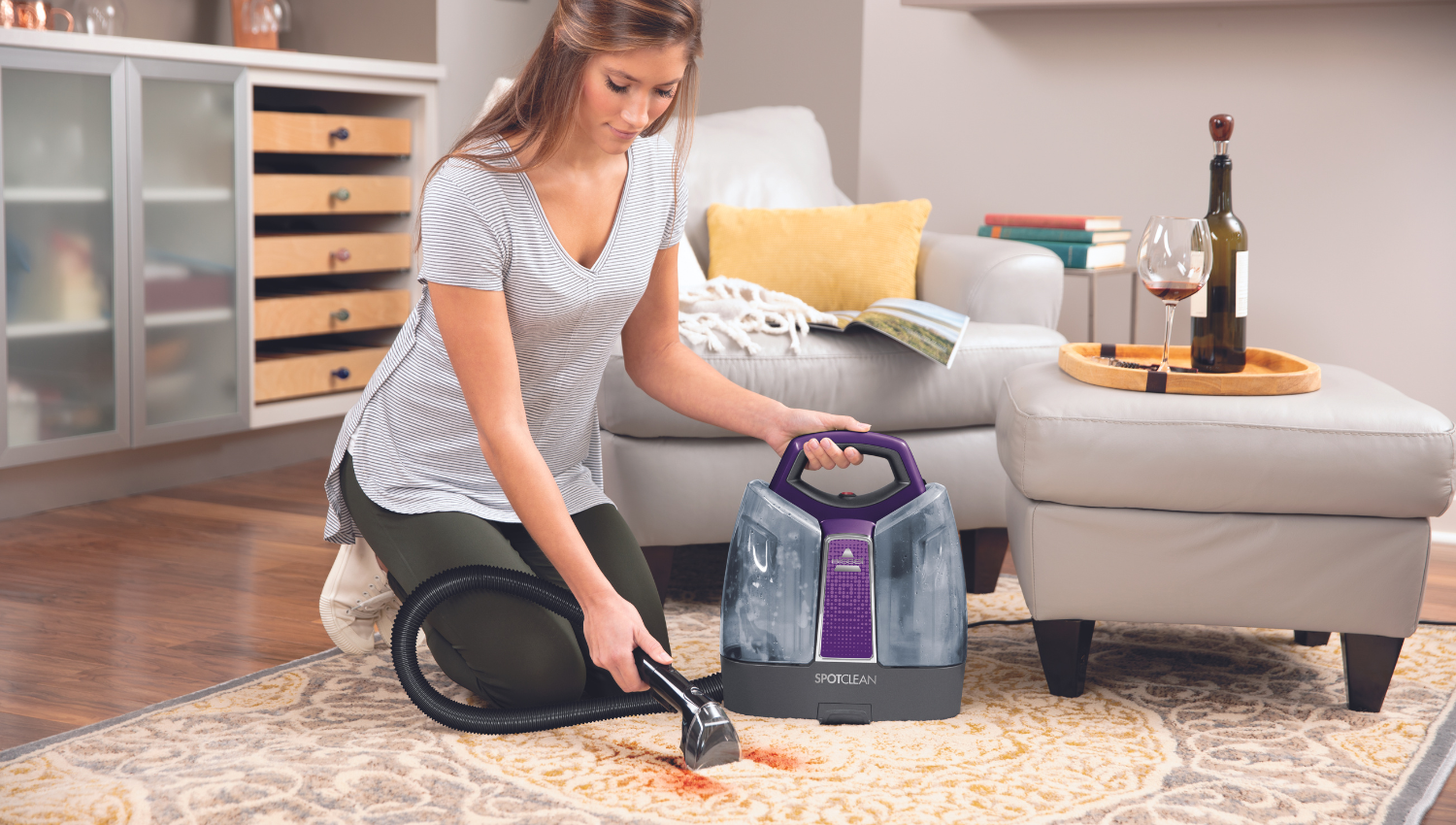
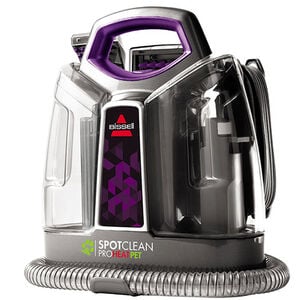
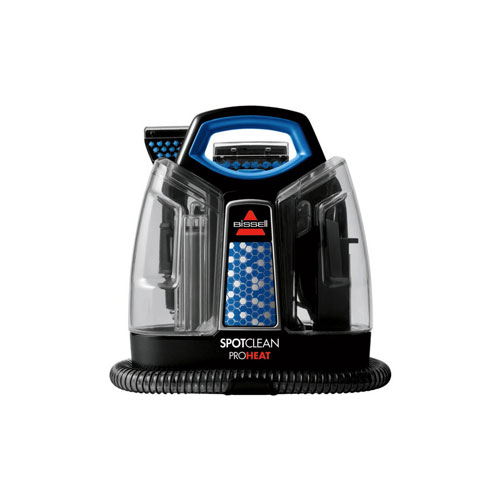
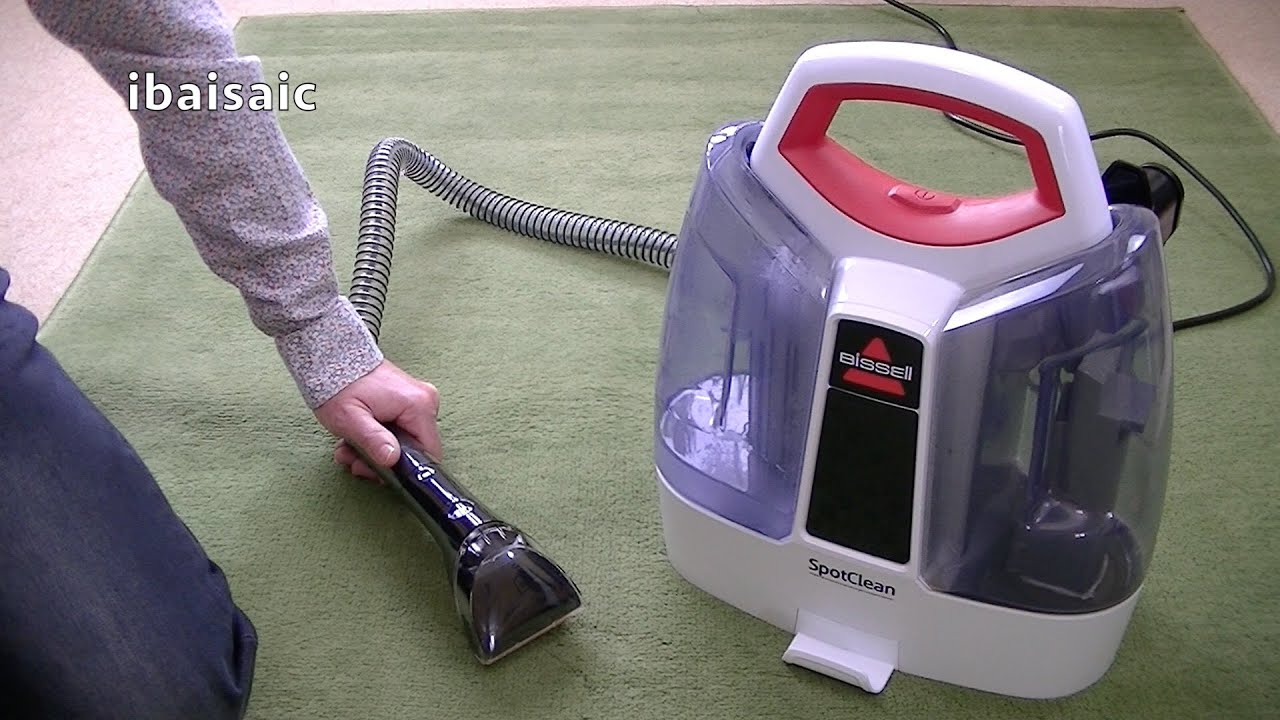
A Bissell spot cleaner is a compact extractor. It sprays a water-and-solution mix, agitates the fibers, and vacuums the dirty water. Popular models include Little Green, SpotClean Pro, ProHeat, and Pet Pro. The parts you’ll use most are the clean tank, dirty tank, hose, and tool head with bristles.
Use it for small areas, fresh stains, or high-traffic patches. It is not a full-room carpet cleaner. For wide rooms, use an upright extractor. This overview sets the stage for how to use a bissell spot cleaner safely and well.

What You Need Before You Start
Set up right to save time and protect your fabric.
Essentials:
- Bissell formula made for spot cleaners
- Warm tap water, not boiling
- The right tool head for the job
- A dry towel or microfiber cloth
- A soft brush for delicate fabric
- A trash bag for debris
Nice-to-have:
- Enzyme cleaner for pet stains and odors
- Defoamer if your machine produces excess foam
- Distilled water if you live in a hard-water area
Always check the fabric tag. Look for codes like W, WS, or S. Test in a hidden spot first. Small prep steps make how to use a bissell spot cleaner much easier.

Step-by-Step: how to use a bissell spot cleaner
Follow this simple workflow. It works on most stains and fabrics.
-
Inspect the stain
Check colorfastness in a hidden area. If dye transfers, stop and use a safer method. -
Remove loose soil
Blot liquids with a towel. Vacuum dry dirt. Do not rub hard. -
Pre-treat smart
For food, mud, or coffee, mist a light layer of formula. For pet mess, use an enzyme cleaner and give it 10–15 minutes to work. -
Fill the clean tank
Use warm water and the formula line on the tank. Do not add bleach, vinegar, or fabric softener. They can harm seals or set stains. -
Choose your tool
Use a 3-inch tough-stain tool for general jobs. Use a narrow crevice tool for edges and car seams. Keep bristles clean. -
Apply and agitate
Squeeze the trigger to spray the area. Gently scrub with short strokes. Let solution dwell for 1–3 minutes. Do not over-wet. -
Extract thoroughly
Release the trigger. Pull slow, overlapping vacuum strokes. Listen for water entering the tank. Keep going until little liquid comes up. -
Rinse pass
Fill with plain warm water. Lightly spray and extract again. This removes leftover soap, which can attract dirt later. -
Dry the area
Do extra dry strokes with no spray. Blot with a towel. Aim a fan at the area for faster drying. -
Post-check
If a shadow remains, repeat steps with shorter dwell time and more dry strokes. Avoid harsh scrubbing on delicate fabrics.
Practice these steps and you’ll master how to use a bissell spot cleaner in any room.
Targeted Methods for Common Stains and Surfaces
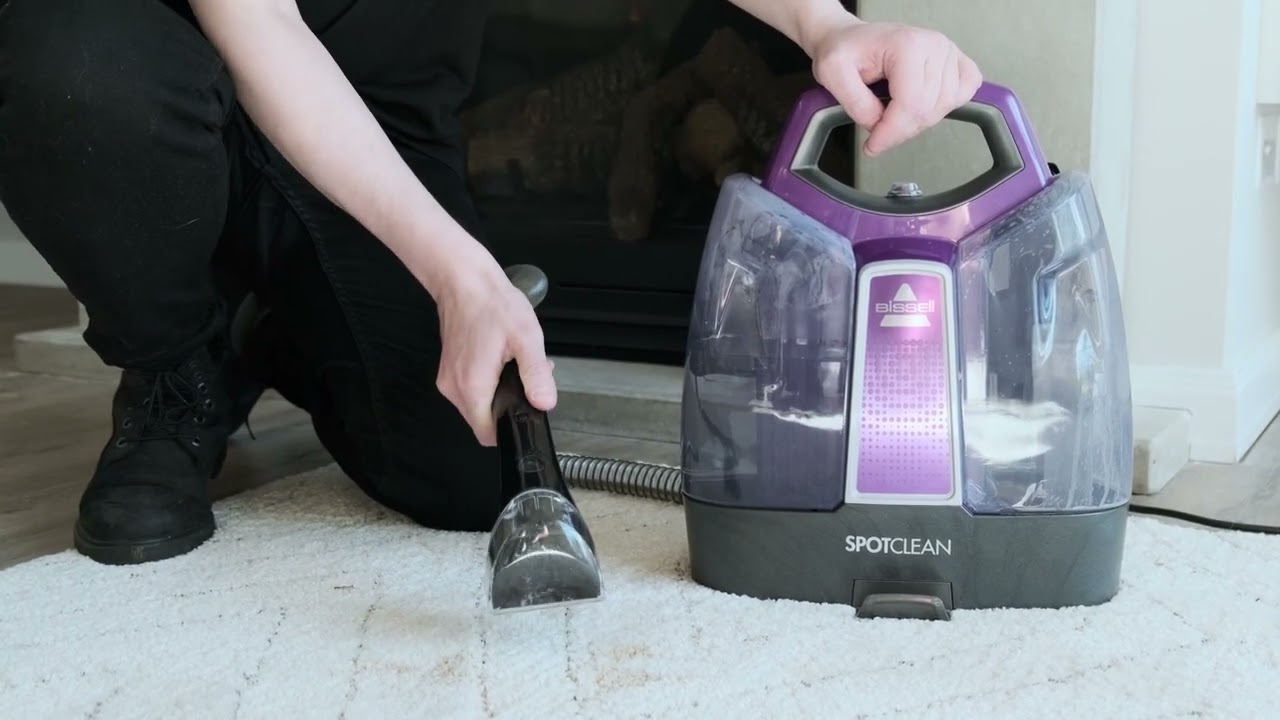
Pet urine
- Blot fast. Apply an enzyme cleaner and let it sit.
- Extract slow. Rinse and extract again. Dry well to stop wicking.
Coffee or tea
- Pre-treat with warm solution.
- Agitate gently. Extract. If a tan ring appears, do a quick rinse pass.
Red wine
- Blot, do not rub.
- Use oxygen-boost formula if allowed by fabric tag. Extract and rinse.
Grease or makeup
- Pre-treat with a spot remover safe for water-cleanable fabrics.
- Agitate lightly. Extract and rinse to remove residue.
Mud and soil
- Let dry. Vacuum. Then clean with light spray, short agitation, and strong extraction.
Surfaces
- Upholstery: Use low moisture, gentle strokes, more dry passes.
- Carpeted stairs: Work top to bottom. Do short sections.
- Car seats: Use the crevice tool for seams. Ventilate and dry with windows cracked.
These targeted moves will sharpen your sense of how to use a bissell spot cleaner on tricky stains.
Pro Tips, Mistakes to Avoid, and My Go-To Settings
From many jobs, here is what works best.
What I do every time:
- Use warm water only. It lifts soil without setting dyes.
- Make two rinse passes for sticky spills like soda.
- Finish with three dry strokes per wet stroke for faster drying.
Mistakes to avoid:
- Over-wetting. It drives stains deeper and causes wicking. Use light spray and strong extraction.
- Scrubbing hard. It can fuzz fibers and spread the stain. Use gentle agitation.
- Skipping rinse. Leftover soap attracts dirt. Always rinse.
- Mixing chemicals. Do not add vinegar, bleach, or ammonia to the tank.
If you keep these habits, how to use a bissell spot cleaner becomes fast and reliable.

Care, Maintenance, and Troubleshooting
After each use:
- Empty the dirty tank and rinse it.
- Run a minute of clean water through the hose to flush residue.
- Remove and rinse the tool head. Pick out hair and lint.
- Wipe the machine base. Leave tanks open to air dry.
Weekly or monthly:
- Descale with a mild solution if you have hard water.
- Check gaskets for wear. Make sure tanks click in snugly.
- Clean the inlet screen on the dirty tank for strong suction.
Quick fixes:
- Weak suction: Reseat tanks, check for clogs, and ensure the float isn’t stuck.
- Leaks: Inspect o-rings and caps. Do not overfill.
- Odors: Clean tanks, use enzyme on the source spot, and let parts dry fully.
Clean gear makes how to use a bissell spot cleaner easier next time and extends machine life.
Safety, Solutions, and Eco-Smart Choices
Keep it safe and simple.
- Use formulas labeled for your Bissell model. They are low-foam and protect pumps.
- Ventilate rooms while cleaning. Open a window or use a fan.
- For pet areas, enzyme products help break down urine crystals and odors.
- Consider Safer Choice or low-VOC solutions when possible.
- Store solutions away from kids and pets. Label spray bottles clearly.
Responsible choices support fabric health and indoor air quality while you master how to use a bissell spot cleaner.
Frequently Asked Questions of how to use a bissell spot cleaner
How long should carpets take to dry after spot cleaning?
Most spots dry in 2–6 hours. Speed it up with extra dry passes, fans, and low humidity.
Can I use vinegar or bleach in the clean tank?
No. They can damage seals and set stains. Use only approved Bissell formulas or water in the tank.
What water temperature works best?
Use warm tap water. Avoid boiling water, which can set some stains and may warp parts.
How often should I rinse after cleaning?
Do at least one rinse pass with plain water. Two passes help prevent sticky residue that attracts new soil.
What if the stain wicks back the next day?
Do a light re-clean with less spray and more dry strokes. Place a folded towel with weight on the spot to pull moisture up.
Is how to use a bissell spot cleaner different on upholstery?
Yes. Use less solution, softer agitation, and more dry passes. Always test colorfastness first.
Which formula should I choose for pet messes?
Use a pet-specific or enzyme formula. Give it time to work, then extract and rinse well.
Conclusion
You now know how to use a bissell spot cleaner from setup to cleanup. Use warm water, light spray, short agitation, and strong extraction. Rinse, then dry well. Maintain the machine, and stains will stop feeling stressful.
Put these steps to work on one small spot today. Share your results, ask a question, or subscribe for more real-world cleaning tips.