How To Use Bissell Spot Clean: Stain-Free Results Guide
How to use bissell spot clean: fill, pretreat, scrub, extract, rinse, and dry.
If you’re ready to get spotless carpets and upholstery fast, you’re in the right place. I’ve cleaned hundreds of stains, from coffee to pet messes, and I’ll show you how to use bissell spot clean with clear steps, pro tips, and real examples. Stick with me for expert guidance that keeps your fabric safe and your results consistent.
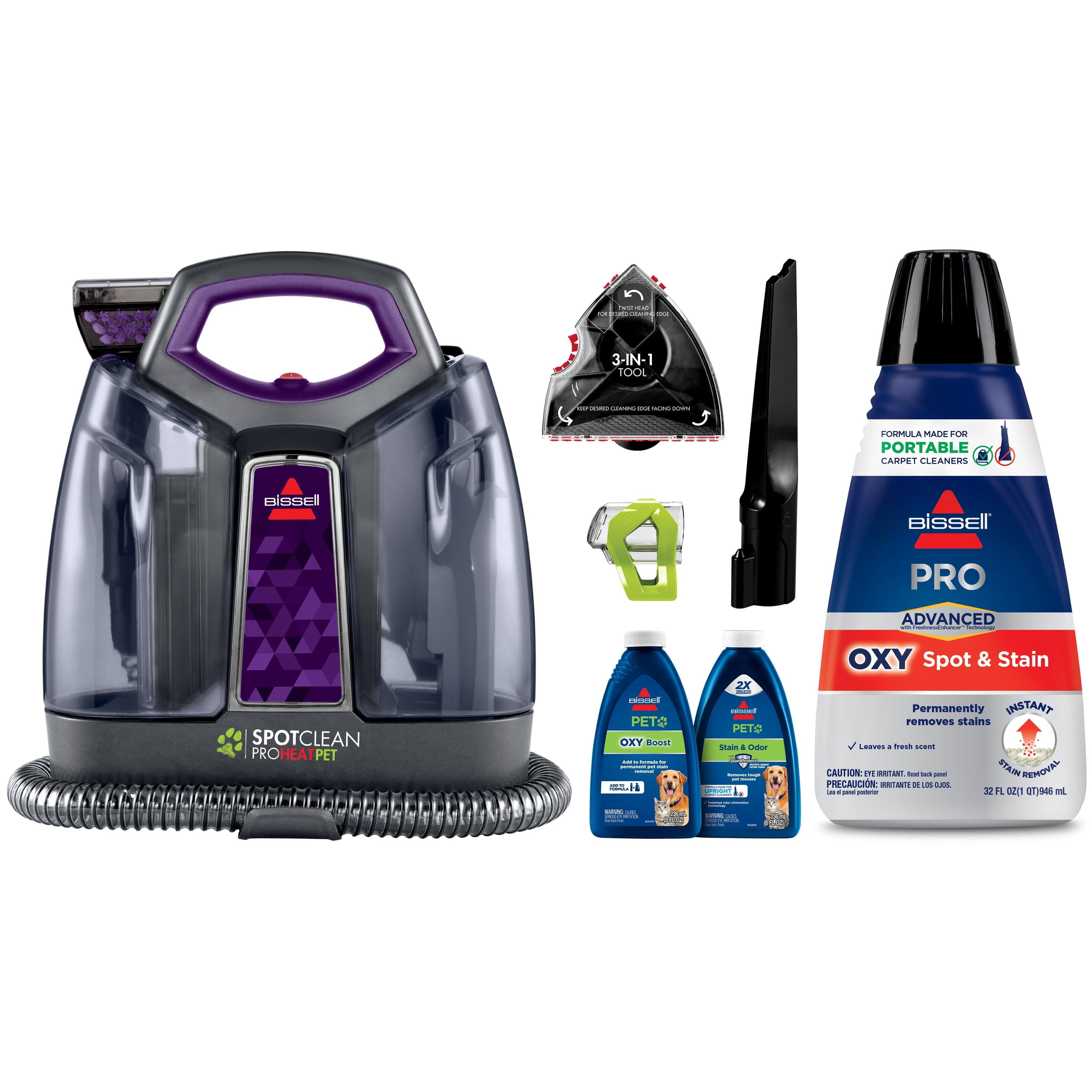
What you need before you start
Before you learn how to use bissell spot clean, gather the right tools and do a quick check. This helps you avoid damage and get the best clean.
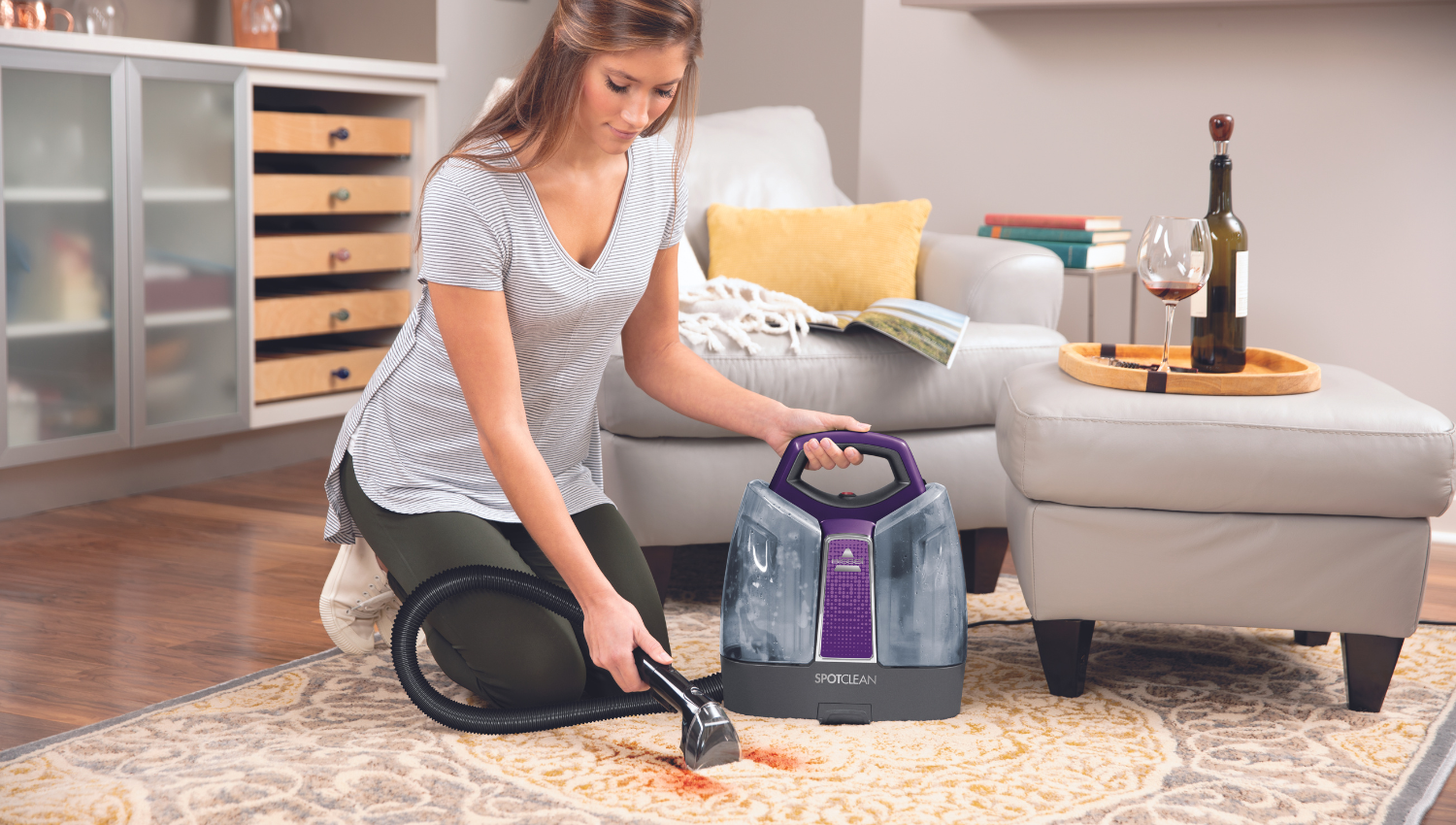
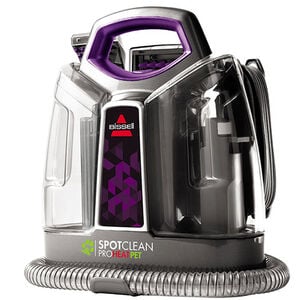
- Your BISSELL SpotClean model, like SpotClean, SpotClean Pro, or Pet Pro.
- BISSELL formula. Use Pro Max Clean and Protect, Pet Pro OXY, or Little Green solution.
- Hot tap water. Do not use boiling water.
- Towels for blotting and drying.
- A brush tool attachment. Use the 3-inch tough stain tool for most jobs.
- Optional: enzyme-based pre-treat for pet stains and odors.
Check the fabric care tag first. On upholstery, W or WS is safe with water. S or X means skip water-based cleaning and call a pro. Always test a small hidden spot for colorfastness. This simple step is central to how to use bissell spot clean with confidence.
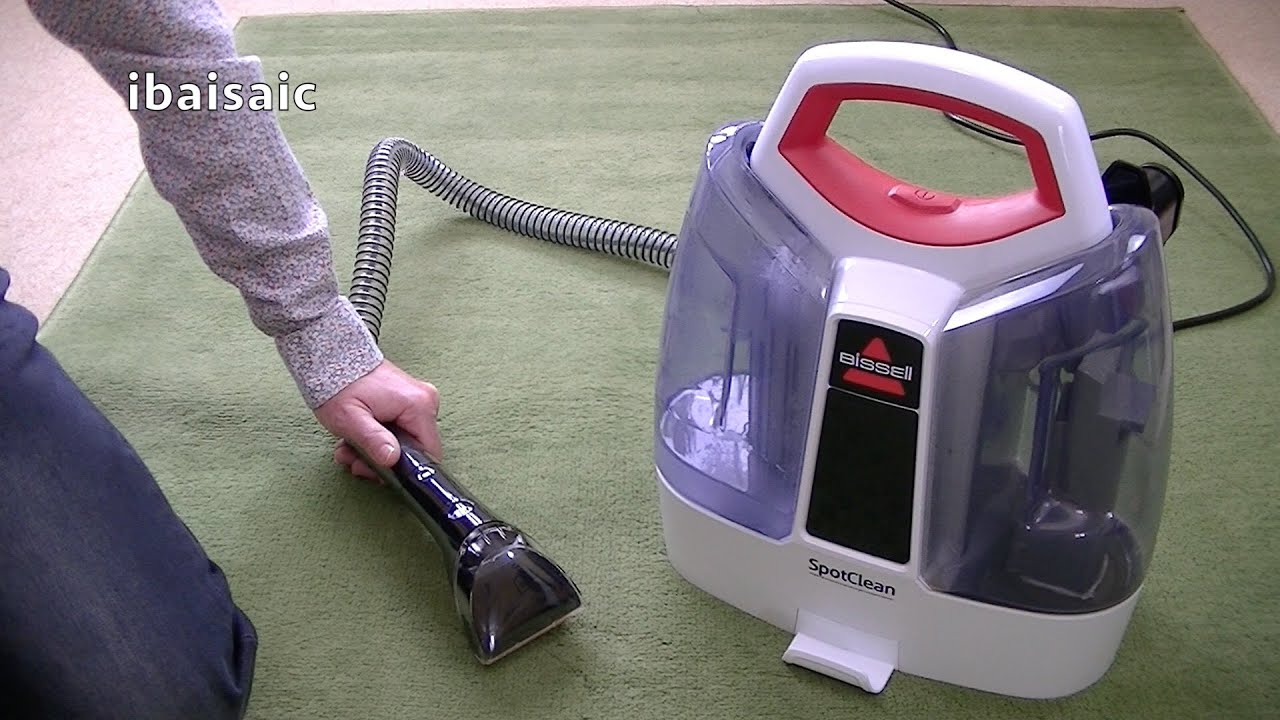
Step-by-step: first clean in 10 minutes
Here is how to use bissell spot clean in simple steps. These steps work on fresh spills and many set-in spots.
- Prep the area
- Blot up liquids with a towel. Do not rub.
- Remove solids with a spoon or dull knife.
- Test a small hidden area for colorfastness.
- Fill the clean tank
- Add hot tap water to the water line.
- Add BISSELL formula to the solution line. Follow the tank mark.
- Reseat the tank until it clicks. A loose tank reduces suction.
- Choose the tool
- For general stains, use the 3-inch tough stain tool.
- For stairs or wide spots, use a larger tool.
- For pet mess, use the pet stain tool with a hair trap if you have it.
- Pretreat and dwell
- Hold the tool an inch above the spot.
- Press the trigger to spray. Cover the stain lightly.
- Let it dwell for 3 to 5 minutes for tough stains. Do not oversoak.
- Scrub and extract
- With the trigger pressed, scrub in short strokes.
- Release the trigger. Pull back slowly to extract liquid.
- Repeat spray, scrub, and extract until the stain fades.
- Finish with dry passes only. Pull back slowly to improve dry time.
- Rinse pass
- Empty and refill the clean tank with plain hot water.
- Spray and extract once more. This removes residue and helps prevent re-soiling.
- Dry the area
- Blot with a dry towel.
- Point a fan at the spot if you can. Most areas dry in 2 to 6 hours.
Now you know how to use bissell spot clean for a fresh, fast clean that lasts.
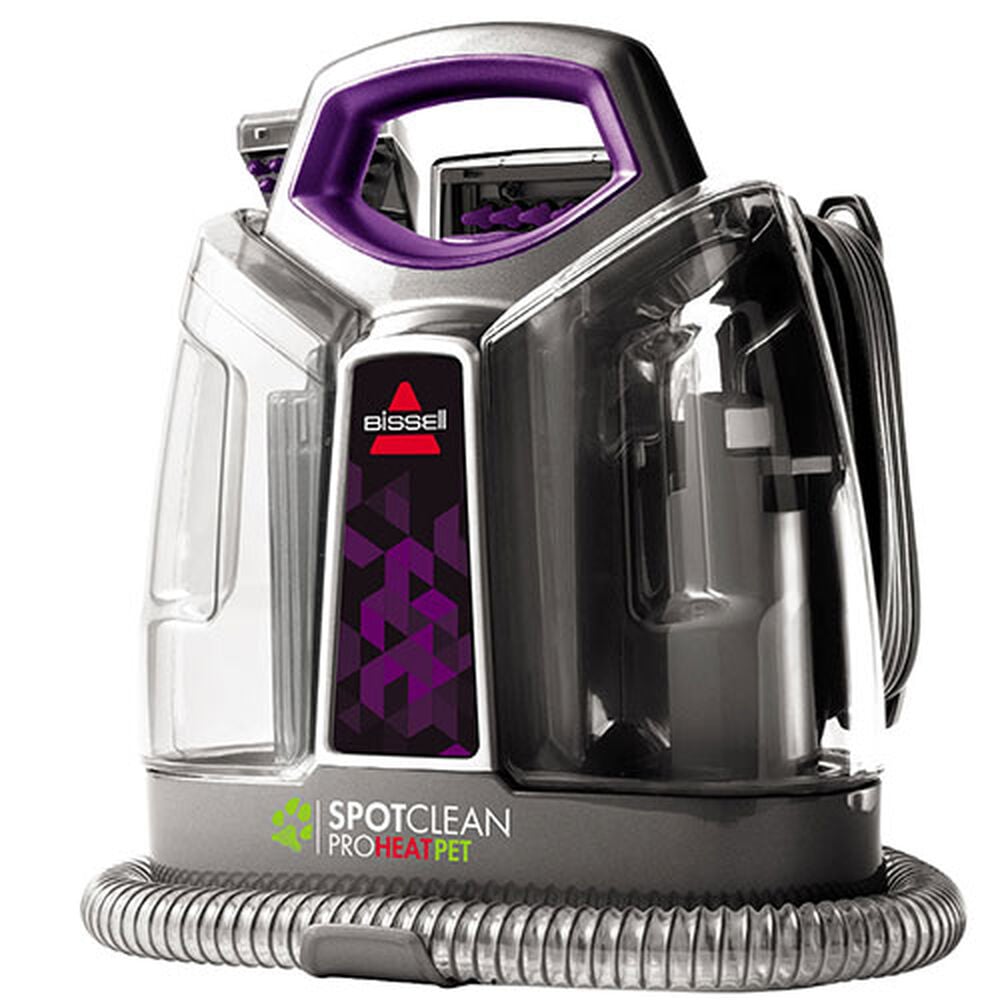
Tactics for tough stains and odors
Some stains need more time or a different approach. This is the part of how to use bissell spot clean most people skip, but it matters.
- Coffee and tea: Pretreat with OXY formula. Warm water helps break tannins. Use extra rinse passes to avoid rings.
- Red wine: Blot first. Use OXY. Keep the spot damp while you work. Do not apply heat until the stain is gone.
- Grease and makeup: Use a small amount of BISSELL formula, then agitate. Follow with multiple dry passes.
- Mud and dirt: Let mud dry. Vacuum or brush off soil. Then clean the residue with your SpotClean.
- Pet urine: Blot well. Use an enzyme pre-treat. Let it dwell up to 15 minutes, then extract. Enzymes remove odor at the source.
If a stain lingers, do two light rounds, not one heavy, wet round. Light layers protect the backing and speed up drying. That smart pacing is key to how to use bissell spot clean without overwetting.

Using attachments and settings like a pro
Mastering tools is key to how to use bissell spot clean well.
- 3-inch tough stain tool: Best all-around. Short bristles scrub fibers without damage.
- Wide stair tool: Great for steps, car mats, and larger spots. Use slow, straight passes.
- Pet stain tool: Built-in hair trap helps prevent clogs. Empty trap often.
- Deep reach tool: Injects solution below the surface. Useful for old spills that soaked in.
Pro technique
- Overlap strokes by half the width of the tool.
- Keep the tool flush to the fabric for better suction.
- Use more dry passes than wet passes. You clean with solution; you finish with suction.
Small detail work
- Use the edge of the tool on seams and piping.
- For auto interiors, protect electronics. Spray and extract in small sections.
These small habits add up to how to use bissell spot clean for crisp, even results.
Care, cleaning, and storage
Good care is half of how to use bissell spot clean. It stops odors, keeps suction strong, and extends life.
After each use
- Unplug the machine.
- Empty and rinse the dirty tank. Rinse the clean tank too.
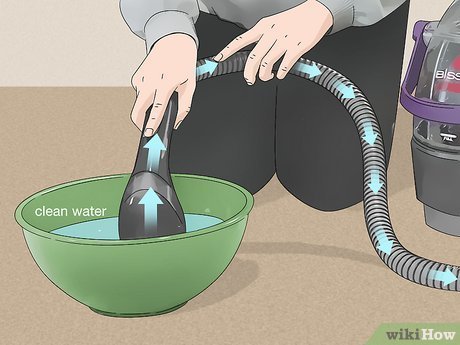
- Run plain water through the hose for 10 seconds to flush.
- Detach tools. Rinse under warm water. Let them air dry.
Weekly or after heavy use
- Check the red float in the dirty tank lid. Clean lint and hair.
- Inspect gaskets and o-rings. Replace if cracked to maintain suction.
- Wipe the base and hose with a damp cloth.
Monthly
- Descale if you have hard water. Run a tank of warm water with 1 cup white vinegar. Then run a full rinse tank of plain water. Do not leave vinegar sitting in the machine.
Storage
- Store indoors, upright. Leave tanks open to air dry.
- Wrap the hose loosely to prevent kinks.
- Keep formula capped and away from heat.
This routine keeps performance steady and supports how to use bissell spot clean the right way every time.

Troubleshooting and common mistakes
If you struggle with how to use bissell spot clean, check these points first.
Low suction
- The dirty tank may be full or not seated. Empty and reseat it.
- A gasket might be out of place. Inspect seals and the float stack.
- Tools or the hose can clog with hair. Remove the tool and rinse it clear.
- Move slower on dry passes. Fast pulls reduce extraction.
Leaking or no spray
- Confirm the clean tank is clicked in tight.
- Check that the tank cap and formula insert are not cross-threaded.
- Prime the trigger by spraying for a few seconds.
Bad smells
- Empty the dirty tank right after use.
- Flush with warm water. Let parts air dry fully.
- Use enzyme cleaners for pet odors.
Common mistakes to avoid
- Oversaturating the fabric. Use light sprays and more dry passes.
- Using bleach or solvent. Stick to BISSELL formulas to protect materials.
- Skipping the color test. Always test first to prevent dye bleed.
With a few fixes, you can master how to use bissell spot clean without stress.
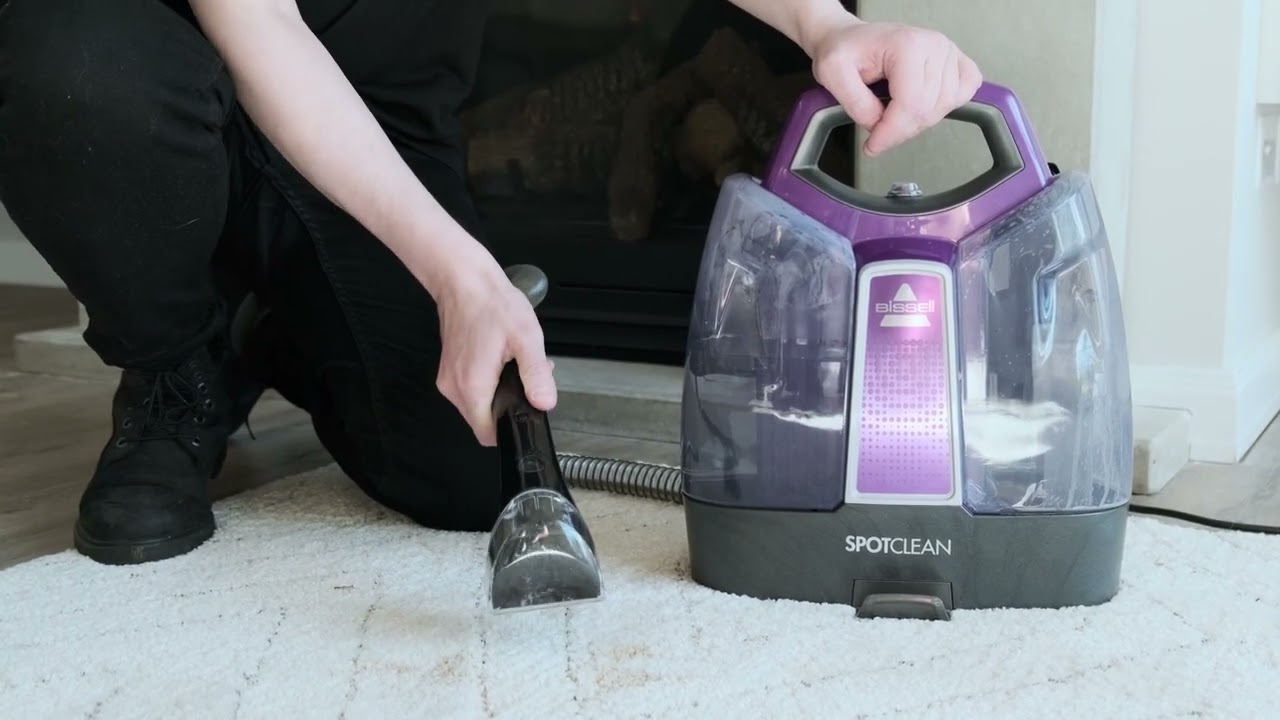
Safety, surfaces, and fabric codes
A safe plan is core to how to use bissell spot clean on fabrics.
Surface checklist
- Carpets and rugs: Most synthetic fibers are fine. Wool needs gentle passes and minimal moisture.
- Upholstery: W and WS tags are safe. S or X means dry-clean only. Velvet, silk, leather, and suede are not suitable.
- Mattresses: Light surface cleaning only. Do not oversoak. Use extra dry passes and airflow.
Water and heat
- Use hot tap water, not boiling.
- Unplug before cleaning or servicing the machine.
Chemicals
- Use only BISSELL-approved formulas.
- Avoid bleach, essential oils, or high-foaming soaps.
These rules keep fabrics safe and align with best practices for how to use bissell spot clean.
Real-world examples and pro tips
These stories show how to use bissell spot clean with confidence.
Coffee on a beige rug
- Blotted right away. Pretreated with OXY. Two light rounds with many dry passes. No ring, no wick-back the next day.
Pet accident on a sofa cushion
- Removed solids. Enzyme pre-treat with 10-minute dwell. Extracted in crosshatch passes. Rinsed once. Dried with a fan. Odor gone by morning.
Makeup on car seat fabric
- Dabbed excess. Small spray of formula. Gentle scrub with edge of the tool. Two dry passes per wet pass. Finished with a rinse pass.
Pro tips I use every week
- Work from the outside of the stain toward the center to prevent spreading.
- Use a white towel under cushions to catch moisture and speed dry time.
- If a stain reappears, do a short rinse pass and longer dry passes. That handles wick-back.
- Keep a small caddy with towels, gloves, and extra formula. Fast setup is half the battle.
These field notes reflect years of testing and refine how to use bissell spot clean for real life.
Frequently Asked Questions of how to use bissell spot clean
Can I use vinegar or homemade solutions in my SpotClean?
Use BISSELL formulas for best results and to protect seals and plastics. A light vinegar rinse for descaling is fine, but do not clean fabrics with vinegar in the solution tank.
Should I use hot or cold water?
Use hot tap water. Do not use boiling water, as excess heat can warp parts and reduce formula performance.
How long does it take for the cleaned area to dry?
Most areas dry in 2 to 6 hours. Improve airflow, use more dry passes, and avoid oversoaking to cut dry time.
Why is my SpotClean not spraying or has weak suction?
The clean tank might not be seated or may be low. Check the tool for clogs, reseat the dirty tank, and inspect seals and the red float.
Can I use it on a mattress or couch?
Yes for W or WS fabrics, with light sprays and many dry passes. Avoid S or X tags and fine fabrics like silk, velvet, leather, or suede.
Which formula should I choose for pet stains?
Use a pet OXY or enzyme formula to break down urine and odors. Allow extra dwell time before extraction.
How often should I clean the tanks and tools?
Rinse tanks and tools after every use. Do a deeper flush weekly and descale monthly if you have hard water.
Conclusion
You now have a clear plan for setup, stain removal, tool use, care, and safety. Follow light sprays, steady scrubbing, and slow dry passes, and you will get pro-level results at home. If you remember one thing about how to use bissell spot clean, it’s this: clean in layers and finish with thorough extraction.
Put these steps to work on your next spill today. Share your wins or questions in the comments, and subscribe for more hands-on cleaning guides.