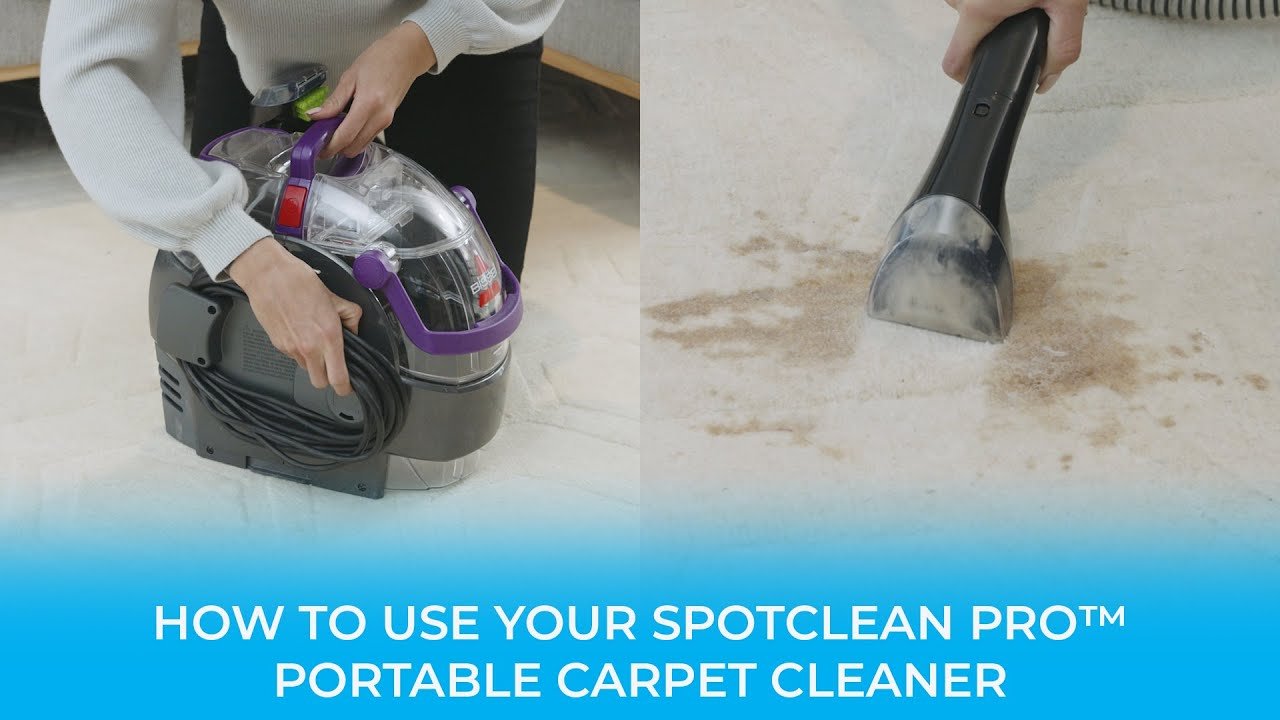
How To Use Bissell Spot Clean: Step-By-Step Guide 2026
Fill tank, spray, scrub lightly, extract, rinse, then dry and maintain.
If you want spotless carpets and upholstery fast, this guide shows how to use bissell spot clean like a pro. I’ve cleaned pet accidents, coffee spills, and mystery stains for years. Below, I break down how to use bissell spot clean step by step, with real-world tips, safety notes, and fixes for common issues. Read on to get better results with less effort.
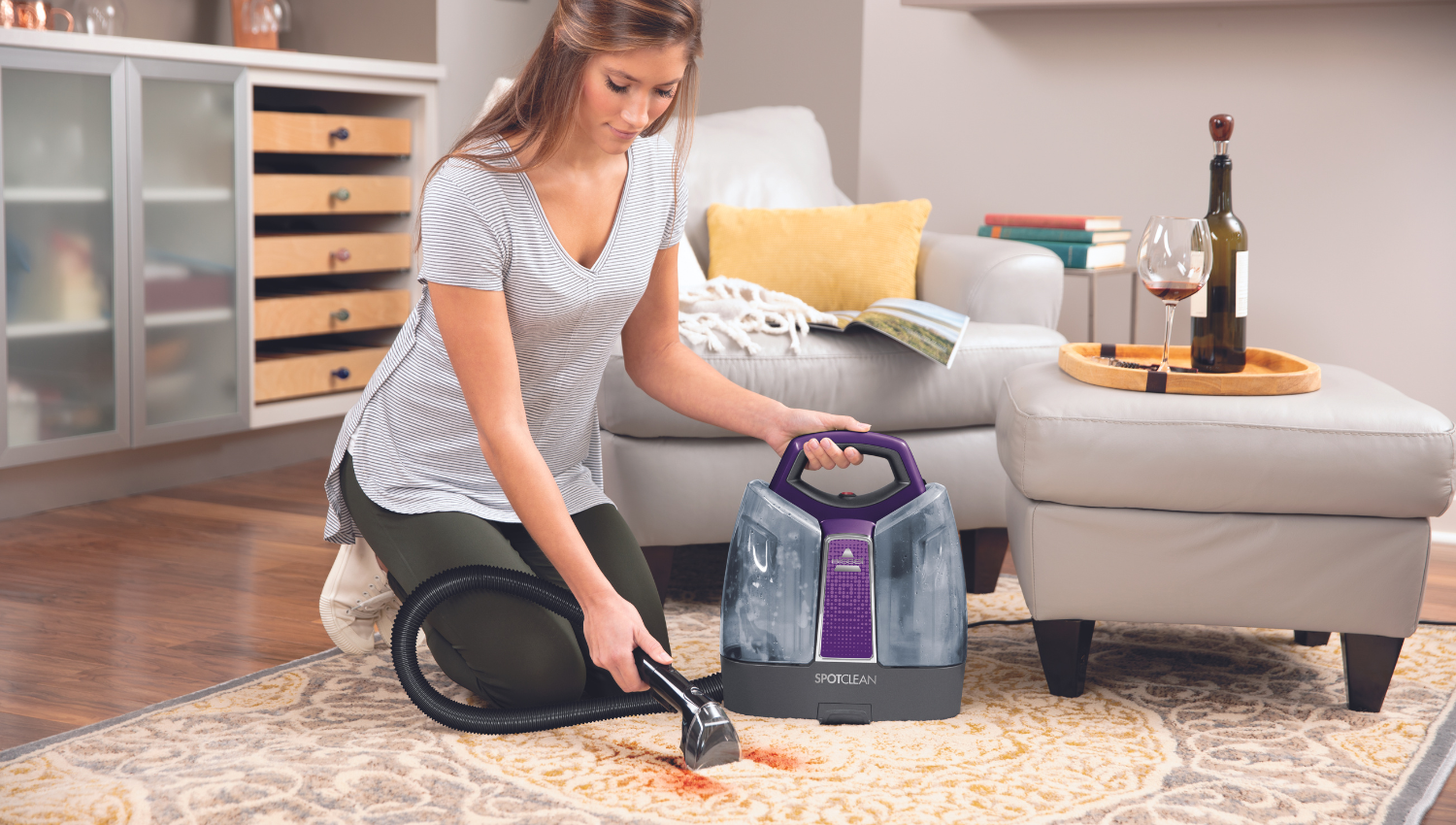
How Bissell SpotClean Works and When to Use It
Bissell SpotClean is a portable extractor. It sprays cleaning solution, scrubs the fibers, and then sucks dirty liquid into a separate tank. The method lifts soil from deep in carpet and fabric.
Use it for small stains, pet messes, car seats, stairs, and sofas. Do not use it on silk, sisal, jute, velvet, or anything marked X on the care tag. This guide on how to use bissell spot clean will help you avoid damage and get faster dry times.
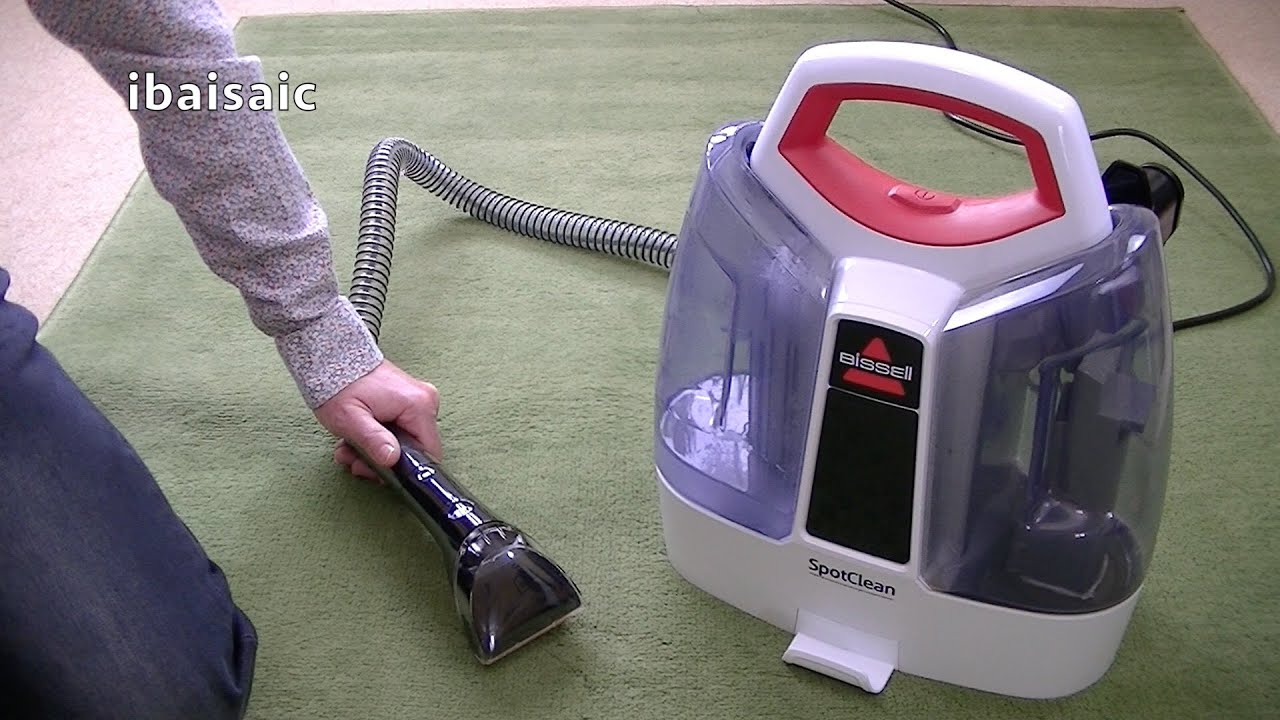
Quick Prep Checklist
Before you start, gather a few things. Quick prep makes the job safe and simple.
- Vacuum the area and blot fresh spills with paper towels.
- Check the fabric code. W or WS is usually safe. S and X are not.
- Test in a hidden spot for colorfastness. Look for dye transfer.
- Choose the right formula. Enzyme for pet stains, oxy for colored stains.
- Remove loose items and keep pets and kids away until dry.
- Plan airflow with a fan or open window to speed drying.
- Review this checklist on how to use bissell spot clean without damage.
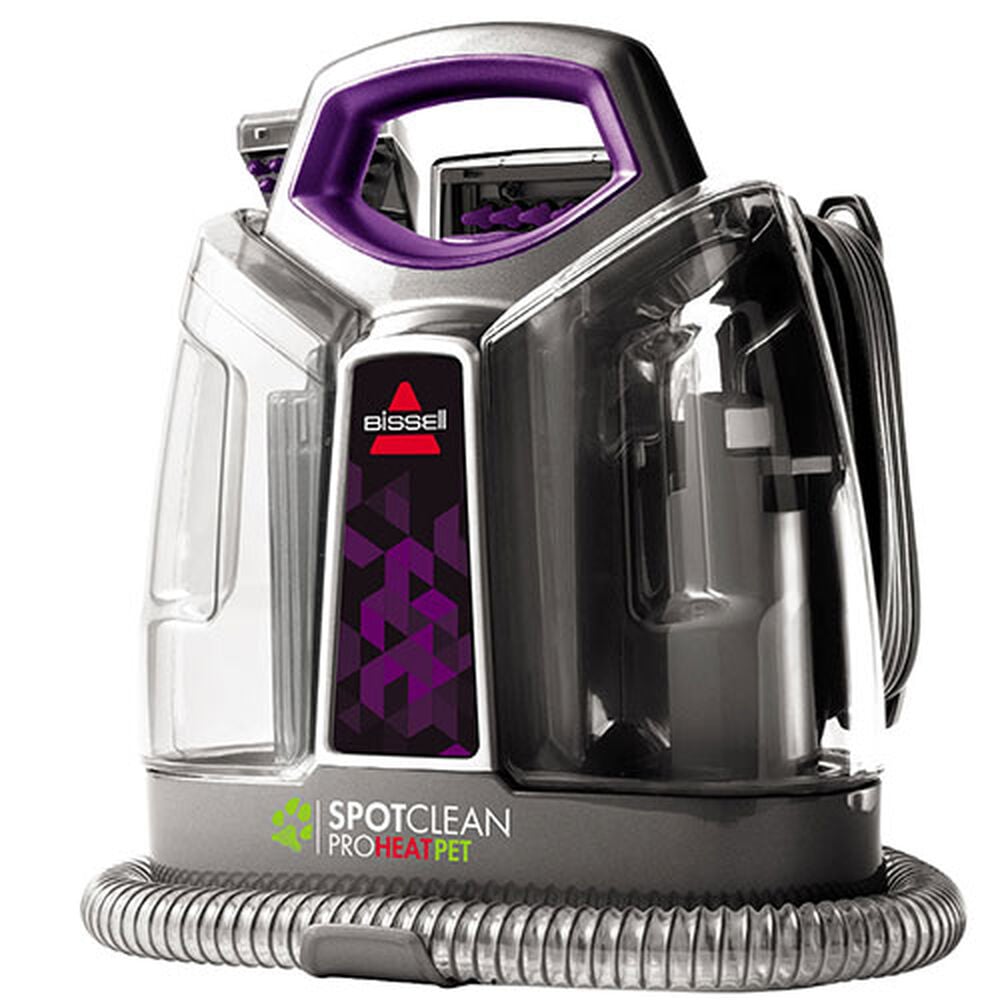
Step-by-Step: how to use bissell spot clean
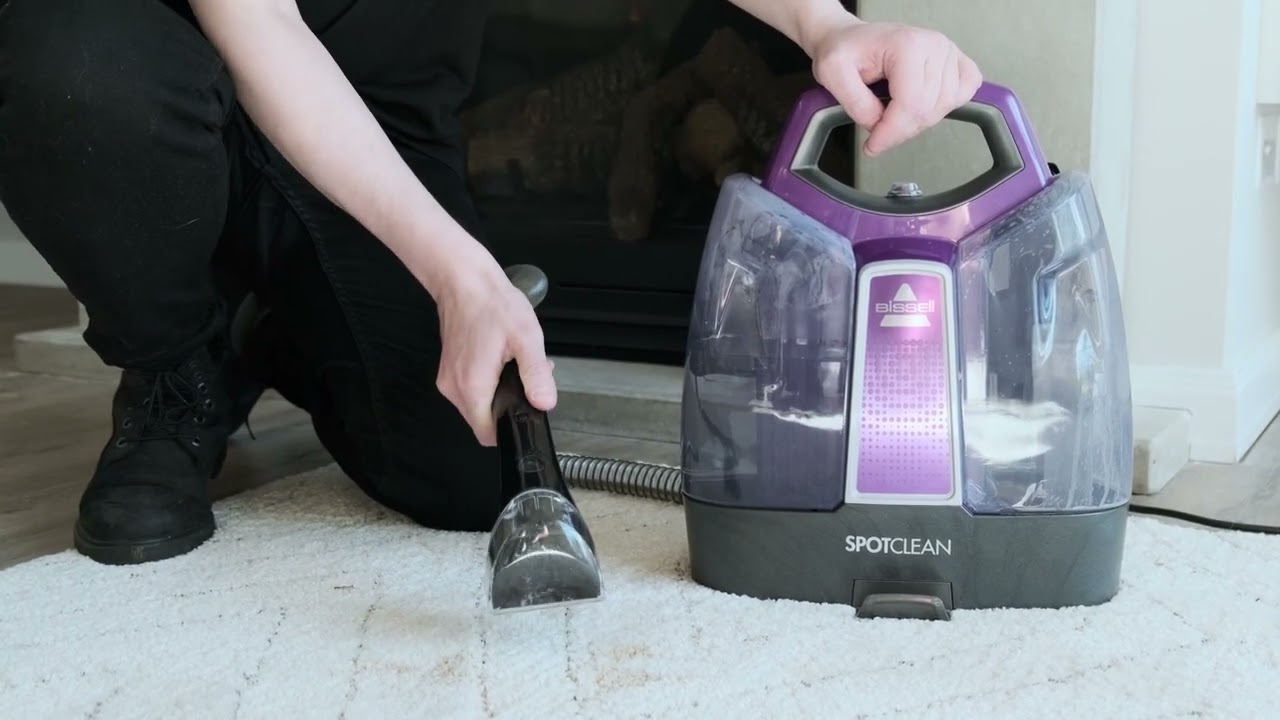
- Fill the clean tank. Add warm tap water and the Bissell formula to the fill lines. Do not use boiling water or bleach.
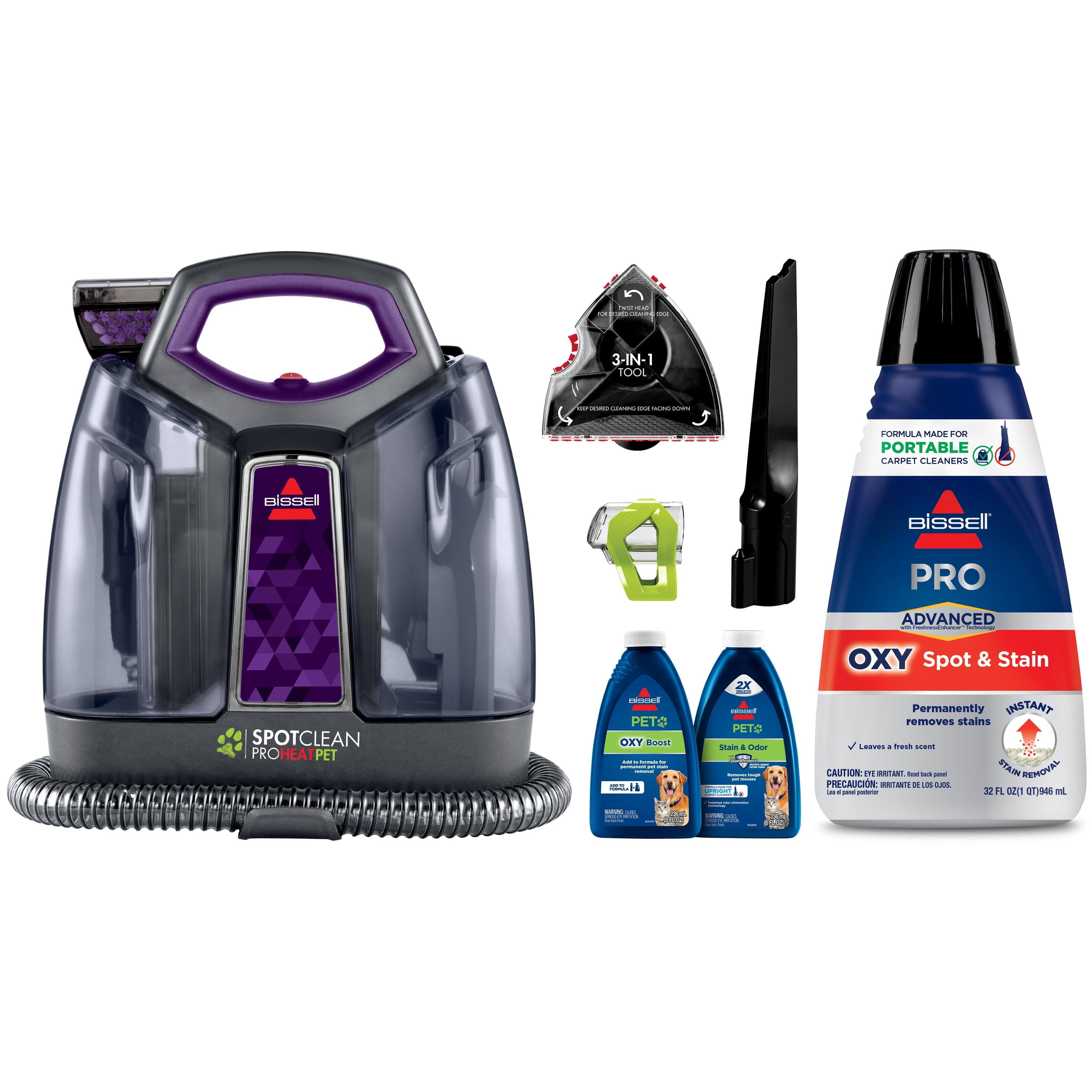
- Choose your tool. The 3-inch tough stain tool is the everyday pick. Snap it on the hose until it clicks.
- Prime and test. Plug in. Squeeze the trigger over a sink for 5 seconds to confirm spray. Check suction.
- Pretreat tough spots. For pet urine or old stains, apply an enzyme pretreat. Let it sit 5–10 minutes.
- Spray pass. Place the tool flat. Squeeze the trigger and make one slow forward pass to wet the area.
- Agitate. With the trigger released, scrub gently with the tool’s bristles. Use light pressure.
- Extraction passes. Keep the tool flat. Pull backward slowly to suck out moisture. Make 2–4 dry passes until little liquid enters the tank.
- Rinse pass. Refill the tank with plain water. Lightly spray, then do more dry passes. This cuts residue and stickiness.
- Feather the edges. Overlap the clean zone by 1–2 inches. This avoids clean rings and blends the pile.
- Speed dry. Blot with a white towel, groom the fibers, and aim a fan. Repeat on any remaining spots.
If you are learning how to use bissell spot clean, follow rinse passes every time. It prevents re-soiling and leaves fibers soft.

Stain Tactics for Common Messes
Different stains need different moves. Use these quick plays to save time and protect fabric.
Pet urine or vomit
Blot first. Use an enzyme cleaner and give it time to work. Extract slowly. If padding is soaked, treat twice to stop odor wicking.
Coffee, tea, or wine
Use an oxy booster or formula with oxygen power. Keep water warm, not hot, to avoid setting tannins. Rinse well to avoid rings.
Mud and dirt
Let mud dry. Vacuum first. Light spray, short scrubs, and many dry passes give the best lift.
Grease, makeup, or lotion
Scrape off the extra. Use a dedicated degreasing spotter that is safe for carpet. Light spray and fast extraction help avoid spreading.
Old or mystery stains
Test first. Do short dwell times and repeat cycles. For these, how to use bissell spot clean well means patience: several light cycles beat one heavy soak.
Drying Without Wicking
Wicking is when a stain creeps back as the carpet dries. Stop it by removing more moisture and boosting airflow.
- Do extra dry passes until you see little water in the tool.
- Lay a clean towel on the spot and press to pull up more moisture.
- Run a fan for at least 2–4 hours. A dehumidifier helps in humid rooms.
- For thick pile, groom the fibers so they dry upright.
These habits are a key part of how to use bissell spot clean for lasting results.

Care and Maintenance After Each Use
A clean machine works better and lasts longer. It also smells better.
- Empty and rinse both tanks with warm water.
- Run plain water through the tool for 10 seconds to clear the hose.
- Wipe the tool face and bristles. Remove hair and lint.
- Open tank caps and let parts air dry before storage.
- Check gaskets and the dirty-tank float. Reseat parts firmly.
- Once a month, descale with warm water if you have hard water.
Learning how to use bissell spot clean includes caring for the tool. A 3-minute cleanup saves time on the next job.
Troubleshooting: Fast Fixes
Most issues have simple causes. Use these quick checks before calling support.
- No spray. Make sure the clean tank is seated. Hold the trigger for 30 seconds to prime the pump. Refill the tank.
- Weak suction. Reseat the dirty tank. Check the float flap and lid seal. Clear lint from the tool face.
- Leaks. Inspect tank caps and gaskets. Tighten firmly but do not overtighten.
- Foaming in the dirty tank. Use less formula and only manufacturer-approved defoamer if needed.
- Bad smell. Rinse tanks after every use. Extract a cup of warm water with a few drops of approved sanitizer per label.
If you are still learning how to use bissell spot clean, keep passes slow and flat. Speed and tilt often cause poor results.
Safety, Surfaces, and Limits
The tool is strong, but it has limits. Protect your home and fabrics.
- Safe: most synthetic carpets, rugs with W/WS codes, car interiors, and many upholstered sofas.
- Avoid: silk, velvet, sisal, jute, natural fiber rugs, leather, suede, or anything labeled S or X.
- Use warm water only. Keep the unit upright. Unplug before cleaning parts.
- Do not over-wet. If the pad gets soaked, stains can return and odors can grow.
- Store indoors above freezing. Keep formulas away from kids and pets.
A big part of how to use bissell spot clean right is knowing where not to use it.
Pro Tips, Accessories, and Formulas
Small upgrades improve speed and results. Use the right tool for the job.
- Tools: 3-inch tough stain tool for daily use, 6-inch stair tool for wide areas, pet tool for hair and messes.
- Formulas: enzyme cleaners for pet stains, oxy boosters for colored spills, sensitive formulas for delicate fabrics with W codes.
- Technique: fewer spray passes, more dry passes. Feather edges. Rinse with plain water at the end.
These pro habits refine how to use bissell spot clean and help you get pro-level results at home.
Frequently Asked Questions of how to use bissell spot clean
How often should I empty the dirty tank?
Empty and rinse after every session. If you notice foam or smell, pause and empty mid-job.
Can I use vinegar or dish soap in the machine?
Use only manufacturer-approved formulas. Vinegar and dish soap can foam, leave residue, and may void the warranty.
What water temperature should I use?
Use warm tap water. Do not use boiling water as it can warp parts and set some stains.
How long does the cleaned area take to dry?
Most spots dry in 2–6 hours with airflow. Use a fan or dehumidifier to speed it up.
Will this remove old pet urine smell?
Often yes, with an enzyme formula and repeat cycles. If urine reached the pad, you may need a deeper treatment.
Can I use it on a mattress or car seats?
Yes for many fabrics marked W or WS, but test first. Use light moisture and strong airflow to dry fast.
Why does the spot look clean but returns the next day?
That is wicking. Do extra dry passes, blot with towels, and improve airflow after cleaning.
How do I avoid sticky residue after cleaning?
Use correct formula amounts and always do a rinse pass with plain water. Too much detergent can leave the fibers tacky.
Conclusion
You now know how to use bissell spot clean from prep to dry. Keep spray light, scrub gentle, and focus on slow extraction and a final rinse. Those simple habits prevent wicking and leave fibers fresh.
Try the steps on one problem spot today. Track what works on your carpet type and build a simple routine. If you found this helpful, share it, subscribe for more home care guides, or leave a comment with your toughest stain.