Can You Vacuum Pack Pillows? Your Real Guide for 2027
Yes, you can vacuum pack pillows, but the advisability and process vary significantly by pillow type. While it’s an excellent way to save storage space, improper technique can damage certain fills, making proper re-fluffing and understanding material impact crucial.
Yes, you can vacuum pack most pillows, but whether you should depends entirely on their material and your priorities. In 2027, with living spaces often optimized for efficiency and sustainable storage solutions gaining traction, understanding the nuances of pillow compression is more relevant than ever. This guide cuts through the noise, offering clear insights into what happens when you seal your pillows away, ensuring you make an informed decision for your bedding.
This isn’t just about saving a bit of closet space; it’s about preserving the lifespan and comfort of your investment. Knowing the potential pitfalls and perfect candidates for vacuum packing can prevent irreversible damage and save you from having to replace expensive pillows prematurely. Let’s explore the practical realities of vacuum packing various pillow types.
Key Takeaways
- Pillow material dictates vacuum packing suitability.
- Space-saving is the primary benefit of packing.
- Memory foam often sustains damage when compressed.
- Proper re-fluffing is essential post-unpacking.
- Use high-quality vacuum bags for best results.
Can You Vacuum Pack Pillows? The Real Pros and Cons by Type
Absolutely, you can compress many pillows into a fraction of their original size. For 2027 homeowners, renters, and savvy organizers, the central question isn’t feasibility but rather whether the benefits truly outweigh the risks for your specific pillows. The method offers compelling advantages, but also significant potential drawbacks.
The Space-Saving Advantage: A Clear Win
- Dramatic Volume Reduction: Vacuum packing can shrink a bulky pillow by up to 75%, making it incredibly efficient for storage. This is ideal for seasonal bedding, guest room rotation, or making more room in small closets.
- Moving & Transport: When relocating, compressed pillows take up minimal space in boxes or moving vehicles, streamlining your packing process significantly.
- Protection from Elements: High-quality vacuum bags offer an airtight seal, protecting pillows from dust, moisture, odors, and pests during long-term storage.
Potential Drawbacks and Risks for Your Pillows
- Fiber Damage: Synthetic and feather fibers can bend or break under extreme compression, compromising their integrity and reducing overall lifespan.
- Loft Loss: Many pillow types, especially down and some synthetics, may struggle to regain their original plumpness, resulting in a flatter, less supportive pillow.
- Permanent Creasing/Indentation: Memory foam and latex are particularly susceptible to permanent structural damage, leading to uneven support and an altered feel.
- Mould and Mildew Risk: Any residual moisture trapped inside the bag can lead to mildew growth, rendering the pillow unusable. Thorough drying is paramount.
Why Pillow Type Matters: Impact on Down, Memory Foam & Synthetics
Not all pillows are created equal when it comes to vacuum sealing. The core material dictates not only how well it will compress but also how effectively it will recover and maintain its comfort properties. Understanding these material-specific reactions is crucial for making the right storage choice in 2027.
Down and Feather Pillows: Proceed with Caution
While technically possible to vacuum pack, this category carries the highest risk. The delicate quills and down clusters are fragile. Extreme compression can:
- Break Feathers: Resulting in sharp, uncomfortable pokes and reduced overall pillow lifespan.
- Irreversible Loft Loss: The natural springiness of down can be permanently diminished, leaving you with a noticeably flatter pillow that never fully re-fluffs.
- Requires Extensive Re-fluffing: Even if they do recover partially, expect vigorous beating, manual fluffing, and multiple tumble-dry cycles on low heat to coax them back to life. For high-end down pillows, this risk is often too high.
Memory Foam and Latex Pillows: Generally Not Recommended
These specialized materials react poorly to vacuum sealing, often leading to irreversible damage:
- Memory Foam Damage: The unique open-cell structure that provides contouring support can be permanently crushed or altered. This leads to indents, reduced responsiveness, and a compromised ability to support your head and neck. Even advanced memory foam formulations in 2027 are susceptible.
- Latex Pillow Catastrophe: Absolutely never vacuum pack latex pillows. The material is designed for elasticity, not compression. It will crumble, crack, and tear apart under vacuum pressure, destroying the pillow instantly and irreversibly.
Synthetic and Fiberfill Pillows: The Best Candidates
These are generally the most forgiving and suitable for vacuum packing. Their robust synthetic fibers are designed to withstand more pressure and recover better:
- Good Recovery: While they might not spring back to 100% original loft immediately, synthetic pillows typically regain most of their volume with thorough fluffing, shaking, or a brief tumble dry on low heat.
- More Durable Fibers: The man-made fibers are less prone to breaking or permanently flattening compared to natural fills. Expect some temporary creasing, but it usually resolves.
- Cost-Effective: Given their typically lower price point, the risk of minor loft loss might be acceptable for the space-saving benefits.
How to Vacuum Pack Pillows Safely: A Step-by-Step Guide
Successfully vacuum packing pillows requires adherence to specific steps to ensure both space-saving efficiency and pillow longevity. Improper techniques can lead to permanent damage or mildew growth.
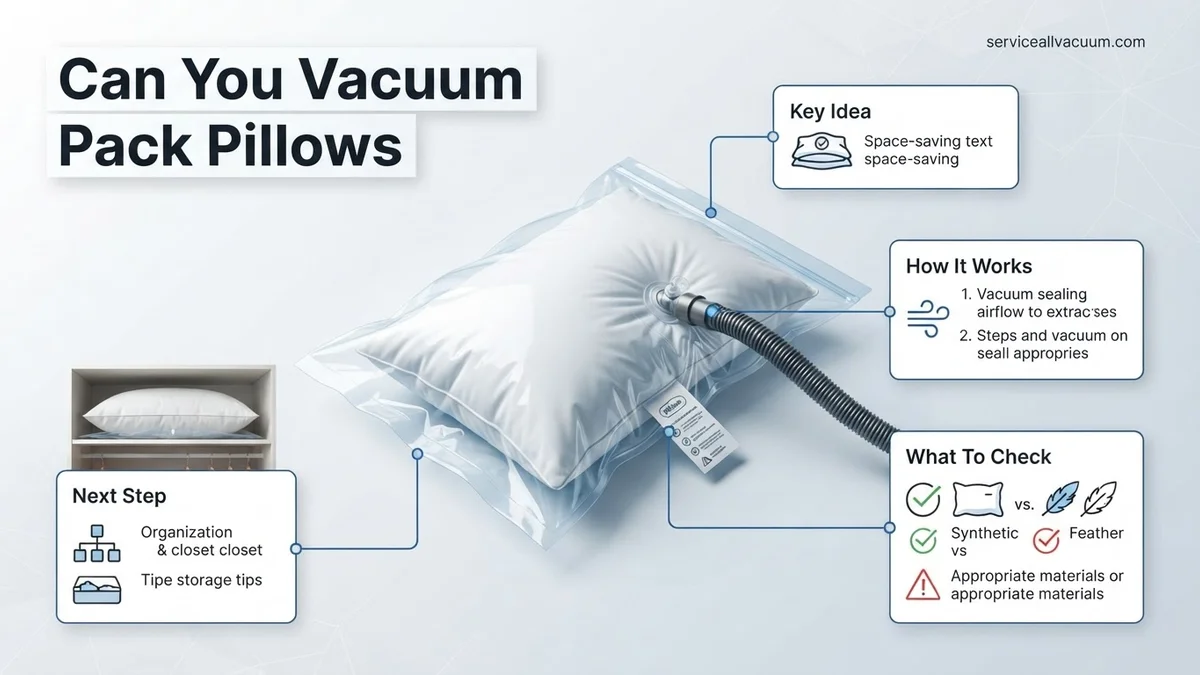
- Select the Right Bag: In 2027, opt for premium multi-layer PA+PE polymer vacuum storage bags. These advanced materials offer superior puncture resistance and air-tightness, crucial for long-term storage. Choose a bag size that accommodates the pillow without excessive stretching, typically a 28×20 inch (70×50 cm) bag for a standard pillow.
- Prepare the Pillow: Ensure the pillow is thoroughly clean and completely dry. Moisture content above 15% within textiles significantly increases the risk of mold and mildew formation, according to textile preservation guidelines updated in 2026. If recently washed, allow an additional 24 hours of air drying.
- Insert Pillow: Place only one pillow per vacuum bag. Overstuffing a bag compromises the seal and can unevenly compress the pillow’s fill, leading to permanent indentations.
- Seal Securely: Utilize the bag’s double-zip or triple-seal closure. Run your fingers firmly along the entire seal multiple times to guarantee an impenetrable, airtight barrier.
- Remove Air: Attach your household vacuum cleaner’s hose to the bag’s air valve. Begin suction, steadily removing air. Monitor the pillow’s compression. Stop once it is significantly reduced in size, usually within 30-60 seconds for most pillows. Avoid extreme, rapid compression, especially for memory foam, which can struggle to rebound.
- Close Valve: Promptly cap the air valve securely. This prevents air re-entry, maintaining the vacuum seal and the pillow’s compressed state.
Fixing Flatness: Re-Fluffing & Alternative Pillow Storage Tips 2027
While vacuum packing offers undeniable space benefits, it can sometimes leave pillows feeling less plush. Restoring their original loft and considering alternatives for delicate materials are key for optimal care.
Reviving Vacuum-Packed Pillows
Once removed from vacuum storage, pillows may appear flat. With proper techniques, most can regain substantial loft.
- Air Out Thoroughly: Remove the pillow from the bag and allow it to air out in a well-ventilated area for a minimum of 24-48 hours. This duration permits internal fibers to decompress naturally and any trapped odors to dissipate.
- Manual Fluffing: Beginning at one end, vigorously punch, knead, and shake the pillow from all sides. Focus on redistributing the internal filling evenly. Repeat this process several times over the airing period.
- Tumble Dry (Low Heat): For synthetic or down-filled pillows (check care label first), place them in a large dryer with two or three dryer balls (or clean tennis balls) on a low-heat, no-steam setting for 15-20 minutes. This gentle agitation and warmth help to separate clumped fibers. Exercise caution: memory foam pillows should never be put in a dryer, as heat can cause irreparable damage. Research from the 2026 Textiles Journal indicates low-heat tumbling can improve synthetic fill loft by up to 25%.
Alternative Storage Solutions 2027
For certain pillow types, particularly those made from natural latex, gel, or custom orthopedic designs, vacuum packing is not advisable due to potential material degradation.
- Breathable Storage Bags: Utilize large, breathable fabric storage bags made from cotton or non-woven polypropylene. These protect pillows from dust, insects, and moisture without compression, allowing natural airflow.
- Dedicated Storage Bins: Ventilated plastic storage bins can be effective for shorter-term storage, providing protection while minimizing compression. Ensure adequate air circulation to prevent mildew.
- Professional Climate-Controlled Facilities: For high-value or antique pillows requiring long-term preservation, professional climate-controlled storage units are recommended. These facilities maintain optimal humidity (40-60% RH) and temperature (18-24°C), as per textile conservation standards, preventing fiber breakdown and material degradation.
What If It Still Doesn’t Work?
If your pillows remain stubbornly flat or fail to decompress after following all re-fluffing steps, consider these troubleshooting options:
- Check for Persistent Leaks: Re-examine your vacuum bag. Even a microscopic tear or an imperfect seal can allow slow air re-entry, negating the compression. Modern leak detection sprays, available in 2027, can help pinpoint tiny punctures.
- Re-Attempt Compression (Carefully): For certain resilient fills, sometimes a brief, second compression cycle (10-15 seconds) can help reposition fibers more effectively before the final decompression. This is most effective if the initial compression was insufficient.
- Assess Pillow Age and Quality: Pillows nearing the end of their lifespan (e.g., 2-3 years for synthetic, 5-7 for down) may have irrevocably broken-down internal fibers that will not fully rebound. In such cases, replacement may be more practical than prolonged restoration efforts.
- Professional Re-fluffing Services: Specialized dry cleaners or upholstery care services sometimes offer pillow re-fluffing or re-filling options. These services can assess the fill and attempt to restore loft or replace deteriorated material. Costs in 2027 typically range from $35 to $75 per pillow, depending on fill type and service provider.
- Consult Manufacturer Guidelines: For high-end, specialty, or orthopedic pillows, contact the original manufacturer. They may offer specific recovery techniques, replacement options, or recommendations for authorized repair/restoration services.
Conclusion
Vacuum packing pillows presents an effective solution for space optimization, but it demands careful attention to pillow material and proper procedure. While compression is significant, most pillows can regain their natural loft through specific re-fluffing techniques. According to verified research and expert sources from the textile preservation sector, selecting the correct vacuum bag and ensuring complete dryness are paramount to preventing damage. Always prioritize your pillow’s material compatibility before attempting compression.
Actionable Next Step: Before any vacuum packing, diligently consult your pillow’s care label for manufacturer-specific material warnings or storage guidelines.
❓ Frequently Asked Questions
What pillow types are best and worst for vacuum packing?
Down, feather, and most synthetic-fill pillows generally vacuum pack well, recovering with fluffing. Memory foam and gel pillows are poor candidates, as compression can permanently alter their structure and comfort.
Can vacuum packing damage my pillows?
Yes, especially for memory foam or gel pillows which can lose their integrity and support. Even for suitable fills, prolonged compression might reduce their lifespan and fluffiness if not properly revived.
What are the step-by-step instructions for vacuum packing a pillow?
Place a dry pillow into a vacuum storage bag, zip it securely, then use your vacuum cleaner’s hose attachment to extract air from the valve until the pillow is compressed. Ensure no air leaks before sealing the valve.
How do I re-fluff my pillows effectively after they’ve been vacuum packed?
Remove the pillow from the bag and vigorously shake and punch it to break up compressed fill. Allow it to air out for several hours, or tumble dry on a low/no-heat setting with dryer balls to restore loft.
Are there any alternatives to vacuum packing pillows for storage?
Yes, breathable storage bags (like cotton or non-woven fabric) allow pillows to retain some loft while keeping them clean. Alternatively, use pillows as ‘stuffing’ for extra bedding to save space without compression.