How To Use A Bissell Spot Cleaner: Step-By-Step Guide
Power on, fill the clean tank, spray, scrub gently, extract, and rinse until clean.
If you want a spotless sofa, stairs, or car seat, you are in the right place. As someone who cleans homes for a living, I will show you how to use a bissell spot cleaner the right way. In this clear guide on how to use a bissell spot cleaner, you get pro steps, safety notes, and real tips that work fast and protect your fabrics.
What a Bissell Spot Cleaner Does and When to Use It
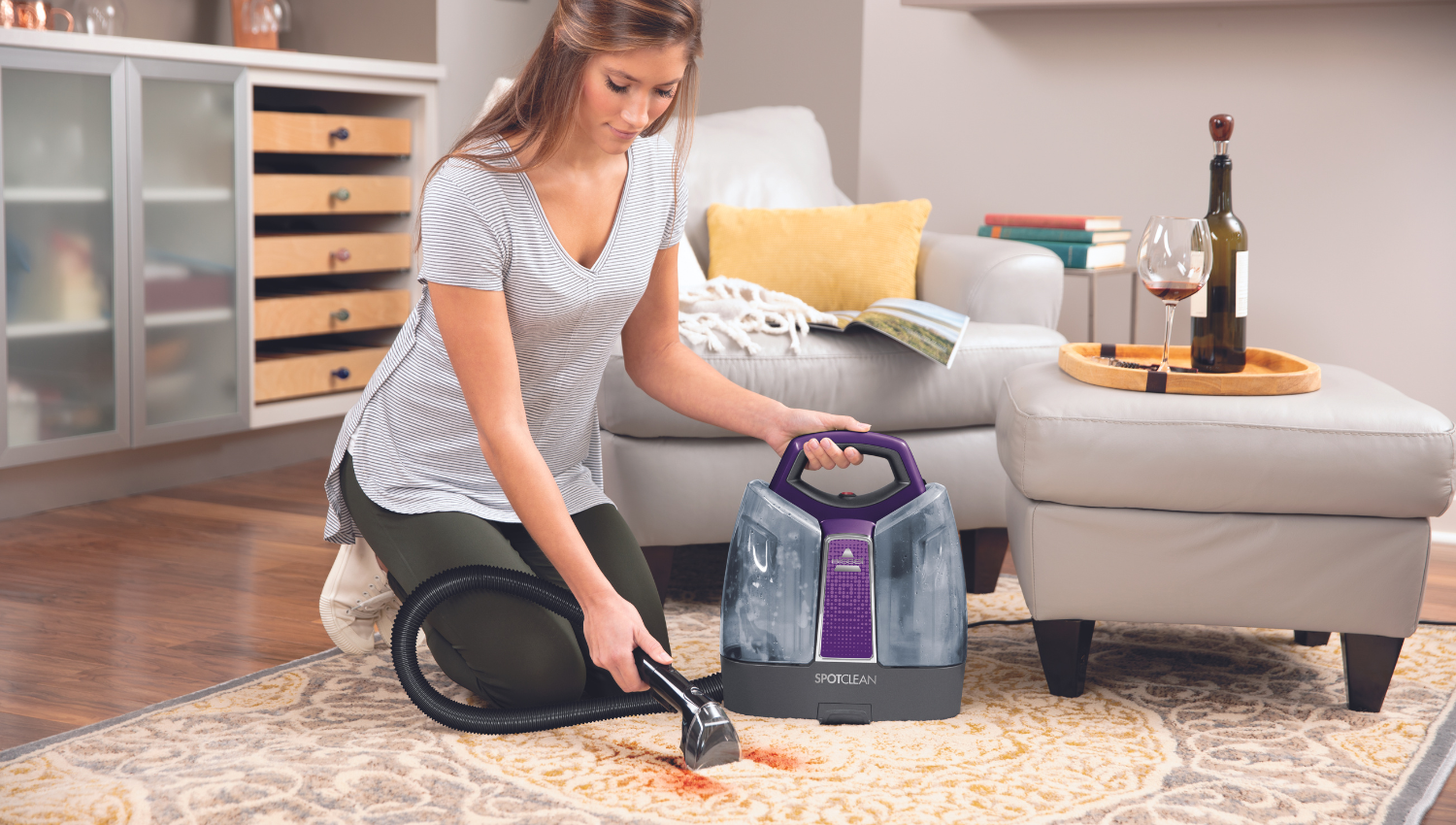
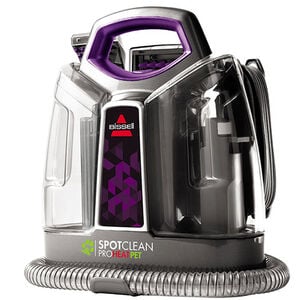
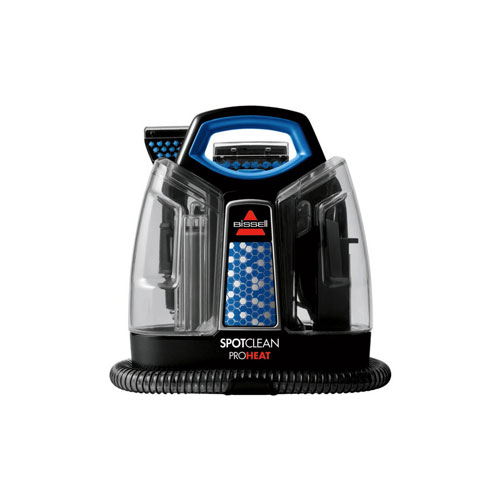
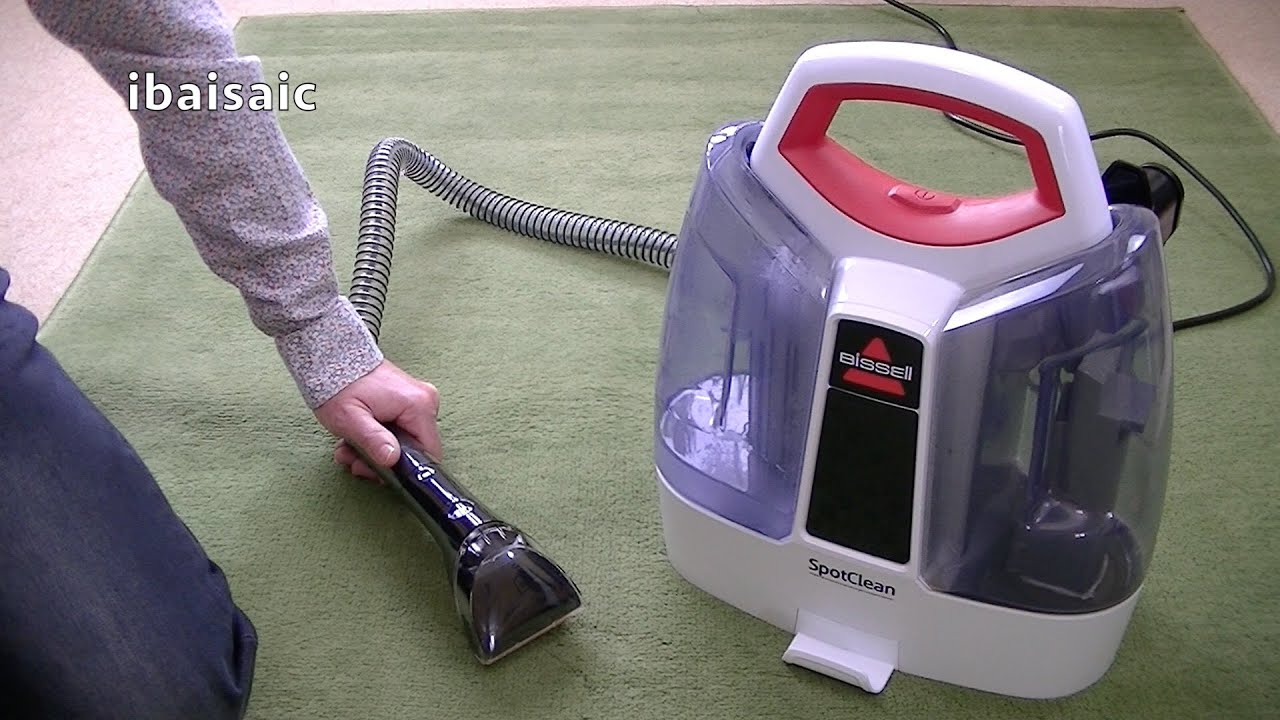
A Bissell spot cleaner is a small extractor. It sprays cleaning solution, loosens soil with a brush, and suctions the dirty water back into a tank. It does not steam; it uses warm tap water and targeted suction.
Use it on soft surfaces. Think carpet spots, area rugs, stairs, car fabric, pet beds, and upholstery. Avoid silk, sisal, jute, velvet, or any fabric that says dry clean only. If you are learning how to use a bissell spot cleaner, this base set of rules keeps you safe.
Key parts you will use:
- Clean water/solution tank holds water and formula for spraying.
- Dirty water tank collects the used solution and soil.
- Hose and tool do the work at the stain.
- Power button and spray trigger control spray and suction.
- Optional heat feature helps keep water warm, but it does not boil water.

Prep Checklist Before You Start
Prep helps you clean faster and avoid damage. Before you learn how to use a bissell spot cleaner, set up right.
- Read your care tags. Look for codes like W, WS, or S. W or WS is usually safe with water.
- Vacuum or dry-scrape loose grit. Sand and crumbs can make scratches if you scrub first.
- Test in a hidden spot. Spray, wait 5 minutes, and blot. Check for dye bleed or rings.
- Pick the right formula. Use pet enzyme for urine. Use oxygen boost for coffee or wine if the fabric allows it.
- Fill the clean tank. Use warm tap water, not hot. Add the right amount of formula per the tank lines.
- Choose the proper tool. A 3-inch brush for small spots, a narrow tool for tight seams, a deep-reach tool for pad-level stains.
- Protect the floor. Place a towel under the area to catch drips, especially on hardwood next to carpet.

Step-by-Step: How to Use a Bissell Spot Cleaner
Use these steps when you want to know how to use a bissell spot cleaner. I follow this flow on calls and it saves time and water.
-
Power and prep
- Plug in the machine. Place it close to the spot so the hose lies flat.
- Fill the clean tank with warm water and formula. Seat the tank tight.
-
Pre-treat the stain
- Lightly mist the stain with solution. Do not soak.
- Let it dwell 3 to 5 minutes. This helps break bonds in the soil.
-
Agitate gently
- Hold the tool flat. Pull the trigger and make one slow pass to wet the fibers.
- Use short, gentle scrubs. Small circles work. Do not press hard.
-
Extract
- Release the trigger. Make two to three dry passes to pull out the liquid.
- Move at a slow pace so the nozzle can lift more water.
-
Rinse
- Switch to plain warm water if needed. Spray once to rinse, then do extra dry passes.
- Keep going until no more suds pull up.
-
Blot and speed-dry
- Lay a clean white towel over the area. Step on it to wick out more moisture.
- Aim a fan at the spot. Faster dry time means less chance of a ring or odor.
-
Check and repeat if needed
- If the stain hints remain, repeat with shorter spray time and extra suction.
- Stop if color transfer shows on the towel. That means the dye is unstable.
Safety notes I follow:
- Less is more. Over-wetting can push stains deeper or cause browning.
- Never use boiling water. Hot water can set protein stains and damage glue in carpet backing.
- Keep electrical parts dry. Do not tip the machine so tanks leak into the motor.
Techniques for Common Stains
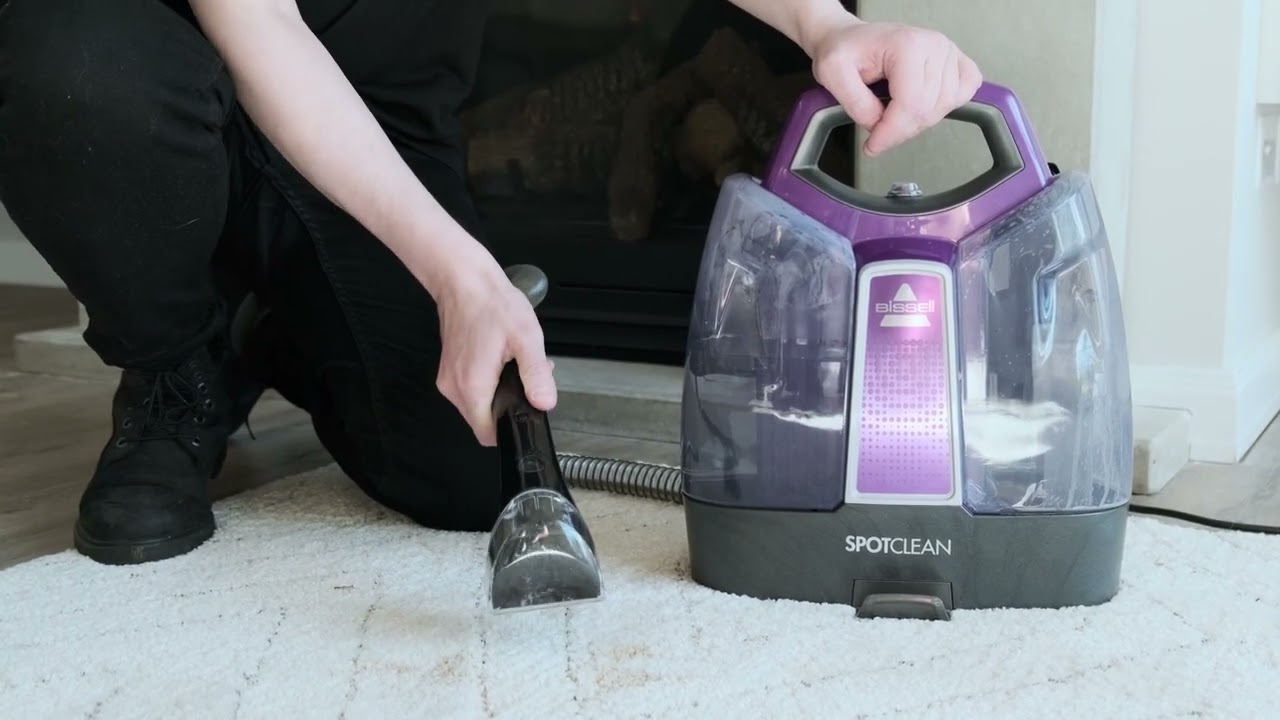
These moves fit into how to use a bissell spot cleaner on real mess. Match the method to the mess for better results.
Pet urine or vomit
- Blot first with paper towels. Remove as much as you can before spraying.
- Spray enzyme cleaner. Let it dwell 10 to 15 minutes to break odor molecules.
- Agitate lightly. Extract with two to four dry passes. Rinse with water and extract again.
- For padding-level spots, use a deep-reach tool to pull from below the fibers.
Coffee, tea, or wine
- Blot, then spray oxygen-safe formula. Avoid heat early, which can set tannins.
- Short dwell time. Scrub gently and extract. Rinse well to avoid a halo ring.
Mud and dirt
- Let mud dry if it is heavy. Flake off, then vacuum.
- Light spray, brush strokes with the nap, and thorough extraction.
Grease or cooking oil
- Use a degreasing spotter that is safe for your fabric.
- Minimal spray, more dry passes. Repeat small cycles rather than one heavy pass.
Ink or makeup
- Test first. Many inks are hard to remove.
- Use a solvent-safe spotter per label if allowed, then follow with water rinse and extraction.
Care, Cleaning, and Storage
Good care is part of how to use a bissell spot cleaner and keep it fresh. A clean machine gives better suction and no musty smell.
After each use:
- Empty the dirty tank. Rinse with warm water. Add a drop of dish soap, shake, and rinse again.
- Flush the hose. Fill the clean tank with plain warm water. Spray into a sink for 10 to 15 seconds, then do dry passes to clear the line.
- Clean the tool face. Hair and lint block flow. Rinse and pick out debris.
- Air-dry tanks and hose. Prop the hose so it drains. Leave tanks open until dry.
Weekly or after heavy jobs:
- Descale if you have hard water. Run a mild vinegar-water mix, then rinse with plain water.
- Check gaskets and seals. Reseat if the dirty tank lid leaks, as this kills suction.
- Wipe the base. Keep vents free of dust.
Storage:
- Store upright with dry tanks. Coil the cord and hose loosely so they do not kink.
- Keep out of hot attics or freezing garages, which can warp plastic and crack seals.
My pro tip: I keep a spare clean tank filled to the line. Fast swaps keep me moving from room to room.

Troubleshooting and Limitations
When you practice how to use a bissell spot cleaner, small issues can pop up. Here is how I fix the common ones.
If suction feels weak:
- Check that the dirty tank lid is snapped tight. A loose lid kills airflow.
- Clear clogs in the tool and hose. Rinse and inspect by sight.
- Make sure the float shutoff in the dirty tank is not stuck. Clean and reseat.
If too much foam:
- Use less formula. Many people overdose. Follow the tank lines.
- Rinse with plain water and do more dry passes.
If spots reappear:
- That means wicking. Moisture pulled soil up from the pad.
- Re-clean with less water, more dry passes, then towel-weight the area with a fan.
Know the limits:
- It is not a steam cleaner. It does not sanitize by heat alone.
- Some stains are permanent. Dye loss, bleach spots, and old set stains will not come back with cleaning.
- Delicate fabrics and natural fibers may need a pro. When in doubt, test or call for help.
Pro Tips From the Field
Once you grasp how to use a bissell spot cleaner, use these extras to speed up your work and protect your textiles.
- Work from the outside edge into the center. This stops spread.
- Count your passes. One wet, two to four dry is a good rule.
- Use a white towel. Color towels can bleed dye into damp fibers.
- Set a timer for dwell. Three to five minutes is enough for most spots.
- Vent the room. Airflow cuts dry time and odors.
- Label tanks. Mark water-only vs. formula mix to avoid mistakes.
- Keep a small brush and plastic scraper. Lift gum or wax before you clean.
- Photograph before and after. It helps track results and fiber changes.
Frequently Asked Questions of how to use a bissell spot cleaner
How often should I clean with a spot cleaner?
Use it as needed when spills happen. For high-traffic homes, a weekly quick pass on trouble areas keeps buildup low.
Can I use tap water or do I need distilled?
Warm tap water is fine in most areas. If you have hard water, distilled helps reduce mineral scale over time.
What formula should I buy for pets?
Choose an enzyme-based pet formula for urine and vomit. Let it dwell per the label so it can break down odor at the source.
How long will it take the area to dry?
Most spots dry in 2 to 6 hours with fans. Heavy piles and cool rooms take longer, so use more dry passes and airflow.
Can I use it on a mattress?
Yes, for small spots with light moisture. Use minimal spray, more suction, and strong airflow to dry fast.
Do I need to rinse after using solution?
A quick rinse helps prevent sticky residue and re-soiling. Spray plain water and do extra dry passes.
Why does my cleaner smell musty?
The dirty tank or hose may be holding moisture. Rinse, sanitize with mild vinegar, and air-dry parts fully.
What is the best way to learn fast?
Start with water-only runs to get your pass speed and suction right. You learn how to use a bissell spot cleaner faster if you start simple and go slow.
Conclusion
You now have a clear, proven way to tackle stains with confidence. You learned how to use a bissell spot cleaner, how to prep, how to rinse, and how to dry fast. You also know care steps that keep your machine in top shape.
Put this guide to work on one small spot today. Keep your passes slow, your spray light, and your dry passes steady. Share your results, ask a question, or subscribe for more pro cleaning tips.