How To Use A Bissell CrossWave: Quick Start Guide 2026
Fill tank, select floor, hold trigger, move slow, dry pass, clean parts.
If you want to learn how to use a bissell crosswave the right way, you are in the right place. I have cleaned hundreds of floors with this tool. I will show you simple steps that work. You will see clear tips, real fixes, and pro habits that save time.
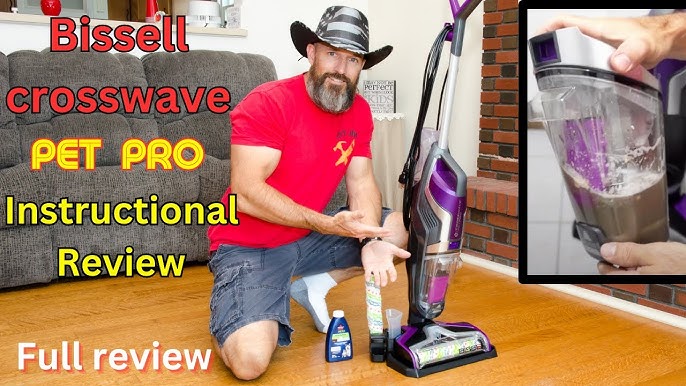
What the Bissell CrossWave Is and How It Works
The CrossWave is a wet-dry floor cleaner. It vacuums and washes at the same time. A two-tank system keeps clean water apart from dirty water. The brush roll scrubs while suction pulls soil and liquid into the dirty tank.
Most models have a hard floor mode and an area rug mode. You press a trigger to spray solution. Release the trigger to do a dry pass and lift more water. This is the core of how to use a bissell crosswave.
Use it on sealed floors like tile, vinyl, laminate, and sealed hardwood. You can also refresh area rugs with brief, light passes. Do not use it on unsealed wood or natural stone that is not sealed.
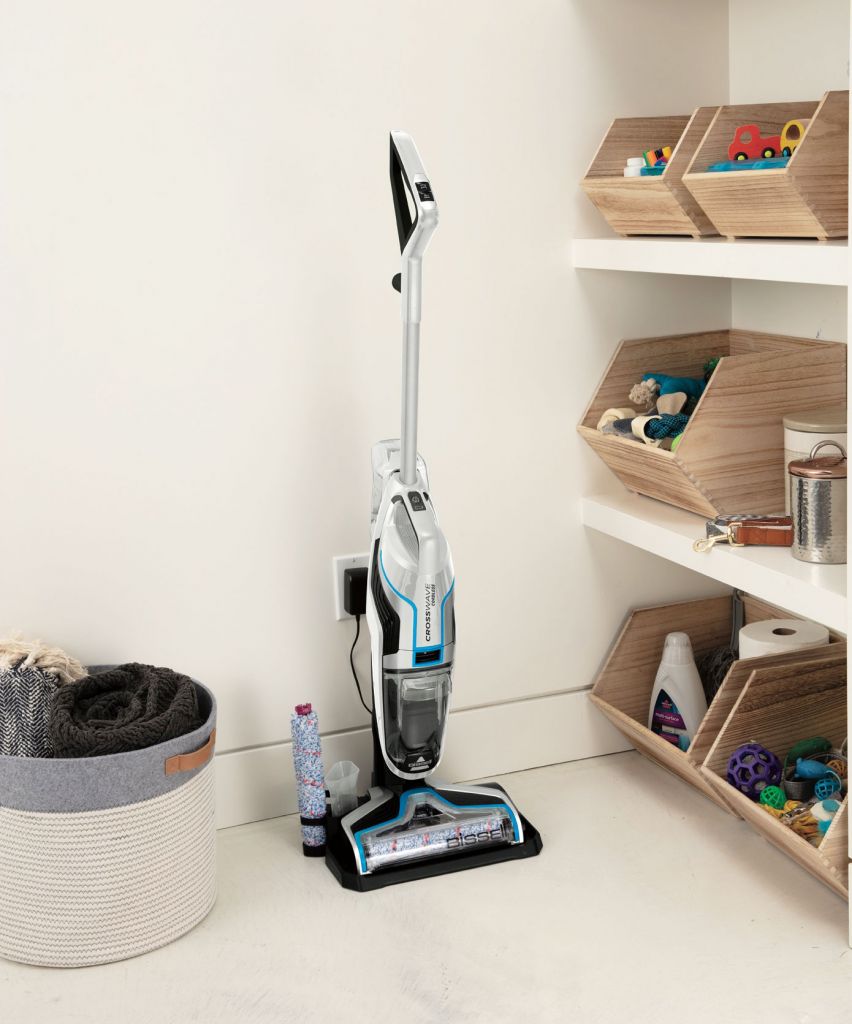
Quick Start: How to Use a Bissell CrossWave Step-by-Step
Follow this fast setup to master how to use a bissell crosswave from day one.
- Fill the clean tank. Use warm water up to the line. Add the right amount of Bissell formula to its marked line.
- Attach the brush roll and cover. Set the unit on its tray.
- Plug in or make sure the battery is charged, based on your model.
- Pick the mode. Choose hard floor or area rug.
- Prime the spray. Hold the trigger for 10 to 15 seconds over the tray.
- Start in a corner. Hold the trigger and make slow forward and back passes.
- Overlap each path by one or two inches. This avoids missed strips.
- For extra drying, release the trigger. Make one or two dry passes.
- Watch the dirty tank. Empty it when it hits the full line. Rinse it before you lock it back.
- For stuck spots, let solution sit for 10 seconds. Then scrub with short, slow pulls.
- Finish on the tray. Run the self-clean cycle if your model has it.
- Remove the brush roll. Rinse the brush, cover, and dirty tank. Let all parts air dry.
If you need to explain how to use a bissell crosswave to a family member, say this: spray on the forward pass, dry on the return. That simple habit boosts cleaning and cuts streaks.

Setting Up for Different Floors and Messes
Knowing how to use a bissell crosswave on each surface helps you get pro results.
Hard floors
- Use hard floor mode. Keep passes slow and even.
- Release the trigger for the last pass in each row to reduce moisture.
- On sealed hardwood, use minimal spray and more dry passes.
Laminate and vinyl
- Use light spray. Too much water can seep into seams.
- Work in small zones and dry each zone before you move on.
Tile and grout
- A slower pass helps the brush reach low grout lines.
- For sticky mess, let solution sit for a few seconds. Then go over it twice.
Area rugs
- Pick area rug mode. Make short, fast passes to avoid over-wetting.
- Do extra dry passes. Lift the rug corner to check dampness before you continue.
Pet messes and hair
- Pick up large solids first with a paper towel.
- Use the brush with steady forward passes. Rinse the brush after you finish to avoid odor.
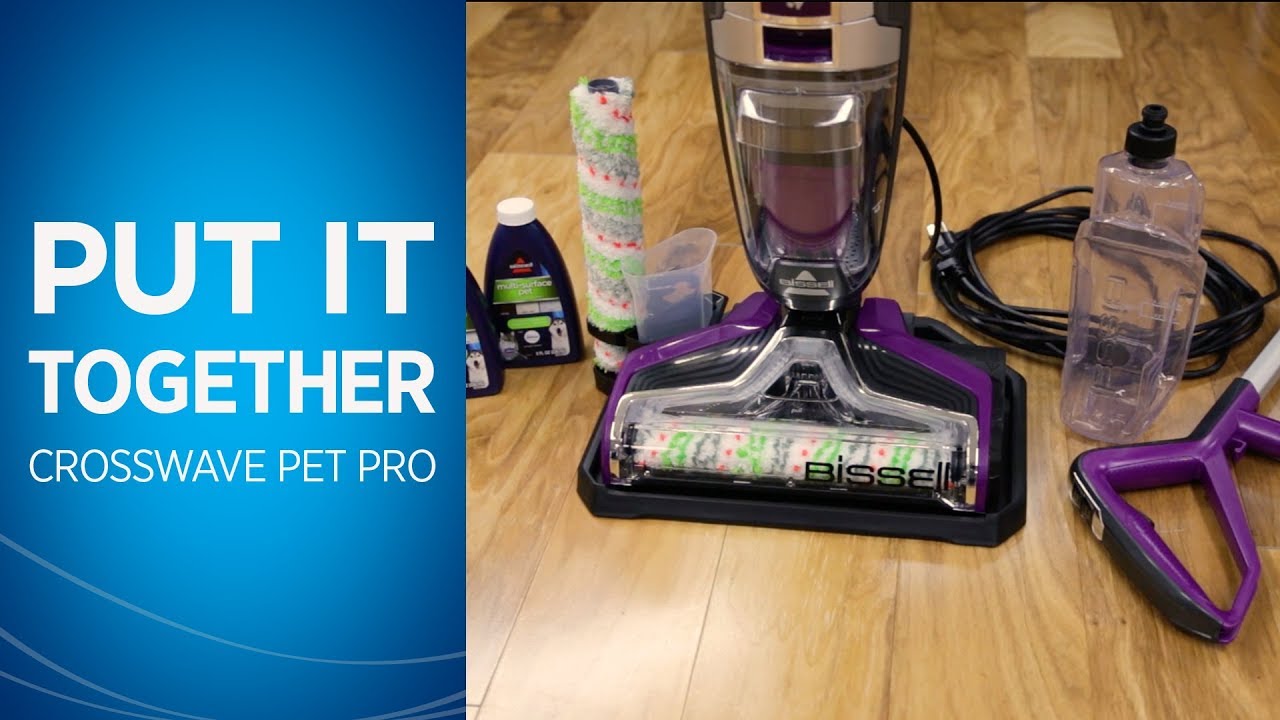
Cleaning Solutions, Water Ratios, and Tank Care
Good solution choice is a big part of how to use a bissell crosswave well.
- Use the fill lines on the tank. Follow the formula line for small or large areas.
- Bissell multi-surface formulas are low-foam and safe for seals.
- Do not use bleach, vinegar, or hot water that is above warm. These can harm pumps and gaskets.
- You can rinse with plain water after cleaning. That reduces film and streaks.
- Hard water can leave scale. Use distilled water if you see white spots in the tank.
- Empty and rinse the dirty tank after each job. Leave the lid off to air dry.

Technique Tips from Real-World Use
Here is what years of use taught me about how to use a bissell crosswave like a pro.
- Move slow. A slow pass gives the brush time to scrub. It also gives suction time to lift water.
- Use the “spray forward, dry back” rhythm. This cuts streaks on glossy tile and sealed wood.
- Edge clean with intent. Nudge the head along baseboards. Tilt slightly so the side of the brush touches the edge.
- Pre-treat sticky zones. One extra wet pass, wait ten seconds, then a dry pass.
- Swap brushes by task. Keep a spare brush for rugs and one for kitchen grease.
- Never store with a wet brush roll. I learned this the hard way. It can smell and warp.
- Do not leave formula in the tank. It can thicken and clog the spray path.

Troubleshooting and Common Mistakes
If you know how to use a bissell crosswave, you can also fix simple issues fast.
No spray
- Re-seat the clean tank. Prime the trigger for 10 to 15 seconds.
- Check for kinks and clean the spray nozzle and filter screen.
Weak suction or water left on floor
- Empty the dirty tank. Make sure its float moves freely.
- Clean the filter and check the brush cover seal.
Streaks
- Use fewer wet passes and more dry passes.
- Rinse the brush. Dirty brushes cause haze.
Odor
- Rinse the dirty tank and brush after each job.
- Let parts air dry. Replace the brush every 3 to 6 months, based on use.
Leaks
- Confirm both tanks click in place.
- Check gaskets for damage. Replace worn seals if needed.
Brush not spinning
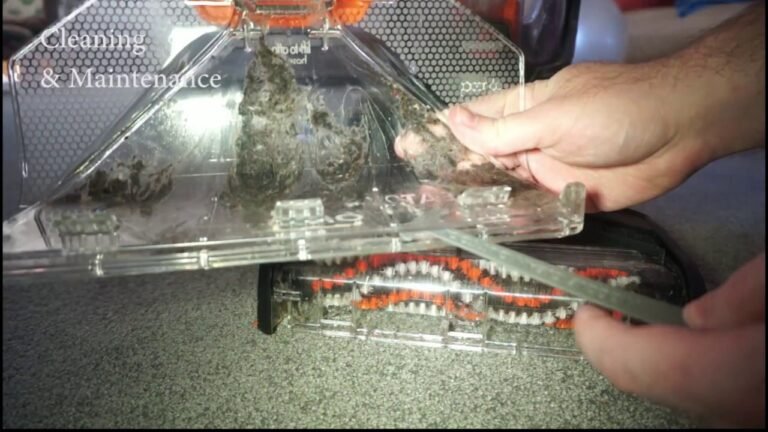
- Remove hair wraps from the roll and end caps.
- Make sure the brush cover is locked. Many models will not spin without it.
Common mistakes to avoid
- Using on unsealed wood or delicate stone.
- Skipping the dry pass.
- Overloading the rug with solution.
- Leaving parts wet in a closed cabinet.
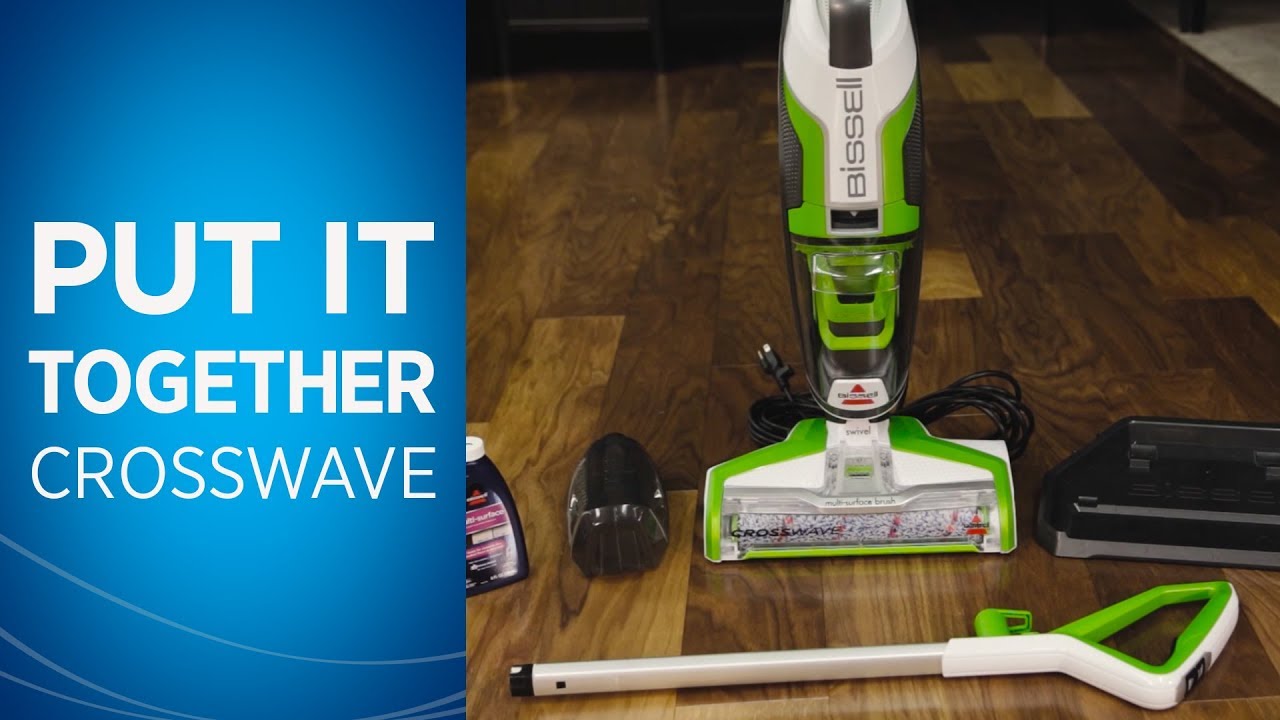
Maintenance: Keep It Performing Like New
A little care goes a long way when you learn how to use a bissell crosswave for years.
After every use
- Run the self-clean cycle, if present.
- Rinse brush, dirty tank, and cover.
- Wipe the squeegee and head. Let parts air dry.
Weekly or every 5 uses
- Wash the filter with mild soap. Rinse well and let it dry fully.
- Check the brush roll for wear or hair wrap.
Every 3 to 6 months
- Replace the brush roll and filter, based on floor type and pets.
- For cordless models, keep the battery between 20% and 80% when stored long term.
Storage
- Store on the tray. Keep the brush out to dry.
- Do not leave solution in the tank. Use fresh mix next time.
Safety, Limitations, and When Not to Use It
Safe use is part of how to use a bissell crosswave with confidence.
- Unplug before you remove clogs, tanks, or brush rolls.
- Keep away from children and pets during use. Wet floors can be slick.
- Do not pick up flammable liquids, ashes, or solvents.
- Avoid deep carpet. Use only brief passes on area rugs.
- Test in a hidden spot on wood and rugs. Check for color fastness.
- Skip unsealed floors, waxed wood, and oiled finishes.
Frequently Asked Questions of how to use a bissell crosswave
How often should I deep clean the brush and filter?
Rinse them after each use and air dry. Do a soap wash weekly or every five uses to prevent odor and buildup.
Can I use other cleaners in the tank?
Use low-foam formulas made for wet vacs. Harsh cleaners like bleach or vinegar can damage seals and void warranties.
How do I stop streaks on glossy tile?
Use fewer wet passes and add one or two dry passes. Rinse the brush roll and cover if haze appears.
What is the best way to learn how to use a bissell crosswave on rugs?
Use rug mode with short, quick passes. Follow with dry passes and check the rug for dampness.
Why is my CrossWave not spraying?
The clean tank may not be seated or primed. Lock it in, hold the trigger for 10 to 15 seconds, and try again.
Is it safe for sealed hardwood floors?
Yes, with light spray and extra dry passes. Always test a small area first and avoid standing water.
Conclusion
You now know how to use a bissell crosswave from setup to care. Fill the tank right, move slow, and finish with dry passes. Clean the parts each time. These small habits deliver clean floors and a longer-lasting machine.
Try one room with these tips today. Then refine your rhythm on the next room. Share your results, ask a question, or subscribe for more practical home care guides.