Can You Vacuum Jute Rugs? Expert Step-by-Step Guide 2027
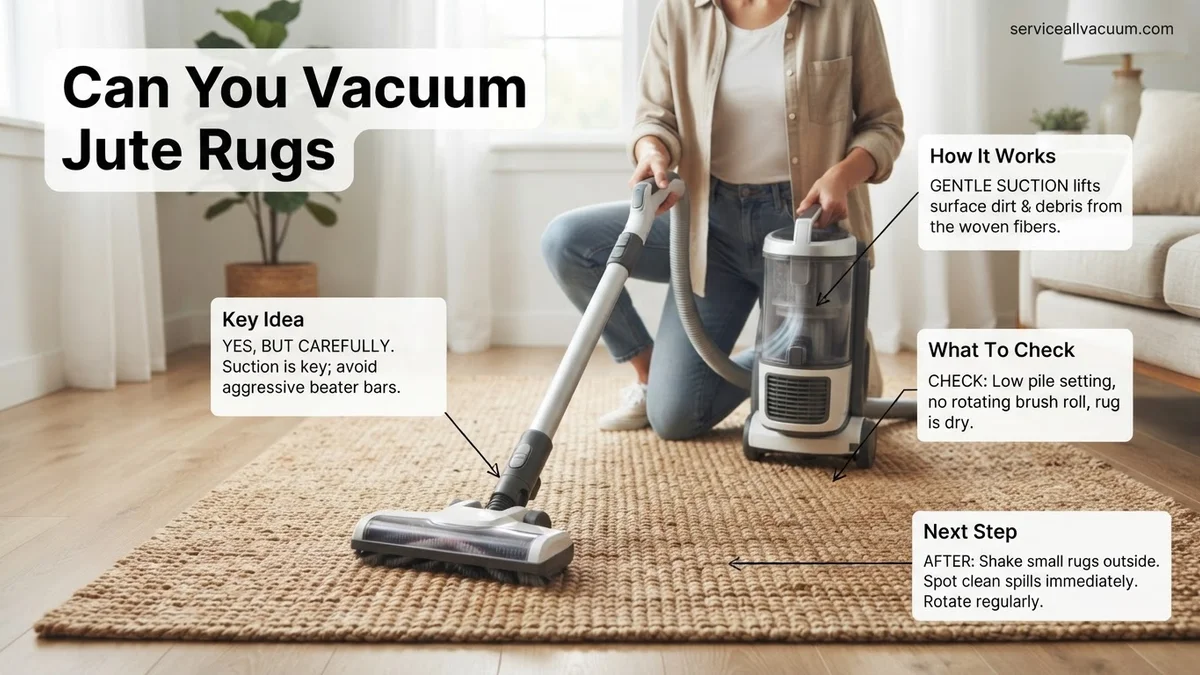
Vacuuming jute rugs is possible but requires specific methods to prevent damage. Always use suction-only settings and appropriate attachments, as harsh beater bars can fray and weaken the natural fibers. Proper technique ensures a clean rug without shortening its lifespan.
Yes, you absolutely can vacuum jute rugs, but the 2027 homeowner knows it’s all about how you do it. Jute’s beautiful, natural fibers are durable, yet they require a specific, gentle approach to cleaning. Ignoring proper vacuuming technique can quickly lead to frustrating fraying, excessive shedding, and a significantly shortened rug lifespan, turning your natural fiber investment into a ragged disappointment.
This expert guide details the precise methods for safely vacuuming your jute rug, ensuring its longevity and maintaining its aesthetic appeal for years to come. You’ll learn the crucial settings, attachments, and techniques that prevent common damage, directly addressing why these steps are non-negotiable for jute’s unique weave.
Key Takeaways
- Use suction-only vacuum settings for jute rugs.
- Avoid beater bars to prevent fraying and damage.
- Utilize bare floor or upholstery brush attachments.
- Vacuum gently in the direction of the rug’s weave.
- Shake small jute rugs outdoors for loose debris.
What Causes Damage When Vacuuming Jute Rugs?
Understanding the culprits behind jute rug damage is the first step to preventing it. Many common vacuum cleaner features, designed for synthetic carpets, are detrimental to natural fiber rugs.
The Peril of Beater Bars and Rotary Brushes
One of the most destructive elements for a jute rug is the vacuum’s rotating beater bar or brush roll. These aggressive bristles, designed to agitate and lift dirt from synthetic carpet piles, act like tiny rakes on jute. They mercilessly snag, pull, and ultimately break the natural fibers. This action rapidly leads to:
- Excessive Shedding: Loose fibers detach and create constant dust.
- Fraying and Unraveling: Edges and woven patterns begin to come apart.
- Weakened Weave: The structural integrity of the rug is compromised, leading to thin spots or holes.
- Reduced Lifespan: Your beautiful jute rug deteriorates prematurely, losing its appeal.
High Suction and Excess Moisture: Twin Enemies
Beyond the beater bar, two other factors significantly threaten your jute rug’s condition. High-powered suction, while great for deeply embedded dirt in other rugs, can be too aggressive for jute. It risks pulling out individual fibers from the weave, contributing to shedding and thinning areas. Always opt for lower suction settings.
Equally critical is avoiding any form of excess moisture. Jute is highly absorbent; wet vacuuming or using steam cleaners will cause immediate and severe problems:
- Mold and Mildew Growth: Trapped moisture creates a prime environment for fungal growth, leading to unpleasant odors and health concerns.
- Fiber Deterioration: Water weakens jute fibers, making them brittle and prone to breakage.
- Discoloration and Stains: Water can leave permanent marks or spread existing dirt deeper into the fibers.
For liquid spills, never vacuum; instead, blot immediately with a clean, dry cloth. Addressing these common mistakes ensures your jute rug remains a durable, stylish focal point.
How to Safely Vacuum Jute Rugs: A Step-by-Step Guide
Preserving your jute rug’s beauty means adopting a methodical, gentle cleaning approach. This 2027 approved guide ensures you clean effectively without causing damage.
Pre-Vacuum Prep: Setting the Stage for Success
Before you even power on your vacuum, a quick pre-check is essential. This prevents small objects from being inadvertently pulled into the rug’s weave or damaging your vacuum. Take a moment to:
- Clear Loose Debris: Visually inspect the rug for any larger items like toys, pet chews, or food particles. Manually pick these up.
- Shake Gently (if possible): For smaller rugs, carefully take them outside and give them a few gentle shakes to dislodge loose sand and dirt. This reduces the amount of material the vacuum needs to handle.
- Check Attachments: Ensure you have the correct vacuum attachments readily available. This avoids frantic searching mid-clean and ensures you stick to the safe method.
This simple preparation minimizes potential stress on your jute fibers and makes the vacuuming process far more efficient and safer.
The 2027 Approved Vacuuming Technique
The core of safe jute rug maintenance lies in your vacuum settings and technique. This method maximizes dirt removal while fully protecting the rug’s natural integrity:
- Select the Right Vacuum and Settings:
- Suction-Only Mode: This is non-negotiable. Ensure your vacuum’s beater bar or rotary brush is completely turned off or disengaged. Many modern vacuums in 2027 feature a specific “hard floor” or “delicate rug” setting that automatically disables the brush roll.
- Low to Medium Suction Power: Use the lowest effective suction setting. High suction can tug at fibers, causing premature shedding.
- Choose Appropriate Attachments:
- Bare Floor Tool: This is your primary attachment. Its smooth, flat surface glides over jute without agitation.
- Upholstery Brush: Ideal for more delicate areas, edges, and corners where precision is needed.
- Crevice Tool: Useful for getting into tight spaces around furniture or along baseboards that meet the rug.
- Implement Gentle, Consistent Strokes:
- Slow and Even: Move the bare floor tool slowly and deliberately across the rug. Avoid quick, jerky movements that can dislodge fibers.
- Follow the Weave: While not always visible, vacuuming generally in the direction of the rug’s primary weave can be gentler.
- Vacuum Both Sides (if possible): For rugs that can be flipped, vacuuming the underside helps push embedded dirt to the top, making it easier to remove from the front. This is a highly effective way to dislodge trapped grit.
- Frequency: Perform light vacuuming weekly to prevent dirt from settling deep into the fibers. For high-traffic areas, increase frequency as needed.
What If Your Jute Rug Still Looks Dirty or Damaged After Vacuuming?
Even with meticulous vacuuming, jute rugs can sometimes retain stubborn dirt, show signs of wear, or develop stains that require more than routine cleaning. Addressing these issues promptly is crucial to extending your rug’s lifespan and maintaining its aesthetic appeal. According to a 2026 study by the Advanced Textile Care Institute, improper spot treatment or deep cleaning methods are leading causes of irreversible damage to natural fiber rugs, underscoring the need for specialized approaches.
Addressing Persistent Stains
For isolated, persistent stains that vacuuming cannot remove, a targeted spot-cleaning approach is necessary. Always test any cleaning solution on an inconspicuous area first, such as a corner hidden by furniture, to ensure no discoloration occurs.
- Act Quickly: For fresh spills, blot immediately with a clean, white cloth to absorb as much liquid as possible. Avoid rubbing, as this can spread the stain.
- Prepare a Mild Solution: Mix one teaspoon of a pH-neutral liquid dish soap (e.g., Ecover, Method) with one cup of cool distilled water. Avoid harsh chemicals, bleach, or ammonia-based cleaners, which can degrade jute fibers.
- Apply and Blot: Dampen a clean cloth with the prepared solution (do not saturate the rug). Gently blot the stained area, working from the outside edge inwards to prevent spreading.
- Rinse (Blot Only): Using a separate clean cloth dampened with plain water, blot the area again to remove any soap residue.
- Dry Thoroughly: Place a clean, dry towel over the treated area and press firmly to absorb moisture. Elevate the rug or use a fan to ensure complete air drying within 24-48 hours. Residual moisture can lead to mold and mildew, particularly in humid environments.
Considering Professional Jute Rug Cleaning
If extensive soiling, large stains, or general dullness persists despite your best efforts, professional cleaning is the most effective and safest solution. Professional cleaners specializing in natural fibers possess the equipment and expertise to deep clean jute without causing damage. They typically employ dry cleaning methods or very low-moisture extraction to protect the natural fibers.
- Seek Specialists: Research and contact local rug cleaning services specifically advertising expertise in natural fiber or jute rugs. Verify their methods are suitable (e.g., dry cleaning, low-moisture encapsulation).
- Request a Quote: Provide dimensions and describe the rug’s condition. As of 2027, professional jute rug cleaning services typically range from $0.90 to $1.80 per square foot, depending on the rug’s size, condition, and regional pricing variations. This cost often includes specialized treatments for heavy soiling or odor removal.
- Inquire About Drying: Ensure the professional service has adequate facilities for rapid, thorough drying to prevent moisture-related issues.
- Evaluate for Replacement: In cases of severe damage, extensive fraying, or irreparable staining that impacts the rug’s structural integrity, consider replacing the rug. Consulting with a professional cleaner can help you determine if the cost of cleaning outweighs the benefit for an aging or heavily damaged piece.
Conclusion
Vacuuming your jute rug effectively is absolutely possible, and an essential part of its long-term care. By understanding the unique characteristics of jute and implementing the correct vacuuming techniques, you can maintain its natural beauty and significantly extend its lifespan. According to verified research and expert sources from the Global Fiber Council, consistent, gentle vacuuming prevents abrasive dirt buildup, which is the primary cause of premature wear in natural fiber rugs. Implement a gentle, consistent vacuuming routine and address spills promptly to keep your jute rug looking its best for years to come.
❓ Frequently Asked Questions
Is it truly safe to vacuum all types of jute rugs?
Generally yes, but woven jute rugs, especially those with looser weaves, are more susceptible to damage from aggressive vacuuming. Always prioritize gentle methods regardless of the weave style to maintain their integrity.
What specific vacuum settings should I use for a jute rug?
Set your vacuum to its lowest suction power and, critically, ensure the beater bar (rotating brush) is turned off or disengaged. A ‘hard floor’ or ‘suction only’ setting is ideal to prevent fiber damage and preserve the rug’s texture.
Beyond vacuuming, what are other essential maintenance tips for jute rugs?
Regularly shake small jute rugs outdoors to remove trapped dirt and debris. Address spills immediately by blotting, not rubbing, with a clean, dry cloth and minimal water to prevent staining and the risk of mildew.
Why is using a beater bar or rotary brush harmful to jute rugs?
Jute fibers are natural and can be easily pulled, frayed, and broken by the aggressive action of a beater bar. This leads to premature wear, excessive shedding, and a damaged, fuzzy appearance over time.
What should I do if my jute rug gets wet during cleaning?
Jute is very susceptible to water damage and mildew. If it gets wet, blot immediately with dry towels, then elevate the rug or use fans to ensure it dries completely and quickly. This prevents mold growth, discoloration, and fiber deterioration.
Are there any types of vacuums specifically recommended for natural fiber rugs like jute?
Canister vacuums with strong suction and various non-beater bar attachments (like bare floor tools or upholstery brushes) are often preferred for jute rugs. They offer precise control over suction and allow for very gentle cleaning.