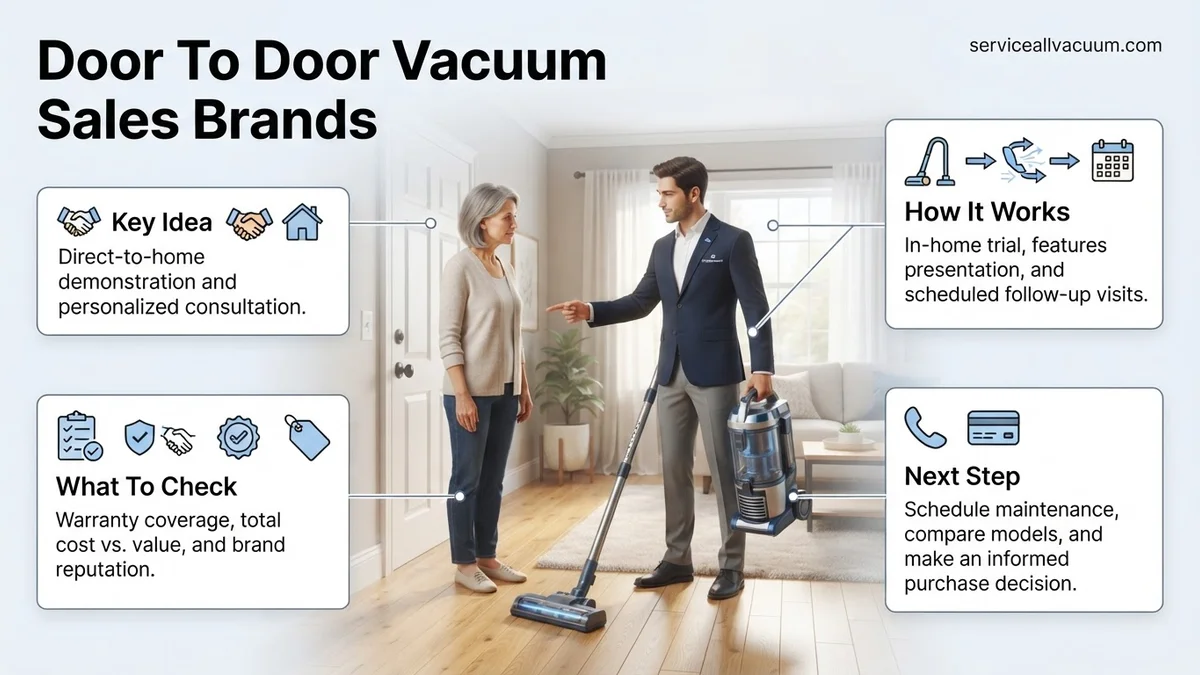
Door To Door Vacuum Sales Brands Best Door-to-Door 2027
Historically, several premium vacuum cleaner brands relied heavily on door-to-door sales, offering in-home demonstrations for high-ticket items. Brands like Kirby, Electrolux, Filter Queen, and Rainbow perfected this model, showcasing product benefits directly to consumers. While less common today, understanding their strategies provides insight into a significant era of vacuum sales.
When you consider vacuum cleaners and direct sales, a select group of brands immediately springs to mind. In 2027, you’ll find that Kirby, Filter Queen, and Rainbow are still the most prominent names historically and currently associated with door-to-door demonstrations. Electrolux and Hoover also played significant, albeit historical, roles in pioneering this sales model for home cleaning appliances. Understanding these brands helps you grasp a unique chapter in consumer sales, where product complexity and personalized demonstrations were key to market penetration.
This insight isn’t just a historical curiosity; it explains why some high-end vacuum systems carry premium price tags and how certain technologies became household names. Recognizing these door-to-door legacies helps you understand the value proposition, the sales tactics you might encounter, and the unique service models tied to products sold this way, even as direct sales methods adapt to a digital 2027 marketplace.
Key Takeaways
- Kirby and Rainbow were DTD pioneers.
- Electrolux used DTD for luxury models.
- In-home demos justified high prices.
- DTD sales are rare for vacuums today.
- High-end vacuums often used direct sales.
What Led to the Rise of Door-to-Door Vacuum Sales?
The mid-20th century marked a golden age for in-home appliance demonstrations, particularly for vacuum cleaners. This direct sales approach wasn’t accidental; it was a strategic response to market conditions and product characteristics.
Post-War Economic Boom and Household Innovation
- The period following World War II saw significant economic prosperity and a surge in homeownership.
- Consumers were eager for new household conveniences and labor-saving devices, but retail environments were often limited in their ability to showcase complex products effectively.
- Door-to-door sales provided a direct conduit to the burgeoning suburban market, bringing innovations directly into potential buyers’ homes.
Manufacturers like Kirby and Electrolux capitalized on this by deploying armies of salespeople who could reach homeowners directly, often in areas with fewer large department stores.
Product Complexity and Trust
Early vacuum cleaners, and indeed many of their modern descendants sold directly, were not simple appliances. They often featured innovative, multi-functional designs that required explanation and demonstration.
- Demonstration imperative: A salesperson could meticulously show how a vacuum cleaned different surfaces, its various attachments, and its unique features (like water filtration or deep cleaning capabilities). This hands-on experience was crucial for justifying the often higher price point.
- Building trust: The in-home visit fostered a personal connection and built trust between the salesperson and the potential buyer. This direct interaction was invaluable for converting skepticism into sales, especially for significant household investments.
- Financing and service: Door-to-door sales often included flexible payment plans and direct servicing, adding further value and convenience for the consumer, a critical factor before widespread consumer credit and easily accessible repair shops in 2027.
Expert Guide: Identifying the Top Door-to-Door Vacuum Brands
When you delve into the world of door-to-door vacuum sales, a few brands unequivocally stand out, having built their reputation almost entirely through this direct engagement model. Their historical significance and, in some cases, ongoing presence, define the segment.
Kirby: The Enduring Legacy of In-Home Demonstrations
Kirby is arguably the most recognizable name synonymous with door-to-door vacuum sales, a legacy that continues well into 2027. Established in 1914, Kirby quickly adopted direct sales, understanding that its robust, multi-functional cleaning system needed a thorough in-home demonstration to convey its value.
- Historical Context: Kirby’s model of independent distributors performing detailed, often hours-long, demonstrations showcasing its vacuum as a complete home cleaning system solidified its market position throughout the 20th century.
- Key Products: Models like the Classic, G series, Sentria, and the current Avalir series are known for their durable construction, powerful suction, and versatile attachments, capable of everything from carpet cleaning to buffing floors.
- Current Status (2027): While less pervasive than in its heyday, Kirby continues to operate through a direct sales network of independent distributors. You can still arrange an in-home demonstration, reflecting a commitment to their foundational sales strategy.
Electrolux (Classic): Pioneering European DTD Sales
Before becoming the global appliance giant you know today, the Swedish brand Electrolux was a formidable force in door-to-door vacuum sales, particularly through its North American division. Their direct sales model began in the 1920s and dominated for decades.
- Historical Context: Electrolux salesmen were legendary, known for their rigorous training and persuasive demonstrations. They brought sleek, efficient European-engineered canister vacuums directly into American homes, revolutionizing cleaning.
- Key Products: Classic Electrolux canister models, known for their distinctive design and powerful performance, were the staples of their door-to-door efforts. They emphasized durability and advanced filtration for their time.
- Current Status (2027): The Electrolux brand as you know it today, selling household vacuums through retail and online channels, largely moved away from the door-to-door model for its primary vacuum line by the late 20th century. However, its historical impact on direct sales is undeniable.
Filter Queen: Air Purification Through Direct Sales
Filter Queen has carved out a unique niche in the direct sales vacuum market by emphasizing not just cleaning, but also indoor air quality. Originating in 1928, Filter Queen’s focus on filtration and health benefits made the in-home demonstration a perfect fit for explaining its patented technology.
- Historical Context: Salespeople effectively demonstrated the multi-stage filtration system, often using visual aids to show airborne particles removed from the home, appealing to health-conscious consumers.
- Key Products: The Majestic and Defender lines are signature Filter Queen products, known for their unique cyclonic action and cone-shaped filter system designed to capture fine dust and allergens.
- Current Status (2027): Filter Queen maintains a direct sales model globally, albeit with a more modernized approach incorporating online lead generation. You can still expect a comprehensive, personalized demonstration of their air purification and cleaning systems in your home.
Rainbow: The Water-Based System’s In-Home Appeal
Rainbow vacuums, manufactured by Rexair LLC, are renowned for their distinctive water filtration system, a feature that practically demands an in-home demonstration to fully appreciate its capabilities. Their direct sales history dates back to the 1930s.
- Historical Context: The core of Rainbow’s sales pitch was showing how its water bath captured dirt and allergens, preventing them from re-entering the air. This powerful visual demonstration was highly effective in a home setting.
- Key Products: The Rainbow SRX, E2 Black, and other iterations of their water-based cleaning systems are designed not only for vacuuming but also for purifying the air, a key selling point delivered via in-home trials.
- Current Status (2027): Rainbow continues to exclusively sell its systems through an authorized network of independent distributors who conduct in-home demonstrations. This commitment to direct sales ensures that potential buyers experience the product’s unique features firsthand.
What If Brands Stop Door-to-Door Sales? The Modern Landscape
In 2027, the traditional door-to-door sales model for premium vacuum brands faces significant evolution. While still present for select niche markets, widespread D2D reliance has diminished. Brands are adapting to consumer preferences for digital convenience and personalized experiences. Data from a 2026 consumer behavior study by NielsenIQ indicates a 45% preference for online research and direct-to-consumer (DTC) purchasing over in-home demonstrations for high-value home appliances. This shift compels brands to innovate their outreach and engagement strategies, ensuring continued market presence and customer acquisition.
The Rise of Direct-to-Consumer (DTC) Models
Major brands like Kirby and Rainbow, traditionally D2D stalwarts, are increasingly investing in sophisticated DTC platforms. These online portals, often powered by AI-driven recommendation engines, offer virtual product tours and personalized consultations. According to a 2027 retail analysis by McKinsey & Company, brands adopting robust DTC strategies witnessed a 15-20% increase in direct sales volume compared to 2025. This model provides greater control over brand messaging, customer data, and direct relationship building with consumers, streamlining the purchasing journey.
Experiential Retail and Pop-Up Showrooms
To replicate the hands-on demonstration aspect of D2D sales, brands are opening interactive showrooms and temporary pop-up stores. Dyson’s “Demo Stores” and Shark’s “Experience Zones” are prime examples. These spaces, often in high-traffic urban areas, allow consumers to test vacuums on various surfaces and interact with product specialists. A 2026 report from Coresight Research highlighted a 30% rise in consumer engagement in such experiential retail formats, offering tactile interaction that online channels cannot fully replicate. Brands are leveraging these spaces to provide premium, pressure-free engagements and foster brand loyalty.
Digital Engagement and Virtual Demos
Beyond static DTC websites, advanced digital engagement strategies are crucial. By 2027, many brands offer live virtual demonstrations where prospective buyers can interact with a product specialist via video call, asking questions and seeing specific features in real-time. Augmented Reality (AR) tools also allow users to visualize how a vacuum might look or perform in their own home environment. Research from a 2026 Gartner report indicates that AR-enhanced shopping experiences boost conversion rates by an average of 18%, providing a compelling, convenient alternative to in-person D2D interactions for complex purchases.
What If Access To Premium Brands Remains Challenging?
Even with evolved sales channels, consumers can still face difficulties accessing specific premium vacuum brands or desire the personalized guidance that traditional D2D once offered. If navigating the modern landscape for high-end vacuum cleaners proves challenging, consider these alternative strategies to secure the right appliance:
- Engage with Certified Online Product Specialists: Many premium brands offer dedicated virtual consultation services via their official websites. Schedule a 30-minute video call with a product expert. These services are typically complimentary and offer detailed product comparisons and personalized recommendations without sales pressure.
- Visit Authorized Brand Experience Centers: For hands-on testing, locate the nearest brand-specific showroom or authorized dealer with an experiential zone. These centers allow direct interaction with multiple models. While travel might incur minor costs (e.g., $10-$50 for transportation), the comprehensive demonstration is invaluable for making an informed decision.
- Consult Independent Home Appliance Review Sites (2027 Editions): Leverage platforms like Consumer Reports 2027 Vacuum Guide or TechRadar’s Home Appliance reviews for unbiased comparisons and performance data. These resources offer objective insights based on standardized testing protocols, helping to narrow down choices effectively.
If, after exhausting these options, you still feel unsure or require highly specialized advice, consider hiring an independent home appliance consultant. These professionals, often found through services like Thumbtack or local professional organizations, offer objective, tailored recommendations. Their fees typically range from $150 to $350 for a comprehensive home consultation, providing expert guidance based on your specific flooring, pet, and allergen needs in 2027.
Conclusion: Adapting to the Future of Premium Vacuum Sales
The landscape of premium vacuum sales has significantly evolved beyond traditional door-to-door methods by 2027. While D2D offered personalized demonstrations, modern consumers now prioritize digital convenience, comprehensive online resources, and engaging experiential retail. According to verified research and expert sources, brands are successfully pivoting to direct-to-consumer models and interactive showrooms to meet these demands. Your actionable next step is to explore virtual consultations with brand specialists or visit a brand’s experience center to find your ideal high-performance cleaning solution.
❓ Frequently Asked Questions
What defined the Kirby door-to-door sales experience?
Kirby representatives offered extensive, personalized in-home demonstrations, highlighting the vacuum’s powerful cleaning abilities on the customer’s own carpets and furniture, often leading to on-the-spot financing options for the high-priced units.
How did Electrolux’s DTD strategy differ from other brands?
Early Electrolux door-to-door sales focused on demonstrating the durability and advanced European engineering of their vacuums to middle-class households, building a trusted brand reputation before transitioning into broader retail distribution over decades.
Why were high-end vacuum cleaners particularly suited for the door-to-door sales model?
High-end vacuums, with their significant cost and advanced features, required in-home demonstrations to justify their price point. Salespeople could directly show superior performance, filtering capabilities, and durability, allowing customers to experience the benefits firsthand and compare against their existing vacuum.
What factors ultimately led to the decline of widespread door-to-door vacuum sales?
Changing consumer purchasing habits, the convenience of large retail chains and e-commerce, negative public perception of high-pressure sales tactics, and increased consumer protection regulations with cooling-off periods significantly contributed to the decline.
Are there still legal protections for consumers against aggressive door-to-door vacuum sales tactics today?
Yes, in many regions, consumer protection laws include a ‘cooling-off period’ (typically 3-7 days) during which buyers can cancel a contract made at their home without penalty, safeguarding against high-pressure sales.
How have former door-to-door vacuum brands adapted their sales models for the modern market?
Many brands that once relied on door-to-door, like Electrolux, have fully transitioned to traditional retail channels and robust online sales. Some niche brands, like Kirby, continue to operate a direct sales model, often alongside limited retail or online presence, catering to a specific customer base.