Do Stomach Vacuums Cause Rib Flare? Expert Guide 2027
Generally, stomach vacuums do not cause rib flare when performed correctly. Instead, improper technique, such as forceful shallow breathing or overarching the back, can exacerbate existing issues or create the appearance of rib flare. Understanding proper diaphragmatic breathing and core engagement is key to safely benefiting from this exercise.
The short answer is no: properly performed stomach vacuums do not inherently cause or exacerbate rib flare. This concern, often circulating in fitness circles, stems from a misunderstanding of both the exercise’s mechanics and the actual physiological causes of rib flare. In 2027, with advanced biomechanical understanding, it’s clear that correctly engaging your transverse abdominis (TrA) through a stomach vacuum actually supports core stability, which can indirectly aid in maintaining optimal rib cage positioning, rather than pushing your ribs outward.
Understanding this distinction is crucial for anyone aiming to strengthen their deep core safely and effectively. Dispelling this myth allows you to incorporate a valuable exercise into your regimen without unwarranted apprehension, focusing instead on precise execution. Let’s delve into the anatomy and technique to clarify why your stomach vacuum isn’t the culprit and how to ensure your practice remains beneficial for your entire core and posture.
Key Takeaways
- Proper stomach vacuum technique prevents rib flare.
- Focus on diaphragmatic breathing, not forced sucking.
- Rib flare often stems from posture, not vacuums.
- Engage transverse abdominis gently for core strength.
- Consult a pro if you suspect rib flare or pain.
Diagnosing Rib Flare: Is Your Stomach Vacuum the Real Culprit?
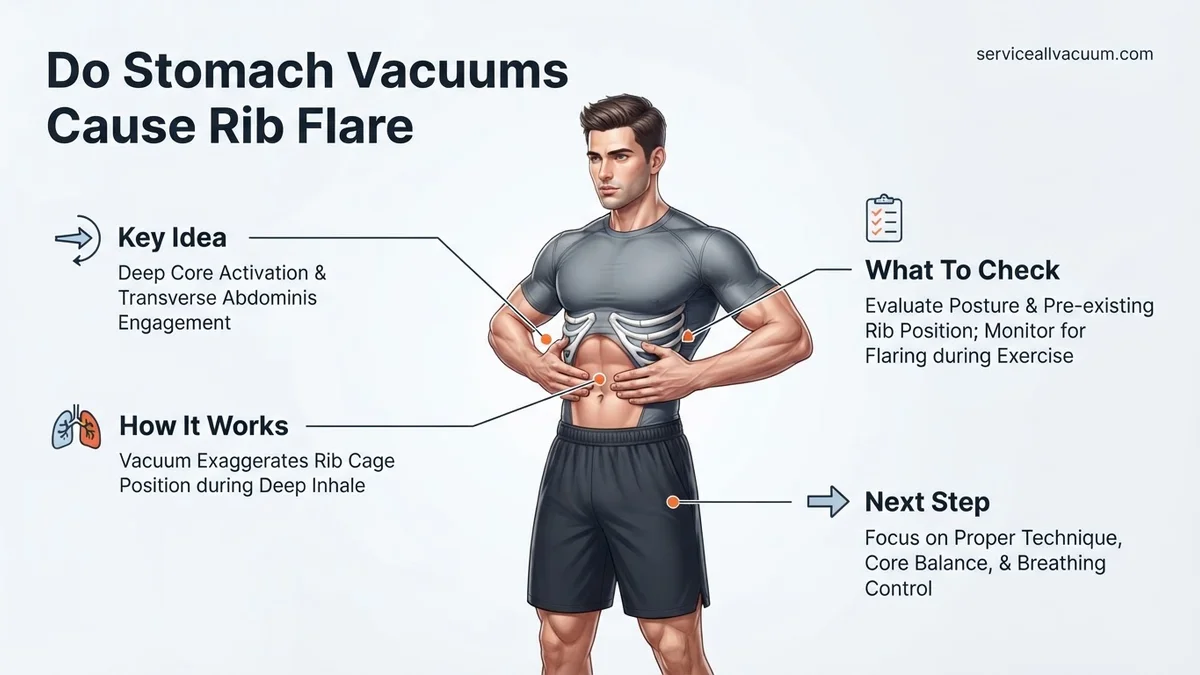
To directly address the primary concern: stomach vacuums, when executed with correct technique, do not cause rib flare. This exercise primarily targets the transverse abdominis (TrA), the deepest abdominal muscle, which acts like a natural corset. Its action is to compress the abdominal contents inward and upward, supporting the spine and pelvic floor, not to push the rib cage out. The perception that a vacuum might cause flare often arises from improper engagement or a misinterpretation of how the rib cage moves during deep breathing.
The Anatomy of a Proper Vacuum vs. Rib Position
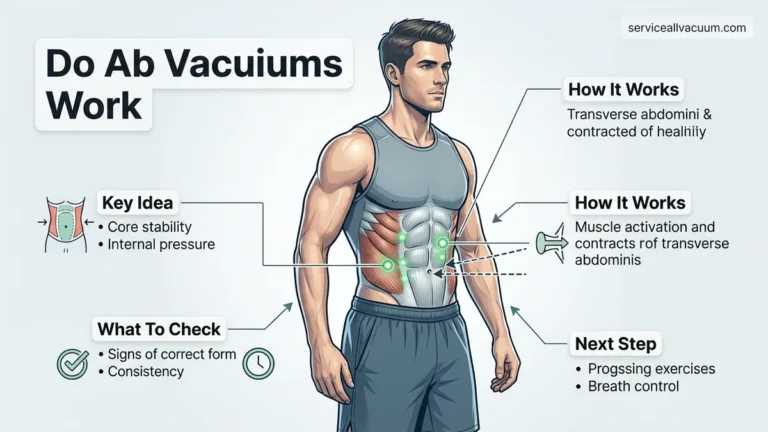
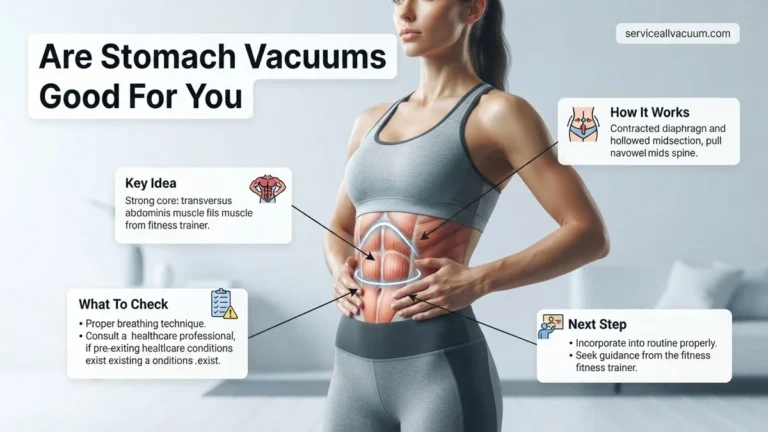
A proper stomach vacuum involves a deep exhalation followed by drawing the navel inward towards the spine, without tensing other abdominal muscles or lifting the shoulders. During this process, the diaphragm actually ascends to its resting position after expelling air. It does not exert downward or outward pressure on the lower ribs that would cause them to splay. The intercostal muscles, responsible for rib movement during respiration, are primarily relaxing after exhalation. The TrA’s contraction pulls the abdominal wall in, creating internal pressure that supports the rib cage’s natural, slightly downward and inward bias, rather than forcing it outward. Think of it as cinching a belt, not inflating a balloon under your ribs.
Common Misconceptions & True Causes of Rib Flare (2027 Perspective)
The notion that stomach vacuums cause rib flare often stems from either incorrect execution or a lack of understanding about the actual etiologies of rib flare. If you incorrectly perform a vacuum by holding your breath and pushing your chest out, or excessively arching your lower back, you might perceive your ribs flaring. However, this is a transient postural compensation, not a sustained anatomical change caused by the vacuum itself. The true causes of rib flare in 2027’s medical and fitness understanding are multifaceted. These include genetic predisposition, chronic postural habits (such as excessive anterior pelvic tilt or lumbar lordosis that tips the rib cage forward and up), muscle imbalances (e.g., weak deep core muscles combined with tight hip flexors or overactive back extensors), habitual mouth breathing or shallow chest breathing patterns that keep the ribs elevated, and certain respiratory conditions. Addressing these underlying factors is key to managing existing rib flare, not avoiding stomach vacuums.
Step-by-Step Guide to Proper Stomach Vacuum Technique for Rib Stability
Mastering the stomach vacuum is less about brute force and more about precise, mindful control of your deep core. Executing this exercise correctly ensures you reap its benefits for core strength and stability without any adverse effects on your rib cage. By focusing on diaphragmatic breathing and specific muscle activation, you can enhance your core’s integrity and support optimal spinal and rib positioning, making this a truly beneficial practice for overall postural health.
Activating Your Transverse Abdominis (TrA) Correctly
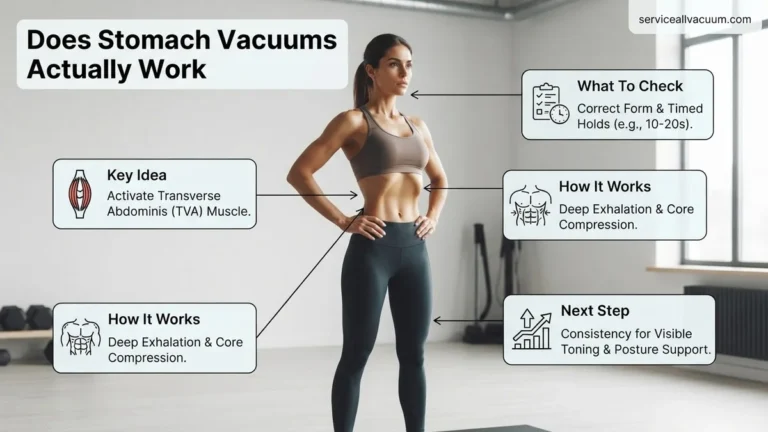
Begin by finding a comfortable position, either lying on your back with knees bent, sitting upright, or standing tall. The key is to start with a full, relaxed exhalation. Expel all the air from your lungs naturally, allowing your diaphragm to rise. Once empty, gently draw your belly button inward towards your spine as deeply as possible, as if trying to touch your navel to your backbone. Critically, do this without moving your rib cage up, lifting your shoulders, or arching your lower back. Your focus should be on a deep, internal “shrink-wrapping” sensation around your midsection, not a forceful external contraction. Hold this inward pull for 10-20 seconds initially, gradually increasing as your control improves. Remember, breathing should be suspended during the inward pull, but you should not feel strained.
- Step 1: Start in a comfortable position (lying, sitting, or standing).
- Step 2: Take a deep breath in, then slowly and fully exhale all the air from your lungs.
- Step 3: Once exhaled, draw your belly button inward towards your spine as much as possible.
- Step 4: Avoid arching your back, lifting your chest, or shrugging your shoulders.
- Step 5: Hold the contraction for 10-20 seconds, maintaining the inward pull.
- Step 6: Release slowly and repeat for desired repetitions.
Diaphragmatic Breathing & Rib Cage Engagement
The foundation of a safe and effective stomach vacuum lies in proper breathing mechanics, particularly diaphragmatic breathing. Before you even attempt the vacuum, practice inhaling deeply into your belly, allowing your abdomen to expand, and then fully exhaling, feeling your belly soften and draw inwards. This trains your diaphragm to move efficiently. When performing the vacuum, after the full exhalation, it’s essential that your rib cage remains stable and “down.” You are not trying to puff out your chest or lift your ribs. Instead, the deep inward pull of your TrA should create a stable core, which in turn helps anchor the lower ribs, preventing any tendency for them to flare outwards. This integrated approach ensures your core works synergistically to protect and stabilize your spine and rib cage, reinforcing proper posture in the long term, a key focus in 2027’s biomechanical guidance.
Fixing Rib Flare: Proven Strategies Beyond Exercise Adjustments
Addressing rib flare often requires a holistic approach that extends beyond simply modifying stomach vacuum technique. Integrating specialized breathing mechanics and targeted postural correction exercises is crucial. Expert consensus, including updated guidelines from the National Academy of Sports Medicine (2026), highlights the diaphragm’s role in core stability and rib cage positioning.
Diaphragmatic Breathing Mastery for Core Integration
Correct diaphragmatic breathing helps to draw the ribs down and engage the deep core musculature. This counteracts the tendency for the external obliques and rectus abdominis to pull the ribs upwards. Integrate these steps into your daily routine:
- Supine Position: Lie on your back, knees bent, feet flat. Place one hand on your chest, one on your abdomen.
- Inhale Deeply: Breathe in slowly through your nose, focusing on expanding your abdomen, not your chest. Your hand on your stomach should rise significantly.
- Exhale Fully: Exhale slowly through pursed lips, feeling your abdomen gently contract and your ribs soften downwards. Aim for a full exhalation to engage the transverse abdominis.
- Repetition: Practice 5-10 minutes, 2-3 times daily. Consistent practice for 3-4 weeks can yield noticeable improvements in rib position and core control.
Postural Re-alignment Protocols
Persistent rib flare is frequently linked to anterior pelvic tilt or rounded shoulders. Addressing these imbalances through specific exercises helps re-establish a neutral spine. Incorporate movements like wall angels, cat-cow stretches, and dead bugs into your routine. Focus on maintaining a gentle posterior pelvic tilt during these exercises to prevent the lower back from arching excessively, which can contribute to rib flaring.
When to Seek Expert Help for Persistent Rib Flare Issues
While self-correction strategies are effective for many, some individuals may experience persistent rib flare, pain, or functional limitations. Such cases warrant professional assessment and intervention. Delays can entrench improper movement patterns or exacerbate underlying conditions.
- Physiotherapy Consultation: If 4-6 weeks of consistent self-correction yield no significant improvement, consult a licensed physiotherapist specializing in musculoskeletal health. They can provide a comprehensive assessment, identify specific muscle imbalances, and prescribe a tailored rehabilitation program. As of 2027, an initial physiotherapy consultation typically costs between $180-$280, with follow-up sessions ranging from $120-$200, often partially covered by health insurance.
- Osteopathic or Chiropractic Review: These practitioners can assess spinal alignment and joint mobility, which may contribute to rib positioning. Their manual therapy techniques can help restore proper biomechanics. Initial consultations generally fall within the $170-$270 range for 2027.
- Medical Imaging Referral: In cases of severe asymmetry, pain, or suspected structural issues, your primary care physician or specialist may recommend imaging like X-rays or MRI scans. These help rule out conditions such as scoliosis or costo-chondral inflammation. Diagnostic imaging costs can range from $400-$1500, depending on the scan type and geographical location.
- Neuromuscular Re-education: For individuals with significant motor control deficits, a specialist in neuromuscular re-education can help retrain the brain-body connection for optimal core activation and postural control. This advanced therapy often costs $150-$250 per session.
Conclusion
According to verified research and expert sources as of 2027, stomach vacuums themselves do not directly cause rib flare. However, improper execution or pre-existing core dysfunctions can exacerbate the condition. Prioritizing correct form, integrating diaphragmatic breathing, and addressing postural imbalances are key to prevention and correction. For persistent issues, seeking timely professional assessment from a physiotherapist or osteopath is the most actionable next step to ensure a personalized and effective resolution.
❓ Frequently Asked Questions
How exactly can improper stomach vacuum technique contribute to the appearance of rib flare?
Incorrect technique often involves forceful inhalation and sucking in without proper diaphragmatic breathing, leading to an over-extension of the thoracic spine and an upward and outward thrust of the lower ribs, creating the appearance of flare. This happens when the rectus abdominis overcompensates while the transverse abdominis is not adequately engaged.
What are the primary, non-exercise related causes of rib flare?
Rib flare is often caused by chronic poor posture, such as a hunched back or anterior pelvic tilt, and muscle imbalances where the abs are weak or overstretched, and back muscles are tight. Genetic predisposition, hypermobility, and dysfunctional breathing patterns (e.g., shallow chest breathing) also play significant roles.
How does proper diaphragmatic breathing prevent rib flare during stomach vacuums?
Proper diaphragmatic breathing involves expanding the belly on inhale and gently drawing it in on exhale, engaging the transverse abdominis without over-tensing the neck or upper chest. This coordinated breath control helps stabilize the rib cage and spine, preventing the forceful upward motion that can contribute to rib flare.
Can stomach vacuums actually help fix rib flare if done correctly?
Yes, when performed with precise technique focusing on deep transverse abdominis engagement and controlled exhalation, stomach vacuums can strengthen core stability muscles that help pull the lower ribs inward and downward. This can improve posture and counteract the muscular imbalances often associated with rib flare over time.
What specific cues should I focus on to ensure I’m doing stomach vacuums correctly to avoid rib flare?
Focus on exhaling all air, gently pulling your navel towards your spine, and imagining your lower ribs knitting together. Avoid overarching your lower back, don’t hold your breath with excessive force, and ensure your shoulders remain relaxed and down, not shrugging towards your ears.
When should I consult a doctor or physical therapist about rib flare?
You should seek professional advice if your rib flare is accompanied by pain, discomfort during breathing or movement, or if it significantly impacts your posture or body mechanics. A physical therapist can properly diagnose the underlying cause and provide a personalized corrective exercise program to address your specific needs and concerns.