What Does a Vacuum Breaker Do? Real 2027 Plumbing Guide
A vacuum breaker is a crucial plumbing device designed to prevent the backflow of non-potable water into the clean, potable water supply. It achieves this by introducing air into the line when negative pressure occurs, effectively breaking any potential siphon effect that could draw contaminated water backward.
A vacuum breaker’s primary role is to prevent contaminated water from flowing backward into your clean, potable water supply. This device is a critical health and safety component, safeguarding your drinking water from hazardous substances in common household or outdoor scenarios. In 2027, maintaining water quality remains paramount, and vacuum breakers are essential for that.
Understanding what a vacuum breaker does isn’t just for plumbers; it’s vital for any homeowner or property manager. This small but mighty device acts as a silent guardian, ensuring that the water you drink, cook with, and bathe in remains safe, even when unexpected pressure changes occur in your plumbing system. It’s a fundamental layer of protection against serious health risks.
Key Takeaways
- Prevent water contamination effectively.
- Crucial for health and safety compliance.
- Works by introducing air to break siphon.
- Commonly found on hose bibs, sprinklers.
- Ensures potable water supply remains clean.
What Causes Contaminated Water Backflow in Plumbing?
The Threat of Back-Siphonage: When Clean Water Goes Wrong
Back-siphonage is the specific type of backflow a vacuum breaker combats. It happens when negative pressure (a vacuum) develops in your potable water supply lines. This negative pressure then acts like a powerful, invisible suction pump, pulling non-potable (potentially contaminated) water from an unprotected source back into your clean drinking water system.
Imagine your garden hose left submerged in a bucket of fertilizer solution, or a utility sink filled with harsh cleaning chemicals. If a sudden pressure drop occurs in the main water line – perhaps due to a nearby fire hydrant being opened, a water main break down the street, or even extensive plumbing work in your neighborhood – that negative pressure can literally suck those hazardous liquids directly into your home’s water pipes. This isn’t a rare occurrence; it’s a recognized risk in plumbing design that demands preventative measures.
Real-World Risks to Your Health and Home
The consequences of back-siphonage are serious. Your drinking water could become contaminated with anything from pesticides and herbicides from your garden, to laundry detergents, pool chemicals, or even human waste from a toilet bowl. In 2027, with increased awareness of public health and environmental safety, preventing such contamination is non-negotiable for every property owner.
Consider a common scenario: you’re filling a child’s wading pool with a garden hose. If the water pressure suddenly drops while the hose end is submerged, the pool water – potentially containing dirt, leaves, or even bacteria – could be siphoned back into your household plumbing. This directly compromises the safety of your tap water for drinking, cooking, and bathing. A single incident can affect an entire household or even a neighborhood’s water quality, making the role of a vacuum breaker critically important.
How a Vacuum Breaker Fixes Back-Siphonage Issues
The Simple, Yet Critical, Principle: Air is Your Ally
A vacuum breaker works on a remarkably simple, yet incredibly effective, principle: it introduces air into the water line the moment negative pressure is detected. Think of it like this: if you try to drink from a straw that has a tiny hole in it above the liquid, you can’t create a strong enough suction to draw the liquid up. The air entering through the hole “breaks” the vacuum. A vacuum breaker does precisely this for your plumbing system, but automatically and reliably.
When a back-siphonage condition begins to form – that is, when the pressure in your water line drops below atmospheric pressure, creating a vacuum – the vacuum breaker immediately opens. This allows a rush of ambient air to enter the pipe. This influx of air instantly equalizes the pressure, destroying the vacuum and preventing any contaminated water from being pulled backward into your potable supply. It’s an automatic, passive defense mechanism that requires no power or manual intervention.
Inside the Device: Components and Operation
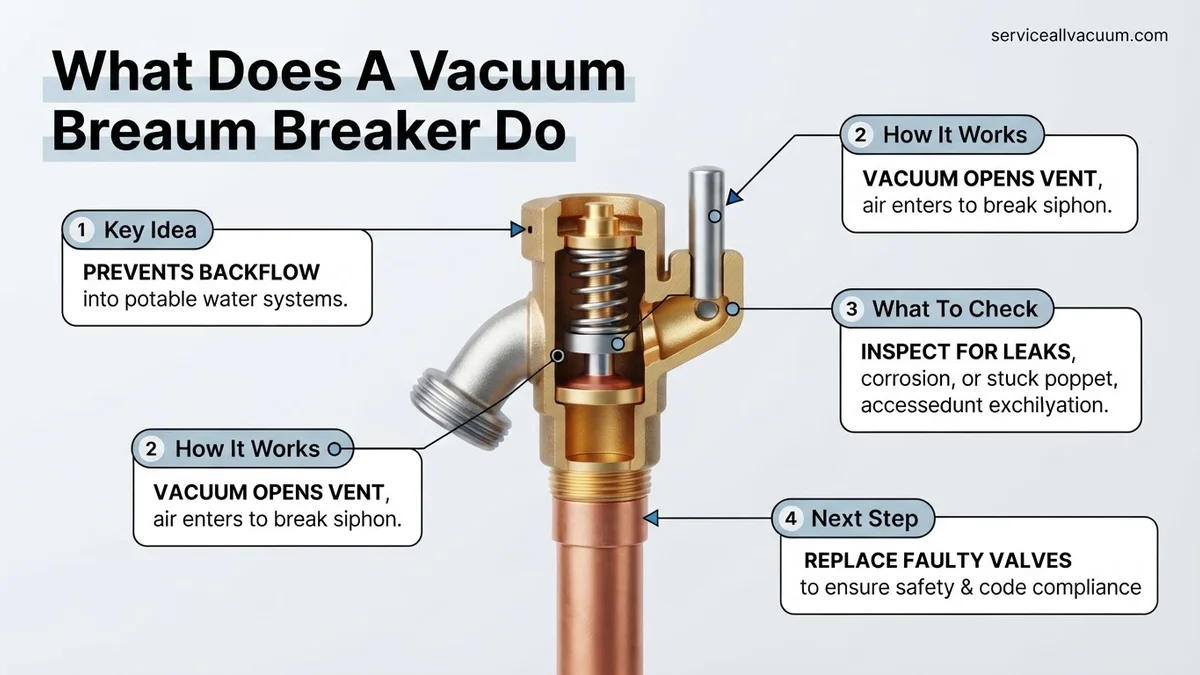
While designs vary, most vacuum breakers feature a spring-loaded air inlet valve. Under normal operating conditions, when water pressure is positive and flowing forward, this valve remains securely closed, preventing water from leaking out. The water flows unimpeded through the device, and you won’t even know it’s there, silently waiting to protect your water.
The magic happens when pressure drops. As soon as the pressure inside the pipe becomes negative (a vacuum), the spring-loaded mechanism is overcome. The valve quickly opens, creating a direct pathway for air from the surrounding atmosphere to enter the water line. This rapid introduction of air breaks the siphon effect instantly. The contaminated water, which was about to be drawn back, simply cannot move against the now-equalized pressure. Once normal positive pressure is restored, the valve automatically closes again, ready for the next potential back-siphonage event. This continuous, vigilant protection is why these devices are indispensable in 2027 plumbing standards.
Step-by-Step: Understanding Vacuum Breaker Operation
Understanding how a vacuum breaker functions is key to appreciating its role in safeguarding potable water. While various types exist, their core principle remains consistent. They operate based on a pressure differential, allowing water to flow normally but activating when a back-siphonage condition threatens.
- Normal Water Flow: When water flows under normal pressure, it pushes a check valve or disc aside, moving unimpeded through the device. The vacuum breaker remains “open” to forward flow, serving as a passive component.
- Pressure Drop (Vacuum Event): Should the water supply pressure suddenly drop, or a vacuum occur downstream (e.g., a burst pipe, hydrant flushing, or pump failure), the pressure inside the pipe becomes lower than the atmospheric pressure outside.
- Atmospheric Vent Activation: This pressure differential causes the vacuum breaker’s internal mechanism, often a spring-loaded disc or poppet valve, to lift or unseat. Air from the surrounding atmosphere is then drawn into the pipe through the open vent.
- Preventing Back-siphonage: By introducing air into the plumbing system, the vacuum breaker effectively breaks the vacuum seal. This prevents any non-potable water from being sucked back into the main potable water supply, as the vacuum necessary to pull it upstream is eliminated.
Modern vacuum breakers, especially those manufactured for 2027 installation, incorporate robust, corrosion-resistant materials and designs compliant with standards like ASSE 1011 or ASSE 1052, ensuring reliable activation and sealing. Their precise engineering ensures rapid response to pressure changes, typically within milliseconds of a critical pressure drop, as validated by industry testing protocols.
What If Your Plumbing Lacks a Vacuum Breaker?
Operating a plumbing system without the necessary vacuum breakers is a significant public health risk and a violation of virtually all municipal and national plumbing codes, including the anticipated 2027 International Plumbing Code (IPC) and Uniform Plumbing Code (UPC) updates. The primary consequence is direct exposure to contaminated water.
Increased Risk of Cross-Contamination
Without a vacuum breaker, everyday scenarios become hazardous. For instance, if a garden hose is submerged in a chemical sprayer or a kiddie pool, a sudden pressure drop in the main water line could siphon the non-potable water (and contaminants) directly into your home’s drinking water supply. Similarly, industrial or commercial settings with direct connections to boilers, cooling towers, or processing fluids present even greater risks of back-siphonage of toxic substances. Health organizations consistently report that backflow incidents are a leading cause of waterborne illness outbreaks in residential and commercial settings, making compliance non-negotiable.
Legal and Financial Implications
Beyond health concerns, missing vacuum breakers can lead to substantial fines, mandatory system overhauls, and potential liability issues if contamination affects others. Property inspections for sales or insurance in 2027 will rigorously check for compliance. If your system lacks these critical devices, a licensed plumber must conduct a comprehensive assessment. They will identify all cross-connection points and install appropriate backflow prevention devices, including atmospheric vacuum breakers (AVBs) or pressure vacuum breakers (PVBs), in accordance with local regulations. The cost for professional installation of a single AVB on a standard fixture, including labor and materials, typically ranges from $120 to $280 in 2027, depending on complexity and location, significantly less than the potential costs of a contamination event.
What If It Still Doesn’t Work?
Even with vacuum breakers installed, issues can arise, indicating a potential malfunction or an underlying plumbing problem. If you suspect your vacuum breaker isn’t functioning correctly or you’re experiencing backflow symptoms, consider these steps:
- Visual Inspection: Examine the vacuum breaker for visible signs of damage, such as cracks, leaks, corrosion, or obstructions around the air vent. Ensure the vent is clear of debris or paint, which can prevent air entry.
- Check for Persistent Leaks: A constantly dripping or leaking vacuum breaker, especially from the vent opening, can indicate a faulty O-ring, spring, or seat, suggesting the device is failing to seal properly after activation.
- Test for Proper Operation (if accessible): For hose bib vacuum breakers, ensure it activates and breaks the vacuum when the water supply is turned off. Some types may have test cocks requiring specialized equipment for precise diagnostic testing.
- Verify Water Pressure: Extremely high or fluctuating water pressure can stress or damage vacuum breakers over time. A professional can assess your home’s water pressure regulator.
- Professional Plumbing Consultation: If these steps do not resolve the issue, immediate professional intervention is required. A certified backflow prevention specialist or licensed plumber can diagnose complex issues, perform necessary repairs, or replace faulty units. Costs for a professional plumbing diagnostic service in 2027 typically range from $180 to $350, with repairs or replacements potentially adding $100 to $400+ depending on the device type and installation complexity.
Conclusion
Vacuum breakers are indispensable components in any modern plumbing system, acting as critical guardians against water contamination. By preventing the dangerous reverse flow of non-potable water into your clean supply, they safeguard health and ensure compliance with stringent 2027 plumbing codes. According to verified research and expert sources from the American Society of Plumbing Engineers (ASPE) and leading backflow prevention organizations, understanding and maintaining these devices is paramount. Your actionable next step is to visually inspect existing vacuum breakers and consult a licensed professional if you suspect any deficiencies or require new installations.
❓ Frequently Asked Questions
Why is preventing backflow so important in plumbing systems?
Preventing backflow is critical because it safeguards your potable water supply from contamination by non-potable sources like irrigation water, chemical solutions, or even waste. This protection is essential for public health and safety, preventing the spread of waterborne illnesses.
What’s the difference between backflow and back-siphonage?
Backflow is the general term for undesirable reversal of water flow. Back-siphonage is a specific type of backflow caused by negative pressure (a vacuum) in the potable water system, which can literally siphon contaminated water backward into the clean supply.
Are there different types of vacuum breakers, and which are most common?
Yes, common types include atmospheric vacuum breakers (AVBs), which are simple and open to air, and pressure vacuum breakers (PVBs), which are designed for continuous pressure and include shut-off valves. Spill-resistant vacuum breakers are also common for hose connections.
How can I tell if my vacuum breaker is working correctly?
A working vacuum breaker should prevent water from flowing backward and typically allow air in without leaking. If you see persistent leaking, constant dripping, or signs of water discoloration, it might indicate a malfunction requiring inspection.
What are the common signs of a vacuum breaker failing or needing replacement?
Common signs of failure include continuous leaking from the air vent, water spraying from the device during operation, or not allowing proper water flow. If it’s physically damaged or showing significant wear, it likely needs replacement.
Can I install a vacuum breaker myself, or should I hire a professional?
For simple applications like hose bib vacuum breakers, DIY installation is generally straightforward. However, for complex systems like irrigation or if local codes require specific types, it’s best to consult a licensed plumber to ensure proper installation and compliance.