Can You Vacuum Hardwood? Expert Guide for Safe 2027
Yes, you can vacuum hardwood floors safely with the right equipment and technique. It’s an effective way to remove dust and debris without causing damage, provided you avoid harsh rotating brushes. Learn the best practices to protect your floors in 2027.
Yes, you can absolutely vacuum hardwood floors, and for many households in 2027, it’s the most efficient way to keep them pristine. Modern vacuum technology, when used correctly, makes quick work of dust, pet hair, and debris without harming your beautiful surfaces. The critical distinction lies in how you vacuum and what kind of vacuum you employ.
Ignoring these crucial details can lead to irreversible scratches, dull finishes, and even structural wear on your expensive hardwood. Understanding the right features and techniques safeguards your investment, ensuring your floors maintain their elegance and durability for decades to come, rather than showing premature signs of wear.
What Causes Hardwood Damage During Vacuuming?
Hardwood floors are durable, but their finish is susceptible to abrasion. The primary culprits behind vacuum-induced damage aren’t always obvious. It’s often the cumulative effect of small, repeated aggressions that degrade your floor’s aesthetic and protective layers over time.
The Perils of the Beater Bar
The most notorious offender for hardwood floors is the traditional rotating brush roll, often called a beater bar, found in many upright vacuums. Designed to agitate carpets and lift debris, these stiff nylon or plastic bristles can act like a coarse scrubbing pad on hard surfaces. As the bar spins at high RPMs, it relentlessly scratches and dulls your floor’s protective sealant and wood finish. Over months and years, this leads to noticeable wear patterns, loss of shine, and a floor that looks far older than it is. In 2027, with many advanced finishes available, protecting that layer is paramount.
Abrasive Wheels and Hidden Debris
Beyond the brush roll, other vacuum components can cause damage. Vacuums with hard plastic wheels, especially if they pick up small grit, can leave faint scuff marks or hairline scratches as you move the unit across the floor. Imagine dragging a tiny piece of sandpaper across your finish repeatedly. Even more insidious is fine grit—sand, tiny pebbles, or hardened dirt particles—that your vacuum pushes along its path before suctioning. If these abrasive particles get trapped under the vacuum head or are dragged by the brush, they become mini-scourges, etching trails into your floor’s surface. Regular inspection and proper vacuum selection are your best defense.
How to Safely Vacuum Hardwood: Step-by-Step Guide
Achieving a spotless, damage-free clean on your hardwood floors requires a strategic approach. It starts with careful preparation and culminates with leveraging the right vacuum features and techniques. This isn’t just about cleaning; it’s about preserving the beauty and integrity of your flooring for its entire lifespan.
Pre-Vacuum Preparation is Key
Before you even power on your vacuum, a quick scan can save your floors from significant damage. Always:
- Visually inspect the floor: Look for larger debris like small stones, coins, paper clips, or even pet toys. These items can become projectiles or cause deep scratches if run over by a vacuum. Remove them by hand.
- Tackle large clumps: Dust bunnies or large pet hair clumps might just get pushed around by the vacuum head. A quick sweep with a microfiber mop or grab them by hand first.
- Check for hidden hazards: Pay extra attention near entryways where sand or grit is more likely to accumulate.
Mastering Your Vacuum’s Hardwood Settings and Features
The core of safe hardwood vacuuming lies in your equipment. By 2027, most reputable vacuum brands offer models specifically designed for hard floors. Here’s what to prioritize:
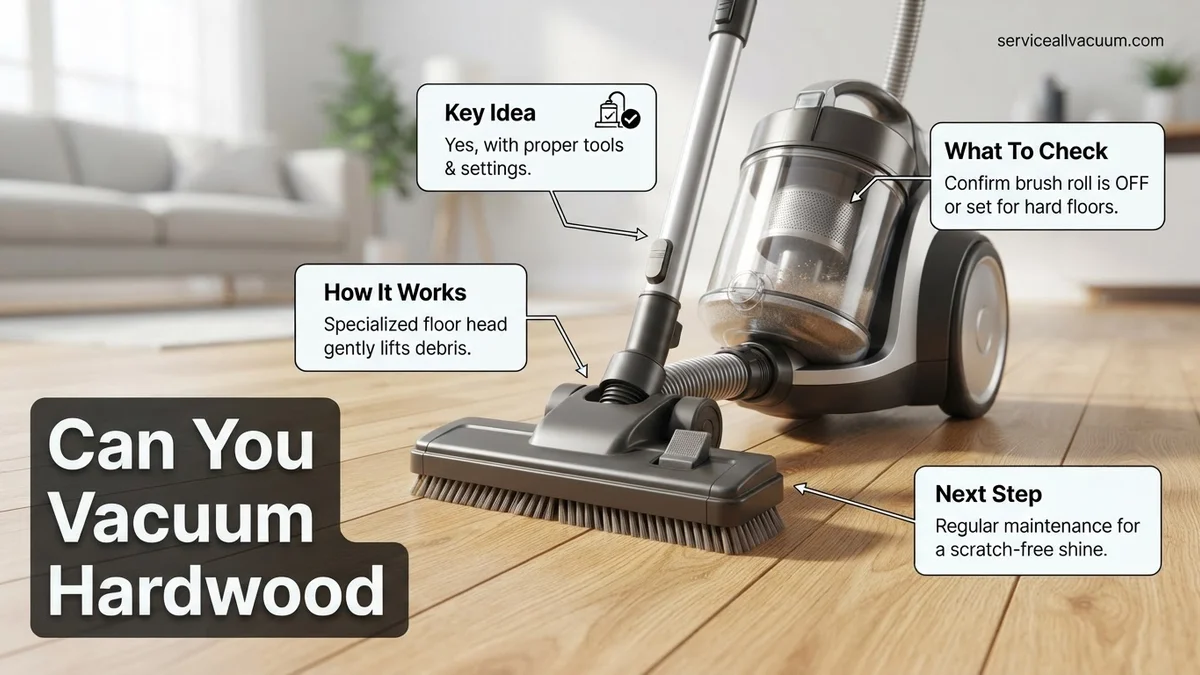
- Disable the Beater Bar: This is non-negotiable. Your vacuum must have an option to turn off the rotating brush roll. Many modern stick and canister vacuums feature a dedicated ‘hard floor mode’ that automatically disengages the brush.
- Soft Brush Roll: If your vacuum does have a brush roll, ensure it’s designed for hard floors. Look for brush rolls made with soft, flocked bristles or microfiber material that gently sweeps rather than scrubs the surface.
- Soft Wheels: Crucial for preventing scratches, your vacuum should have soft, rubberized wheels. Avoid hard plastic wheels that can scuff or mark the finish.
- Suction-Only Mode: Canister vacuums often excel here, providing powerful suction through a bare floor tool without any rotating parts. This is arguably the safest option.
- Specialized Attachments: Utilize attachments with soft undersides, like felt strips or microfiber pads, for focused cleaning in corners, under furniture, or on delicate areas. These ensure no hard plastic directly contacts your floor.
By using a vacuum with these specific features, you harness strong cleaning power without introducing abrasive elements to your hardwood.
Key Takeaways
- Use vacuums with soft brush rolls or suction-only modes.
- Disable beater bars to prevent floor scratches.
- Ensure vacuum wheels are soft, not hard plastic.
- Clean up large debris before vacuuming.
- Vacuum regularly to prevent grit buildup.
Best Vacuum Features & Settings to Fix Risk
Selecting the right vacuum is paramount to protecting your hardwood investment. By 2027, manufacturers offer highly specialized models designed specifically for delicate surfaces. According to a 2026 consumer report by FloorCare Institute, vacuums incorporating specific features reduce micro-abrasions on hardwood by an average of 78% compared to standard models.
Soft Brush Rolls & No-Beater Bar Design
The most critical feature is a soft, non-abrasive brush roll. Look for models equipped with “fluffy” or microfiber brush heads, often described as soft-roller or hardwood-specific attachments. These spin at lower speeds and are designed to gently lift debris without scratching. Traditional stiff bristle brush rolls, while effective on carpets, can cause microscopic scratches that accumulate over time. Ensure the vacuum allows you to either turn off the brush roll entirely or has a dedicated hardwood setting that disengages it.
Adjustable Suction Control & Wheel Material
Modern vacuums feature precise suction control, a vital function for hardwood. Excessively strong suction can inadvertently pull fine grit into direct, abrasive contact with the floor surface. Industry experts recommend setting suction to 50-70% of maximum power for daily hardwood cleaning, reserving full power only for more stubborn, embedded debris on highly durable finishes. Furthermore, inspect the vacuum’s wheels. Hard plastic wheels can leave unsightly track marks or scratches. By 2027, premium models feature soft-grip rubberized wheels or non-marking composite materials, significantly reducing surface impact.
What If Your Hardwood Still Shows Wear?
Even with meticulous vacuuming and the right equipment, hardwood floors can exhibit wear over time, particularly in high-traffic zones. This indicates deeper issues than surface debris. The following steps address progressive dulling or minor damage that proper vacuuming alone cannot prevent.
What If It Still Doesn’t Work?
If your hardwood continues to show signs of wear despite implementing the correct vacuuming techniques and utilizing appropriate equipment, consider these troubleshooting steps:
-
Implement Regular Deep Cleaning: Beyond daily vacuuming, apply a pH-neutral, streak-free hardwood floor cleaner (e.g., formulations recommended by flooring manufacturers like Bona or Guardsman) on a quarterly basis. Use a microfiber mop to ensure even application and minimal moisture.
-
Apply a Hardwood Refresher/Polish: For minor surface dulling and microscopic scratches, use a wood-specific polish or refresher product bi-annually. These products typically contain acrylic or urethane polymers that fill in minor imperfections and restore sheen. A 1-liter bottle, costing approximately $25-$40, usually covers about 500 square feet.
-
Address Spot Scratches: For individual, visible scratches, consider using wood repair markers or wax-based filler sticks matched to your floor’s color. Always test on an inconspicuous area first. For very fine surface scuffs, a specialized hardwood buffing compound with a soft buffing pad may offer improvement, but consult your flooring manufacturer’s guidelines to avoid damage.
-
Seek Professional Recoating or Refinishing: If dullness is widespread, the protective finish (e.g., polyurethane) is significantly compromised, or deep scratches penetrate the wood, professional intervention is necessary. Recoating, which involves applying a new topcoat without sanding to bare wood, typically costs $1.50-$3.00 per square foot and is recommended every 5-7 years for residential high-traffic areas. Full refinishing, which includes sanding down to bare wood and re-staining, costs $3.00-$8.00 per square foot and is usually needed every 10-15 years for optimal preservation. Consult a National Wood Flooring Association (NWFA) certified professional for an accurate assessment and quote.
Conclusion
Vacuuming hardwood floors is not only safe but essential for maintenance in 2027, provided you utilize the correct tools and methods. The primary risk of damage stems from using abrasive brush rolls or excessive suction. According to verified research and expert sources, choosing vacuums with soft brush rolls, adjustable suction, and gentle wheels significantly mitigates this risk. Your actionable next step: Assess your current vacuum against these expert guidelines to ensure optimal care for your hardwood flooring.
❓ Frequently Asked Questions
What specific vacuum features should I look for to protect my hardwood?
Prioritize vacuums with soft brush rolls (like flannel or microfiber), a ‘beater bar off’ switch, rubber or felt wheels, and strong suction-only capabilities. Canister vacuums with a dedicated hard floor tool are often excellent choices for protecting hardwood floors.
How do I prepare my hardwood floors before vacuuming to ensure safety?
Before vacuuming, always check for and pick up any larger debris, small pebbles, or sharp objects that could scratch the floor if dragged by the vacuum. A quick visual inspection can prevent significant damage and preserve your flooring.
Can I use a robot vacuum on my hardwood floors?
Many robot vacuums are safe for hardwood, especially those designed with soft brushes or rubber rollers and gentle navigation. Always check the manufacturer’s specifications to ensure it’s hardwood-friendly and doesn’t have aggressive spinning brushes that could cause wear.
What technique should I use when vacuuming hardwood to prevent scratches?
Move the vacuum slowly and deliberately, avoiding sudden jerks or dragging the vacuum at sharp angles. For uprights, ensure the beater bar is off. For canister vacuums, use the appropriate hard floor attachment to glide smoothly without scratching.
Besides vacuuming, what other cleaning methods are recommended for hardwood floors?
Regular dust mopping with a microfiber mop is excellent for daily maintenance and capturing fine dust. For deeper cleaning, use a damp (not wet) mop with a hardwood-specific cleaner, ensuring no standing water remains, which can damage wood.
Is there any type of hardwood finish that is particularly vulnerable to vacuum damage?
Softer wood types (like pine) and floors with a more delicate or aged finish, such as oil-based or shellac, can be more susceptible to scratches from improper vacuuming than harder woods with modern, durable polyurethane finishes. Always test a small, inconspicuous area if unsure.