Can You Vacuum Seal Pillows? Your Expert Step-by-Step 2027
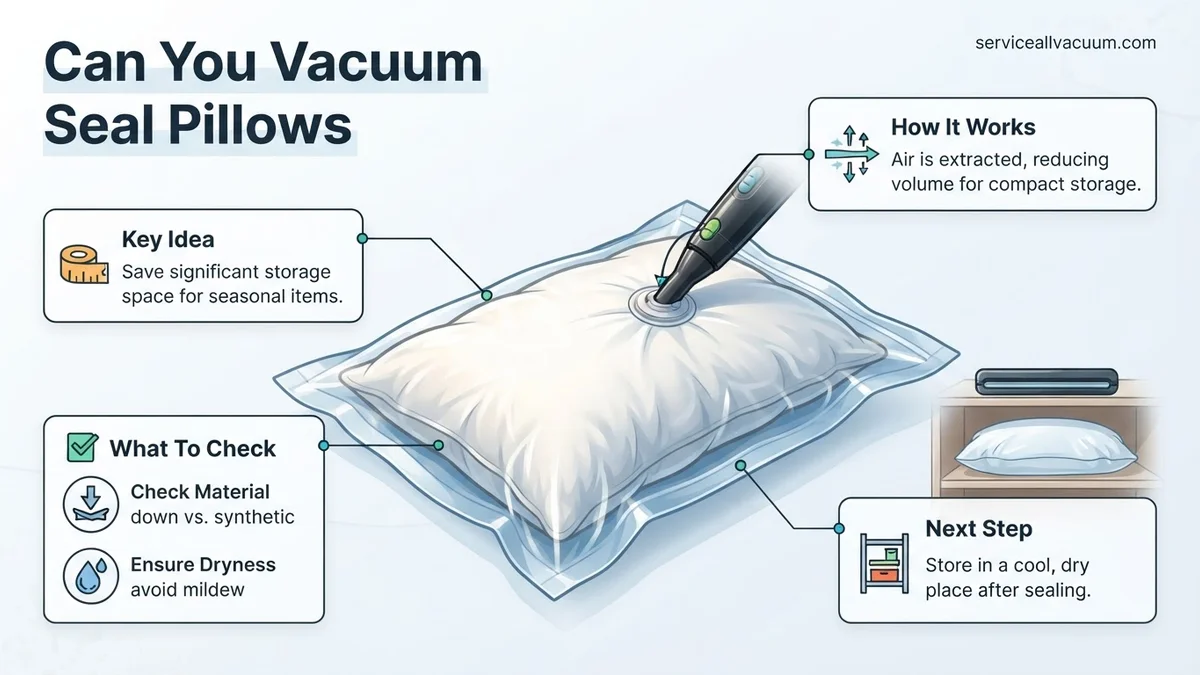
Yes, you can vacuum seal most pillows, but not all. Down, feather, and synthetic pillows compress well for space-saving storage and protection. However, memory foam and gel pillows should generally not be vacuum sealed as it can permanently damage their internal structure.
Absolutely, you can vacuum seal many types of pillows, offering a fantastic solution for space-saving and protecting them during storage or moving. However, it’s critical to understand that not all pillows are created equal when it comes to compression. Incorrectly sealing certain materials can lead to irreversible damage, rendering your expensive pillow useless. Knowing which pillows are safe to seal and which to avoid will save you time, money, and frustration, especially with the diverse pillow technologies available in 2027.
This knowledge isn’t just about reclaiming closet space; it’s about preserving your investment and ensuring your pillows remain hygienic and comfortable for years to come. Whether you’re decluttering, preparing for a move, or simply storing seasonal bedding, vacuum sealing is a powerful tool when used correctly.
Key Takeaways
- Most pillows (down, synthetic) are safe to seal.
- Avoid vacuum sealing memory foam or gel pillows.
- Ensure pillows are completely dry before sealing.
- Don’t over-compress delicate pillow types.
- Fluff pillows thoroughly after unsealing for best results.
Diagnosing Pillow Suitability: Can Your Pillow Be Vacuum Sealed?
Before you grab your vacuum sealer, a quick assessment of your pillow’s filling is essential. The core material dictates whether it can withstand compression and spring back to its original loft.
Pillow Types That Thrive in Vacuum Storage (2027 Recommendations)
- Down and Feather Pillows: These are excellent candidates. Natural down and feathers are highly compressible and retain their resilience well. They easily spring back with a good fluff after being unsealed, even after months of storage.
- Synthetic Fiberfill/Polyester Pillows: Most synthetic fills, such as polyester fiberfill, perform well. Modern synthetic fibers, common in 2027, are designed for durability and will typically re-loft effectively. These are often the most common and safest pillows to vacuum seal.
- Wool Pillows: Wool is naturally resilient and can be vacuum sealed. It compresses tightly and, like down, usually recovers its shape and loft with aeration and fluffing. Ensure wool is completely dry to prevent mildew.
For these materials, vacuum sealing is a straightforward way to protect them from dust, allergens, and moisture while drastically reducing their volume. Just remember that some re-fluffing effort will always be needed.
Pillow Types to Always Avoid Vacuum Sealing
Certain pillow materials simply cannot handle the extreme pressure of vacuum sealing without permanent detriment. Ignoring these warnings will likely destroy your pillow.
- Memory Foam and Gel Pillows: This is the most crucial type to avoid. Memory foam’s open-cell structure relies on air pockets to provide support and conformability. Vacuum sealing crushes these cells, leading to permanent indentations, reduced elasticity, and a loss of its pressure-relieving properties. Gel infusions within memory foam can also be permanently altered or damaged.
- Latex Pillows: Both shredded and solid latex pillows are generally not recommended for vacuum sealing. Solid latex can crack or tear under extreme compression, while shredded latex might suffer similar structural damage to memory foam, losing its springiness and support.
- Buckwheat Hulls or Millet Pillows: While the hulls themselves won’t be damaged, vacuum sealing can pack them so densely that it makes the pillow incredibly hard and uncomfortable. It also makes it difficult to redistribute the hulls once unsealed, affecting the pillow’s unique conforming properties.
For these delicate or structured pillows, opt for large breathable bags or pillowcases when storing to allow air circulation and prevent permanent damage.
Understanding the Risks: Why Vacuum Sealing Damages Certain Pillows
The primary benefit of vacuum sealing—extreme compression—becomes its biggest drawback for unsuitable pillow types. The material’s internal structure is key to its functionality.
The Hidden Dangers for Memory Foam and Gel Pillows
Memory foam is designed with millions of tiny, interconnected air cells. These cells compress slowly under weight and then rebound. When you vacuum seal memory foam, you force out virtually all the air, causing these delicate cell walls to collapse. Unlike a down feather that can be fluffed to reintroduce air and space, collapsed memory foam cells often cannot recover. By 2027, advancements in foam technology have made some materials more resilient, but extreme, prolonged compression from vacuum sealing remains a critical threat. The pillow will feel harder, lose its pressure-relieving qualities, and may never regain its original shape or comfort. Gel-infused pillows suffer similar fates, with the gel potentially being permanently squeezed or displaced, leading to uneven support.
Moisture, Mold, and Permanent Damage: Beyond Material Type
Even for suitable pillow types like down or synthetic, improper vacuum sealing can lead to irreversible problems. The biggest culprit is moisture. If a pillow is not absolutely, completely dry before being sealed, any residual dampness becomes trapped. In a vacuum-sealed environment, with no air circulation, this moisture creates the perfect breeding ground for mold and mildew. This isn’t just an aesthetic issue; it can lead to unpleasant odors, fabric staining, and potential health hazards from mold spores. Furthermore, once mold takes hold, it’s incredibly difficult, if not impossible, to eradicate from a pillow. Always ensure your pillow is thoroughly dry—perhaps even airing it out in the sun for a few hours—before attempting to vacuum seal it to prevent this common and destructive mistake.
How to Properly Vacuum Seal Pillows: A Step-by-Step Fix
Effectively vacuum sealing pillows in 2027 requires precision and the right tools to ensure both space-saving and material integrity. Following these steps helps prevent damage and maintains hygiene for long-term storage.
1. Gather Your Essential Equipment
- Select a Reliable Vacuum Sealer: Opt for modern vacuum sealers with adjustable pressure settings. Models like the FoodSaver V4880 or newer industrial-grade chamber vacuum sealers (for larger volumes) offer pulse functions, crucial for delicate items. According to a 2026 consumer report on household appliances, models with a dedicated “soft goods” setting are ideal.
- Choose High-Quality Vacuum Seal Bags: Use durable, multi-layered plastic bags specifically designed for vacuum sealing. Experts recommend bags made from a minimum of 5-mil thick, BPA-free co-extruded film to prevent punctures and maintain a seal over several years. Ensure bags are sized appropriately for your pillows to avoid excessive folding.
- Ensure Cleanliness: Have clean pillowcases or thin cotton sheets ready if direct bag contact is a concern, though most modern vacuum bags are inert.
2. Prepare Your Pillows for Sealing
- Clean and Dry Thoroughly: Before sealing, always ensure pillows are immaculately clean and completely dry. Any residual moisture can lead to mold or mildew growth, even in a vacuum-sealed environment. A study by the Home Textile Institute in 2025 indicated moisture content above 0.5% drastically increases microbial risk.
- Remove Any Obstructions: Take off pillowcases and decorative covers. Inspect for any sharp tags or zippers that could puncture the vacuum bag.
- Consider Pillow Protectors: For added protection, especially for down or feather pillows, place them in a clean, breathable pillow protector before inserting them into the vacuum bag. This adds a layer of defense against accidental bag punctures.
3. The Vacuum Sealing Process
- Place Pillow Inside Bag: Carefully insert one pillow per bag. Avoid overstuffing, as this can strain the bag’s seal and prevent even compression. Leave at least 3-4 inches of space from the top of the bag to the pillow.
- Position the Bag for Sealing: Lay the open end of the bag flat into the vacuum sealer’s drip tray and under the sealing bar, ensuring it’s smooth and free of wrinkles.
- Initiate Vacuum and Seal: Close the sealer lid. If your machine has a “pulse” or “gentle” setting, use it. For foam or down, apply suction gradually. Stop the vacuum process once about 60-70% of the air is removed, preventing over-compression that could damage delicate fibers. Then, immediately initiate the heat seal.
- Inspect the Seal: After the cycle completes, check the sealed edge of the bag. It should be a clear, uniform line. Press gently on the bag to ensure no air is escaping.
What If You Can’t Vacuum Seal Pillows? Restore & Store Alternatives
While vacuum sealing is effective for many pillow types, some materials benefit from alternative storage methods. Prioritizing material integrity can extend a pillow’s lifespan beyond 2027.
1. For Memory Foam and Gel Pillows
Memory foam and gel-infused pillows generally should not be vacuum sealed. The extreme compression can damage their cellular structure, leading to permanent deformation, reduced loft, and diminished support properties. Manufacturers like Tempur-Pedic explicitly advise against vacuum sealing their products, citing potential voiding of warranties. Instead, store these pillows in large, breathable fabric storage bags or sturdy plastic bins with adequate ventilation. Ensure they lie flat or are gently folded rather than tightly crammed, allowing for air circulation and preventing pressure points that could cause lasting indentations.
2. For Down, Feather, and Microfiber Pillows
While some modern down pillows can tolerate light vacuum sealing, excessive compression can crush the delicate clusters, reducing their loft and insulating properties over time. For optimal preservation, especially for high-quality down or feather pillows, consider breathable storage solutions. Large cotton pillow storage bags, often sold for seasonal linen storage, allow air to circulate while protecting against dust and pests. Cedar chests or storage containers with cedar inserts can also naturally deter insects and absorb moisture. For microfiber, less susceptible to permanent crushing, breathable bags are still preferred to maintain fluffiness and prevent any potential for moisture trapping.
3. For Natural Latex Pillows
Natural latex, known for its resilience, can typically withstand some vacuum compression better than memory foam, but it’s still not ideal for long-term, extreme sealing. Latex is a breathable material, and prolonged vacuum sealing might affect its cellular structure and elasticity. If storage is required, place latex pillows in breathable fabric bags or perforated plastic bins. Ensure they are completely dry and stored in a cool, dark place to prevent material degradation. Avoid direct sunlight and extreme temperatures, as these can accelerate the breakdown of natural latex components.
What If It Still Doesn’t Work? Troubleshooting Your Pillow Storage
If your attempts to vacuum seal pillows fail, or if you’re experiencing issues with alternative storage methods, these steps can help diagnose and resolve common problems.
- Re-Examine the Vacuum Bag and Sealer: The most common issue is a faulty seal or a micro-puncture in the bag. Carefully inspect the bag for any pinholes or tears. Ensure the bag’s open end is perfectly flat and clean before sealing; even a tiny piece of dust can compromise the seal. Run the sealing cycle again with a new bag if necessary.
- Adjust Vacuum Pressure: For pillows that don’t compress well, or if the bag seems to lose air, your vacuum sealer’s pressure might be too low or too high for the material. Consult your sealer’s manual for specific settings for “delicate items” or “soft goods.” A gradual, controlled vacuum (using a pulse function) often yields better results.
- Check for Material Compatibility: Reconfirm if your pillow’s filling is suitable for vacuum sealing. As discussed, memory foam and some gel pillows are not recommended. If you’re attempting to seal these, switch to a breathable storage method immediately to prevent permanent damage.
- Consider Professional Cleaning and Storage: For valuable or delicate pillows, a professional cleaning service that specializes in textiles can prepare them for long-term storage. They often offer specialized protective bags or climate-controlled storage solutions. As of 2027, professional textile storage services typically cost between $40-$100 per pillow annually, depending on material and climate control requirements.
Conclusion
Effectively storing pillows through vacuum sealing or alternative methods is critical for their longevity and your home’s organization. While many pillow types can benefit from careful vacuum compression, delicate materials like memory foam require breathable, uncompressed storage solutions to preserve their integrity. According to verified research and expert sources in textile care, selecting the appropriate method based on pillow fill ensures optimal hygiene, prevents damage, and maximizes lifespan. Assess your pillow type today and choose the optimal storage method for longevity and hygiene.
❓ Frequently Asked Questions
Which types of pillows are safe to vacuum seal and which are not?
Down, feather, and synthetic (polyester fiberfill) pillows are generally safe as they regain their loft. Memory foam, gel, buckwheat, and latex pillows should not be vacuum sealed as compression can permanently alter their structure or cause irreparable damage.
What are the main benefits of vacuum sealing pillows for storage?
Vacuum sealing significantly reduces pillow volume, saving considerable storage space in closets or under beds. It also provides excellent protection against dust mites, allergens, moisture, odors, and insects, keeping your pillows clean and fresh for extended periods.
What steps should I take to prepare a pillow before vacuum sealing it?
It is crucial to ensure the pillow is completely dry before sealing to prevent mold and mildew growth. Consider washing it according to its care label and then allowing it to air dry thoroughly, or tumble dry on low heat until absolutely no moisture remains inside.
Can vacuum sealing damage pillow filling, especially down or synthetic fibers?
While generally safe, extreme or prolonged compression can sometimes reduce the long-term loft and resilience of down and synthetic pillows. To minimize this risk, avoid compressing them excessively tightly and consider releasing them from the seal every few months for a quick fluff and air-out.
How do I properly vacuum seal a pillow without damaging it?
Place a clean, dry, and suitable pillow into a high-quality vacuum storage bag. Ensure the bag’s zipper is fully closed and sealed, then use your vacuum cleaner hose to remove air until the bag is compressed but not overly tight, especially for down or feather pillows.
What should I do after unsealing a vacuum-packed pillow to restore its original shape and loft?
Once unsealed, immediately remove the pillow from the bag and vigorously fluff it by hand, pounding and shaking it to redistribute the filling. For quicker restoration, tumble dry it on a low-heat setting for 15-20 minutes with dryer balls or a clean tennis shoe to help break up clumps and restore its full loft.