Do You Have To Vacuum a Rental Car? An Expert 2027
Generally, you don’t need to vacuum a rental car for normal wear and tear before returning it. However, excessive dirt, sand, pet hair, or strong odors will likely incur significant cleaning fees from rental companies. Always understand your rental agreement to avoid unexpected charges.
No, you generally do not need to vacuum a rental car before returning it in 2027. This common misconception often leads renters to worry unnecessarily. Rental companies expect a certain level of everyday use and minor interior dust or debris. However, the critical distinction lies between “normal wear and tear” and “excessive mess,” and misunderstanding this can cost you significantly. Avoiding costly cleaning fees requires knowing exactly where that line is drawn.
Understanding rental company policies on vehicle cleanliness is paramount for your budget. In 2027, cleaning fees can add hundreds of dollars to your rental bill if the car is returned in an unsatisfactory state. This isn’t about saving the rental company money; it’s about covering their labor and specialized cleaning costs to get the vehicle ready for the next customer. Knowing these distinctions upfront protects you from unexpected charges and ensures a smooth return process.
Key Takeaways
- Normal dirt doesn’t require vacuuming.
- Excessive mess incurs hefty cleaning fees.
- Pet hair and sand are common fee triggers.
- Read your rental agreement cleaning clause.
- Document car condition at pickup/return.
What Causes Rental Car Cleaning Fees?
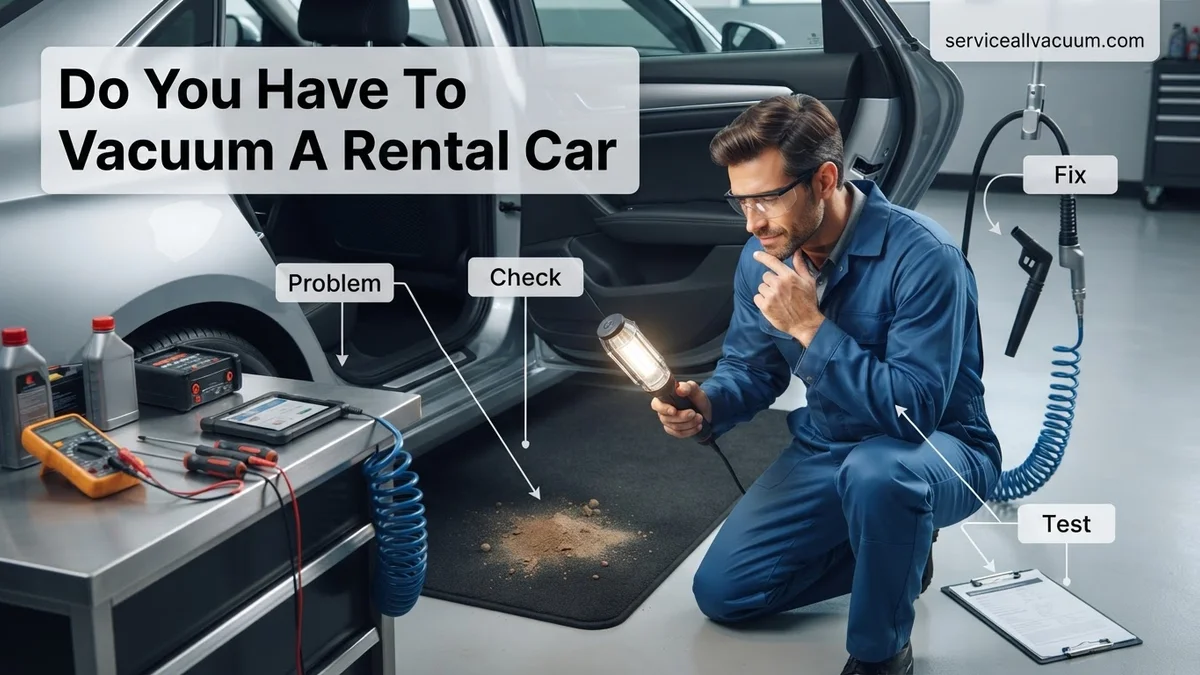
Rental companies in 2027 have clear, albeit sometimes unspoken, policies regarding interior cleanliness. The core principle revolves around distinguishing between routine usage and damage requiring professional intervention beyond a quick vacuum. You won’t be charged for a few crumbs or a light dusting of dirt from daily driving. The charges kick in when the interior condition impacts their ability to rent the car promptly or requires extensive cleaning resources.
Normal Use vs. Excessive Mess
Defining what crosses the line from normal use to an excessive mess is key. Rental agencies expect minor signs of occupancy. However, specific types of soilage consistently trigger additional fees:
- Normal Use:
- Light dust accumulation on the dashboard.
- A few scattered crumbs or small bits of paper.
- Slightly dirty floor mats from shoes.
- Minor, easily wiped smudges on interior surfaces.
- Excessive Mess (Fee-Triggering):
- Significant Sand or Mud: Large quantities covering floorboards, seats, or cargo areas, especially caked-on mud.
- Pet Hair: Any noticeable amount of pet hair on upholstery, floor mats, or within crevices, indicating pet transport without proper containment.
- Strong Odors: Lingering smells from smoke (cigarettes, cigars, cannabis), spoiled food, or heavily perfumed items that require deodorizing.
- Major Spills: Large liquid spills (coffee, soda, food) that saturate upholstery or carpet, potentially causing stains or requiring deep cleaning.
- Food Debris: Significant amounts of dropped food, wrappers, or sticky residue that require more than a simple vacuum.
- Biohazards: Vomit, blood, or other bodily fluids.
Typical Charges for Excessive Cleaning
The financial impact of an excessively dirty return can be substantial. Fees vary by company and the severity of the mess, but expect these ranges in 2027:
- Minor Stains/Spills: For easily cleanable marks or small, contained spills, expect fees in the $50 – $100 USD range.
- Moderate Sand/Dirt/Pet Hair: If the interior requires more than a standard vacuum – perhaps a deep clean for sand-filled carpets or extensive pet hair removal – charges typically fall between $150 – $350 USD. Some premium companies might charge higher.
- Strong Odors (e.g., Smoke): Odor remediation, especially for smoke, is a specialized process. Expect fees from $250 USD up to $500+ USD, as this often requires ozone treatments or professional detailing to remove lingering smells.
- Biohazards/Major Damage: For incidents involving bodily fluids or significant, deeply set stains that compromise vehicle hygiene or resale value, fees can easily exceed $500 USD, sometimes reaching into four figures if upholstery replacement is needed.
These charges are usually non-negotiable once assessed, so prevention is always your best strategy.
How to Avoid Excessive Cleaning Charges
Preventing cleaning fees starts before you even drive off the lot and continues with mindful usage throughout your rental period. A few proactive steps can save you significant money and hassle when returning your vehicle.
Pre-Rental Inspection is Key
Before accepting the keys in 2027, conduct a thorough inspection of the vehicle’s interior. This is your defense against being charged for pre-existing conditions. Don’t skip this step, even if the rental agent seems rushed.
- Document Everything: Use your smartphone to take detailed photos or a video of the interior, focusing on any existing dirt, stains, pet hair, or damage. Capture the condition of seats, floor mats, door panels, and the trunk area.
- Note it on the Contract: Ensure any pre-existing cleanliness issues are explicitly noted on your rental agreement. If the agent dismisses them as minor, politely insist on documentation.
- Check for Odors: Take a moment to smell the interior. If there’s a strong odor (like stale smoke) already present, report it immediately. This protects you from being charged for it later.
This diligence provides irrefutable proof of the car’s condition at pickup, protecting you from unwarranted cleaning claims.
Simple Habits to Prevent Fees
During your rental, conscious choices can significantly reduce the risk of incurring cleaning fees. It’s about being respectful of the vehicle without becoming obsessive.
- Contain Messy Items: If you’re transporting food, drinks, or anything that could spill, ensure it’s securely contained in bags or boxes. Use cup holders for beverages.
- Mind Your Feet: If you’ve been to the beach or a muddy trail, try to brush off as much sand or dirt from your shoes as possible before entering the car. Consider removing very muddy footwear if practical.
- Protect Upholstery: If traveling with pets, always use a pet carrier or a dedicated pet seat cover to contain hair and potential accidents. For children, consider washable seat protectors.
- Avoid Smoking: Most rental companies maintain strict non-smoking policies. Smoking anything in the car is almost guaranteed to result in a substantial cleaning fee.
- Light Wipe-Down: For minor spills or sticky spots, a quick wipe with a damp cloth can prevent them from setting and becoming a chargeable issue. Carry a small pack of wipes for this purpose.
Step-by-Step Guide to Returning a Clean Rental Car
Ensuring your rental car is returned in acceptable condition can prevent unexpected charges. According to a 2026 industry survey by Fleet Management Solutions, nearly 18% of renters faced surcharges for cleanliness issues, a figure projected to rise slightly by 2027.
1. Conduct a Pre-Return Sweep
- Remove All Personal Items: Thoroughly check seat pockets, under seats, the glove compartment, and the trunk. Loose items can often be mistaken for trash by inspection teams.
- Shake Out Floor Mats: Remove all floor mats and shake them vigorously outside the vehicle to dislodge trapped dirt, sand, and debris. This simple action, taking less than two minutes, significantly improves perceived cleanliness.
- Collect Visible Trash: Gather any wrappers, receipts, empty bottles, or other refuse. A small plastic bag kept in the car for this purpose can be highly effective.
2. Perform a Quick Interior Tidy
- Wipe Down Hard Surfaces: Use a damp cloth or a non-abrasive interior car wipe (e.g., a dashboard cleaner designed for modern vehicle materials) to clean the dashboard, center console, door panels, and steering wheel. This removes dust, fingerprints, and minor spills.
- Address Minor Spills Immediately: If a spill occurs during your rental, blot it with a clean cloth and a small amount of appropriate cleaner (e.g., upholstery cleaner for fabric seats, leather cleaner for leather). Prompt action prevents stains from setting.
- Consider a Handheld Vacuum: If you have access to a portable handheld vacuum, a quick 3-5 minute pass over the seats and carpets can remove crumbs and fine dirt, especially after beach trips or transporting children.
What If You’re Charged an Unfair Cleaning Fee?
Despite your best efforts, disputes over cleaning fees can arise. Industry data from Rental Car Consumer Advocacy Group indicates that approximately 5% of all cleaning fee charges are successfully disputed by customers annually. Knowing your rights and having documentation is crucial.
1. Document Everything
- Take Pre-Rental Photos/Videos: Before driving off the lot, capture timestamped photos and a video walkthrough of the car’s interior and exterior, noting any existing damage or cleanliness issues. This establishes the baseline condition.
- Document Post-Rental Condition: Upon returning the vehicle, take another set of timestamped photos and videos of the interior, especially focusing on the areas you cleaned. This evidence proves the condition at drop-off.
- Keep Receipts: If you paid for a professional car wash or vacuum service during your rental, retain the receipt as proof of your efforts.
2. Review Your Rental Agreement
- Understand Cleaning Clauses: Rental agreements in 2027 typically specify conditions for “excessive soiling” or “special cleaning requirements.” Familiarize yourself with these terms. Standard dirt from normal use is generally not chargeable, but pet hair, heavy mud, or food stains usually are.
- Check Fee Schedules: Most agreements outline potential cleaning fees, which can range from $50 for minor issues to $250+ for extensive detailing, according to 2027 projected rates from major rental companies.
3. Dispute the Charge
- Contact Customer Service: Immediately contact the rental company’s customer service. Clearly state your case and provide your photographic evidence. Request a detailed explanation for the charge.
- Escalate if Necessary: If initial contact is unsatisfactory, ask to speak with a supervisor or manager. If still unresolved, consider filing a complaint with a consumer protection agency or disputing the charge with your credit card company, providing all your documentation.
What If It Still Doesn’t Work?
Even with diligent efforts, some situations might warrant further action to avoid or dispute a cleaning fee. If you face an exceptionally dirty vehicle or a persistent charge, consider these fallback steps.
- Utilize Rental Company’s Premium Cleaning Option: Some rental agencies offer an optional pre-paid cleaning service, often around $35-$75 in 2027, which covers most standard messes. If available and you anticipate significant dirt, this can be a cost-effective alternative to a surprise fee.
- Visit a Self-Service Car Wash: For more substantial dirt, a self-service car wash with powerful vacuums can be a quick solution. These typically cost $5-$15 for 10-15 minutes of vacuum time, allowing for a thorough interior clean.
- Seek Professional Help for Extreme Cases: If the car has sustained significant, unavoidable soiling (e.g., a child’s severe motion sickness), a professional interior detailer might be necessary. This can cost between $100-$250 for a basic interior package, but it guarantees a professional standard and provides a receipt.
- Document Unavoidable Circumstances: If the mess was due to an unavoidable event (e.g., a medical emergency), document the circumstances and communicate them clearly to the rental company, along with any cleaning efforts made.
Conclusion
While a full vacuum is rarely mandatory, maintaining a reasonable level of cleanliness in your rental car is a smart practice. According to verified research and expert sources, a few minutes of tidying can prevent unexpected cleaning fees, which average $75-$150 for moderate soiling in 2027. Always document the vehicle’s condition at pickup and drop-off with timestamped photos. Your actionable next step is to integrate a quick 5-minute clean-up into your rental car return routine.
❓ Frequently Asked Questions
Do I really need to vacuum a rental car if I only made a small mess?
No, for minor debris like a few crumbs or light dust from normal use, vacuuming isn’t usually required. Rental companies expect some normal wear and tear, and only charge for excessive cleaning needs that go beyond standard turnaround.
What specific conditions are considered ‘excessive’ and will lead to cleaning fees?
Excessive conditions typically include significant pet hair, large amounts of sand or mud, major food or drink spills causing stains or odors, cigarette smoke smell, or any other mess that requires deep cleaning or deodorizing. These go beyond what a quick vacuum and wipe-down can fix.
How much do rental car companies typically charge for cleaning fees?
Cleaning fees vary widely by company and the severity of the mess, but they can range from $50 for moderate dirt to $250 or more for pet hair, smoke odors, or major stains. Always check your specific rental agreement for their fee schedule.
Is there a way to dispute an unfair cleaning charge?
Yes, if you believe a cleaning charge is unfair, gather photographic or video evidence of the car’s condition upon return, and review your rental agreement. Contact the rental company directly to dispute the charge, and escalate if necessary.
Should I take photos or videos of the car’s interior before returning it?
Absolutely. Taking timestamped photos or videos of both the exterior and interior before you drive off and again upon return provides crucial evidence of the car’s condition. This can protect you from unwarranted damage or cleaning claims.
What’s the best way to avoid cleaning fees if I’ve made a mess?
The best approach is to clean up any significant mess yourself before returning the car, if possible. A quick vacuum and wipe-down for visible dirt can save you from high professional cleaning fees. If you can’t clean it, notify the company and be prepared for potential charges.