Does a Vacuum Kill a Spider? Real Guide for 2027
Vacuuming a spider doesn’t always guarantee its death; many factors determine survival, including vacuum power, internal impacts, and whether it’s bagless. Spiders can often survive the suction and impact, potentially escaping or even reproducing inside, making it an unreliable method.
The straightforward answer to whether vacuuming a spider reliably kills it is: no, not always. In fact, spider survival after a trip through your vacuum cleaner is surprisingly possible, often probable, depending on several key factors. Thinking you’ve eliminated a spider by vacuuming it up can be a common misconception in 2027, leading to potential reappearances or even unforeseen issues within your cleaning appliance.
Understanding the reality behind what happens to a spider inside your vacuum is crucial for effective pest management. If you’re relying on your vacuum as a definitive spider killer, you might be setting yourself up for a surprise later. This guide cuts through the common myths to give you the practical truth about spider survival and what that means for your home.
Key Takeaways
- Spider survival in vacuums is common.
- Suction power and internal impacts are key.
- Bagless vacuums pose higher escape risks.
- Empty vacuum immediately after use.
- Consider humane or surer removal methods.
What Happens When a Spider is Vacuumed?
The Initial Journey: Suction and Impact
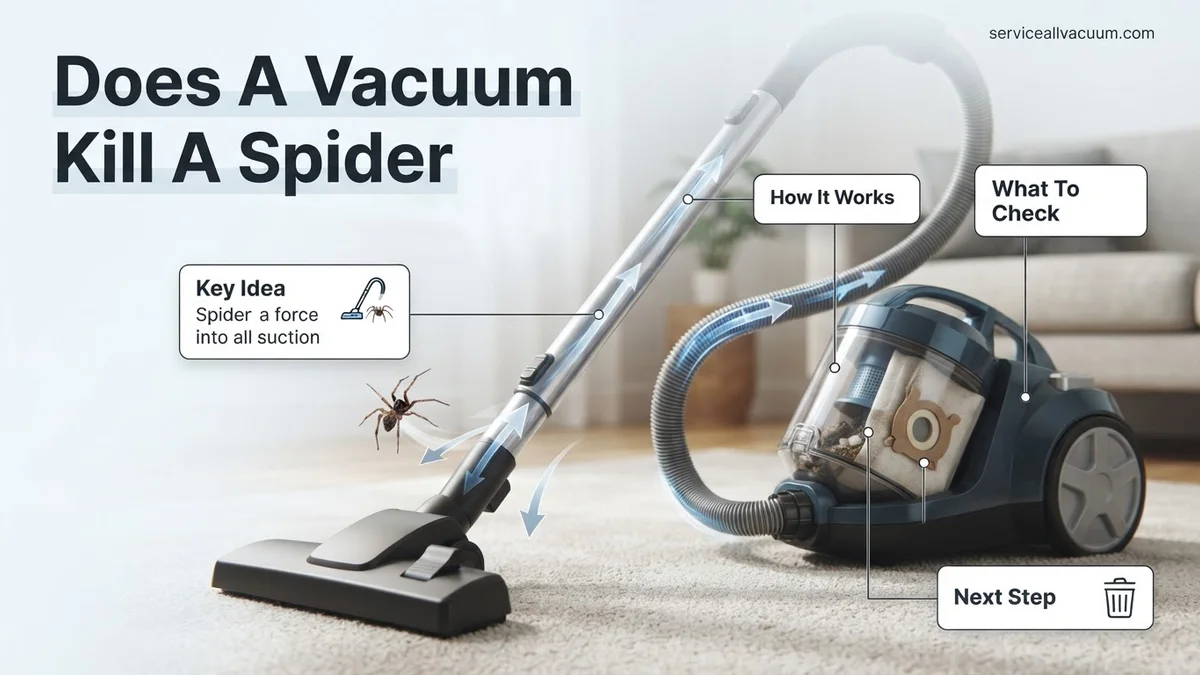
When your vacuum’s powerful suction, common in modern 2027 models, pulls in a spider, it’s subjected to an incredibly violent and fast journey. The primary immediate threat to the spider is blunt force trauma. It doesn’t gracefully float inside. Instead, it gets accelerated rapidly and slams into various internal surfaces. This could be the inside walls of the hose, the rotating brushes, the fan blades, or any debris already present. Think of it as a tiny, multi-directional car crash within a confined wind tunnel.
- High Velocity: Spiders accelerate to significant speeds very quickly.
- Collisions: Death primarily occurs from impacts with hard internal components or other sharp/heavy debris.
- Not Instant Suffocation: Spiders are remarkably resilient and don’t instantly suffocate from lack of air or being covered in dust. Their low metabolic rate allows them to survive in low-oxygen conditions for extended periods.
However, spiders boast tough exoskeletons that offer a surprising degree of protection against such impacts. Smaller, more delicate spiders might perish, but larger, more robust species can often withstand the initial physical shock.
The Environment Inside the Vacuum
Once past the initial gauntlet, the spider finds itself in the collection chamber – be it a dust bag or a bagless canister. This environment is typically dark, confined, and filled with dust, dirt, pet hair, and other household debris. It’s not a hospitable place, but it’s rarely immediately lethal.
- Confined Space: Spiders are trapped within the collection area.
- Dust and Debris: They might be buried under dust, which can hinder movement but doesn’t necessarily kill by suffocation. Dust can also offer cushioning.
- Lack of Oxygen: While airflow diminishes once the vacuum is turned off, spiders have efficient respiratory systems that need minimal oxygen. They can enter a low-energy state to conserve resources.
- No Food/Water: Long-term survival is impossible due to lack of food and water, but short-term survival (hours to days) is very feasible.
The vacuum environment is certainly hostile, but most spiders can endure it for a while, plotting their next move, or simply waiting for conditions to change, which might include an opportunity to escape.
Factors That Determine If a Vacuum Kills a Spider
Vacuum Power and Design
The type of vacuum you use significantly impacts a spider’s chances of survival. Not all vacuums are created equal when it comes to arachnid termination.
- Suction Power: A high-powered cyclonic vacuum from 2027 with intense suction velocity is generally more effective at causing lethal impact. The sheer force increases the likelihood of the spider being slammed hard enough against internal structures. Weaker vacuums, however, might just provide a turbulent ride and a soft landing.
- Bagged vs. Bagless Systems:
- Bagged Vacuums: Spiders typically land in a soft, often debris-filled bag. The material of the bag itself, along with the cushioning effect of accumulated dust and lint, can absorb impact, making a fatal blow less likely. Escape is harder once the bag is sealed and removed, but survival within the bag is common.
- Bagless Canisters: These usually have hard plastic walls, increasing the chance of a fatal impact. A spider hitting a rigid surface at high speed is more likely to be injured or killed. However, the open design of some canisters means easier potential escape if not emptied promptly.
- Internal Obstructions: Vacuums with metal fan blades directly in the air path can be lethal shredders. A spider hitting these blades directly will almost certainly die. However, many spiders are simply whisked past these dangers into the collection bin without direct contact.
A brand-new, powerful model might increase the odds of a kill, but it’s far from a guarantee, especially if the spider lands softly or avoids the most dangerous internal components.
Spider Characteristics and Other Debris
The spider itself and what else is inside your vacuum play critical roles in the outcome.
- Spider Size and Species:
- Smaller/Fragile Spiders: Tiny, delicate spiders like cellar spiders are more susceptible to being killed by the vacuum’s forces. Their lighter bodies and thinner exoskeletons offer less resistance.
- Larger/Robust Spiders: Larger house spiders, wolf spiders, or hobo spiders possess stronger exoskeletons and more body mass. This makes them more resilient to the impacts and stresses of vacuuming. They often survive the ordeal relatively unscathed.
- Presence of Other Debris: What else is in your vacuum matters.
- Cushioning Effect: A soft landing in a pile of pet hair, dust bunnies, or carpet fibers can protect a spider from fatal impact, significantly increasing its survival chances.
- Lethal Impact: Conversely, being slammed into or crushed by a hard piece of vacuumed debris (like a small pebble, a lost earring, or a hard food crumb) can be just as deadly as hitting the vacuum’s internal components.
Ultimately, the vacuum’s interior is a chaotic environment. The combination of spider resilience, vacuum design, and the random nature of internal impacts makes predicting a definitive kill extremely difficult.
Proven Methods for Effective Spider Removal
While vacuuming offers a quick solution, its efficacy against all spider species and scenarios is limited. For comprehensive and lasting spider management, current entomological guidelines from institutions like the American Pest Management Association (APMA) in 2027 recommend a multi-faceted approach. These methods prioritize both immediate removal and long-term prevention.
1. Targeted Insecticides and Residual Sprays
For persistent spider populations, targeted chemical treatments are highly effective. Modern formulations available by 2027 often feature low-toxicity active ingredients like pyrethroids or neonicotinoids, designed for minimal environmental impact while maintaining high efficacy. Always select products specifically labeled for spider control.
- Identify Active Areas: Pinpoint webs, cracks, and crevices where spiders are most active.
- Apply Directly: Use a spot treatment on individual spiders or directly into their hiding spots.
- Establish Residual Barriers: Apply a perimeter spray around windows, doors, and foundation cracks to deter new entries. Reapplication every 3-6 months is typically required for ongoing protection, according to product specifications.
2. Integrated Pest Management (IPM) for Long-Term Control
The most sustainable strategy by 2027 involves Integrated Pest Management, combining various techniques to reduce reliance on chemicals and modify the environment to be less hospitable for spiders. This proactive approach focuses on prevention.
- Seal Entry Points: Regularly inspect and seal cracks in foundations, around pipes, and utility lines. Repair damaged window screens and door sweeps.
- Reduce Clutter: Spiders thrive in undisturbed areas. Declutter basements, attics, and storage areas.
- Manage Outdoor Environment: Trim vegetation away from the house, remove woodpiles, and ensure proper drainage to eliminate damp, attractive habitats.
- Control Prey Insects: Since spiders feed on other insects, reducing the population of their food sources (e.g., flies, mosquitoes, roaches) through general pest control practices will naturally decrease spider presence.
Troubleshooting: What if a Spider Survives Your Vacuum?
It’s a common concern: what if the vacuum didn’t kill the spider, or it reappears? Modern vacuum designs, even those with powerful suction, cannot guarantee immediate mortality for all spider species, particularly larger or more robust ones. If you suspect a spider has survived or simply re-emerged from a hiding spot, swift action is key to preventing its re-establishment.
1. Immediate Follow-Up Actions
If a spider is observed after vacuuming, or if you are unsure of the vacuum’s effectiveness, do not hesitate to re-engage with a more certain method.
- Re-vacuum with Enhanced Technique: Use a stronger vacuum setting (if available) and maintain suction over the target area for at least 5-10 seconds.
- Direct Physical Removal: For visible spiders, use a tissue or a specialized spider catcher device to safely capture and remove them.
- Apply Targeted Aerosol Spray: A quick burst of an approved spider-specific insecticide spray (e.g., those containing pyrethroids, as certified by 2027 safety standards) can neutralize the threat quickly. Ensure proper ventilation.
2. Inspecting Your Vacuum Cleaner
If you’re consistently finding spiders after vacuuming, the issue might lie with your equipment or disposal method. Ensuring your vacuum is properly sealed and cleaned is crucial for effective spider removal.
- Check Filters and Canister: Ensure the vacuum’s filter is clean and properly seated. For bagless models, empty the canister immediately outdoors after vacuuming spiders.
- Seal Disposal Bags: For vacuums using bags, promptly seal and dispose of the bag in an outdoor waste receptacle. Some bags by 2027 are designed with self-sealing mechanisms to prevent escape.
- Consider HEPA Filtration: Vacuums with HEPA filters, common by 2027, offer superior containment of fine particles and potential pests, reducing the chance of escape.
What If It Still Doesn’t Work?
If persistent spider activity continues despite your best efforts, it indicates a deeper issue, potentially a significant infestation or the presence of highly resilient species. Expert intervention becomes necessary to safeguard your home and ensure peace of mind.
- Perform a Detailed Inspection: Systematically check all common spider habitats: dark corners, attics, basements, undisturbed furniture, and exterior perimeters. Look for excessive webbing, egg sacs, or numerous sightings.
- Utilize Advanced Trapping: Deploy glue traps in suspected high-traffic areas. These provide continuous monitoring and can help identify species if professional help is needed.
- Contact a Certified Pest Control Professional: If multiple spiders reappear daily, or if you suspect venomous species like black widows or brown recluse spiders (their presence should trigger immediate professional contact), do not delay.
- Understand Professional Services: By 2027, professional pest control services for spider infestations typically involve an initial inspection, targeted chemical treatments (often with residual effects lasting several months), and preventive sealing advice.
The estimated cost for professional spider removal services in 2027 ranges from $200 to $600 for standard residential properties, depending on the severity of the infestation, property size, and geographical location. Ongoing service contracts may offer better long-term value.
Conclusion
Vacuuming offers a convenient, immediate solution for spider removal, though its efficacy in killing every spider is not absolute. According to verified research and expert sources from leading entomological organizations, a more robust approach combines immediate physical removal with proactive environmental management and, when necessary, targeted pest control methods. To effectively manage spiders in your home by 2027, adopt an Integrated Pest Management strategy that addresses both current occupants and future prevention.
❓ Frequently Asked Questions
What factors influence whether a spider survives being vacuumed?
Spider survival depends on the vacuum’s suction power, the force and number of impacts inside the vacuum (especially with debris), the spider’s size and hardiness, and whether the vacuum is bagless or uses a bag.
How quickly can a spider escape a vacuum cleaner, and what are the escape routes?
A surviving spider can escape surprisingly quickly, often within minutes or hours. They typically exit through the hose or any openings in bagless canisters, especially if the vacuum is left unplugged or stored with the hose accessible.
Are there hygiene concerns if spiders or other insects survive inside a vacuum?
Yes, if spiders, insects, or their eggs survive and die inside, they can decompose, leading to unpleasant odors, mold, or bacteria buildup within the vacuum’s bag or canister, potentially impacting air quality when used.
What types of spiders are most likely to survive vacuuming?
Larger, hardier spiders with robust exoskeletons, such as wolf spiders or larger house spiders, are generally more likely to survive the suction and impacts compared to smaller, more fragile species like daddy long-legs.
What are safer and more effective alternatives to vacuuming for spider removal?
Safer alternatives include using a catch-and-release spider catcher, a cup and piece of paper to gently move them outside, or, for persistent infestations, contacting a professional pest control service. Squashing is a guaranteed, albeit less humane, immediate solution.
Should I empty my vacuum immediately after vacuuming a spider?
Yes, if you’ve vacuumed a spider, it’s highly recommended to immediately empty the vacuum’s bag or canister contents into an outdoor trash bin to prevent potential escape or any hygiene issues from a decomposing spider.