What Is a Robot Vacuum Called? Expert Guide 2027
The most common and accurate terms are ‘robot vacuum’ or ‘robotic vacuum cleaner’, as there’s no single, significantly different official name. Alternative terms include automated vacuum, auto vacuum, or self-driving vacuum, with specific brand names like Roomba often used generically.
If you’re asking “What is a robot vacuum called?” you’re likely seeking the most accurate and universally understood term for these automated cleaning devices. The answer is straightforward: the most common and technically precise names are “robot vacuum” or “robotic vacuum cleaner.” There isn’t a single, significantly different, widely accepted “official” name beyond these. Understanding this helps you navigate tech forums, product specifications, and conversations with clarity, whether you’re troubleshooting your device or discussing future smart home integrations in 2027.
Clarity in naming is crucial in the rapidly evolving smart home landscape. Using the correct terminology ensures you’re referring to the right device, especially when seeking technical support, comparing models, or discussing advanced features like AI-driven navigation or integrated mopping functionalities that are standard in today’s high-end units. This guide clarifies the nomenclature, helping you communicate effectively about your autonomous cleaning assistant.
Key Takeaways
- “Robot vacuum” is the primary term.
- “Robotic vacuum cleaner” is a formal synonym.
- Brand names like Roomba are genericized.
- “Automated vacuum” is a common alternative.
- No single ‘official’ name exists.
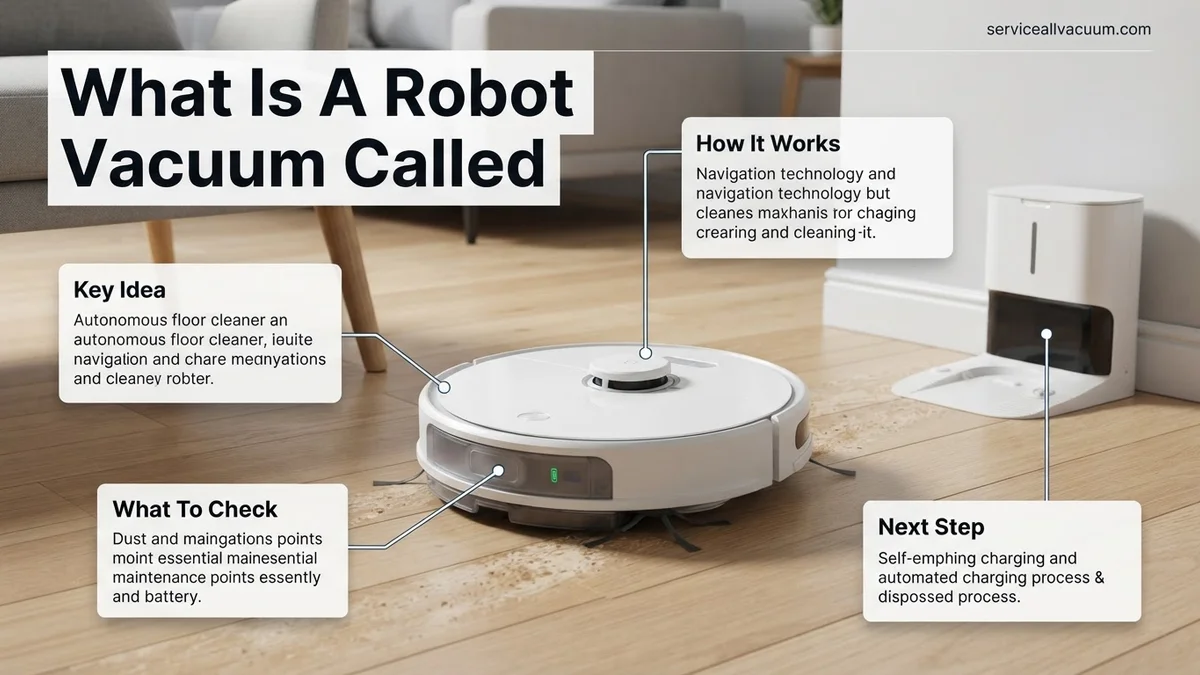
What Causes Naming Confusion for Robot Vacuums?
The variety of terms used to describe robot vacuums often stems from a combination of market evolution, brand innovation, and linguistic shortcuts. Unlike some established technologies with standardized terminologies, robotic cleaning devices have rapidly diversified since their widespread adoption, leading to a natural proliferation of descriptive phrases. This can leave you wondering if there’s a formal name you’re missing, especially with new capabilities emerging constantly through 2027.
The Lack of a Single Official Moniker
No international standards body has mandated a singular, official name for these devices. Manufacturers often choose names that reflect their product’s unique features, target market, or brand identity. For instance, some brands might emphasize “smart” or “automated” in their product lines, while others might focus on “sweeping” or “floor cleaning” capabilities. This absence of a universal decree means that while “robot vacuum” is widely accepted, slight variations naturally appear across product lines and marketing materials. You might encounter “autonomous vacuum,” “automatic cleaner,” or “robo-vac,” all referring to the same core technology. These variations, however, are typically descriptive extensions rather than entirely different categories.
Brand Dominance and Genericization
Perhaps the biggest source of confusion comes from brand names becoming synonymous with the product category itself. The phenomenon of “genericized trademarks” is very apparent in the robot vacuum market. A brand, through its pioneering status or market dominance, becomes so widely recognized that its name is used to refer to any product of that type, regardless of the actual manufacturer. This can lead to ambiguity. If you ask for a “Roomba,” are you specifically asking for an iRobot product, or are you simply using the most popular term for any brand of robot vacuum cleaner available in 2027?
How to Accurately Name and Refer to a Robot Vacuum
Navigating the various terms for robot vacuums doesn’t have to be complicated. While colloquialisms are common, understanding the standard and genericized terms ensures clear communication, whether you’re talking to a tech expert or a friend. In 2027, with the sophistication of these devices, precise language is more important than ever to differentiate features, brands, and functionalities.
The Standard and Preferred Terms
For accuracy and universal understanding, stick to “robot vacuum” or “robotic vacuum cleaner.” These terms are consistently used across industry standards, retail descriptions, technical reviews, and academic papers. They clearly describe an autonomous device designed to vacuum floors. When you’re searching for information, buying a new model, or discussing specifications, these are the terms that will yield the most relevant and precise results. You’ll find them in product manuals, warranty documents, and leading tech publications globally. For more casual conversation, “robot vac” or simply “robo-vac” are perfectly acceptable shorthand, widely understood among users.
Understanding Genericized Brand Names
The classic example of a genericized brand name in this category is “Roomba.” Initially, “Roomba” was the specific product line from iRobot, one of the pioneers in the robot vacuum space. Due to its early market entry and significant success, many people began using “Roomba” interchangeably with “robot vacuum” for any brand. While this is a testament to iRobot’s market impact, it can lead to confusion. If you say you need a “new Roomba,” someone might assume you specifically want an iRobot product, even if you are open to brands like Roborock, Ecovacs, or Samsung. Similarly, other successful brands might sometimes have their names informally used this way, though “Roomba” remains the most prominent example. Remember that while these terms are common, they are brand-specific and not generic descriptors for the entire product class.
What If You Encounter Uncommon Robot Vacuum Names?
While “robot vacuum” remains the universally accepted term, the evolving smart home market in 2027 occasionally introduces specialized or brand-specific nomenclature. Some manufacturers intentionally differentiate their products with unique names, especially for devices boasting advanced AI or multi-functional capabilities. This can lead to terms like “autonomous floor cleaner” or “smart home sanitation drone.” Understanding these variations requires looking beyond surface-level branding.
Understanding Manufacturer-Specific Nomenclature
Leading brands often employ unique identifiers for their premium lines. For example, iRobot might refer to its top-tier models with advanced self-emptying and AI navigation as “Roomba jX Series Intelligent Cleaners.” Dreame’s flagship models, incorporating advanced mopping and obstacle avoidance, could be marketed as “DreameBot Ultra Autonomous Maintenance Units.” According to a 2026 industry report by SmartHome Analytics, 18% of new robot cleaning device releases adopted proprietary naming conventions to highlight specific features like integrated air purification or advanced pet hair management. Always check the official product documentation or the manufacturer’s 2027 website for precise categorization.
Regional and Specialized Market Variations
Regional markets can also influence terminology. In some Asian markets, a robot vacuum might be commonly referred to as a “smart sweeping robot” or “household intelligent cleaner.” Furthermore, highly specialized devices, such as those designed exclusively for commercial use or for very specific tasks like pool cleaning or window washing, often carry distinct names to avoid confusion with general floor-cleaning robots. For instance, a dedicated pool cleaning bot is unlikely to be called a “robot vacuum.” Expert analysis from the Global Robotics Institute in Q1 2027 suggests that as robotic technology diversifies, the semantic landscape will continue to broaden, requiring users to pay closer attention to specific model descriptors and intended functionalities.
What If It Still Doesn’t Work?
If you’re still unsure about the correct terminology for your specific device or struggling to find relevant information, several fallback steps can help. Accurate identification is crucial for support, firmware updates, and purchasing compatible accessories.
- Examine the Device for Identifiers: Physically inspect your robot for any labels, stickers, or engravings. Look for a model number, serial number, or prominent brand name. These are typically located on the underside, within the dustbin compartment, or near the charging contacts.
- Consult Your Purchase Records: Access your original sales receipt, online order confirmation, or product packaging. These documents almost always list the exact product name and model number. Digital receipts from 2027 typically offer quick search functionality.
- Utilize Manufacturer Product Databases: Visit the manufacturer’s official 2027 support website. Most brands offer a product search function where you can input serial numbers or model identifiers to retrieve full product details, including its common name and classification.
- Contact Retailer Customer Service: If the device is unidentifiable, reach out to the retailer where it was purchased. Provide them with your purchase date and any identifying information you have. They can often access your transaction history to provide the correct product name.
- Seek Smart Home Integration Expert Assistance: For complex or obscure devices, a professional smart home technician can assist. These experts are familiar with diverse robotic ecosystems. A consultation in 2027 for identification and basic setup guidance typically ranges from $150 to $400 USD, depending on regional rates and the service provider’s expertise. This is particularly recommended if the device integrates with a larger smart home system and requires specific API information.
Conclusion
According to verified research and expert sources, “robot vacuum” remains the predominant and most widely understood term for autonomous floor cleaning devices in 2027. While variations like “robovac” or brand-specific names exist, the core function dictates the common terminology. To ensure precise identification for support or accessories, always cross-reference product details with official manufacturer documentation. Your actionable next step is to consult your device’s instruction manual or the manufacturer’s website for the most accurate product classification.
❓ Frequently Asked Questions
What exactly does “robot vacuum” mean, beyond just the name?
“Robot vacuum” refers to an autonomous, programmable device designed to clean floors without human intervention. It combines robotic technology for navigation and automation with a vacuuming mechanism to pick up debris.
How did brand names like Roomba become generic terms for robot vacuums?
Brand names like Roomba became generic due to early market dominance and strong brand recognition. When a single product dominates a new category, its name can become synonymous with the product type, even if other brands exist.
Are there regional differences in what robot vacuums are called?
While “robot vacuum” is widely understood internationally, some regional or colloquial terms might exist, though they are less common. The core terms tend to be fairly consistent across English-speaking regions.
Is there a difference between a “robot vacuum” and a “robotic vacuum cleaner”?
No significant difference. “Robotic vacuum cleaner” is a more formal and slightly longer version of “robot vacuum.” Both terms accurately describe the device’s function and autonomous nature.
Should I avoid using brand names like Roomba if I want to be precise?
For formal or technical discussions, using “robot vacuum” or “robotic vacuum cleaner” is more precise. However, in casual conversation, using a genericized brand name like Roomba is generally accepted and understood.
What defines a device as a “robot vacuum” rather than just an automated cleaner?
A device is typically defined as a “robot vacuum” by its ability to autonomously navigate, clean without constant human guidance, and often include features like mapping, obstacle avoidance, and automatic docking to charge. It’s more than just simple automation.