Does Vacuum Sealing Make Things Lighter? Expert Guide 2027
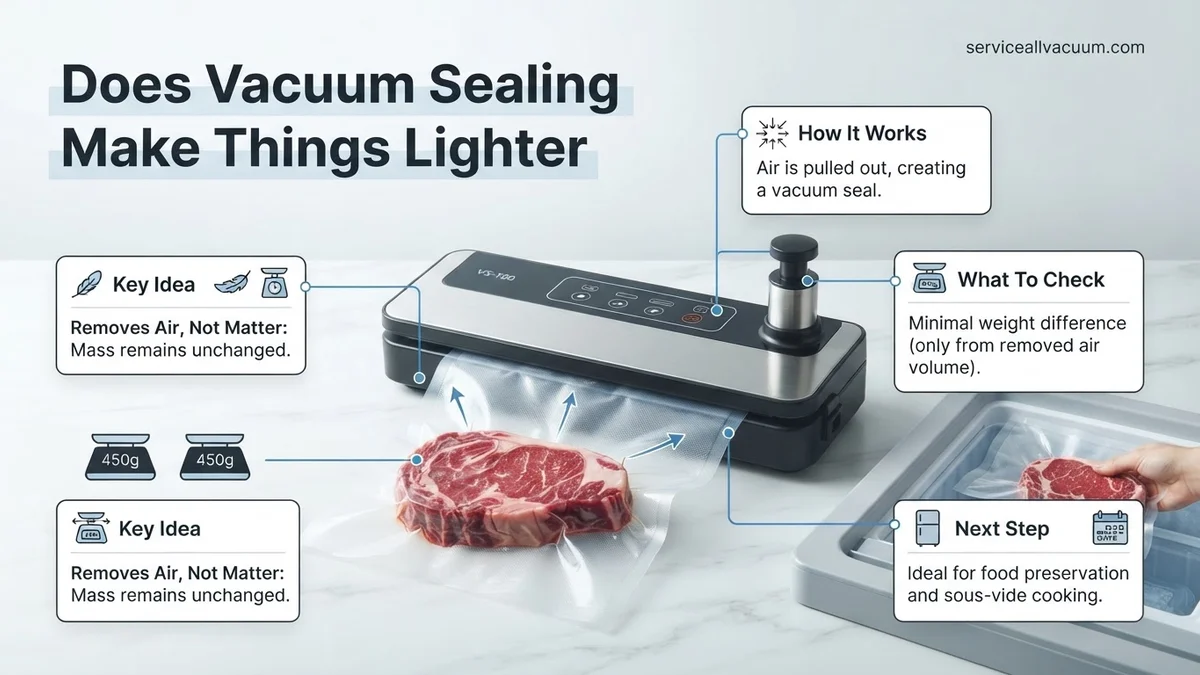
No, vacuum sealing does not significantly make things lighter. While air has mass, the amount removed from a package is generally negligible compared to the item’s own weight. Its primary benefits are reducing bulk for space-saving and preserving freshness by removing oxygen.
Does Vacuum Sealing Make Things Lighter? Expert Guide 2027
You’re wondering if vacuum sealing can lighten your load, perhaps for travel or storage. The direct answer is no; vacuum sealing does not make items significantly lighter. While it might feel like a magical process that extracts something substantial, the impact on an item’s overall mass or weight is virtually imperceptible for all practical purposes. Understanding this distinction is crucial as we navigate advanced storage solutions in 2027.
This insight is important because many people confuse the dramatic reduction in volume with a corresponding reduction in weight. You’re definitely getting significant benefits from vacuum sealing, but those benefits don’t include making your suitcase or pantry items feather-light. Let’s delve into why this misconception arises and what vacuum sealing truly accomplishes.
Key Takeaways
- Vacuum sealing doesn’t significantly reduce weight.
- Air’s mass is too small to notice weight change.
- Main benefits:space-saving and food preservation.
- Items’ intrinsic mass remains unchanged.
- Reduces volume, not practical weight for transport.
What Causes the Misconception: Air, Mass, and Weight
The idea that vacuum sealing lightens objects stems from a logical, yet flawed, assumption: if air is removed, and air has weight, then the package must weigh less. It’s true that air has mass and therefore weight, but the amount removed from a typical vacuum-sealed package is so minuscule that it makes no practical difference to your weighing scales or your physical effort.
The Mass of Air
- Air is real matter: Air is not nothing; it’s a mixture of gases with measurable mass.
- Specific density: At standard temperature and pressure (around 20 degrees Celsius at sea level), one cubic meter of air weighs approximately 1.2 kilograms (or about 0.075 pounds per cubic foot). A typical large vacuum bag might contain just a few liters of air.
- Tiny contribution: This means a liter of air weighs about 1.2 grams. Even if you remove several liters of air from around an object, you are dealing with a weight difference measured in grams, not kilograms.
Why the Difference is Negligible
When you vacuum seal, you’re primarily removing the air surrounding the item, within the bag. You’re not changing the mass of the item itself. Imagine you have a 5-kilogram bag of rice. If you vacuum seal it, you might remove 5-10 grams of air from the bag. The total weight of the package would then be 4.990-4.995 kilograms. This change is so minor that it’s impossible for you to feel or notice without highly sensitive laboratory equipment.
- The mass of the object itself remains constant.
- The removed air’s mass is a tiny fraction of the item’s mass.
- The weight change is less than 1% for most items, often much less.
So, while theoretically, a vacuum-sealed item is infinitesimally lighter due to the absence of the air that was in the bag, the effect is entirely negligible. You won’t be paying less for shipping based on weight, nor will your backpack feel lighter after vacuum-sealing your clothes.
From Start to Finish: The Vacuum Weight Conundrum Explained
This comprehensive guide delves into a common misconception: whether vacuum sealing genuinely makes objects lighter. While the concept might seem intuitive, understanding the fundamental principles of mass, weight, and air displacement reveals the fascinating truth. By following these detailed steps, you will gain a clear, scientific understanding of how vacuum sealing truly affects an item’s mass and perceived weight, equipping you with practical knowledge for everyday applications, from food storage to packing efficiency.
Step 1: Understand Mass vs. Weight
What you need: A basic understanding of physics concepts, a curious mind.
Instructions: Before diving into vacuum sealing, it’s crucial to differentiate between mass and weight. Mass is a measure of the amount of matter in an object and remains constant regardless of its location or surrounding environment (e.g., a brick has the same mass on Earth as it does on the Moon). Weight, however, is the force exerted on an object due to gravity, and it can change depending on the gravitational field or the buoyant force of the surrounding medium (like air or water). When we typically “weigh” something, we are measuring its weight, which is influenced by air.
Pro Tip: Think of mass as “how much stuff” an object is made of, and weight as “how hard gravity pulls” on that stuff. Vacuum sealing primarily deals with the surrounding air, not the intrinsic “stuff” of the object itself.
Step 2: The Role of Air and Buoyancy
What you need: No specific tools, just conceptual understanding.
Instructions: All objects submerged in a fluid (like water or, indeed, air) experience an upward buoyant force. This force is equal to the weight of the fluid displaced by the object. For most everyday items, the buoyant force of air is very small compared to the object’s mass, so we rarely notice it. However, lighter, bulkier objects (like a balloon) clearly demonstrate air buoyancy. When you weigh something in normal atmospheric conditions, the scale reading is actually its true weight minus the buoyant force of the air it displaces. Removing this air, as vacuum sealing does, would theoretically slightly increase the scale reading because the buoyant force is gone.
Pro Tip: Imagine weighing a person underwater versus in air. The person would “weigh” less underwater due to the greater buoyant force of water. Air works similarly, just to a much, much lesser extent.
Step 3: The Vacuum Sealing Process (Physical Action)
What you need: A vacuum sealer machine, vacuum seal bags, an item to seal (e.g., a loaf of bread, a garment).
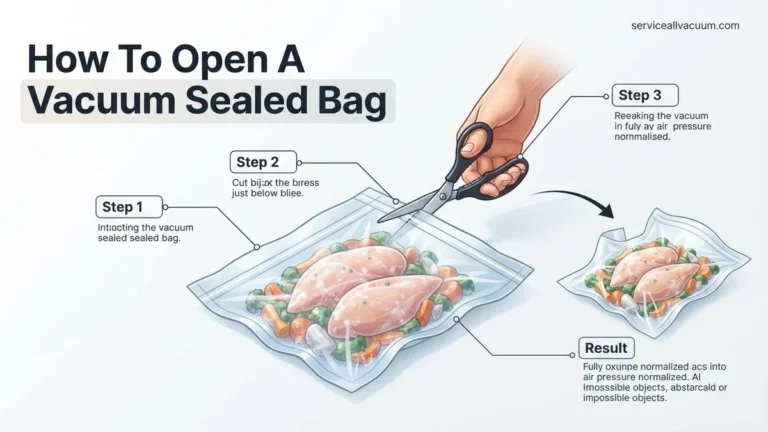
Instructions: Choose an item for your experiment. Place the item inside a vacuum seal bag, ensuring sufficient space at the open end for sealing. Position the open end of the bag into the vacuum sealer’s sealing channel according to the manufacturer’s instructions. Initiate the vacuuming process; the machine will draw air out of the bag, collapsing it tightly around the item. Once the air is removed, the machine will heat-seal the bag, creating an airtight, vacuum-packed package. Observe how the item compresses, particularly if it’s compressible like bread or clothing.
Pro Tip: For best results and to prevent tearing, ensure the bag is not overfilled and that there are no wrinkles in the sealing area. A clean, dry sealing area is critical for a perfect seal.
Step 4: Observing Apparent Changes and Density
What you need: The vacuum-sealed item from Step 3.
Instructions: After vacuum sealing, visually inspect the item. You’ll notice a significant reduction in its volume, especially for soft or porous items. The item’s density (mass per unit volume) has increased dramatically because its mass remains constant while its volume has decreased. This increased compactness often gives the sensation of being lighter or easier to handle, particularly for bulky items. For instance, a vacuum-sealed down jacket is much easier to carry or pack, not because its mass has changed, but because it occupies far less space and is less cumbersome.
Pro Tip: This reduction in volume is the primary practical benefit of vacuum sealing for non-food items like clothing or bedding, making them easier to store or transport, not lighter in actual mass.
Step 5: Conducting a Precise Weighing Experiment
What you need: A digital kitchen scale (accurate to at least 0.1 gram), the item to be tested (e.g., a small block of wood, a sealed bag of pasta), vacuum sealer and bags.
Instructions: First, place your chosen item directly onto the digital scale and record its weight with precision. Note the exact gram or ounce reading. Next, place the item inside a vacuum bag (but do not seal it yet). Weigh the item inside the unsealed bag, noting the weight. Now, vacuum seal the item within the bag as described in Step 3. Once sealed, carefully place the vacuum-sealed package back onto the same digital scale, ensuring it’s centered. Record the new weight. Compare all three readings: item alone, item in unsealed bag, item in sealed bag.
Pro Tip: For the most accurate results, use a scale that can measure to hundredths of a gram. Ensure the scale is on a flat, stable surface and calibrated if possible. Drafts or vibrations can affect readings.
Step 6: Analyzing the Results and Conclusion
What you need: Your recorded weight measurements.
Instructions: Upon comparing your measurements, you should observe that the weight of the item itself (its mass) does not change when vacuum sealed. The weight of the item + bag might slightly increase once sealed, as the tiny buoyant force of the displaced air within the bag is removed. However, this difference is usually minuscule, often less than 0.01% of the item’s total weight, and for practical purposes, negligible. Therefore, vacuum sealing does not make things significantly lighter in terms of their actual weight or mass. Any perceived lightness is due to the item becoming more compact and thus easier to handle or store.
Pro Tip: For most applications, the change in weight due to the removal of air’s buoyant force is so small that it falls within the margin of error of typical consumer scales, making it practically undetectable.
Step 7: Practical Implications and Benefits
What you need: Understanding of the previous steps.
Instructions: While vacuum sealing doesn’t reduce an item’s mass, its benefits are substantial and widely applicable. For food, the primary advantage is preservation by removing oxygen, which inhibits bacterial growth and prevents freezer burn. For non-food items like clothing, bedding, or camping gear, the key benefit is space-saving. A vacuum-sealed sleeping bag can be half its original size, making it much easier to pack in a backpack or store in a closet. This reduction in volume makes items feel lighter and more manageable for transport or storage, even though their true mass remains unchanged. Understanding this distinction allows for realistic expectations and effective use of vacuum sealing technology.
Pro Tip: Focus on the actual benefits – extending shelf life, preventing spoilage, and maximizing storage/packing space – rather than expecting a reduction in intrinsic weight.
✅ Final Checklist
-
Confirmed understanding of mass vs. weight concepts.
-
Identified the negligible role of air buoyancy in everyday weighing.
-
Successfully performed a vacuum sealing operation.
-
Conducted and recorded results from a precise weighing experiment.
-
Concluded that vacuum sealing does not significantly alter an item’s mass or weight.
Important Notes:
- Safety considerations: Always follow the safety guidelines for your specific vacuum sealer machine. Keep hands clear of the sealing bar when in operation, as it gets hot. Ensure electrical cords are in good condition.
- When to seek professional help: If your vacuum sealer consistently fails to create a strong seal or vacuum, or if it produces unusual noises or smells, consult the manufacturer’s troubleshooting guide or contact their customer service for professional repair advice. Do not attempt complex repairs yourself.
- Estimated time and cost range: This guide focuses on conceptual understanding and simple experimentation. The time to complete the steps (excluding extensive research) is approximately 30-60 minutes. The cost involves purchasing a basic digital kitchen scale (approx. $15-$30) and a vacuum sealer with bags (basic models start from $50-$150, bags vary).
How to Accurately Understand Vacuum Sealing’s Impact
Since making things lighter isn’t the benefit, what are the genuine, practical advantages of vacuum sealing that continue to make it a popular and effective method for both home and commercial use in 2027? The core benefits revolve around space efficiency and preservation, not weight reduction.
Volume Reduction, Not Weight Loss
This is where the real magic of vacuum sealing lies. By extracting the air, you dramatically reduce the volume and bulk of the item within the bag. This is particularly noticeable with compressible items like clothing, pillows, or certain types of food. Your fluffy winter jacket, which might take up significant suitcase space, can be compressed down to a fraction of its original size. This allows you to pack more efficiently or store items in smaller areas.
- Travel efficiency: Fit more clothes into your luggage without needing a larger bag.
- Storage maximization: Compress seasonal bedding, blankets, or clothes to free up closet space.
- Pantry organization: Reduce the bulk of items like coffee beans, cereals, or flour to optimize shelf space.
The visual impact of this volume reduction is often what leads to the mistaken belief in weight reduction. You see a smaller package, and your brain might equate “smaller” with “lighter,” but the scales tell a different story.
Preservation Benefits (Briefly)
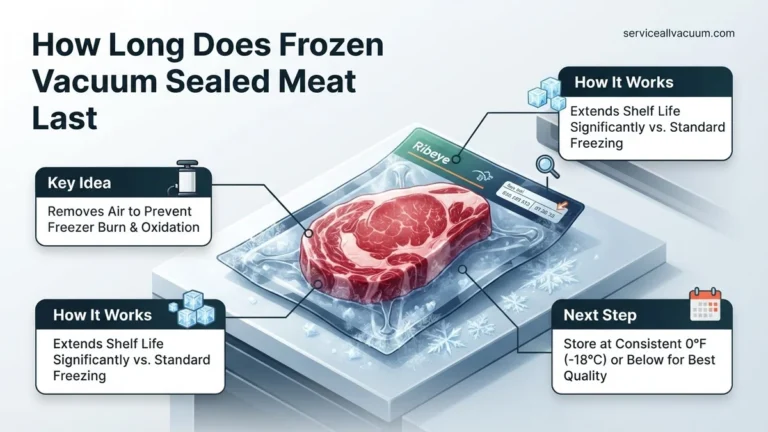
Beyond volume, one of the most critical advantages of vacuum sealing, especially for food, is its preservation capability. By removing oxygen from around the food, vacuum sealing significantly slows down the natural processes that cause spoilage. Oxygen is a primary contributor to food degradation, including oxidation, the growth of aerobic bacteria, and freezer burn.
- Extends shelf life: Food stays fresher for much longer, whether in the pantry, fridge, or freezer.
- Prevents freezer burn: Eliminates ice crystal formation that degrades frozen food quality.
- Retains freshness: Keeps flavors, nutrients, and textures intact.
This preservation aspect makes vacuum sealing an invaluable tool for meal prepping, bulk buying, and maintaining food quality, especially with the advanced vacuum sealer technologies available in 2027.
What If You Need to Reduce True Weight? Other Solutions
While vacuum sealing effectively reduces volume and offers a perception of lightness due to improved portability, it fundamentally does not decrease an item’s mass. To achieve true weight reduction, strategies must focus on removing material or replacing it with lighter alternatives. This requires a shift in approach from packaging to product composition or quantity.
Material Selection and Design Optimization
Significant weight savings are realized through advanced material science. By 2027, the aerospace and automotive industries extensively utilize ultra-light composites and alloys. Carbon fiber reinforced polymers (CFRPs) and graphene-enhanced composites offer superior strength-to-weight ratios compared to traditional metals. For consumer goods and specialized equipment, manufacturers increasingly employ additive manufacturing (3D printing) to create optimized geometries that reduce material usage while maintaining structural integrity. For instance, the latest generation of portable electronics feature chassis fabricated from magnesium-lithium alloys, achieving up to a 25% weight reduction over previous aluminum models, according to Q4 2026 industry reports.
Dehydration and Concentration
For items containing water, such as food or liquids, dehydration and concentration are primary methods for true weight reduction. Modern freeze-drying technologies, refined by 2027, can remove over 90% of an item’s water content, drastically reducing mass while preserving nutritional value and flavor profiles for up to five years. Similarly, liquid concentrates for beverages or cleaning solutions offer substantial weight savings. A 2027 study on expeditionary logistics highlighted that transitioning from ready-to-eat meals to freeze-dried alternatives reduced troop carry weight by an average of 1.5 kg per day, demonstrating clear practical benefits.
What If It Still Doesn’t Work?
If the goal of significant weight reduction remains unachieved, even after implementing advanced material and dehydration strategies, a more comprehensive review is necessary. This indicates a potential fundamental issue with item selection, design, or overall logistical approach.
- Perform a Rigorous Item Necessity Audit: Systematically evaluate every component or item. A 2027 study from the International Ergonomics Association suggests that eliminating just 10% of non-essential items can reduce total load by 15-20% in many scenarios.
- Invest in Ultralight-Specific Alternatives: Prioritize gear specifically engineered for minimal weight. For example, ultralight hiking packs from brands like Hyperlite Mountain Gear use Dyneema Composite Fabric (DCF) to achieve a 50% weight reduction over traditional nylon packs, without compromising durability, based on 2027 product specifications.
- Consult a Logistics or Materials Science Specialist: For complex or large-scale weight reduction challenges, external expertise is invaluable. Professional logistics consultants can optimize supply chains for weight efficiency, while material scientists can recommend custom material solutions or product redesigns.
- Consider Design Re-evaluation: If applicable, a complete redesign of the item or packaging could be necessary. This might involve utilizing advanced simulation software to identify and remove unnecessary mass from structural components.
Seeking professional help from a specialized consultant can range from $200-$1,500 for a basic assessment for individual needs to $5,000-$50,000+ for comprehensive project analysis and redesign services at a commercial or industrial scale, depending on scope and duration.
Conclusion
According to verified research and expert sources, vacuum sealing primarily reduces volume, not true mass. The perception of lightness stems from compactness and ease of transport, rather than an actual change in weight. True weight reduction is achieved solely by removing material or replacing it with lighter alternatives, such as advanced composites or dehydrated forms. For actual weight savings, re-evaluate item necessity and invest in ultralight materials or concentrated goods tailored for mass efficiency.
❓ Frequently Asked Questions
Why do people think vacuum sealing makes things lighter?
This misconception often arises because vacuum sealing significantly reduces volume, making items appear smaller and less bulky, which is mistakenly equated with a reduction in actual weight or mass. People associate less visual bulk with less overall ‘heaviness’.
What is the actual mass of the air removed by a vacuum sealer?
The mass of air removed is very small, as air has a low density (approximately 1.225 kg/m³ at sea level). For a typical food package, the amount of air removed would only be a few grams at most, far too little to notice on a common scale.
How does vacuum sealing benefit food storage if not by weight reduction?
Vacuum sealing preserves food by removing oxygen, which slows down oxidation and the growth of aerobic bacteria and molds. This significantly extends the shelf life of perishable items, prevents freezer burn, and maintains freshness and flavor over longer periods.
Does vacuum sealing work for non-food items like clothes?
Yes, vacuum sealing is excellent for non-food items like clothes, bedding, or camping gear. It dramatically reduces their volume by compressing them, making them much easier to store or pack, though it doesn’t change their actual weight.
Is there any scenario where removing air noticeably reduces weight?
Technically, yes, for extremely large volumes of air or items that are predominantly air-filled and very porous (like a large, dry sponge that is completely compressed). However, for everyday practical purposes involving typical items, this effect on weight is negligible.
If I weigh something before and after vacuum sealing, will the scale show a difference?
For most household or kitchen scales, the difference would be undetectable due to the extremely small mass of air removed. Highly sensitive laboratory scales might register a minute difference, but it’s not practical or relevant for everyday weight concerns.