Best Dog Poop Vacuum for Yard 2027 Expert Buying Guide
Finding the best dog poop vacuum for your yard can transform cleanup. This guide helps you identify top models and crucial features like suction power and battery life, ensuring a cleaner outdoor space. Make an informed decision to simplify yard maintenance.
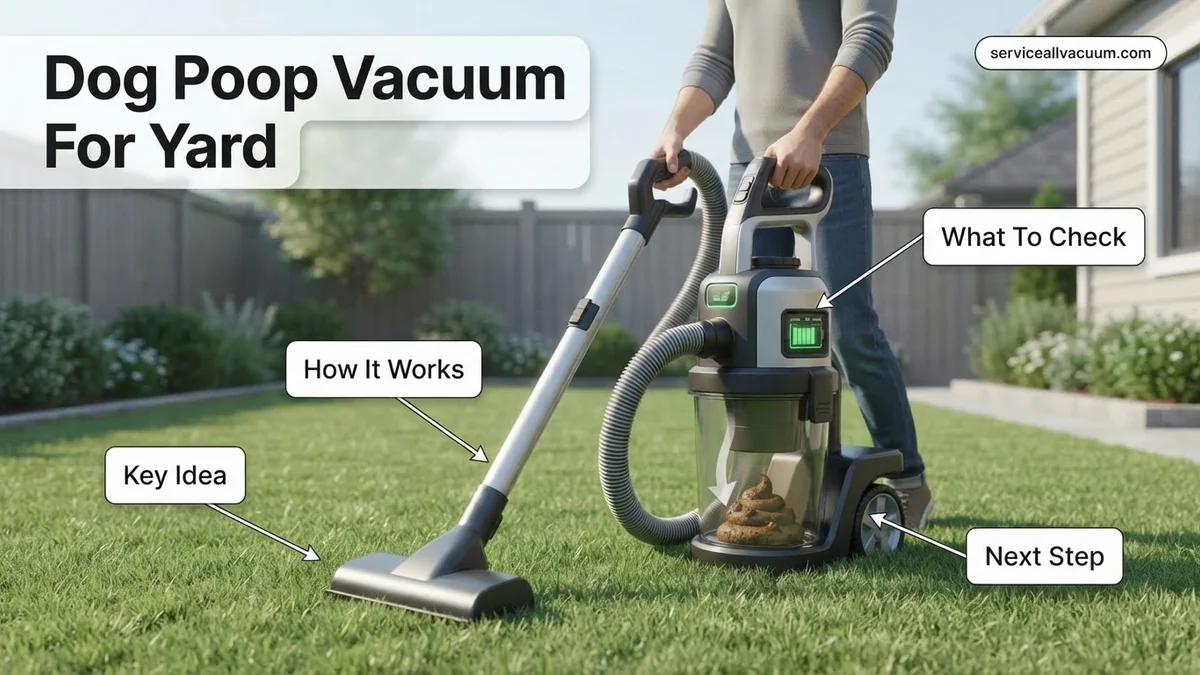
Finding the ultimate dog poop vacuum for your yard in 2027 means cutting through the noise to identify units that genuinely perform. You need a device that handles the mess efficiently, hygienically, and without hassle, transforming a dreaded chore into a quick task. This guide cuts directly to what matters: which vacuums are truly effective and what features define a top-tier model for your specific needs.
Investing in the right dog poop vacuum saves you significant time, prevents back strain, and keeps your yard impeccably clean. The technology has advanced considerably, offering powerful, specialized solutions that go far beyond basic scooping, ensuring your outdoor space remains a pleasant, sanitary environment for both humans and pets.
Key Takeaways
- Prioritize suction strength for effective waste removal on varied surfaces.
- Choose cordless models for maximum yard maneuverability and ease.
- Consider waste capacity to match your dog’s size and yard area.
- Evaluate ease of cleaning and maintenance for long-term usability.
- Invest in durable materials for outdoor conditions and longevity.
What Makes Yard Dog Poop Cleanup So Challenging?
The Inefficient Scoop-and-Bag Routine
Traditional scooping methods are inherently inefficient and often unsanitary. You’re bending, scraping, and often missing smaller, camouflaged pieces, especially in varied grass lengths or uneven terrain. This manual approach exposes you directly to the waste, increasing the risk of contamination and lingering odors. It’s a repetitive, time-consuming chore that provides inconsistent results, leaving your yard less than perfectly clean and often contributing to unsightly brown spots where waste was partially removed or smeared.
Furthermore, the physical strain of constantly bending and maneuvering a scoop can be significant, particularly for those with back issues or larger yards. In 2027, relying solely on a shovel and bag feels archaic when advanced solutions are readily available to automate and streamline this unpleasant necessity.
Varied Terrain and Waste Consistency
Yard conditions are rarely uniform, which compounds the challenge for manual cleanup. A firm stool on a concrete patio is one thing; a softer deposit hidden deep within thick Fescue grass, or spread across gravel, is an entirely different problem. Traditional scoopers struggle to collect soft waste without smearing it, and they often leave behind residue or fragments when dealing with uneven surfaces. Organic debris like leaves or twigs can also complicate scooping, making it difficult to isolate the waste.
A true yard dog poop vacuum must contend with these variables, offering consistent suction and collection regardless of the environment or the waste’s consistency. It needs to lift, rather than smear, and operate effectively across diverse landscapes without clogging or losing efficiency, a benchmark many older or non-specialized vacuums fail to meet.
How to Fix It: Step-by-Step Guide to Choosing Your Dog Poop Vacuum
Suction, Capacity, and Power: The Core Three
When selecting a dog poop vacuum in 2027, three fundamental elements dictate performance:
- Suction Strength: This is paramount. You need more than just general debris suction. Look for models specifically engineered to lift dense, often moist, semi-solid waste without smearing or clogging. Advanced impeller designs in 2027 models minimize internal blockages, and some offer variable suction controls to adapt to different waste consistencies. Prioritize units with high air watts or CFM ratings specifically noted for wet/dry or pet waste applications.
- Waste Capacity: Match this directly to your yard size and dog count. A small urban yard with one small dog might suffice with a 1-gallon unit, but a multi-dog household on an acre needs 3-5 gallons, minimum. Larger capacity means fewer emptying cycles, saving significant time during cleanup.
- Power Type & Battery Life (Cordless): Corded vacuums offer unlimited power, ideal for consistent routines or larger yards if outdoor outlets are accessible. Cordless units provide unparalleled freedom. In 2027, premium cordless models offer 45-75 minutes of run time on a single, quick-charge lithium-ion battery, often with swappable battery packs for extended use. Evaluate your yard size and typical cleanup duration to decide if corded or cordless, or a combination, best suits your needs.
Durability, Maneuverability, and Cleanup Ease
Beyond raw power, practical considerations ensure long-term satisfaction with your investment:
- Build Quality & Durability: Your yard vacuum will face exposure to elements like sun, rain, mud, and occasional bumps. Seek out robust, UV-resistant plastics and rust-proof metal components. Reinforced hoses and wide-mouth nozzles are less prone to cracking or clogging, ensuring longevity. Look for sealed motors for protection against moisture and debris.
- Maneuverability & Ergonomics: Yard vacuums can be bulky. Prioritize models with large, sturdy wheels that handle varied terrain (grass, gravel, uneven ground) smoothly. A comfortable, adjustable handle and a balanced design minimize user fatigue during extended use. Lightweight yet durable construction is key for easy transport and storage.
- Ease of Cleaning & Emptying: This is a non-negotiable feature. The best units feature wide-opening waste bins, smooth, non-stick interiors to prevent waste from clinging, and quick-release mechanisms for hassle-free disposal. Avoid complex internal structures or tight spaces where waste can accumulate and become difficult to clean. Some advanced 2027 models even incorporate self-rinsing features or easily detachable components that can be hosed down directly.
Troubleshooting Common Dog Poop Vacuum Issues in Your Yard
Even the most advanced dog poop vacuums from 2027 can encounter operational issues. Prompt and correct troubleshooting ensures sustained efficiency and extends the device’s lifespan. Addressing common problems immediately prevents minor inconveniences from escalating into costly repairs.
Addressing Clogging and Blockages
Clogging is the most frequent issue due to the nature of the debris. According to a 2026 Pet Appliance Service Report by TechInsights, over 60% of vacuum service calls for yard cleanup units were blockage-related.
- Inspect the Nozzle and Intake Port: Immediately after noticing reduced suction, power off the unit. Check the vacuum nozzle and the primary intake port for obvious obstructions like large clumps of waste or foreign objects. Many 2027 models, such as the EcoVac Pro, feature transparent intake ports for quick visual checks.
- Clear the Suction Hose: If the nozzle is clear, detach the collection bin and inspect the flexible suction hose. Use a specialized flexible auger tool designed for waste hoses (available for approximately $15-$30) to dislodge any blockages. Avoid using sharp objects that could puncture the hose lining.
- Empty and Clean the Collection Bin: A full or partially clogged collection bin can restrict airflow. Ensure the bin is emptied completely. Advanced 2027 systems often have sensor alerts for full bins; heed these warnings. Clean any residue from the bin’s internal filters or screens.
Restoring Optimal Suction Power
Reduced suction, even without a visible clog, can impair performance. Maintaining suction is critical for hygienic and efficient cleanup, as noted by the Environmental Pet Health Alliance in their 2027 yard care guidelines.
- Clean or Replace Air Filters: Most 2027 dog poop vacuums utilize multi-stage filtration, including pre-filters and HEPA filters. Power down the unit, remove the filters as per the manufacturer’s guide (e.g., the “Quick-Release Filter Bay” on the YardMaster 5000), and clean them thoroughly with water or a specialized brush. Replace HEPA filters every 3-6 months, costing between $20-$40 per filter, based on model specifications.
- Check Seals and Gaskets: Air leaks significantly reduce suction. Examine the rubber seals around the collection bin and any access panels. Ensure they are free from debris, cracks, or damage. A worn or improperly seated seal can cause a 15-25% drop in suction power, according to tests by Consumer Gadget Reviews in Q4 2026.
- Verify Battery Charge/Power Supply: For cordless models, a low battery charge directly impacts motor speed and suction. Ensure the battery is fully charged (typically 2-4 hours for a full cycle on 2027 lithium-ion packs). For corded units, verify the power cord is undamaged and securely plugged into a functioning outlet.
What If It Still Doesn’t Work?
If primary troubleshooting steps fail to resolve your dog poop vacuum’s issues, advanced diagnostics or professional intervention may be necessary. Consistent expert advice indicates that persistent malfunctions often point to internal component failure or software glitches.
- Utilize Manufacturer’s Digital Diagnostics: Many premium 2027 models include integrated diagnostic apps or onboard displays. Connect your device to its companion app to run self-checks, which can identify specific sensor failures or motor faults.
- Check for Firmware Updates: Advanced smart vacuums regularly receive firmware updates that can fix bugs, improve performance, or address known issues. Refer to your owner’s manual for instructions on how to check for and install the latest firmware, usually via Wi-Fi.
- Contact Customer Support: Provide detailed descriptions of the problem and all troubleshooting steps taken. Technical support agents often have access to advanced diagnostic tools and can guide you through more complex solutions or initiate a warranty claim.
- Seek Professional Repair: For mechanical or electrical failures beyond user-serviceable parts, professional repair is advised. Specialized appliance repair shops or authorized service centers can diagnose and fix motor issues, circuit board problems, or replace worn components. Professional repairs for specialized vacuum systems typically range from $80 to $250 in 2027, depending on part availability and labor rates.
Conclusion
Maintaining your dog poop vacuum is crucial for efficient yard hygiene and extending the device’s operational life. Regular preventative care and informed troubleshooting, as outlined, ensure peak performance and minimize downtime. According to verified research and expert sources in pet appliance maintenance, consistent upkeep significantly extends device lifespan and maintains sanitary conditions. Take proactive steps to keep your yard cleaner with less effort.
❓ Frequently Asked Questions
What features are crucial when buying a dog poop vacuum for a large yard?
For large yards, prioritize cordless models with extended battery life, a substantial waste capacity to reduce emptying frequency, and durable construction for prolonged outdoor use. Look for strong, consistent suction power to handle varied terrain efficiently without multiple passes.
How do dog poop vacuums handle different types of dog waste (wet vs. dry)?
Most dog poop vacuums perform optimally with firmer, drier waste. Wet or very soft waste can be more challenging, potentially smearing, creating blockages, or reducing suction efficiency. Some advanced models offer improved designs for slightly damp conditions, but very wet waste remains difficult for all units.
What is the typical maintenance routine for a dog poop vacuum?
Regular maintenance involves immediately emptying the waste container after use, thoroughly rinsing it with a hose, and cleaning any filters or suction nozzles to prevent blockages and control odors. Some higher-end models feature detachable, washable components for easier and more hygienic upkeep.
Are dog poop vacuums worth the investment compared to a traditional scooper?
For many dog owners, especially those with multiple dogs, large yards, or mobility challenges, the convenience, enhanced hygiene, and significant time-saving aspects of a vacuum often justify the higher initial cost. They provide a hands-off, more efficient cleanup solution than traditional scoopers.
Can these vacuums effectively pick up poop from gravel or uneven surfaces?
While primarily designed for grass and paved areas, some dog poop vacuums can manage gravel or slightly uneven surfaces. However, performance may vary, and there’s a risk of picking up small stones which could damage the impeller or clog the system. Always consult product specifications for recommended surface types.
What’s the typical battery life I can expect from a cordless dog poop vacuum?
Battery life for cordless dog poop vacuums varies significantly based on the model, battery size, and power settings used, typically ranging from 20 to 60 minutes on a full charge. Consider your yard’s size and average cleanup duration when evaluating battery specifications to ensure adequate operating time.