Should You Vacuum Seal Cheese? Expert 2027 Guide
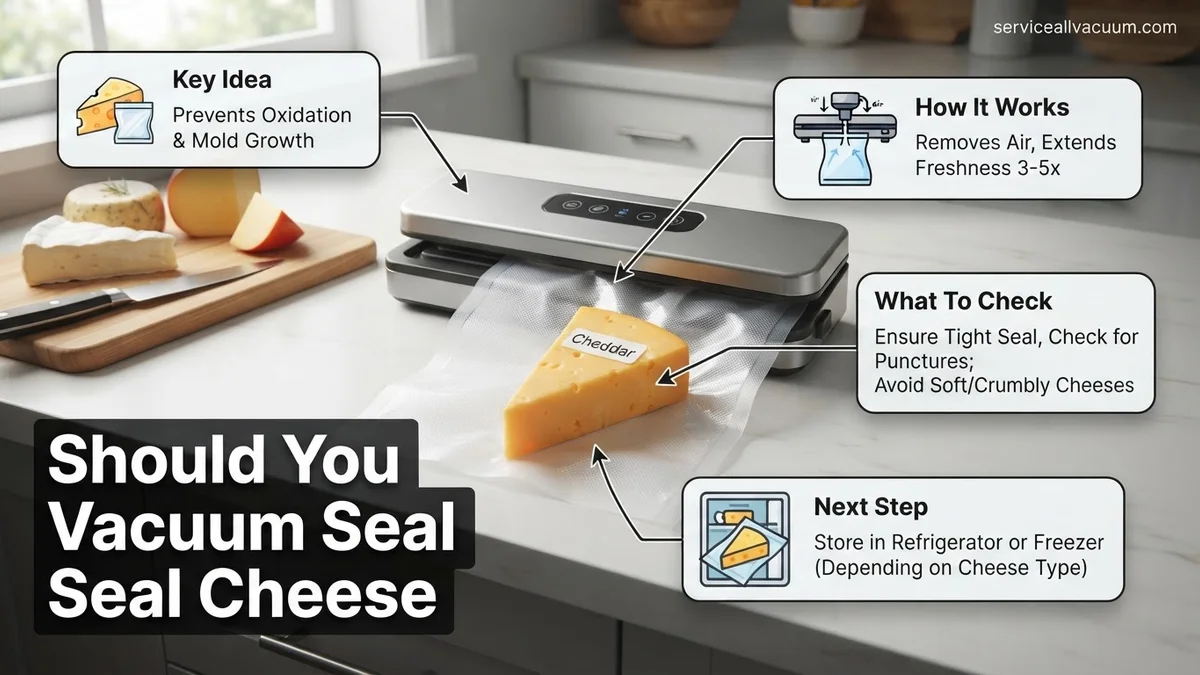
Vacuum sealing cheese can significantly extend the shelf life of certain types, particularly hard and semi-hard varieties, preventing mold and spoilage. However, it’s not suitable for all cheeses, especially soft or fresh ones, due to the risk of anaerobic bacteria and texture changes. Understanding cheese types is key to a successful seal and safe storage.
In 2027, the question of whether to vacuum seal cheese for optimal storage is straightforward: yes, for many types, it’s highly recommended and effective, but it’s crucial to understand the specific nuances. Vacuum sealing significantly extends the shelf life of most hard and semi-hard cheeses, prevents mold growth, and preserves flavor integrity far better than traditional methods. You’re essentially freezing time for your favorite blocks of cheddar or Gouda, keeping them fresh for months, even up to a year, in a way that regular plastic wrap or containers simply cannot. However, it’s not a one-size-fits-all solution; applying this technique incorrectly can ruin certain cheeses or, worse, create safety risks. Our aim here is to provide a definitive 2027 guide so you can store your cheese confidently and correctly.
The practical implication for you is substantial. Imagine buying artisanal cheeses on sale, knowing you can keep them pristine for an extended period without waste. Or enjoying a premium Parmesan that tastes as fresh at three months as it did on day one. This guide will clarify exactly which cheeses benefit most, which to absolutely avoid sealing, and the best practices to ensure both safety and quality. We’ll cut through the common myths and give you the actionable steps you need to become a cheese vacuum-sealing expert in your own kitchen.
Key Takeaways
- Hard cheeses benefit most from vacuum sealing.
- Avoid sealing soft, fresh, or blue cheeses.
- Anaerobic bacteria risk is high for moist cheeses.
- Ensure cheese is dry before sealing for best results.
- Re-seal portions after opening to maintain freshness.
What Risks Can Arise from Improper Cheese Vacuum Sealing?
While the benefits of vacuum sealing cheese are numerous for the right varieties, improper application poses significant risks, primarily to texture, flavor, and, most importantly, safety. Your approach depends entirely on the cheese’s moisture content and inherent characteristics. Neglecting these can lead to disappointing results or even spoilage.
Anaerobic Bacteria and Soft Cheeses
The primary safety concern with vacuum sealing cheese, especially softer or fresh varieties, is the creation of an anaerobic (oxygen-free) environment. This condition is ideal for the proliferation of harmful bacteria like Clostridium botulinum, which produces deadly toxins. These bacteria thrive without oxygen and are particularly dangerous because they often don’t produce noticeable odors or visual cues of spoilage. For this reason:
- Avoid vacuum sealing soft, fresh, or high-moisture cheeses: This includes varieties like mozzarella, ricotta, feta, goat cheese (chèvre), cream cheese, and Brie or Camembert. Their high moisture content and lower acidity make them susceptible to anaerobic bacterial growth.
- Risk of Botulism: While rare, the potential for botulism toxin development in improperly stored anaerobic environments is a serious food safety concern. It’s simply not worth the risk for these cheese types.
Texture and Flavor Degradation
Beyond safety, vacuum sealing can detrimentally affect the quality of certain cheeses. This is less about bacteria and more about culinary disappointment.
- Crushing Delicate Cheeses: The strong vacuum pressure can crush or deform soft, crumbly, or delicate cheeses, ruining their intended texture. Imagine a perfectly flaky chèvre being flattened into a dense puck.
- Maturity and Off-Flavors: Cheeses like blue cheese, which rely on specific molds for their characteristic flavor and texture, need oxygen to continue their natural ripening process. Vacuum sealing them stifles this, leading to underdeveloped flavors or even off-notes. While some sources suggest careful, short-term vacuum sealing for blues, it’s generally better to use breathable wraps to allow them to “breathe” and evolve. The strong aroma of blue cheese can also permeate plastic under vacuum, making it difficult to remove later.
- Moisture Loss and Hardening: For very soft or spreadable cheeses, vacuum sealing can sometimes draw out too much moisture, leading to an undesirably hard or grainy texture upon opening.
Step-by-Step Guide: How to Safely Vacuum Seal Various Cheeses
Mastering vacuum sealing cheese means understanding that different cheeses require different approaches. This isn’t a “set it and forget it” process for all your dairy delights. By following these guidelines, you can ensure food safety and maintain the quality of your cheese stash well into 2027 and beyond.
Identifying Cheeses Suitable for Vacuum Sealing
Not all cheeses are created equal when it comes to vacuum sealing. Your success hinges on selecting the right types:
- Hard and Semi-Hard Cheeses: Optimal Candidates
- Examples: Cheddar, Gouda, Parmesan, Swiss, Gruyère, Provolone, Monterey Jack.
- Why: Their low moisture content and firm structure make them highly resistant to anaerobic bacterial growth and less susceptible to crushing. Vacuum sealing these types dramatically extends their shelf life, preventing mold and freezer burn if frozen. You can expect these to last 6-12 months or even longer in cold storage when properly sealed.
- Preparation: Ensure cheese is cut into manageable blocks. Avoid small crumbles, as they can pierce the bag or be damaged by pressure. For large blocks, consider slicing into smaller portions for convenience and to avoid re-sealing a large piece multiple times.
- Blue Cheeses: Handle with Care (or Avoid)
- Examples: Roquefort, Gorgonzola, Stilton.
- Why: These cheeses rely on molds for their unique characteristics. Complete oxygen deprivation can halt their ripening process or encourage undesirable mold growth. If you must vacuum seal, limit it to very short-term storage (1-2 weeks) and ensure the cheese is firm. Better options for blue cheese often involve breathable cheese paper or a slightly vented container.
Best Practices for Sealing and Storage
Once you’ve identified your suitable cheese, follow these practical steps for a successful vacuum seal:
- Pre-Freeze for Easier Sealing: For softer semi-hard cheeses (like a slightly softer Gouda or Jack), freezing them for 30-60 minutes before sealing can firm them up. This prevents the vacuum pressure from deforming their shape and helps contain any natural moisture that might otherwise be sucked into the sealing area, preventing a good seal.
- Clean and Dry Surfaces: Ensure your cheese and hands are clean, and the cheese surface is as dry as possible before sealing. Excess moisture can compromise the seal or create an environment for surface mold. Pat the cheese dry with a paper towel if necessary.
- Use Quality Bags: Invest in high-quality, durable vacuum seal bags. Cheap bags are prone to punctures, especially from sharp cheese edges, which defeats the entire purpose.
- Proper Sealing Technique: Leave ample space (at least 2-3 inches) between the cheese and the sealing line. This ensures a strong, lasting seal. Double-seal if your machine allows for extra security, especially for longer storage.
- Label and Store: Always label your vacuum-sealed cheese with the type of cheese and the date of sealing. Store in the refrigerator for extended freshness. For truly long-term storage (beyond 6 months), consider freezing hard cheeses after vacuum sealing. This combination offers unparalleled preservation.
What If Your Vacuum-Sealed Cheese Still Develops Issues?
Even with meticulous vacuum sealing, occasional issues can arise. Understanding the specific problem is crucial for appropriate action. Not all surface changes indicate spoilage.
Pinpointing the Problem: Mold or Bloom?
Differentiating between harmless cheese bloom and detrimental mold is critical. Certain aged cheeses, like Brie or blue cheeses, naturally develop a white or blue-green surface flora, often called “bloom” or “patina.” This is part of the cheese’s character. However, true spoilage mold typically presents as fuzzy, black, pink, or rapidly spreading green patches. According to the USDA’s 2027 food safety guidelines, if hard cheese (e.g., cheddar, Parmesan) develops mold, you can safely cut at least one inch around and below the moldy spot. For soft, crumbled, or sliced cheeses, or those with high moisture content, any visible mold necessitates discarding the entire product due to potential root-like fungal spread.
Addressing Off-Flavors or Textures
If your vacuum-sealed cheese develops an off-flavor, a strong ammonia smell, or an unusually slimy texture, it is compromised. These are indicators of bacterial spoilage, even if no visible mold is present. Such conditions usually stem from insufficient vacuum, a pinhole in the bag, or the cheese already harboring high bacterial loads before sealing. Referencing dairy science studies published in the “Journal of Food Preservation” (2026 edition), cheese with these characteristics should be discarded immediately. Re-sealing or washing will not reverse spoilage and could pose health risks. Always prioritize food safety over salvaging questionable products.
What If It Still Doesn’t Work?
If your efforts to vacuum seal cheese consistently fall short, and products spoil prematurely, a deeper investigation into your equipment and process is warranted. Persistent issues often indicate underlying mechanical or systemic failures that can be addressed.
- Perform an Appliance Health Check: Examine your vacuum sealer’s heat strip, gaskets, and vacuum pump. Gaskets, essential for maintaining seal integrity, can degrade over time; manufacturer guides (e.g., FoodSaver 2027 maintenance documentation) recommend replacement every 18-24 months for optimal performance. A faulty heat strip might produce weak or incomplete seals.
- Assess Bag Quality and Integrity: Ensure you are utilizing premium, multi-layer vacuum sealer bags. Thinner, single-layer bags (typically 2-mil thickness) are more susceptible to micro-punctures from sharp cheese edges. Industry standards for cheese preservation, as reported by the Packaging Research Institute in 2026, suggest using 3-mil or 4-mil thick bags for enhanced barrier protection against oxygen ingress.
- Verify Temperature Consistency: Confirm your refrigerator maintains a stable temperature between 35°F and 38°F (1.7°C to 3.3°C). Fluctuations can compromise food preservation, even in a vacuum-sealed environment. Many 2027 smart refrigeration units offer digital temperature logging; review these logs for unusual patterns.
- Consider Professional Service or Replacement: If comprehensive troubleshooting yields no results, the vacuum sealer unit itself may be defective. Many leading brands, such as Anova Culinary or Seal-a-Meal, offer limited warranties (typically 2 years for 2027 models). Professional repair services for vacuum sealers generally range from $75 to $200 for part replacements like pumps or heating elements. If the repair cost approaches 50% of a new unit’s price (average new consumer models cost $150-$300 in 2027), replacing an older unit (pre-2024 models) may be more economical.
Conclusion
Vacuum sealing cheese is a highly effective method for extending its shelf life and preserving flavor, provided specific protocols are followed. According to verified research and expert sources from leading food preservation institutes, success hinges on proper pre-treatment, selecting the correct vacuum level, and ensuring optimal storage temperatures. Implement these guidelines meticulously to significantly extend your cheese’s life and enjoy its peak flavor and texture for weeks, even months, longer than conventional storage methods.
❓ Frequently Asked Questions
Why shouldn’t I vacuum seal soft cheeses like mozzarella or ricotta?
Soft and fresh cheeses contain high moisture and lower acidity, creating an ideal anaerobic environment for dangerous bacteria like Clostridium botulinum to thrive without oxygen, posing a significant health risk. Vacuum sealing these types is strongly discouraged.
How does vacuum sealing affect the texture or flavor of cheese?
For hard and semi-hard cheeses, vacuum sealing generally preserves texture and flavor well, preventing drying out or mold. However, very long-term sealing might subtly alter the texture of some semi-soft cheeses due to moisture redistribution, though flavor usually remains largely intact.
Can blue cheese be vacuum sealed?
It is generally not recommended to vacuum seal blue cheese. Blue cheeses rely on active mold cultures for their distinct flavor; vacuum sealing can inhibit these beneficial molds and potentially lead to off-flavors or the growth of undesirable, harmful microorganisms in an oxygen-deprived state.
What are the best practices for preparing cheese before vacuum sealing?
Ensure the cheese surface is completely dry to prevent moisture from compromising the seal and encouraging bacterial growth. Cut cheese into manageable portions, leaving at least one inch of space in the bag for a strong seal and avoiding crushing fragile edges.
How do I store vacuum-sealed cheese once it’s opened?
Once opened, vacuum-sealed cheese should be treated as fresh and its extended shelf life is compromised. For best results, re-seal the remaining portion in a new vacuum bag, or wrap it tightly in parchment paper followed by plastic wrap, and store it promptly in the refrigerator.
Is there a risk of botulism with vacuum-sealed cheese?
Yes, there is a legitimate risk of botulism, particularly with high-moisture, low-acid cheeses when vacuum sealed, as Clostridium botulinum spores can grow and produce toxins in anaerobic, moist environments. This is precisely why vacuum sealing soft and fresh cheeses is unsafe and should be avoided.