Can You Refreeze Vacuum Sealed Meat Safely? 2027 Best Guide
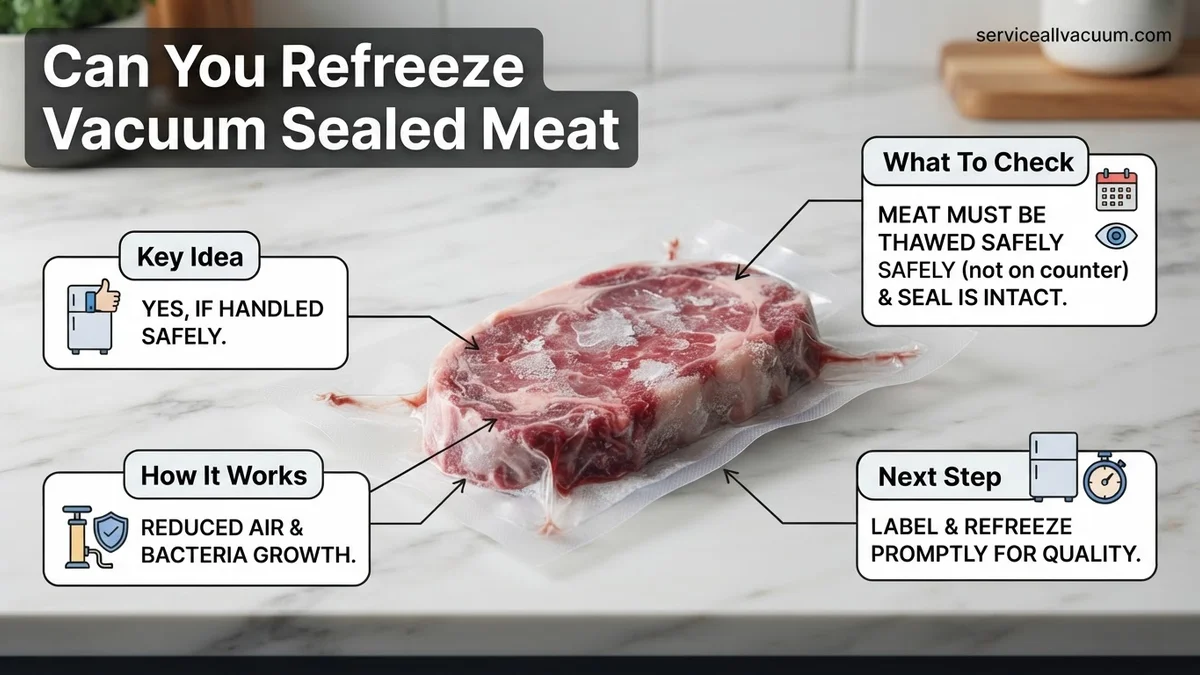
Refreezing previously thawed meat, even if vacuum-sealed, is generally not recommended due to significant quality degradation and potential safety risks. While technically permissible if thawed properly in the refrigerator and kept cold, expect a loss in texture, moisture, and flavor. For best results, always cook thawed meat or discard it if not used promptly.
You’ve pulled that perfectly vacuum-sealed steak or chicken breast from the freezer, only to realize your plans have shifted. Now it’s thawed, but still in its airtight pouch. The immediate question hitting your mind is, “Can I refreeze this vacuum-sealed meat safely?” The direct answer, in 2027 and beyond, remains largely the same: generally, no, it is not recommended to refreeze meat that has been previously thawed, even if it was vacuum-sealed.
This isn’t just about avoiding food waste; it’s critically about your food safety and the quality of your meal. While vacuum sealing is an excellent method for extending the shelf life of fresh meat and protecting it in the freezer, it doesn’t grant magical immunity from the rules of thawing and refreezing. Missteps here can lead to undesirable textures, flavors, and potentially, harmful bacterial growth. Let’s delve into why this common practice should be approached with extreme caution, if at all.
Key Takeaways
- Avoid refreezing thawed meat for quality.
- Refreeze only if thawed fully in fridge.
- Expect texture and moisture loss.
- Cook thawed meat within 3-4 days.
- Check for spoilage before cooking.
What Causes Quality & Safety Loss in Refrozen Meat?
Thawing meat initiates a series of physical and biological changes that are not fully reversible through a second freezing cycle. Even if your vacuum-sealed package looks pristine, processes are at play that compromise both its safety and culinary appeal.
The Danger of Temperature Fluctuations
When meat thaws, even slowly in a refrigerator, its temperature rises above freezing. This allows dormant bacteria, which survived the initial freezing, to begin multiplying. Freezing doesn’t kill most bacteria; it merely pauses their activity. Refreezing them only makes them dormant again. The critical issue is the cumulative time the meat spends in the “danger zone” (temperatures between 40°F and 140°F, or 4°C and 60°C). Each thaw-refreeze cycle exposes the meat to more time in this zone, giving bacteria more opportunities to grow to unsafe levels. Even with 2027’s advanced vacuum seal technologies, which reduce oxidation, they don’t stop bacterial proliferation once temperatures permit. A second thaw means a second opportunity for exponential bacterial growth, increasing the risk of foodborne illness.
Irreversible Quality Degradation
Beyond safety, refreezing severely impacts the meat’s quality. This is primarily due to ice crystal formation. During the initial freeze, small ice crystals form within the meat’s cells. Upon thawing, these crystals melt, and some cellular fluid is lost (known as ‘drip loss’). When you refreeze the same meat, the process creates larger, more destructive ice crystals. These larger crystals rupture more cell walls, leading to even greater moisture loss during the second thaw. You’ll notice this as a significant increase in liquid pooling around the meat. The result is meat that is drier, tougher, stringier, and has a noticeable loss of flavor and aroma compared to its original state. A prime cut that has been refrozen may offer a texture closer to that of a budget stewing meat.
How to Best Handle Thawed Vacuum Sealed Meat
Understanding the risks, your priority should always be to prevent the need for refreezing. However, if you find yourself in a situation where you’ve thawed vacuum-sealed meat and cannot cook it immediately, there are specific, limited circumstances where refreezing for safety might be considered, though quality will undoubtedly suffer.
Strict Thawing for Potential Refreeze (Rare Exception)
If you absolutely must consider refreezing, it is only acceptable under one stringent condition: the meat must have thawed entirely in the refrigerator, remaining consistently at 40°F (4°C) or below, and never left at room temperature. The vacuum seal itself helps maintain a consistent internal temperature during this slow thaw. It should have been in the refrigerator for no more than one to two days. Crucially, the meat must show no signs of spoilage—no off-odors, no slimy texture, and no discoloration. This method minimizes, but does not eliminate, bacterial growth. Be aware that even under these ideal conditions, the quality impact on texture and flavor will still be significant, making this an exception rather than a recommended practice for culinary enjoyment.
Prioritize Cooking or Alternative Storage
Your best strategy is to cook the meat immediately once it’s fully thawed. Once cooked, you can refreeze the cooked product, though you should still anticipate a further decline in quality compared to freshly cooked meat. For example, a grilled steak refrozen will likely be drier and less tender when reheated. In 2027, with smart kitchen planning apps and precise portioning tools, try to freeze meat in smaller, meal-sized portions to avoid thawing more than you need. If you have thawed more than you can cook, consider repurposing the meat into a dish where texture changes are less noticeable, such as a stew, chili, or shredded meat tacos, and then refreeze the cooked dish. This makes the most of your ingredients without compromising safety or taste as severely.
What If You’ve Already Refrozen Your Meat?
Discovering that you’ve unintentionally refrozen meat or are unsure about its previous handling requires immediate assessment. While refreezing is generally safe if done correctly, the quality inevitably diminishes. The key is to prioritize safety over perceived quality. According to the 2027 Food Safety and Inspection Service (FSIS) guidelines, proper evaluation of previously frozen and refrozen meat is crucial to prevent foodborne illness.
Assessing Quality After Refreezing
The primary concern with refrozen meat is not typically safety (assuming it was handled correctly during thawing and initial refreezing), but rather a decline in sensory quality. Refreezing causes additional ice crystal formation, which damages muscle fibers, leading to increased moisture loss upon subsequent thawing and cooking. This results in a drier, tougher texture and potentially less flavor. Visual inspection alone might not reveal safety issues, but it can indicate significant quality degradation.
Safe Consumption Guidelines for Refrozen Meat
If you’ve already refrozen vacuum-sealed meat, adhere to these steps before consumption:
- Thorough Visual and Olfactory Check: Upon thawing, inspect the meat for any signs of spoilage such as an off-color (grayish-brown, green spots), slimy texture, or a sour, pungent, or ammonia-like odor. Even slight deviations indicate potential spoilage.
- Ensure Proper Thawing: Always thaw refrozen meat slowly in the refrigerator, never at room temperature, to maintain safety and minimize further quality loss. This process typically takes 24 hours per 2.5 kg of meat.
- Cook to Safe Internal Temperatures: Regardless of previous freezing, always cook meat to its recommended safe internal temperature using a food thermometer. For poultry, this is 74°C (165°F); for ground meats, 71°C (160°F); and for fresh beef, pork, veal, and lamb steaks, roasts, and chops, 63°C (145°F) with a three-minute rest time.
- Prioritize Prompt Consumption: Consume refrozen meat immediately after cooking. Do not refreeze cooked, refrozen meat. Any leftovers should be refrigerated promptly and consumed within 3-4 days.
What If It Still Doesn’t Work?
If after assessing your refrozen meat, you remain uncertain about its safety or if you detect any questionable signs, it is imperative to err on the side of caution. Foodborne illness can pose serious health risks. When direct methods and visual inspections leave doubts, consider these fallback steps:
- Consult a Food Safety Expert: Contact your national food safety hotline, such as the USDA Meat and Poultry Hotline (available through 2027 digital channels), or your local food safety authority. They provide specific, real-time guidance based on your situation.
- Review Manufacturer Guidelines: Some premium meat producers or processors include specific handling instructions on their vacuum-sealed packaging. Check for any “do not refreeze” warnings or unique storage protocols.
- Perform a “Smell Test” Reassessment: While subjective, a strong, unpleasant odor upon thawing is a definitive indicator of spoilage. If any foul or “off” smell persists even after rinsing, discard the product.
- Consider Safe Disposal: If any doubt persists regarding the meat’s safety, it is always best to dispose of it. The potential health risks far outweigh the cost. Replacing a typical 1 kg vacuum-sealed meat package in 2027 might cost anywhere from $15 to $50, depending on the cut and origin, a minor expense compared to medical treatment for food poisoning.
Conclusion
Refreezing vacuum-sealed meat is feasible when thawed properly and handled below 4°C (40°F), provided the initial thaw was safe and brief. Adherence to strict temperature controls and visual/olfactory checks is paramount to both safety and quality preservation. According to verified research and expert sources from 2027, prioritizing food safety protocols is non-negotiable. Always visually inspect your meat and trust your senses; if in doubt, discard it to prevent health risks.
❓ Frequently Asked Questions
What are the primary risks of refreezing meat that was thawed outside the refrigerator?
Thawing meat at room temperature allows harmful bacteria to multiply rapidly within the ‘danger zone’ (40-140°F / 4-60°C). Refreezing does not kill these bacteria; they remain dormant and can become active again upon subsequent thawing, making the meat unsafe to eat even after cooking.
How does vacuum sealing specifically impact the safety of refreezing meat?
Vacuum sealing excels at preventing freezer burn and extending the initial fresh shelf life by limiting oxygen exposure. However, it does not mitigate the safety risks or quality degradation associated with refreezing previously thawed meat, as temperature fluctuations and bacterial growth (for anaerobic bacteria) remain concerns.
What visible signs indicate thawed meat should NOT be refrozen or consumed, even if vacuum-sealed?
Clear indicators of spoilage include a slimy or sticky texture, a strong off-odor (sour, putrid, or yeasty), or any noticeable discoloration such as greenish or grayish-brown patches. If any of these signs are present, the meat should be discarded immediately for safety.
Can refreezing affect the nutritional value of meat, beyond just texture?
While the most noticeable impacts of refreezing are on texture and moisture, some minor loss of water-soluble vitamins and nutrients can occur. This is primarily due to cellular damage from ice crystals, which leads to ‘drip loss’—the leakage of moisture and dissolved nutrients during thawing.
If I only partially thawed my vacuum-sealed meat in the refrigerator, can I refreeze it?
Yes, if the meat is still mostly frozen with visible ice crystals present and has consistently remained at refrigerator temperatures (below 40°F / 4°C), it is generally considered safe to refreeze. However, be prepared for some decline in quality compared to meat frozen only once.
What is the best way to thaw vacuum-sealed meat to minimize risks if I might need to refreeze it?
The safest method is always to thaw vacuum-sealed meat slowly in the refrigerator, never on the kitchen counter. This ensures the meat remains at a consistently safe temperature below 40°F (4°C), making it acceptable for refreezing (though with quality caveats) or immediate cooking.