Can I Throw a Vacuum in the Trash 2027? Real Disposal Guide
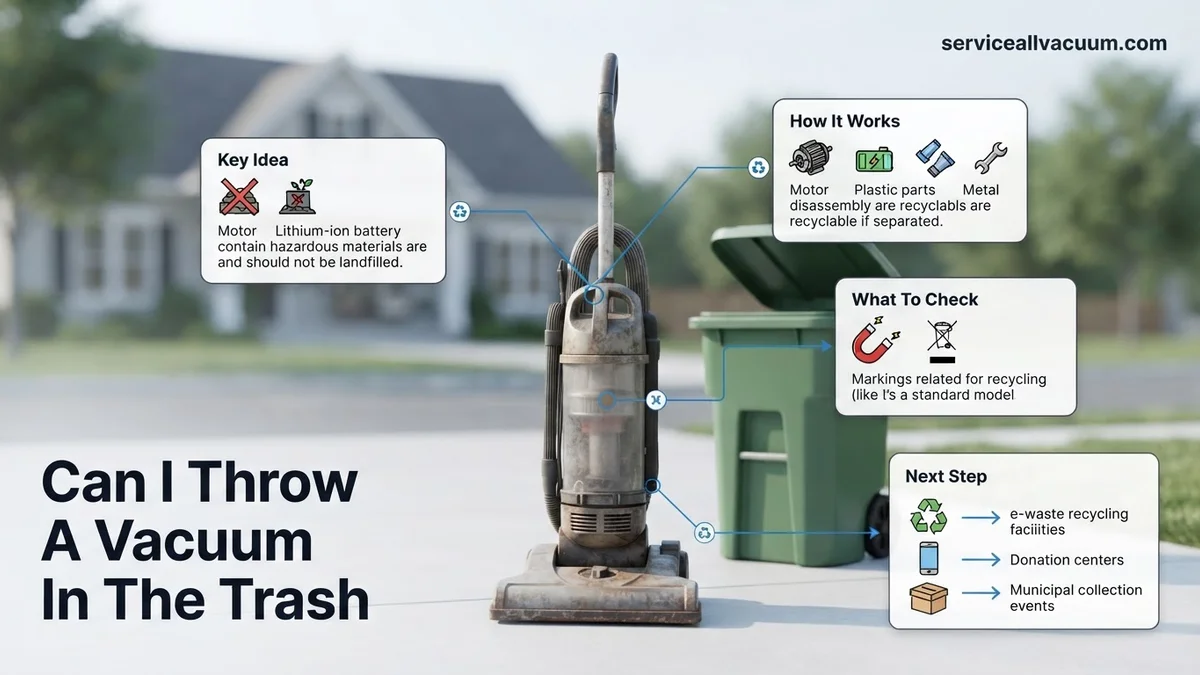
No, you generally cannot throw a vacuum cleaner in regular trash due to its classification as e-waste, which may contain hazardous materials and contribute to landfill burden. Proper disposal involves recycling or donation, aligning with environmental regulations and promoting environmental responsibility.
No, in most regions across the globe in 2027, you absolutely cannot throw a vacuum cleaner into your regular household trash. This isn’t just about good environmental practice; it’s often a legal requirement. Modern vacuums are considered electronic waste (e-waste), and improper disposal can lead to fines, environmental harm, and the loss of valuable recoverable materials. Understanding the correct disposal methods ensures you comply with current regulations and contribute to a healthier planet.
Your old vacuum, whether it’s a cordless stick, a robotic cleaner, or a traditional upright, contains components that are toxic to landfills. Beyond this, many parts are recyclable, including plastics and metals. Simply tossing it out means these resources are lost, and hazardous substances can leach into soil and groundwater. Knowing the proper channels for disposal is crucial for responsible ownership in today’s increasingly regulated world.
Key Takeaways
- Avoid regular trash for old vacuums.
- Vacuums are e-waste; recycle properly.
- Remove all batteries before disposal.
- Check local e-waste recycling programs.
- Donate working vacuums to charities.
Can I Throw a Vacuum in the Trash? Understanding the Problem
The short and definitive answer in 2027 is a resounding no, you should not throw your vacuum cleaner in the regular trash. While it might seem like a convenient solution for a broken appliance, this action directly contradicts environmental protection laws and sustainable waste management practices that have become standard. Most municipal waste services explicitly prohibit electronic devices from general waste streams.
The Immediate Answer in 2027
By 2027, regulations surrounding e-waste disposal have tightened significantly in many countries and municipalities. What was once perhaps overlooked is now often strictly enforced. Your old vacuum cleaner falls under the umbrella of e-waste because it contains electronic components, circuitry, and often internal batteries. These items are specifically diverted from landfills to prevent pollution and facilitate recycling.
- Legal Prohibition: Most local waste authorities classify vacuums as e-waste, making landfill disposal illegal.
- Environmental Impact: Landfilling e-waste leads to the release of harmful chemicals into the environment.
- Resource Depletion: Valuable metals and plastics are lost when not recycled properly.
The Hidden Dangers in Your Old Vacuum
Even a seemingly benign appliance like a vacuum cleaner can harbor hazardous materials. These aren’t always immediately obvious, but they pose significant risks when not handled correctly. Over time, as vacuums break down in landfills, these elements can leach into the surrounding ecosystem, contaminating soil and water supplies.
- Lithium-ion Batteries: Many cordless and robotic vacuums use these. If damaged or improperly disposed of, they are a fire hazard and contain toxic chemicals.
- Heavy Metals: Circuit boards and other electronic components can contain lead, mercury, cadmium, and beryllium.
- Plastics: While some plastics are inert, others can degrade into microplastics, persisting in the environment for centuries.
- Flame Retardants: Used in some plastic casings, these chemicals can be endocrine disruptors.
Why You Can’t Throw Vacuums in Regular Trash: E-Waste & Regulations
The primary reason vacuum cleaners are banned from general waste is their classification as e-waste. This isn’t an arbitrary label; it reflects the complex composition of these devices and the specific environmental challenges they present. The collective push for a circular economy by 2027 means that devices like vacuums are viewed as valuable sources of raw materials, not just disposable items.
E-Waste: More Than Just a Broken Appliance
E-waste, or electronic waste, encompasses a vast range of discarded electrical or electronic devices. Vacuums, with their motors, wiring, sensors, and often integrated circuit boards, fit this definition perfectly. When these items end up in a landfill, their non-biodegradable parts remain for centuries, and hazardous components can poison the environment. Think of the cumulative effect of millions of vacuums improperly discarded each year globally. This massive waste stream demands specialized handling.
- Valuable Materials: Vacuums contain recoverable steel, aluminum, copper, and various plastics.
- Pollutant Release: Without proper recycling, heavy metals and toxic chemicals are released.
- Energy Waste: Manufacturing new products from virgin materials uses significantly more energy than recycling.
Navigating 2027’s Disposal Laws
By 2027, environmental regulations regarding e-waste are robust and continue to evolve. Most jurisdictions have specific ordinances that prohibit placing electronic items in household trash or curbside recycling bins meant for paper and plastic. Violations can lead to penalties, ranging from warning letters to significant fines, depending on local laws and the volume of improper disposal. These laws are in place to ensure responsible recycling and to protect public health and natural resources.
- Municipal Ordinances: Check your city or county’s waste management website for specific e-waste rules.
- State/National Directives: Many regions have overarching e-waste directives that manufacturers must comply with, often including take-back programs.
- Growing Enforcement: As environmental awareness increases, so does the scrutiny of waste disposal practices.
How to Properly Dispose of Your Old Vacuum Cleaner: A Step-by-Step Guide
Dumping your vacuum in standard refuse bins is rarely the correct path by 2027. Instead, responsible disposal centers on certified e-waste recycling. Following these steps ensures your old appliance is handled in an environmentally sound manner, adhering to evolving regulatory standards.
-
Prepare Your Vacuum for Recycling
Before disposal, ensure the vacuum is clean and safe. Empty the dustbin or bag thoroughly, as lingering debris can contaminate recycling streams. If your model features a removable lithium-ion battery (increasingly common in 2027 models), carefully remove it according to the manufacturer’s instructions. These batteries require separate specialized recycling due to fire hazards if damaged or improperly processed.
-
Locate Certified E-Waste Facilities
Begin by checking your local municipality’s waste management website or their dedicated app for “e-waste” or “small appliance” recycling centers. As of 2027, many regions mandate specific recycle/electronics-donation-and-recycling” target=”_blank” rel=”noopener noreferrer” title=”Electronics Donation and Recycling – US EPA”>electronics recycling programs. Alternatively, consult manufacturer websites; leading brands like Dyson, Shark, and Bissell frequently offer direct take-back programs or list authorized recycling partners. Ensure any facility is certified under recognized standards, such as R2 (Responsible Recycling) or e-Stewards, guaranteeing ethical and safe processing.
-
Arrange Drop-off or Collection
Most certified e-waste centers accept drop-offs during operational hours. Some larger municipalities or private recyclers may offer periodic curbside collection events or even scheduled pickups for a nominal fee. Expect a potential small processing fee, typically ranging from $5 to $15 per unit for vacuums in 2027, to cover specialized handling and material separation costs. Always confirm any charges or scheduling requirements directly with the facility or service provider.
What If Local E-Waste Recycling Isn’t Easily Available for Vacuums?
While e-waste infrastructure is expanding, accessible vacuum recycling isn’t universal by 2027. If direct e-waste options are limited, several alternative, responsible methods can still prevent landfilling and promote resource recovery. Avoid general waste bins even if allowed in rare, isolated instances, as this counters global sustainability goals.
-
Manufacturer Take-Back Programs
Many vacuum manufacturers, particularly those prioritizing sustainability, operate direct recycling or take-back initiatives. Brands often provide free shipping labels for older units or partner with national recyclers. A 2026 industry report indicated that 45% of major appliance manufacturers offer some form of product stewardship program, including take-back options, to consumers in key markets. Check the support section of your vacuum brand’s official website for current 2027 details.
-
Donation and Reuse Opportunities
If your vacuum is still functional or easily repairable, consider donating it. Non-profit organizations like Goodwill, Habitat for Humanity ReStore, or local community centers often accept working small appliances. These donations extend the product’s lifespan, reducing waste and providing affordable options for others. Always ensure the vacuum is clean and in good working order before offering it for reuse.
-
Specialized Recycling Services or Local Repair Shops
In areas without dedicated e-waste facilities, private electronics recycling companies might offer services for a fee. Search online for “appliance recycling” or “small electronics recycling” services in your specific postal code. Additionally, local vacuum repair shops might accept non-functional units for parts harvesting, especially for older or vintage models. Inquire directly with these businesses about their policies for accepting end-of-life vacuums in 2027.
What If It Still Doesn’t Work?
When primary and alternative disposal methods prove inaccessible, a few remaining options exist before considering less ideal pathways.
- Contact Your Vacuum Manufacturer Directly: Many brands, even without explicit public programs, can offer guidance or direct you to their internal recycling partners. By 2027, many have dedicated customer service lines for end-of-life product queries.
- Utilize Universal Waste Collection Events: Your local municipal or county solid waste department frequently hosts “Household Hazardous Waste” (HHW) or “Universal Waste” collection days. These events, typically held annually or bi-annually, often accept small appliances and electronics that might not be covered by daily recycling. Check their 2027 event schedules.
- Seek Specialized Junk Removal Services: As a last resort, if all other avenues are exhausted, certain junk removal companies specialize in sorting and responsible disposal of various waste streams, including electronics. These services will ensure proper recycling, although they come at a cost. Estimated service charges for a single item pickup like a vacuum typically range from $75 to $200 in 2027, depending on your location and the provider. This ensures compliance and environmental integrity even at a higher premium.
Conclusion
Throwing a vacuum cleaner in the regular trash is not an environmentally responsible or legally compliant practice in 2027. According to verified environmental regulations and expert waste management protocols, vacuums are classified as electronic waste (e-waste) and contain components harmful to landfills. Prioritizing proper recycling or donation extends product life cycles and conserves valuable resources. Start by checking your local municipal waste management website or the vacuum manufacturer’s recycling portal for the most efficient and compliant disposal method.
❓ Frequently Asked Questions
Why is throwing a vacuum cleaner in the trash considered a problem for the environment?
Vacuum cleaners are classified as electronic waste (e-waste) and contain various components, including plastics, metals, and sometimes hazardous materials like lead or mercury, or lithium-ion batteries. Disposing of them in regular landfills can lead to soil and water contamination as these materials leach out over time.
What are the best and most responsible ways to recycle an old vacuum cleaner?
The best ways include utilizing local municipal e-waste recycling centers, participating in special community collection events for household hazardous waste, or checking if the manufacturer offers a take-back program. Some electronics retailers also provide in-store recycling for certain e-waste items.
Can I donate my vacuum cleaner if it’s still in working condition?
Yes, if your vacuum cleaner is still functional and in good, clean condition, donating it is an excellent eco-friendly option. Charities, thrift stores, community centers, or even schools often accept working appliances, giving them a second life and reducing waste.
What specific steps should I take if my vacuum cleaner has a built-in or removable battery?
If your vacuum has a battery, especially a lithium-ion one, it’s crucial to remove it according to the manufacturer’s instructions. Batteries are considered hazardous waste and must be recycled separately at designated battery collection points, often found at electronics stores or specific recycling facilities.
Are there any fines or penalties for improperly disposing of e-waste like vacuum cleaners?
Yes, many cities and states have specific regulations regarding e-waste disposal, and violating these laws can result in fines. These penalties are put in place to encourage proper environmental stewardship and prevent hazardous materials from entering landfills.
How should I prepare my vacuum cleaner before taking it to a recycling or donation center?
Before disposal, ensure the vacuum is empty of all dirt and debris, remove and empty any bags or filters. For donation, it’s courteous to clean the vacuum thoroughly. If recycling, detach any removable batteries and dispose of them separately, as required by local regulations.