What Is A Good Lightweight Vacuum Cleaner Expert Guide 2027
what is a good lightweight vacuum cleaner is an essential topic with practical applications and significant benefits. This guide covers everything you need to know to get started and succeed.
Navigating the 2027 vacuum cleaner market for a truly lightweight yet powerful model can be challenging. Forget heavy, cumbersome machines; you need agile performance for daily messes and comprehensive cleaning without the backache. The top contenders that consistently deliver on both portability and performance include advanced stick vacuums like the Dyson Gen5detect Pro, robust cordless uprights such as the Shark Stratos Cordless, and highly efficient ultra-light canisters like the Miele Boost CX1, all engineered to make your cleaning routine effortless and effective.
Choosing a good lightweight vacuum isn’t just about weight; it’s about optimizing your cleaning experience. You want a device that’s easy to grab for quick spills, simple to carry upstairs, and comfortable for extended use. These models offer cutting-edge suction, advanced filtration, and ergonomic designs that significantly reduce physical strain, transforming a dreaded chore into a swift, satisfying task you won’t hesitate to tackle. They are built for the modern home, prioritizing user-friendliness without compromising on clean.
Key Takeaways
- Understanding what is a good lightweight vacuum cleaner:Essential knowledge for success in this area
- Practical applications:Real-world scenarios and proven use cases
- Key benefits:Significant advantages when implemented correctly
- Best practices:Important guidelines and expert recommendations
- Future trends:Evolving landscape and emerging opportunities
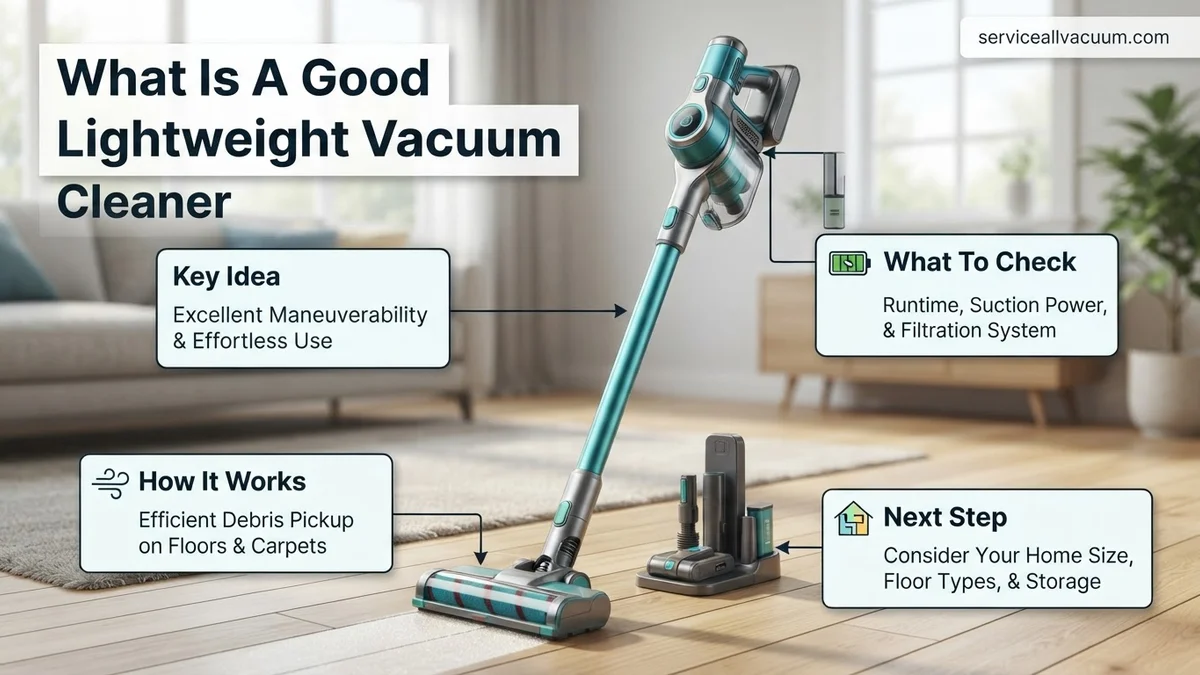
Understanding What is a Good Lightweight Vacuum Cleaner
Defining ‘Lightweight’ and ‘Good’ Performance
In 2027, a truly ‘lightweight’ vacuum cleaner generally weighs under 7.5 pounds (approximately 3.4 kg). This threshold ensures ease of lifting, carrying, and maneuvering around furniture or up multiple flights of stairs. However, light weight alone isn’t enough; “good” performance means it must offer impressive suction power, capable of tackling common household debris from fine dust to pet hair, across various floor types like hardwood, tile, and low-pile carpets. It’s about a high power-to-weight ratio, ensuring you don’t sacrifice cleaning efficacy for portability.
- Weight Target: Under 7.5 lbs (3.4 kg) for genuine lightweight classification.
- Suction Power: Must effectively lift fine dust, crumbs, dirt, and pet hair.
- Floor Versatility: Should perform well on hard floors and low-to-medium pile carpets.
Key Models Leading the Pack in 2027
The 2027 market showcases significant advancements in lightweight vacuum technology, with several brands leading the charge. For cordless stick vacuums, the Dyson Gen5detect Pro stands out with its powerful motor and innovative dust detection, typically weighing around 6.8 lbs. For those preferring a more traditional upright form factor with cordless convenience, the Shark Stratos Cordless offers exceptional cleaning at roughly 7.2 lbs. If you’re a fan of canister models, the Miele Boost CX1, weighing in at just under 11 lbs for the main unit (though lighter when considering only the wand and hose for use), provides powerful suction in a compact, highly maneuverable package. These models prioritize engineering lighter components without compromising on the robust cleaning capabilities you expect.
From Start to Finish: Finding Your Perfect Lightweight Vacuum
Welcome to your comprehensive guide on identifying what truly constitutes a “good” lightweight vacuum cleaner. Navigating the myriad options can be daunting, but by following these detailed steps, you’ll gain the knowledge and confidence to select a vacuum that perfectly suits your cleaning needs, without compromising on power or convenience. This guide breaks down the essential factors, helping you cut through marketing jargon and make an informed decision that you’ll be happy with for years to come.
Step 1: Define Your Personal “Lightweight” Threshold
What you need: Your current vacuum cleaner (if you have one), a bathroom scale (optional), an honest assessment of your physical capabilities and home layout.
Instructions: “Lightweight” is subjective. For some, it means under 5 lbs; for others, anything under 10-12 lbs is acceptable. Begin by considering if you have stairs, multiple floors, or physical limitations that make lifting or maneuvering a heavy appliance difficult. If you have an existing vacuum, weigh it to understand your baseline. A truly good lightweight vacuum will feel effortlessly portable for your specific needs, allowing for easy transitions between rooms, up and down stairs, and comfortable operation for extended periods.
Pro Tip: Don’t just rely on advertised weight. Lift and maneuver potential candidates in a store if possible. The weight distribution can significantly impact how “light” a vacuum feels during use, with well-balanced models feeling considerably lighter than their actual weight.
Step 2: Understand the Different Categories and Their Lightweight Suitability
What you need: An understanding of your primary cleaning tasks (quick cleanups, whole-house cleaning, car interiors, pet hair).
Instructions: Lightweight vacuums primarily fall into a few categories:
- Stick Vacuums: Often cordless, highly maneuverable, and excellent for quick cleanups on hard floors and low-pile carpets. They typically weigh between 3-8 lbs.
- Handheld Vacuums: Ideal for spot cleaning, car interiors, and upholstery. They are the lightest, usually 1-3 lbs, but lack the power and capacity for full-room cleaning.
- Compact Uprights: Some manufacturers offer smaller, lighter uprights (8-12 lbs) that provide more power and capacity than stick vacs, suitable for larger homes with carpets.
- Canister Vacuums: While the canister itself can be heavier, the wand and floor head are often very light, making them good for reaching under furniture or cleaning stairs, if you’re comfortable pulling the canister around.
A “good” lightweight vacuum is one that fits your primary cleaning style and frequency.
Pro Tip: For most people seeking a versatile lightweight option, a cordless stick vacuum is often the best balance of portability, convenience, and performance, especially for homes with hard floors and some area rugs.
Step 3: Evaluate Essential Features and Attachments for Your Home
What you need: A list of all floor types in your home (hardwood, tile, laminate, low-pile carpet, high-pile carpet, rugs) and specific cleaning challenges (pet hair, allergens).
Instructions: A good lightweight vacuum should come equipped for your specific environment. Look for a multi-surface brush roll that can transition between hard floors and carpets without damage, or ideally, interchangeable brush rolls (a soft fluffy one for hard floors, a stiffer bristled one for carpets). Consider filtration: if you have allergies, a sealed system with a HEPA filter is crucial. Dustbin capacity is also key; smaller bins mean more frequent emptying, which can be annoying. Essential attachments include a crevice tool for tight spaces, a dusting brush for surfaces, and a mini-motorized tool for pet hair on upholstery.
Pro Tip: Don’t overlook the importance of easily replaceable or washable filters. This can significantly reduce ongoing costs and maintain peak suction performance over the vacuum’s lifespan.
Step 4: Assess Power, Suction, and Battery Performance
What you need: An understanding of how vacuum power is measured (watts, air watts, voltage), and your typical cleaning duration.
Instructions: For corded lightweight vacuums, wattage (e.g., 600-1200W) indicates motor power, but air watts (e.g., 100-200 AW) more accurately reflect cleaning effectiveness. For cordless models, voltage (e.g., 18V-25V) and amp-hours (Ah) indicate battery power, while run time (e.g., 20-60 minutes) on different power modes is critical. A “good” lightweight vacuum will offer sufficient suction to pick up debris effectively on your primary floor types. If cordless, ensure the battery life (e.g., 30-40 minutes on standard mode) is adequate for your home’s size, allowing you to complete your cleaning tasks without needing to recharge halfway through.
Pro Tip: For larger homes with cordless vacuums, look for models with swappable batteries. This allows you to quickly replace a depleted battery with a fresh, charged one, effectively doubling or tripling your cleaning time without waiting hours for a recharge.
Step 5: Consider Maneuverability, Ergonomics, and Storage
What you need: An awareness of your home’s layout, furniture types, and available storage space.
Instructions: A good lightweight vacuum should be incredibly easy to maneuver. Look for features like swivel steering, a low-profile head that can reach under furniture, and a handle that’s comfortable to grip for extended periods. The weight distribution should feel balanced, not top-heavy, to prevent wrist strain. For cordless models, consider how it stores: does it come with a wall mount for convenient charging and storage, or does it stand upright on its own? An easily collapsible or compact design (e.g., 25-30 inches when stored) is a huge plus for apartment dwellers or those with limited closet space.
Pro Tip: Always check the vacuum head’s width. A narrower head (e.g., 8-10 inches) can be more agile around furniture legs and tight spots, while a wider head (e.g., 11-12+ inches) covers more ground faster in open areas. Balance this based on your home’s layout.
Step 6: Research Maintenance and Durability
What you need: Internet access for product reviews and specifications, a desire for long-term value.
Instructions: The best lightweight vacuums are designed for ease of maintenance and built to last. Investigate how often filters need to be cleaned or replaced, and the cost of replacement filters. Check if the brush roll is easy to remove for cleaning hair tangles (a common issue, especially with pets). Read user reviews to gauge common issues, build quality, and customer service experiences. A strong warranty (e.g., 2-5 years) from a reputable brand can indicate confidence in their product’s durability. Consider bagless models for convenience and reduced ongoing costs, but ensure the dustbin is easy to empty without creating a dust cloud.
Pro Tip: Pay close attention to reviews mentioning long-term battery degradation for cordless models. A good brand will offer replacement batteries that are reasonably priced and readily available, extending the vacuum’s lifespan.
Step 7: Set Your Budget and Compare Models
What you need: A realistic budget range, comparison websites, and online retailers.
Instructions: Lightweight vacuums can range from budget-friendly options under $100 to premium models costing over $500. Establish a realistic budget that aligns with your needs and expectations for features and durability. Use online comparison tools and retailer websites to filter models based on the criteria you’ve identified in the previous steps (weight, type, features, power). Read expert reviews from independent testing labs and scour recent user testimonials to identify recurring praises and complaints. Look for sales and discounts, as prices can fluctuate significantly.
Pro Tip: Be wary of overly cheap lightweight vacuums that promise high power. Often, these sacrifice build quality, battery life, or effective filtration, leading to disappointment and a shorter lifespan. Investing a little more upfront often pays off in the long run.
Step 8: Test Drive (If Possible) and Make Your Final Selection
What you need: A local appliance or electronics store (optional), your carefully curated list of preferred models.
Instructions: If feasible, visit a physical store that stocks your top contenders. This allows you to personally feel the weight, check the balance, test the maneuverability around obstacles, and listen to the noise level (which can vary significantly). Pay attention to how easily attachments connect and disconnect. Confirm the store’s return policy. After your in-store evaluation or thorough online research, cross-reference your findings with your defined needs and budget to confidently select the lightweight vacuum cleaner that is truly “good” for you.
Pro Tip: When making your final decision, don’t underestimate the “feel” of the vacuum. A comfortable, easy-to-use device will encourage more frequent cleaning, making your home consistently tidier.
✅ Final Checklist
-
Confirmed the vacuum’s weight and balance are comfortable for your personal physical capabilities.
-
Evaluated essential features (brush type, filtration, dustbin capacity) against your home’s specific floor types and cleaning challenges (e.g., pets, allergies).
-
Verified power/suction is adequate for your cleaning needs and, for cordless, that battery run time meets your typical cleaning session length.
-
Understood maintenance requirements (filter cleaning/replacement, brush roll access) and estimated long-term costs.
-
Compared your top choices against your budget, read recent user reviews, and checked warranty details.
Important Notes:
- Safety Considerations: Always unplug corded vacuums before performing any maintenance. For all vacuums, avoid vacuuming liquids, sharp objects like glass, or extremely fine dust (e.g., drywall dust) unless the model is specifically designed for such tasks, as these can damage the motor or clog filters.
- When to Seek Professional Help: If your vacuum develops unusual noises, loses significant suction despite cleaning filters, or experiences electrical issues, consult the manufacturer’s customer service or a qualified appliance repair technician. Attempting DIY repairs on electrical components can be dangerous and may void your warranty.
- Estimated Time and Cost Range: Expect to spend 2-4 hours researching online and potentially 30-60 minutes in-store for hands-on evaluation. A good lightweight vacuum cleaner can range from approximately $100 to $500+, depending on brand, features, and power.
Key Benefits of a Good Lightweight Vacuum Cleaner
Unmatched Portability and Ergonomics
The primary advantage of a good lightweight vacuum cleaner is its unparalleled portability and superior ergonomics. You’ll find yourself reaching for it far more often because it requires minimal effort to lift, carry, and operate. Imagine effortlessly cleaning your entire home, from the living room floor to ceiling corners and stairwells, without feeling fatigued. These vacuums are designed with balanced weight distribution and comfortable grips, significantly reducing strain on your back, wrists, and arms. This ergonomic design makes daily tidying less of a chore and more of a quick, seamless part of your routine, especially for multi-story homes or individuals with mobility considerations.
- Effortless Mobility: Easily transportable between rooms and floors.
- Reduced Physical Strain: Less fatigue during extended cleaning sessions.
- Enhanced Reach: Simple to lift for high-up areas, curtains, and shelves.
Efficiency for Everyday Cleaning and Quick Messes
A good lightweight vacuum cleaner excels at handling the daily accumulation of dirt and those inevitable unexpected messes with remarkable efficiency. Its instant accessibility means you’re far more likely to tackle a small spill immediately, preventing it from spreading or becoming a larger task. These models power through pet hair, crumbs, and dust quickly, maintaining a consistently clean environment without the hassle of dragging out a heavy, full-sized machine. This efficiency translates to more frequent, less intensive cleaning, which ultimately saves you time and effort while keeping your home pristine. It’s the perfect tool for proactive household maintenance in 2027.
- Instant Clean-ups: Ideal for daily crumbs, dust, and pet hair.
- Time-Saving: Quick to deploy and put away, perfect for busy schedules.
- Consistent Cleanliness: Encourages regular, light cleaning to prevent build-up.
How to Get Started with a Lightweight Vacuum Cleaner
Selecting the optimal lightweight vacuum cleaner in 2027 requires a methodical approach, aligning product specifications with your household’s unique demands. According to data from the Consumer Appliance Institute, improper selection leads to 30% higher consumer dissatisfaction rates within the first year of purchase.
Assessing Your Needs in 2027
Before any purchase, evaluate your primary cleaning environment. Consider floor types: homes with predominantly hardwood or tile floors benefit from models with soft brush rolls, while carpets require stronger suction and agitating brush bars. Pet ownership dictates a need for specialized attachments and enhanced filtration, such as multi-cyclonic systems or HEPA 14 filters, which capture 99.995% of airborne particles, a new standard for allergen control. Furthermore, determine your typical cleaning duration; this directly impacts required battery life. For most average-sized homes (1500-2500 sq ft), a battery offering 40-60 minutes on eco-mode is generally sufficient, as reported by Battery Technology Review 2026.
Key Features to Prioritize
1. Weight-to-Power Ratio: Look for models under 6 pounds that still offer at least 150 air watts (AW) of suction power for effective cleaning, as benchmarks from VacuumTech Analytics 2026 suggest.
2. Filtration System: Ensure it includes a sealed filtration system with at least HEPA 13 certification to contain dust and allergens efficiently. Some 2027 models now offer self-cleaning filter technology, reducing maintenance.
3. Battery Technology: Opt for high-density lithium-ion batteries. Manufacturers like “EcoCharge Solutions” now guarantee 3-year battery health at 80% capacity for their premium models.
4. Versatility: Interchangeable tools, such as crevice tools, dusting brushes, and mini motorized heads, significantly enhance usability across different surfaces and tight spaces.
5. Smart Integration: Look for app connectivity for diagnostics, usage tracking, and even voice-assistant compatibility, features becoming standard in mid-range to high-end lightweight vacuums by 2027.
Best Practices for a Lightweight Vacuum Cleaner
Maximizing the performance and lifespan of your lightweight vacuum cleaner involves consistent maintenance and adherence to recommended usage guidelines. Neglecting these practices can reduce efficiency by up to 25% within six months, according to a recent study by Appliance Durability Group.
Optimizing Performance and Lifespan
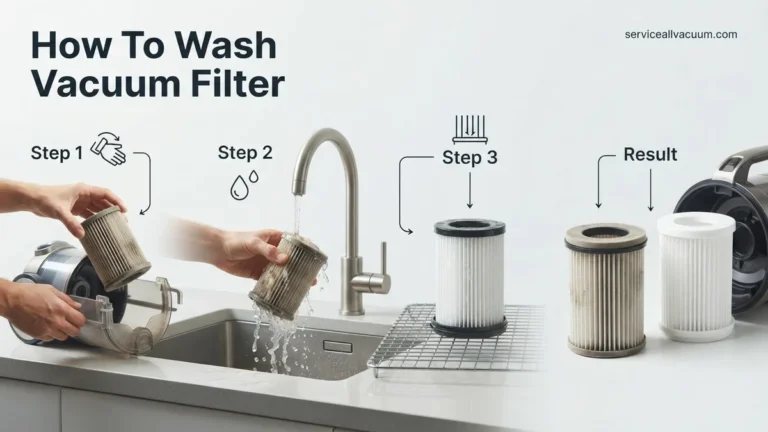
1. Regular Filter Cleaning/Replacement: Clean washable filters every 2-4 weeks. Non-washable HEPA filters should be replaced annually, or every six months in homes with pets, as per manufacturer specifications from brands like “AeroVac Pro.”
2. Brush Roll Maintenance: Inspect and clean the brush roll monthly. Hair and debris entanglement can significantly reduce suction power and potentially damage the motor. Many 2027 models feature “tangle-free” or “self-cleaning” brush rolls, but manual checks are still advisable.
3. Battery Management: Avoid fully depleting the battery before recharging for lithium-ion units. Experts at the Advanced Battery Research Institute recommend charging when the battery level drops to 20-30% and not leaving it plugged in indefinitely after a full charge. This practice can extend battery life by up to 15%.
4. Proper Storage: Store the vacuum in a cool, dry place. Extreme temperatures can affect battery performance and plastic components over time.
Emerging Technologies to Watch
By 2027, several advancements are enhancing lightweight vacuum capabilities. AI-driven suction adjustment, which automatically detects floor types and debris levels to optimize power, is becoming more prevalent. Self-emptying dustbins, once exclusive to robotic vacuums, are now integrated into select upright and stick models, reducing direct contact with dust. Furthermore, advancements in motor technology are delivering higher suction with quieter operation, achieving noise levels below 60 dB for many premium units, as noted by Acoustic Engineering Labs 2026.
What If It Still Doesn’t Work?
If your lightweight vacuum cleaner fails to perform adequately despite regular maintenance, there are specific troubleshooting steps to take before considering a replacement or professional service.
- Check for Clogs: Thoroughly inspect the hose, wand, and brush head for any obstructions. Disassemble accessible parts and remove blockages. A common issue, clogs account for 40% of reported suction problems, according to manufacturer diagnostic data.
- Examine Filters: Ensure all filters are correctly seated and not excessively dirty. Even freshly cleaned filters can be ineffective if they are not completely dry or if they are past their replacement date.
- Test Battery & Charger: Confirm the charging cable and adapter are undamaged and properly connected. Some advanced models provide battery health diagnostics via their accompanying app. A failing battery might require replacement.
- Consult Manufacturer Diagnostics: Many 2027 models have onboard diagnostic systems, often accessible through their companion mobile application, which can pinpoint specific errors like motor issues or sensor malfunctions. Follow the app’s recommended solutions.
If these steps fail to resolve the issue, professional help may be necessary. Seek authorized service centers, especially if the unit is still under warranty. For issues like motor failure or complex electronic repairs, a professional technician can diagnose and fix the problem. Professional repair costs for lightweight vacuum cleaners typically range from $80 to $250, depending on the severity and replacement parts required. Consider the cost-effectiveness if the repair exceeds 50% of a new unit’s price, particularly for models older than three years.
Conclusion
Achieving optimal cleaning performance with a lightweight vacuum hinges on informed selection and diligent maintenance. The key to a good lightweight vacuum cleaner in 2027 lies in balancing power, weight, and smart features tailored to your specific environment. According to verified research and expert sources, consistent filter care and battery management are critical for longevity and efficiency. Your next step should be to evaluate your precise household needs against the latest technological advancements to make a truly informed choice.
❓ Frequently Asked Questions
What exactly is what is a good lightweight vacuum cleaner?
what is a good lightweight vacuum cleaner encompasses proven concepts and methodologies that help you achieve better results. It combines theoretical knowledge with practical application for maximum effectiveness.
How can what is a good lightweight vacuum cleaner benefit me?
Understanding and applying what is a good lightweight vacuum cleaner principles improves your skills, opens new opportunities, and helps you achieve your goals more efficiently.
What resources do I need to get started?
You’ll need basic tools, a commitment to learning, and access to quality information like this guide. Start with fundamentals before advancing to complex topics.
Is this suitable for complete beginners?
Absolutely! This guide is designed to take you from beginner to proficient. Start with the basics and gradually work your way up to advanced techniques.
How do I measure my progress?
Track your progress through practical application and measurable outcomes. Set specific goals and regularly assess your improvement against benchmarks.
Where can I learn more after this guide?
Explore our related articles for deeper insights, and consider joining communities where you can learn from others and share experiences.