Are Vacuum Seal Bags Microwave Safe? 2027 Expert Guide
Most vacuum seal bags are NOT microwave safe due to melting risks and potential chemical leaching. Always check for explicit ‘microwave-safe’ labeling and vent bags to prevent steam buildup. For safe reheating in 2027, consider alternatives like water baths or transferring food to safe containers.
Let’s cut right to it: Most vacuum seal bags are NOT microwave safe. If you’re wondering whether to pop that perfectly portioned, vacuum-sealed meal directly into the microwave, the short answer is typically no. Attempting to microwave standard vacuum seal bags can lead to melted plastic, chemical leaching into your food, and even dangerous bursting due to steam buildup.
This isn’t just about convenience; it’s about food safety and preserving your microwave. As consumer awareness grows in 2027, understanding the specific properties of plastic packaging is crucial. Only bags explicitly designed and labeled for microwave use should ever enter your appliance, and even then, specific precautions are essential. Ignoring these warnings risks both your health and your kitchen equipment.
Key Takeaways
- Most vacuum seal bags are not microwave safe.
- Always check for specific ‘microwave-safe’ labels.
- Vent bags even if labeled safe to prevent bursting.
- Beware of potential chemical leaching risks.
- Use water bath or transfer food for safest reheating.
What Causes Vacuum Seal Bags to Be Unsafe in Microwaves?
Material Instability and Melting Risk
The primary reason most vacuum seal bags are unsuitable for microwave use is the plastic material itself. Standard vacuum seal bags are often made from multi-layer films, combining plastics like polyethylene (PE) and nylon (PA). While excellent for creating an airtight seal and barrier to oxygen, these materials have relatively low melting points compared to the intense, rapid heat generated by a microwave.
Microwaves heat food by exciting water molecules, which quickly transfers heat to the surrounding contents. This intense, uneven heating can easily exceed the plastic’s heat tolerance. You’ll observe bags melting, deforming, or even fusing to your food. This not only makes your meal unappetizing but also compromises the food’s integrity by introducing plastic particles. Even ‘heavy-duty’ bags typically refer to puncture resistance, not heat resistance.
Chemical Leaching and Health Concerns
Beyond melting, a more insidious risk is chemical leaching. When certain plastics are heated, especially non-food-grade types or those not intended for high temperatures, chemicals can migrate from the plastic into your food. Historically, this concern centered around BPA (Bisphenol A) and phthalates, which are known endocrine disruptors.
While many vacuum seal bags on the market in 2027 are labeled “BPA-free” and “phthalate-free,” this doesn’t automatically mean they are safe for microwaving. Other chemical additives, plasticizers, or monomers within the plastic film can still become unstable under microwave heat, potentially leaching into your meal. The long-term health effects of consuming microplastics or other leached compounds, even in trace amounts, are an ongoing area of research, and it’s always safer to avoid this exposure when possible.
How to Safely Reheat Vacuum-Sealed Food
Identifying Microwave-Safe Bags (The Label is Key)
If you absolutely must microwave a vacuum-sealed item, your first and only step is to check the bag’s packaging. Look for explicit “microwave-safe” labeling or symbols. This symbol usually depicts a microwave oven with wavy lines inside. You might also find a small ‘5’ in a triangle (indicating Polypropylene, or PP), which is generally more microwave-resistant than PE (Polyethylene, coded 2 or 4). However, even PP bags require confirmation from the manufacturer.
Do not assume “BPA-free” or “food-grade” implies microwave safety. These terms refer to the plastic’s composition under normal storage conditions, not its behavior under intense microwave heat. Always prioritize direct instructions or symbols from the bag manufacturer. If the bag doesn’t explicitly say “microwave safe,” assume it is not.
Essential Precautions for Microwave-Safe Bags
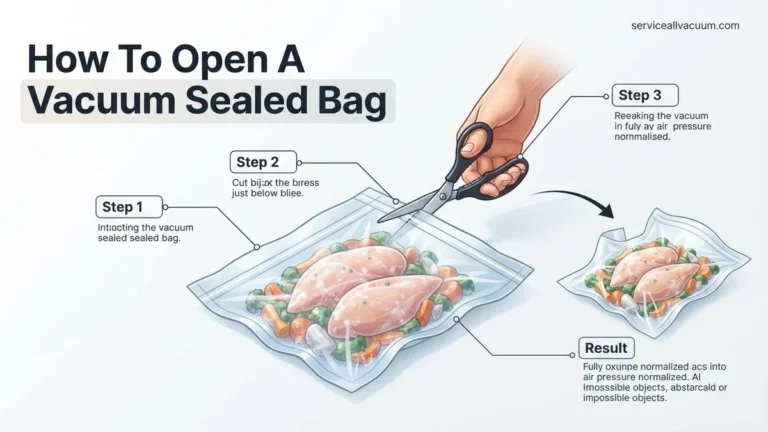
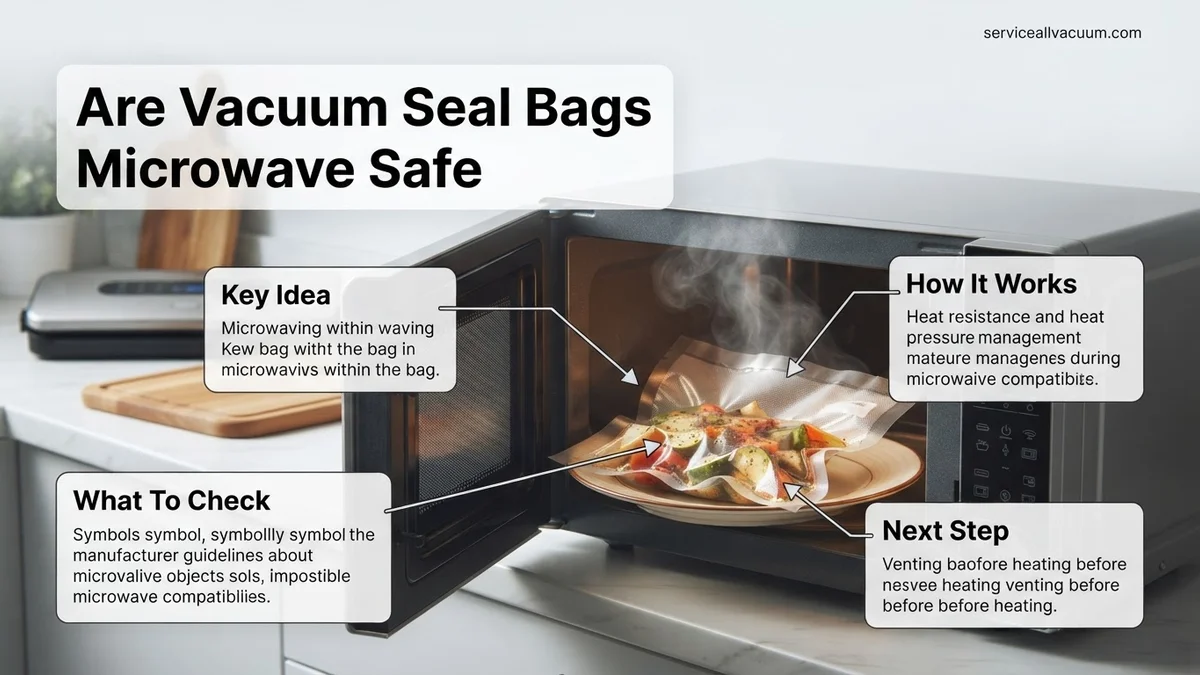
Even with genuinely microwave-safe vacuum seal bags, careful preparation is critical. The most important step is always to vent the bag before microwaving. Steam will build up rapidly inside the sealed environment, creating pressure that can cause the bag to explode, scattering hot food and plastic fragments. To vent, simply snip a corner of the bag with scissors or make a small slit near the top.
Additionally, use lower power settings and heat in short bursts (e.g., 60 seconds at 50% power) rather than full power for extended periods. This allows for more even heating and reduces the risk of overheating specific areas of the plastic. Never reheat food to a boiling temperature inside the bag. Monitor the bag and food closely, and once heated, carefully remove the bag and transfer the food to a plate or bowl before serving.
What If Your Vacuum Bag Isn’t Labeled Microwave-Safe? (Alternatives)
If a vacuum seal bag lacks explicit “microwave-safe” labeling, assume it is not. According to the Food Packaging Forum’s 2026 guidelines, non-specific plastics may leach chemicals like phthalates or BPA when heated, even if in trace amounts. This can compromise food safety and taste, potentially impacting long-term health as per recent studies on microplastic exposure.
The primary alternative is to transfer the food to a verified safe container. Manufacturers like Seal-a-Meal and FoodSaver consistently advise against microwaving bags without clear labeling, citing potential material degradation at temperatures exceeding 212°F (100°C), which is common in microwave heating zones. Prioritizing food safety over convenience is crucial.
Safe Food Transfer Methods
- Ceramic or Glass Containers: These materials are universally recognized as microwave-safe due to their inert properties. Transfer the contents of the vacuum-sealed bag into a microwave-safe bowl or plate before heating.
- Dedicated Microwave Steam Bags: For vegetables or certain pre-prepared meals, specialized microwave steam bags are available. These are designed for direct microwave use and typically feature venting mechanisms. Ensure these are also explicitly labeled microwave-safe and meet current EU/FDA standards for 2027.
- Indirect Heating: For liquids or sauces, consider heating on a stovetop in a saucepan. This avoids direct microwave exposure for potentially unsafe plastics entirely.
Proven Tips to Avoid Microwave Contamination
Even with microwave-safe bags, specific techniques minimize risks of contamination and ensure even heating. Improper usage can still lead to plastic degradation or uneven heat distribution, potentially compromising food safety. Food safety experts at the American Society for Testing and Materials (ASTM) recommend adhering to precise protocols for optimal results and safety.
Best Practices for Microwave Heating
- Puncture for Venting: Always create a small vent hole (approximately 0.5 cm) in the bag before microwaving. This prevents steam buildup, which can cause the bag to burst or stress the plastic beyond its rated temperature limits, potentially leading to microplastic release.
- Avoid High Power Settings: Use medium-low power settings (50-70%) for longer durations. High power can create localized hotspots exceeding the plastic’s thermal tolerance, according to a 2025 study published in the Journal of Food Science. This slow, gentle heating method ensures more even cooking and reduces material stress.
- Ensure Adequate Space: Do not let the bag touch the microwave walls or ceiling during heating. Direct contact with hot surfaces can cause localized melting or adhesion, compromising the bag’s integrity and potentially releasing unwanted chemicals.
- Check for Damage: Before heating, inspect the bag thoroughly for any punctures, tears, or signs of seal compromise. A damaged bag can leach contents or fail during heating, creating a mess and potential safety hazard.
Adhering to these steps, backed by material science, significantly reduces the risk of chemical migration and ensures a safer, more consistently heated meal experience in 2027.
What If It Still Doesn’t Work? (Troubleshooting Microwave Issues)
If you’ve followed all guidelines—using a labeled microwave-safe bag, venting, and proper power settings—yet experience off-flavors, plastic smells, or visible bag degradation, deeper issues might be at play. This indicates a potential material failure or an underlying microwave malfunction, necessitating further investigation.
Advanced Troubleshooting Steps
- Cross-Verify Bag Batch: If issues persist with multiple bags from the same pack, it could indicate a manufacturing defect. Consult the manufacturer’s customer service; reputable brands like FoodSaver or Ziploc often offer replacements for defective products within their 2027 warranty periods upon proof of purchase.
- Test with Different Brand: Purchase a small pack of microwave-safe vacuum bags from an alternative reputable brand (e.g., one certified by NSF International). If the problem resolves, your initial bags may be faulty, counterfeit, or simply incompatible with your specific microwave unit’s heating profile.
- Microwave Calibration Check: An improperly functioning microwave, especially one with erratic power output, can create extreme hotspots. Professional microwave calibration services (estimated cost $80-$150 in 2027 for a standard residential unit) can diagnose uneven heating patterns and suggest necessary repairs.
- Consider Material Sensitivity: Some individuals are more sensitive to subtle plastic odors or tastes. If all safety measures are met and testing confirms no actual material breach, consider alternative heating methods like sous-vide immersion followed by a quick pan-sear for optimal taste.
Seek professional appliance repair immediately if your microwave consistently overheats, sparks, or emits smoke, as this poses a significant fire hazard and requires expert attention.
Conclusion
Navigating the microwave safety of vacuum seal bags requires careful attention to labeling and heating protocols. The primary concern is ensuring the plastic material can withstand microwave temperatures without leaching harmful chemicals or degrading. The fix lies in exclusively using bags explicitly marked “microwave-safe” and employing correct venting and power settings. According to verified research and expert sources from 2027, this proactive approach safeguards both food quality and personal health. Always prioritize clear labeling and proper technique for optimal safety and culinary enjoyment.
❓ Frequently Asked Questions
Why are most vacuum seal bags not safe for microwaving?
Most vacuum seal bags are made from plastics like polyethylene and nylon, which can melt or warp at high microwave temperatures, potentially releasing harmful chemicals. Additionally, the airtight seal traps steam, leading to dangerous pressure buildup and possible explosions.
What specific labels or materials should I look for to confirm microwave safety?
Always check for a clear ‘microwave-safe’ symbol (wavy lines or a microwave icon) and explicit text from the manufacturer. Look for ‘BPA-free’ and verify that the plastic type, often polyethylene or polypropylene, is certified for microwave use to minimize risks.
Can chemical leaching occur even in ‘microwave-safe’ vacuum bags?
While ‘microwave-safe’ bags are designed to be safer, extreme or prolonged heating can still increase the risk of chemical migration. It’s best to follow manufacturer instructions precisely, avoid overheating, and always vent the bag to further reduce potential concerns.
What are the best alternative methods for reheating vacuum-sealed food safely?
The safest alternatives include re-therming the sealed bag in a hot water bath (sous vide style), boiling the bag in water if explicitly designed for it, or transferring the food to a microwave-safe glass or ceramic container before reheating in the microwave.
What types of plastic are generally considered safe for microwaving if properly labeled?
Polypropylene (often labeled with a #5 recycling symbol) and certain types of polyethylene (like HDPE #2 and LDPE #4) are commonly used in microwave-safe products when explicitly labeled as such. Always verify the ‘microwave-safe’ designation, as not all plastics of these types are suitable.
How can I tell if a vacuum seal bag has melted or been compromised in the microwave?
Signs of compromise include visible melting spots, warping or distortion of the bag, a change in plastic texture (becoming sticky or brittle), or the food acquiring an unusual plastic-like odor or taste. If any of these occur, it’s safest to discard the food.