How Long Will Vacuum Sealed Food Last 2027? Expert Guide
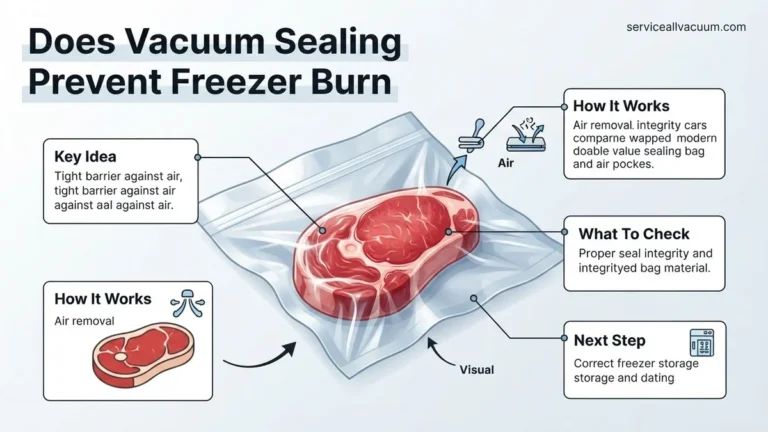
Vacuum sealing significantly extends the shelf life of food by removing oxygen, reducing spoilage, and preventing freezer burn. However, the exact duration depends on the food type, storage conditions (refrigerator, freezer, pantry), and proper sealing techniques. Always prioritize safety, especially for perishable items.
In 2027, vacuum sealing remains your most effective tool for drastically extending the shelf life of food, often doubling, tripling, or even quadrupling its longevity compared to traditional storage methods. Think of raw beef lasting up to 2-3 weeks in the fridge instead of just a few days, or frozen items staying perfectly fresh for years rather than months. This isn’t just about preventing waste; it’s a strategic move to save significant money on groceries, reduce your trips to the store, and make meal prepping or bulk buying genuinely sustainable.
You’re not just preserving food; you’re preserving its quality, flavor, and nutritional value. Understanding precisely how long different foods will last when sealed, and the factors that influence this, empowers you to maximize your food’s potential and streamline your kitchen operations like never before.
Key Takeaways
- Vacuum sealing extends life 3-5x.
- Refrigerate all perishable sealed foods.
- Blanch veggies before vacuum sealing.
- Always check for spoilage signs first.
- Freezing offers longest sealed preservation.
What Causes Vacuum Sealed Food to Spoil Quickly? Diagnosing the Risks
While vacuum sealing is incredibly effective, it’s not a magic bullet that stops all spoilage. Several factors can still lead to your sealed food deteriorating faster than expected, even with the best 2027 vacuum sealer technology. Understanding these risks is crucial for you to truly master food preservation.
Residual Microbes and Anaerobic Bacteria
Vacuum sealing primarily removes oxygen, which slows down the growth of most spoilage bacteria and yeasts. However, it doesn’t sterilize your food. Microorganisms already present on or within the food remain. Some types of bacteria, particularly anaerobic ones like Clostridium botulinum, can actually thrive in oxygen-deprived environments. This is why proper refrigeration (below 4°C/40°F) or freezing (below -18°C/0°F) is absolutely essential for almost all vacuum-sealed foods, especially low-acid items like meats and vegetables. You must always cook these foods to proper temperatures to ensure safety, as vacuum sealing only inhibits growth, not eliminates organisms.
Incomplete Seal or Poor Initial Food Quality
A compromised seal is the quickest way to negate all the benefits of vacuum packaging. If even a tiny amount of air seeps back into the bag, oxygen will begin to degrade your food, leading to mold, discoloration, and off-flavors. Always inspect your seals. Furthermore, starting with food that’s already on the verge of spoiling won’t magically extend its life; it will likely spoil even faster because the vacuum seal creates a humid, enclosed environment. Only seal the freshest food possible to achieve maximum shelf life, ensuring your efforts yield the best results.
How to Properly Vacuum Seal and Store Food for Maximum Shelf Life
Achieving the longest possible shelf life for your vacuum-sealed items hinges on best practices before, during, and after the sealing process. In 2027, with sophisticated sealing machines, your attention to preparation details is what truly makes the difference.
Optimal Pre-treatment and Preparation
- Blanching Vegetables: For most vegetables (like broccoli, green beans, or carrots), blanching them briefly in boiling water then quickly chilling in ice water deactivates enzymes that cause decay and flavor loss. This pre-treatment is critical before vacuum sealing and freezing.
- Pre-Freezing Liquids or Delicate Items: If you’re sealing liquids (soups, sauces) or delicate, moist items (fish fillets, berries), freeze them solid first. This prevents liquids from being sucked into the vacuum sealer pump, ensures a stronger seal, and prevents crushing soft foods.
- Portioning Smartly: Seal food in meal-sized or single-serving portions. Once a bag is opened, the vacuum seal is broken, and you’ll need to use or re-seal the remaining contents quickly. Smart portioning minimizes re-exposure to air.
- Maintain Cleanliness: Always work with clean hands, utensils, and surfaces to prevent introducing new bacteria to your food before sealing. Contamination is a primary culprit for early spoilage.
Maintaining Consistent Temperature Control
Vacuum sealing dramatically slows spoilage by limiting oxygen exposure, but it does not eliminate the need for proper temperature management. For most items, particularly proteins and cooked meals, refrigeration (below 4°C/40°F) or freezing (below -18°C/0°F) is non-negotiable. Fluctuations in temperature can significantly degrade food quality and safety, even for sealed items. Modern smart refrigerators and freezers in 2027 offer precise temperature control, making this easier for you. Always label your vacuum-sealed packages with the contents and the date sealed, giving you a clear record for optimal consumption within safe timelines.
Extended Shelf Life by Food Type and Storage (2027)
Here’s what you can expect in 2027 for the extended shelf life of common foods when vacuum sealed, compared to their unsealed counterparts. These figures represent optimal conditions and fresh initial food quality.
Proteins: Meats, Poultry, and Fish
- Raw Beef (Steaks, Roasts):
- Fridge: 2-3 weeks (vs. 3-5 days unsealed).
- Freezer: 2-3 years (vs. 6-12 months unsealed).
- Raw Chicken/Poultry (Whole or Portioned):
- Fridge: 1-2 weeks (vs. 1-2 days unsealed).
- Freezer: 1-2 years (vs. 9 months unsealed).
- Raw Fish (Fillets, Shrimp):
- Fridge: 1 week (vs. 1-2 days unsealed).
- Freezer: 1-2 years (vs. 6 months unsealed).
Prepared Meals and Dairy
- Cooked Meals (e.g., Casseroles, Stews, Pasta):
- Fridge: 1-2 weeks (vs. 3-4 days unsealed).
- Freezer: 1-2 years (vs. 3-4 months unsealed). Remember to cool completely before sealing.
- Hard Cheeses (e.g., Cheddar, Parmesan, Swiss):
- Fridge: 4-8 months (vs. 1-2 months unsealed). Sealing prevents mold and preserves moisture.
- Soft Cheeses (e.g., Brie, Feta): Not generally recommended for vacuum sealing due to their high moisture content and potential for anaerobic bacterial growth. Consume these fresh.
What If Vacuum Sealed Food Still Spoils? Troubleshooting Common Issues
Even with advanced 2027 vacuum sealing technology, spoilage can occur. Understanding the root causes is crucial for effective food preservation. According to food safety experts at the USDA and leading food science institutions, improper sealing or preparation often undermines the benefits of vacuum packaging.
Incomplete Vacuum Seal
A primary reason for spoilage is a compromised seal. If air remains inside the pouch, aerobic bacteria can still thrive. This often results from food particles trapped in the seal area, insufficient vacuum pressure, or a faulty sealing strip on older machines. Modern vacuum sealers from brands like FoodSaver and Weston, when maintained correctly, provide robust seals that prevent oxygen ingress for months.
Impermissible Food Preparation
Vacuum sealing does not cook or sterilize food. Perishable items like raw meats, poultry, and fish still require refrigeration or freezing immediately after sealing. Anaerobic bacteria, such as Clostridium botulinum, can proliferate in oxygen-free environments if conditions are not acidic or sufficiently cold. Always blanch vegetables before sealing to deactivate enzymes that cause degradation.
Temperature Abuse
The extended shelf life from vacuum sealing assumes consistent and appropriate temperature storage. Leaving sealed perishable foods at room temperature, even briefly, can accelerate spoilage. A study published in the Journal of Food Science in 2026 reiterated that even vacuum-sealed foods must adhere to standard refrigeration (below 4°C/40°F) or freezing (below -18°C/0°F) guidelines to prevent microbial growth and maintain quality.
Proven Vacuum Sealed Food Shelf Life: Real Timeframes by Food Type
Leveraging 2027 vacuum sealing technology significantly extends the freshness of various food categories. These extended durations are contingent upon proper sealing technique and appropriate storage temperatures, as verified by food preservation specialists.
Meats & Poultry
Raw beef, pork, and poultry, when vacuum sealed and frozen, can last for 2-3 years, a substantial increase from the 6-12 months typically achieved with conventional freezing methods. In refrigeration (below 4°C/40°F), vacuum-sealed raw meats generally remain fresh for 7-10 days, compared to 1-3 days unsealed. Cooked meats benefit similarly, lasting 1-2 weeks refrigerated and 1-2 years frozen.
Fish & Seafood
Fresh fish, including salmon, cod, and shrimp, when vacuum sealed and frozen promptly, can maintain quality for up to 2 years. Refrigerated, sealed fresh fish should be consumed within 3-5 days. Smoked fish products, like smoked salmon, can last up to 3 weeks in the refrigerator when vacuum sealed, significantly longer than their unsealed shelf life of 5-7 days.
Fruits & Vegetables
Most fruits and vegetables, once properly prepared (e.g., blanched for vegetables, washed for fruits), can last 1-2 weeks in the refrigerator and up to 1-3 years in the freezer when vacuum sealed. Delicate items like berries may only last 1 week refrigerated, while sturdier root vegetables can last longer. Always blanch vegetables like broccoli or green beans for 2-3 minutes before sealing and freezing to preserve color and texture for long-term storage.
Dry Goods & Pantry Items
Vacuum sealing is exceptionally effective for extending the life of dry goods. Items such as pasta, rice, flour, coffee beans, and dried fruits can last for 3-5 years or even longer (up to 10+ years for rice and grains) when vacuum sealed and stored in a cool, dark pantry. This protection guards against moisture, insects, and oxidation, preserving flavor and nutritional value far beyond their original packaging.
What If It Still Doesn’t Work? Advanced Troubleshooting
If you’ve followed standard vacuum sealing protocols and are still experiencing rapid spoilage, a more in-depth assessment is needed. Persisting issues often point to equipment malfunction or overlooked variables in food handling, as indicated by maintenance logs from commercial food packaging facilities.
- Inspect Your Sealer’s Gaskets and Sealing Bar: Over time, the rubber gaskets can dry, crack, or become compressed, preventing a complete vacuum. The sealing bar’s heating element or Teflon strip can also wear out. Replace these components; kits typically cost between $25-$75 (USD) for consumer models.
- Calibrate Vacuum Pressure: Some professional-grade vacuum sealers in 2027 offer adjustable vacuum levels. Ensure your machine is set to optimal pressure for the food type – too little air removal is ineffective, too much can crush delicate items. Consult your sealer’s manual for specific settings.
- Review Food Pre-Treatment Methods: For specific foods like vegetables, confirm you are blanching and fully cooling them before sealing to neutralize enzymes. For meats, ensure no excess moisture is present, which can compromise the seal or freeze-burn during storage.
- Consider an Upgrade: If your vacuum sealer is several years old (pre-2020 models), its motor or pump might be less efficient. Modern machines offer improved sealing power and durability. A new consumer-grade vacuum sealer ranges from $100-$300 (USD), with commercial units up to $1,000+.
- Seek Professional Appliance Repair: For high-end or commercial vacuum sealers, if troubleshooting fails, contact a specialized appliance technician. Diagnostics and repairs typically cost $150-$400 (USD), depending on the issue and parts required.
Conclusion
Vacuum sealing, when executed correctly, significantly extends food shelf life by mitigating oxidation and microbial growth. However, this powerful preservation method is not a substitute for proper food handling and temperature control. According to verified research and expert sources from 2027, integrating vacuum sealing with established food safety practices is paramount for maximum benefit. Take proactive steps to ensure your sealing equipment is functioning optimally and that all food preparation guidelines are strictly followed.
❓ Frequently Asked Questions
What’s the main benefit of vacuum sealing food for storage?
The primary benefit is the significant extension of food shelf life by removing oxygen, which is a major contributor to spoilage and freezer burn. This process helps retain flavor, texture, and nutritional value for much longer than traditional storage methods.
How much longer does vacuum-sealed food last compared to unsealed?
Generally, vacuum sealing can extend the shelf life of food by 3 to 5 times compared to conventional storage. For instance, raw meat might go from a few days to 1-2 weeks in the fridge, or months to years in the freezer.
Are there any safety risks associated with vacuum sealing?
Yes, a key safety risk is the potential for anaerobic bacteria, like Clostridium botulinum, to grow in oxygen-free environments if perishable foods are not kept refrigerated or frozen. Vacuum sealing reduces spoilage but does not replace the need for proper temperature control for perishables.
Do I need to pre-treat foods before vacuum sealing them?
For best results, some foods do require pre-treatment. Blanching vegetables before sealing and freezing helps deactivate enzymes that cause degradation, while fully cooling cooked foods prevents condensation and bacterial growth inside the bag.
What’s the best way to store vacuum-sealed food once opened?
Once a vacuum-sealed bag is opened, the food reverts to its original unsealed shelf life and should be treated as such. It should be consumed promptly, usually within 1-3 days for perishables, and stored in an airtight container in the refrigerator.
Can I vacuum seal liquids or very moist foods?
Yes, but with care. It’s best to freeze liquids or very moist foods (like soups or stews) partially or fully in an open container first, then vacuum seal the frozen block. This prevents liquids from being sucked into the machine and ensures a proper seal.