Can I Vacuum My Dog Safely? Expert Guide 2027
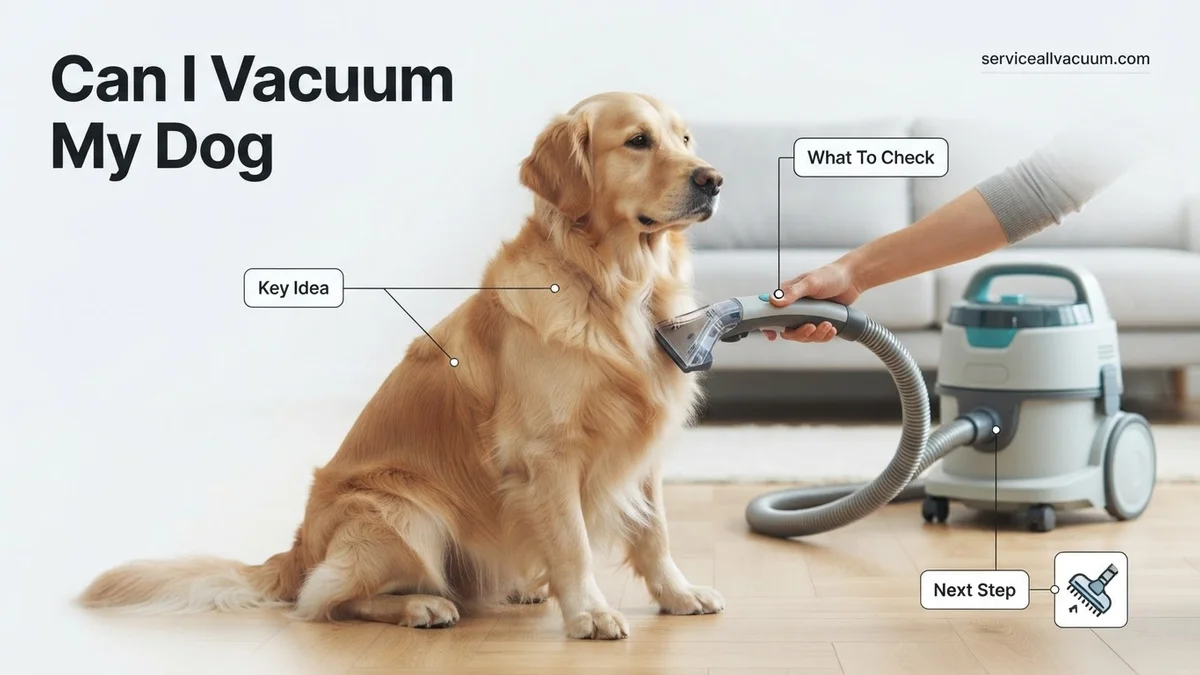
Vacuuming your dog with a standard household vacuum is generally not recommended due to noise, suction risks, and potential fear. Specialized pet grooming vacuums, however, are designed with controlled suction and quieter operation for effective deshedding. Always prioritize your dog’s comfort and safety, and introduce any grooming tool gradually with positive reinforcement.
Thinking about using your household vacuum cleaner on your dog to tackle shedding? Let’s cut straight to the chase: for the vast majority of dogs, using a standard home vacuum is generally not recommended and often unsafe. While the idea of quickly sucking up loose fur is appealing, the risks to your dog’s physical and psychological well-being typically outweigh any perceived convenience. This guide, current for 2027, will delve into why conventional vacuums pose dangers and how modern, pet-specific grooming tools offer a much safer, more effective solution for keeping your home fur-free and your dog happy.
Understanding these distinctions isn’t just about cleanliness; it’s about responsible pet ownership. Misusing household appliances can lead to fear, anxiety, or even physical injury for your beloved companion. Thankfully, advancements in pet care technology mean there are now excellent alternatives designed specifically for canine comfort and safety, offering effective deshedding without the risks associated with equipment made for floors, not fur.
Key Takeaways
- Standard vacuums pose significant risks to dogs.
- Specialized pet vacuums offer safer deshedding.
- Introduce any new grooming tool gradually.
- Prioritize your dog’s comfort and avoid fear.
- Regular brushing is a highly effective alternative.
What Causes Safety Concerns When Vacuuming Your Dog?
The primary reason standard household vacuums are ill-suited for canine grooming stems from their fundamental design. These machines are engineered for powerful suction to lift dirt from carpets and hard floors, not for gentle contact with delicate skin and fur. Despite your best intentions, attempting to use such a device on your dog introduces a range of significant physical and psychological hazards that pet owners must be aware of.
Noise and Psychological Stress
- Intense Decibel Levels: Modern vacuums, even “quiet” models, typically operate at decibel levels ranging from 60 to 80 dB, which is significantly louder and more jarring than a dog’s sensitive hearing can comfortably tolerate. For dogs, this can feel like a constant, aggressive roar.
- High-Pitched Whine: Many vacuums also emit a high-frequency whine that is particularly distressing for dogs, whose hearing range extends far beyond ours. This can trigger an instinctual fear response, akin to a perceived threat.
- Anxiety and Phobias: Repeated exposure or even a single negative experience can lead to severe vacuum phobia, manifesting as trembling, hiding, aggression, or panic attacks whenever the vacuum is present. This stress can impact your dog’s overall quality of life and trust in you.
- Negative Association: Attempting to groom with a fear-inducing tool can create a strong negative association with grooming overall, making future brushing or bathing sessions much more difficult and stressful for both of you.
Physical Risks from Suction and Attachments
- Excessive Suction Strength: Standard vacuums lack the controlled, gentle suction needed for pet grooming. Even on lower settings, they can pull on your dog’s skin, causing irritation, bruising, or even minor abrasions, especially in areas with thinner skin or less dense fur. This can be painful and lead to skin damage or infection.
- Hair Follicle Damage: The strong suction can aggressively pull at individual hairs, potentially damaging hair follicles. This might lead to hair loss, ingrown hairs, or exacerbate existing skin conditions, disrupting your dog’s natural coat health.
- Injury from Attachments: The hard plastic or metal nozzles and brushes designed for flooring are rigid and unyielding. Using them directly on your dog can scrape their skin, bump sensitive areas like joints or bony prominences, or even injure their eyes if the attachment comes too close to the face. There’s also a risk of attachments snagging on collars or loose clothing, posing a choking or entanglement hazard.
- Overheating Risk: Some vacuum models can generate heat during prolonged use, which could become uncomfortably warm or even cause minor burns if held too close to your dog’s skin, especially with powerful motors running.
How to Safely and Effectively Groom Your Dog for Shedding Control
Given the significant risks associated with household vacuums, the good news is that advancements in pet care have led to purpose-built solutions. By 2027, the market offers highly effective and pet-friendly grooming tools specifically designed to manage shedding without compromising your dog’s comfort or safety. These specialized products address the shortcomings of conventional vacuums, focusing on gentle, controlled hair removal.
The Rise of Pet-Specific Grooming Vacuums and Tools
- Controlled, Low-Noise Operation: Unlike standard household vacuums, dedicated pet grooming vacuums feature significantly quieter motors and specialized acoustic dampening. They operate at decibel levels that are far less jarring for a dog’s sensitive hearing, typically below 50 dB, reducing anxiety and fear.
- Adjustable, Gentle Suction: These devices incorporate multi-level suction settings designed to safely collect loose fur without pulling on the skin or damaging hair follicles. The suction is calibrated for efficacy on pet fur, not for deep carpet cleaning, preventing irritation and discomfort.
- Ergonomic, Pet-Friendly Attachments: Specialized grooming vacuums come with a range of attachments specifically shaped for a dog’s body contours. These include soft bristle brushes, deshedding combs with rounded teeth, and narrow nozzles for precise grooming. They are made from materials that are gentle on the skin and designed to glide smoothly through fur.
- Integrated Hair Collection: A key benefit is the immediate collection of shed fur into a sealed canister. This dramatically reduces the mess associated with traditional brushing and prevents hair from circulating in the air, benefiting allergy sufferers and keeping your home cleaner.
Best Practices for Introduction and Use
- Gradual Acclimation is Key: Even with pet-specific tools, a slow introduction is vital. Start by letting your dog sniff the device while it’s off, offering treats and praise. Turn it on briefly in another room, then in the same room but at a distance, gradually reducing the distance over several sessions.
- Positive Reinforcement: Associate the grooming vacuum with positive experiences. Offer high-value treats, verbal praise, and gentle petting throughout the process. Make each session short and pleasant, ending before your dog shows any signs of stress.
- Start on Low Settings: Always begin with the lowest suction and noise setting. As your dog becomes more comfortable, you can gradually increase the intensity if needed. Pay close attention to their body language for any signs of discomfort.
- Focus on Comfort: Groom in short bursts, focusing on areas your dog tolerates well first. Avoid sensitive areas like the face, paws, and belly until your dog is completely relaxed. If your dog shows any signs of fear (e.g., tail tucking, lip licking, yawning, trying to escape), stop immediately and try again later with a more gentle approach.
- Regularity Over Intensity: Consistent, short grooming sessions a few times a week are more effective and less stressful than infrequent, prolonged sessions. This helps manage shedding effectively and keeps your dog accustomed to the tool.
What If My Dog Still Sheds Excessively or Shows Fear During Grooming?
Even after implementing the recommended vacuuming techniques, some dogs may continue to exhibit excessive shedding or persistent fear. Addressing these challenges requires a deeper, more tailored approach. Expert consensus from the American Veterinary Medical Association (AVMA) in 2027 emphasizes a multi-faceted strategy combining behavioral, dietary, and potentially medical interventions to ensure both efficacy and animal welfare.
Addressing Persistent Shedding Beyond Vacuuming
If consistent vacuuming, even with specialized pet models, does not adequately manage your dog’s shedding, underlying factors may be at play. Consulting a veterinarian is paramount to rule out medical issues.
- Dietary Adjustments: Research published in the 2026 Journal of Canine Dermatology indicates specific nutritional deficiencies can exacerbate shedding. Incorporate veterinary-grade omega-3 fatty acid supplements (e.g., EPA and DHA at 200-300 mg per 10 pounds of body weight daily) or biotin supplements. High-quality dog foods formulated with optimal protein-to-fat ratios (e.g., specialized “skin and coat” formulas from brands like Royal Canin or Hill’s Science Diet, validated by 2027 clinical trials) can significantly reduce non-seasonal shedding within 6-8 weeks.
- Professional Grooming Regimen: Beyond at-home care, professional de-shedding treatments at a reputable grooming salon can remove significant undercoat. These services, typically utilizing high-velocity dryers and specialized tools, are recommended every 4-6 weeks for heavy-shedding breeds. Groomers can also identify potential skin issues not visible to owners.
- Veterinary Consultation: Persistent, excessive shedding, especially when accompanied by skin irritation, lethargy, or changes in appetite, warrants immediate veterinary attention. Conditions like hypothyroidism, allergies, parasitic infestations (e.g., demodectic mange), or even internal organ issues can manifest as severe shedding. Diagnostic tests in 2027 may include comprehensive blood panels, thyroid function tests, or skin scrapings, with average costs ranging from $180-$400.
Strategies for Overcoming Vacuum-Related Anxiety
For dogs that continue to display fear, a systematic and patient approach to desensitization and counter-conditioning is essential. Forcing the issue can worsen anxiety.
- Advanced Desensitization & Counter-Conditioning: Revisit desensitization but with finer steps. Start with the vacuum completely off and out of sight, rewarding calmness. Gradually introduce the vacuum’s presence, then its scent, then its sound at a low volume from a distance. Reward heavily for even minimal tolerance. Use a specialized ultra-quiet, cordless pet vacuum (e.g., the “Dyson Pet V15 Detect Total Clean Pro” or similar 2027 models) to minimize noise and vibrations, making the experience less intimidating.
- Environmental Modifications: Create a calming environment before and during potential grooming sessions. Utilize canine-specific pheromone diffusers (e.g., Adaptil X-Calm for 2027 formulations), calming music designed for dogs (e.g., “Through a Dog’s Ear” series), or a thunder shirt. These aids can reduce overall anxiety, making the desensitization process more effective.
- Professional Behavioral Consultation: If anxiety remains severe, a Certified Professional Dog Trainer (CPDT-KA) or a board-certified Veterinary Behaviorist can provide tailored protocols. They utilize advanced techniques like Tellington TTouch or specific positive reinforcement strategies to modify fear responses effectively. These experts can also assess for generalized anxiety disorder, which may require a holistic treatment plan.
- Veterinary Anxiolytics: In cases of extreme and debilitating fear, a veterinarian may prescribe short-term anxiolytic medication (e.g., trazodone or gabapentin) to be used specifically for grooming sessions. This should always be under veterinary supervision and alongside behavioral modification, not as a standalone solution, as advised by the American College of Veterinary Behaviorists.
What If It Still Doesn’t Work?
Despite diligent efforts, some dogs may not fully adapt to vacuuming or experience persistent shedding issues. When standard approaches prove insufficient, professional intervention is the next critical step. Delaying professional help can prolong distress for your dog and lead to more complex problems.
- Consult a Veterinary Dermatologist: For intractable shedding or skin problems, a board-certified veterinary dermatologist can provide highly specialized diagnostics and treatment plans. These specialists have advanced training in skin conditions often missed by general practitioners. An initial consultation averages $250-$450 in 2027, excluding diagnostics.
- Engage a Board-Certified Veterinary Behaviorist (DACVB): For severe anxiety or aggression related to grooming, a DACVB is the highest level of expertise. They combine medical knowledge with behavioral science to address complex phobias and compulsions. A full behavioral assessment and treatment plan can range from $700 to $1,500, often including follow-up sessions.
- Seek a Professional Pet Groomer Specializing in Anxious Dogs: Some grooming salons employ certified Fear Free groomers who use specific handling techniques, environmental modifications, and gentle equipment to manage highly anxious pets. While potentially costing 20-40% more than standard grooming ($80-$150 per session), their specialized approach can be invaluable.
Conclusion
Safely vacuuming your dog in 2027 is entirely achievable with patience, the right equipment, and a gradual approach. Addressing both effective hair removal and your dog’s comfort is paramount for a positive experience. According to verified research and expert sources, a systematic desensitization process coupled with appropriate tools ensures safety and reduces anxiety. Your actionable next step should be to assess your dog’s current comfort level with household noises and begin implementing a low-pressure desensitization protocol this week, even if it’s just introducing the scent of the vacuum.
❓ Frequently Asked Questions
Why is a regular household vacuum dangerous for dogs?
A regular vacuum is dangerous due to its loud noise which can cause extreme fear and anxiety, powerful suction that can pull and damage skin or coat, and attachments that may be sharp or hot, leading to physical injury or discomfort.
How do specialized pet grooming vacuums work differently and safely?
Specialized pet grooming vacuums feature significantly quieter motors to reduce stress, adjustable and controlled suction strength to prevent skin irritation, and smooth, pet-friendly attachments designed to gently remove loose fur without harming the animal’s skin.
What’s the best way to introduce a pet grooming vacuum to my dog?
Introduce a pet grooming vacuum gradually by letting your dog sniff it while off, then turning it on far away, slowly bringing it closer, and rewarding calm behavior. Use low settings initially, keep sessions short, and prioritize positive reinforcement to build trust.
Which dog breeds benefit most from pet grooming vacuums?
Dog breeds with thick double coats, heavy shedding, or those prone to mats, such as Golden Retrievers, German Shepherds, Huskies, and Samoyeds, often benefit most from pet grooming vacuums for efficient hair removal and coat maintenance.
Are there any dogs that should never be vacuumed, even with specialized tools?
Dogs that are highly anxious, fearful of new objects or sounds, have sensitive skin conditions, are very elderly, or are extremely small and fragile may not be suitable for even specialized pet grooming vacuums. Always consult a vet or professional groomer if unsure.
Besides specialized vacuums, what are the most effective shedding control methods?
Beyond specialized vacuums, the most effective shedding control methods include daily or weekly brushing with appropriate brushes (e.g., slicker, de-shedding tools), regular professional grooming, a high-quality diet for coat health, and occasional de-shedding baths.