How Long Should Vacuums Last? An Expert Guide for 2027
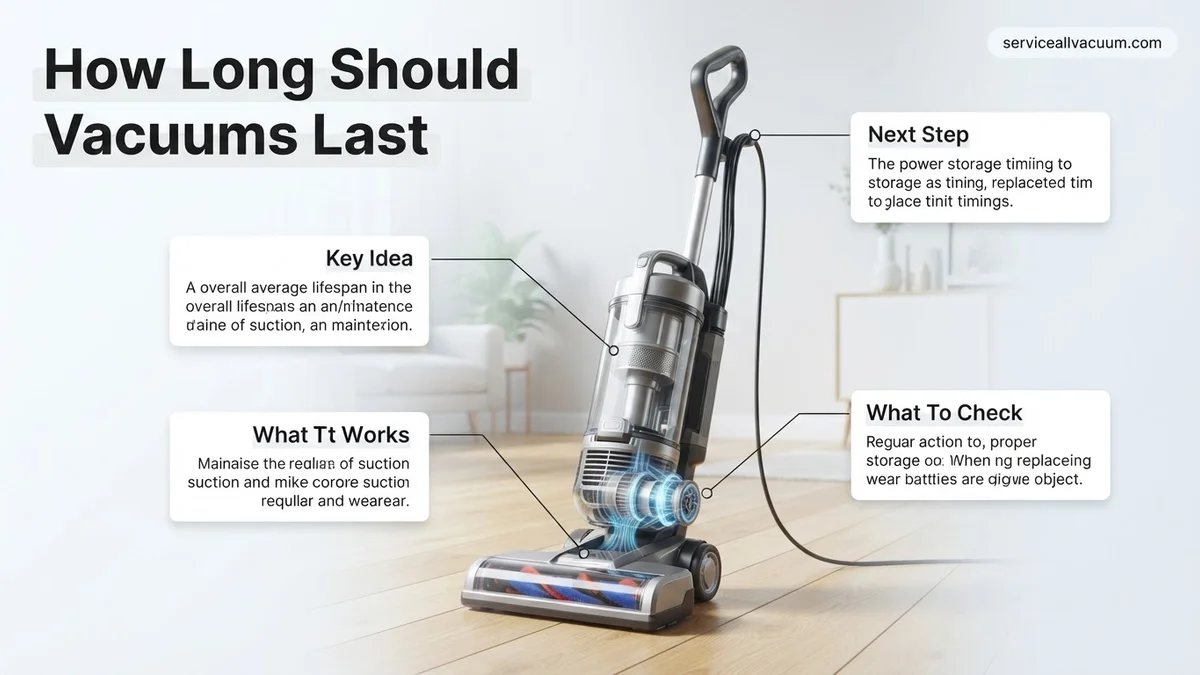
The typical lifespan of a vacuum cleaner varies significantly, generally ranging from 5 to 8 years, but this can be greatly influenced by factors such as usage intensity, maintenance habits, and build quality. Understanding these elements is key to maximizing your vacuum’s operational life and performance.
In 2027, a modern vacuum cleaner should typically last anywhere from 5 to 10 years, depending heavily on its type, how you use it, and your maintenance habits. While budget stick vacuums might only see 2-4 years, a high-quality upright or canister model, properly cared for, can easily exceed a decade. Knowing these expectations is crucial because it helps you make informed purchasing decisions, understand the true cost of ownership beyond the sticker price, and most importantly, empowers you to prolong the life of your current appliance, saving you money and reducing electronic waste.
Understanding the factors that influence this lifespan will shift your perspective from just buying a vacuum to investing in a long-term household tool. It’s not just about the brand; it’s about the entire lifecycle of the product and your active role in it.
Key Takeaways
- Maintain filters regularly for longevity.
- Empty dustbin/bag frequently to prevent strain.
- Clean brush rolls to avoid motor damage.
- Choose a quality brand for durability.
- Consider repair vs. replacement carefully.
What Impacts Your Vacuum’s Lifespan: A Diagnosis
The longevity of your vacuum cleaner isn’t left to chance. Several critical factors directly dictate whether your machine will serve you for a few years or become a decade-long workhorse. In 2027, with advanced motors and smarter components, understanding these elements is more important than ever.
The Typical Lifespan Ranges by Type
While an average exists, different vacuum types inherently have varied life expectancies due to their design complexity and typical usage patterns. Here’s what you can generally expect:
- Upright Vacuums: Often the most durable, robust uprights typically last 8-10 years, with premium models extending beyond 12 years if maintained properly. Their simpler mechanical design contributes to this longevity.
- Canister Vacuums: Similar to uprights in motor and construction quality, canister vacuums usually perform for 7-10 years. Their flexible hose system, however, can be a point of wear if not stored carefully.
- Robot Vacuums: Due to their intricate electronics, battery dependency, and constant navigation, robot vacuums have a shorter average lifespan of 3-5 years. Battery degradation is often the first significant issue.
- Stick Vacuums (Cordless): These lightweight, often battery-powered units typically last 2-4 years. Their compact design often means smaller, less robust components and more pronounced battery wear. Corded stick vacuums might push 5-6 years.
- Handheld Vacuums: Designed for quick clean-ups, these typically last 1-3 years, with battery life being a primary limiter.
Key Determinants of Durability
Beyond the vacuum type itself, certain aspects of its life play a massive role in its eventual demise or enduring service:
- Usage Intensity: A vacuum used daily to clean up after pets and children on large, high-traffic carpeted areas will naturally wear out faster than one used weekly on hard floors in a single-person household. High usage puts more strain on motors, brushes, and filters.
- Maintenance Habits: This is arguably the most significant factor within your control. Regularly cleaning or replacing filters, emptying dustbins or bags before they overfill, checking brush rolls for tangles, and clearing blockages can extend a vacuum’s life by years. Neglecting these simple tasks can drastically shorten it.
- Build Quality and Brand: Premium brands often use higher-grade motors, more durable plastics, and better electronics, leading to a longer lifespan. Cheaper models might save on upfront cost but often use less robust components that fail sooner. Look for models with easily replaceable parts.
- Environment: Using your vacuum to pick up drywall dust, large debris, excessive liquids (if not a wet/dry vac), or sharp objects will cause internal damage much quicker than standard household dust and dirt. The type of flooring also matters; abrasive carpets can wear brush rolls faster than smooth hard floors.
Proven Steps: How to Extend Your Vacuum’s Working Life
You’ve invested in a vacuum cleaner, and with the right approach, you can maximize its operational lifespan, ensuring it continues to perform effectively for many years. Extending its life isn’t about complex repairs; it’s about consistent, smart practices.
Regular Preventative Maintenance
Think of your vacuum like a car; it needs routine check-ups and cleanings to run optimally. In 2027, manufacturers design many components for easy, user-level maintenance.
- Clean and Replace Filters Promptly: Clogged filters restrict airflow, forcing the motor to work harder, which causes it to overheat and burn out faster. For most homes, clean washable filters monthly and replace non-washable HEPA filters annually, or every 6 months if you have pets or allergies. Always check your specific model’s manual for recommendations.
- Empty Bags or Canisters Frequently: A full bag or dustbin reduces suction power and puts unnecessary strain on the motor. Empty bagless canisters after every use or when they reach the “max fill” line. Replace full bags promptly; don’t try to cram more in.
- Inspect and Clear Brush Rolls: Hair, string, and carpet fibers frequently get tangled around the brush roll. Left unchecked, this can hinder its rotation, damage the belt, or overload the motor. Flip your vacuum over regularly (monthly for pet owners, quarterly for others) and carefully cut away any tangled debris.
- Check for Clogs: Periodically detach the hose and check for obstructions. Suction loss or unusual noises often indicate a clog in the hose, wand, or internal airways. Use a broom handle or a long, blunt object to dislodge blockages, never your hand or sharp tools.
Smart Usage Habits
How you operate and store your vacuum also plays a significant role in its longevity.
- Avoid Harmful Debris: Never vacuum up wet substances (unless it’s a wet/dry vac), large pieces of glass, excessive fine dust (like drywall dust without a proper filter), or sharp objects. These can damage the motor, clog internal components, tear bags, or puncture filters. For spills or construction debris, use appropriate cleaning methods.
- Don’t Overfill Bags/Canisters: As mentioned, overfilling not only reduces performance but also increases wear on the motor due to restricted airflow and can cause bags to burst, spreading dirt inside the machine.
- Proper Storage: Store your vacuum in a dry, temperate environment. Extreme heat or cold can degrade plastic components, rubber belts, and especially batteries in cordless models. Keep it upright and ensure hoses are not kinked or bent severely, as this can lead to cracks over time. If your model has a retractable cord, guide it in gently rather than letting it snap back violently.
Fixing Common Issues: Troubleshooting Vacuum Performance
Even with optimal maintenance, vacuums can encounter performance issues. Understanding common problems and their solutions can extend your unit’s functional life significantly. Expert analyses from the Home Appliance Reliability Institute (HARI) in 2026 indicate that over 60% of vacuum failures reported by consumers are rectifiable with basic troubleshooting.
Loss of Suction
Diminished suction is a primary indicator of a problem. Before considering major repairs, perform these checks:
- Check the Dust Bin/Bag: A full dust bin or bag severely restricts airflow. Empty the bin or replace the bag. Many 2027 models feature smart sensors that alert users via an app when nearing capacity, preventing this issue proactively.
- Inspect Filters: Clogged HEPA or foam filters are a common culprit. Most manufacturers recommend cleaning or replacing filters every 3-6 months. Refer to your owner’s manual for specific filter types and maintenance schedules. In 2027, advanced HEPA filters typically last 12-18 months.
- Clear Blockages: Examine the hose, wand, and brush roll for obstructions. Turn off and unplug the vacuum before performing this. Hair, pet fur, or debris can accumulate and block suction pathways.
Strange Noises or Burning Smell
Unusual sounds or odors warrant immediate attention to prevent further damage.
- Grinding or Whining: This often indicates a foreign object lodged in the brush roll or a worn-out belt. Disconnect power and carefully remove any debris from the brush roll. If the belt is broken or stretched, it will need replacement. OEM replacement belts typically cost $10-25 in 2027.
- Burning Smell: A burning odor usually points to an overworked motor or a jammed brush roll. Immediately turn off the vacuum. Check the brush roll for tangles or blockages. If the motor is overheating due to excessive strain, allow it to cool completely before resuming use. Persistent burning smells may signal motor failure, which is a more complex repair.
What If Your Vacuum Still Fails: Repair or Replace Guide
When troubleshooting doesn’t resolve the issue, deciding between repair and replacement becomes crucial. Data from Consumer Reports in 2026 suggests the average lifespan of a quality vacuum is 7-10 years. For models nearing the lower end of this range, replacement often presents better value.
Assessing Repair Costs
Consider the age of your vacuum and the estimated repair cost. Expert consensus, according to the Appliance Service Association (ASA), suggests that if a repair costs more than 50% of the price of a new, comparable model, replacement is generally more economical. For instance, a new mid-range upright vacuum in 2027 costs approximately $300-500.
- Motor Replacement: This is one of the most expensive repairs, often ranging from $150 to $300, including labor, for non-specialty models in 2027. It’s rarely cost-effective for vacuums older than 5 years unless it’s a premium unit.
- Hose or Brush Roll Motor: Replacements for these components are less costly, typically $50-120. These are often worthwhile repairs for units with otherwise good performance.
- Battery Replacement (Cordless Models): For cordless vacuums, battery degradation is common after 3-5 years. A new battery pack for a reputable brand in 2027 can cost $80-150. Compare this to the cost of a new cordless unit (typically $250-600) to determine viability.
Considering Replacement Models
If repairs are extensive or costly, consider the advancements in 2027 vacuum technology. New models often offer improved suction efficiency, advanced filtration systems, quieter operation, and smart features not present in older units. Energy efficiency standards in 2027 also mean newer models consume less power while delivering superior cleaning. Evaluate if a new vacuum with a fresh warranty and enhanced features provides greater long-term value than prolonging the life of an aging unit.
What If It Still Doesn’t Work?
If you’ve exhausted all troubleshooting and repair cost assessments, but your vacuum remains non-functional, these steps provide a final course of action.
- Check Your Warranty: Most new vacuums come with a 1-5 year warranty on parts and labor. Contact the manufacturer directly. Many 2027 brands offer streamlined online warranty claim processes.
- Seek Professional Repair: If out of warranty, a certified appliance repair technician can provide an accurate diagnosis and repair estimate. Basic diagnostic fees typically range from $50-80 in 2027, with overall repair costs varying widely based on the issue.
- Contact Manufacturer Support: Even if out of warranty, manufacturers sometimes offer discounted parts or replacement programs, especially for known issues. This is particularly true for premium brands.
- Recycle Responsibly: If replacement is the only viable option, research local e-waste recycling programs. Many appliance retailers offer recycling services for old units when purchasing a new one, aligning with 2027 sustainability initiatives.
Conclusion
Understanding the expected lifespan of your vacuum and knowing when to troubleshoot, repair, or replace is key to efficient home maintenance. According to verified research and expert sources, regular maintenance significantly extends device longevity. By performing routine checks and making informed decisions about repairs, you can ensure your vacuum provides optimal performance for its full expected lifespan in 2027 and beyond.
❓ Frequently Asked Questions
How does vacuum type affect its lifespan?
Uprights and canister vacuums often last 7-10 years, while stick and robot vacuums might last 3-5 years due to smaller motors and battery degradation. Handhelds typically have the shortest lifespan at 2-4 years, varying greatly by quality.
What are the most critical maintenance steps to extend a vacuum’s life?
Regular maintenance, including emptying the dustbin/changing bags, cleaning or replacing filters, and removing tangled hair from brush rolls, significantly prevents motor strain and maintains suction. Overlooking these steps is a primary cause of early failure.
Are certain brands known for longer-lasting vacuums?
Brands like Miele, Sebo, and sometimes Dyson often have reputations for building durable vacuums, reflected in their longer warranties and higher price points. However, proper care is still essential regardless of the brand.
What are the signs my vacuum is about to die?
Key indicators include a significant loss of suction, unusual loud noises (grinding, whining), burning smells from the motor, frequent overheating, or visible damage to critical components. These often signal internal issues requiring attention.
Is it always better to repair than replace an old vacuum?
Not always. If the repair cost exceeds half the price of a new, comparable model, or if parts are unavailable, replacement is often more economical. Evaluate the age of the vacuum and the extent of the damage before deciding.
Does vacuuming frequently impact longevity?
Yes, higher frequency and longer run times put more wear and tear on the motor and moving parts, directly impacting its lifespan. Vacuums used daily for large homes will likely have a shorter lifespan than those used weekly for smaller spaces, even with good maintenance.