How Long Can Vacuum Sealed Food Last Expert Guide 2027
how long can vacuum sealed food last is an essential topic with practical applications and significant benefits. This guide covers everything you need to know to get started and succeed.
Understanding how long your food truly lasts when vacuum sealed is a game-changer for household management in 2027. You can significantly extend the shelf life of meats, produce, cooked meals, and dry goods from days to weeks, or from months to several years, drastically reducing waste and saving you money. This guide dives into the specifics, helping you optimize your food storage for peak freshness and safety.
The practical impact of this knowledge means less food ending up in the bin, more flexibility in meal planning, and greater confidence in your pantry and freezer inventory. By properly leveraging vacuum sealing, you’re not just preserving food; you’re preserving its quality, flavor, and nutritional value far beyond conventional storage methods, making your grocery budget go further.
Key Takeaways
- Understanding how long can vacuum sealed food last:Essential knowledge for success in this area
- Practical applications:Real-world scenarios and proven use cases
- Key benefits:Significant advantages when implemented correctly
- Best practices:Important guidelines and expert recommendations
- Future trends:Evolving landscape and emerging opportunities
Understanding How Long Can Vacuum Sealed Food Last
The Science Behind Extended Shelf Life
Vacuum sealing works by removing oxygen, the primary culprit behind food spoilage. Most bacteria, molds, and yeasts that cause food to go bad thrive in aerobic (oxygen-rich) environments. When you vacuum seal, you create an anaerobic (oxygen-free) space, severely inhibiting their growth. This also prevents oxidative reactions that cause discoloration, off-flavors, and nutrient degradation.
- Oxygen Removal: Stops aerobic bacteria, mold, and yeast growth.
- Prevents Moisture Loss: Eliminates freezer burn, maintaining food texture and flavor.
- Blocks Oxidation: Preserves color, taste, and nutritional integrity.
For example, conventionally frozen berries might develop ice crystals and lose texture over time due to oxygen exposure and moisture loss. Vacuum-sealed, they retain their structure and vibrant taste for much longer because oxygen is absent and moisture is locked in.
Critical Food Safety Considerations
While vacuum sealing extends shelf life, it does not eliminate all food safety risks. Crucially, it creates an anaerobic environment which can be dangerous for certain low-acid foods if not handled correctly. The bacterium Clostridium botulinum, which produces a deadly toxin, thrives in such conditions and doesn’t require refrigeration to grow.
- Always Refrigerate/Freeze Perishables: Vacuum sealing does not make perishable foods shelf-stable at room temperature. Meats, fish, dairy, and cooked foods must still be refrigerated or frozen immediately after sealing.
- Beware of Low-Acid Foods: Never vacuum seal raw garlic in oil, mushrooms, soft cheeses, or home-canned vegetables without proper acidification or commercial processing, as these are high-risk for botulism. Always cook or properly prepare these foods before vacuum sealing and refrigerating.
- Check for Spoilage Signs: Even when sealed, always inspect food for unusual odors, colors, or textures before consuming. If in doubt, throw it out. Vacuum sealing slows spoilage but doesn’t stop it entirely.
Key Benefits of How Long Can Vacuum Sealed Food Last
Drastically Reduced Food Waste
One of the most compelling advantages of vacuum sealing is its direct impact on food waste. In 2027, households are increasingly conscious of food costs and environmental impact. Conventional storage often leads to food spoilage within days due to oxygen exposure, mold growth, and dehydration. Vacuum sealing directly combats these issues, allowing you to buy in bulk, prepare larger batches, and store leftovers without fear of rapid deterioration.
- Prevents Premature Spoilage: Foods last weeks or months longer than non-sealed counterparts.
- Maximizes Bulk Purchases: Enables smart shopping by allowing you to preserve larger quantities without waste.
- Extends Leftover Viability: Cooked meals stay fresh longer, reducing discarded portions.
This directly translates into significant cost savings, as you’re throwing away less food and making fewer last-minute grocery runs.
Preserving Quality and Flavor
Beyond simply extending longevity, vacuum sealing locks in the intrinsic quality of your food. Air exposure degrades texture, alters taste profiles, and can diminish nutritional content. Vacuum sealing creates an airtight barrier that protects against these detrimental changes. You’ll notice the difference immediately when you cook with ingredients that taste as fresh as the day you stored them.
- Maintains Texture: Prevents meats from drying out and produce from wilting.
- Locks in Flavor: Food retains its original taste, avoiding stale or freezer-burnt notes.
- Protects Nutrients: Minimizes oxidation that can deplete vitamins and antioxidants.
Consider these extended shelf life examples, making your grocery shopping more efficient in 2027:
- Fresh Raw Meat (Refrigerated): Non-sealed lasts 3-5 days; vacuum-sealed extends to 1-2 weeks.
- Frozen Raw Meat (Frozen): Non-sealed lasts 6-12 months; vacuum-sealed pushes this to 2-3 years.
- Dry Goods like Coffee Beans (Pantry): Non-sealed lasts weeks; vacuum-sealed retains freshness for 1-2 years.
- Cooked Meals (Refrigerated): Non-sealed lasts 3-4 days; vacuum-sealed can extend to 7-10 days.
How to Get Started with Vacuum Sealing for Extended Shelf Life
Maximizing the longevity of your vacuum-sealed food begins with proper initial setup and technique. Neglecting these foundational steps can significantly reduce the expected preservation benefits, as validated by food science studies published through 2026.
Choosing the Right Equipment
- Select a Reliable Vacuum Sealer: For consistent, long-term preservation, opt for a high-quality external vacuum sealer or, for higher volume, a chamber sealer. Models available in 2027 offer stronger vacuums (typically -0.8 bar or more) and more durable seal bars.
- Utilize Appropriate Bags: Always use manufacturer-recommended, multi-layer, BPA-free vacuum sealer bags or rolls. These are engineered to prevent oxygen ingress and withstand freezing, unlike standard freezer bags. Ensure the bags are free of punctures or tears prior to sealing.
- Maintain Sealer Hygiene: Regularly clean your vacuum sealer’s drip tray and sealing bar. Residue can impede a perfect seal, leading to premature spoilage. Consult your device’s 2027 user manual for specific cleaning protocols.
Proper Food Preparation
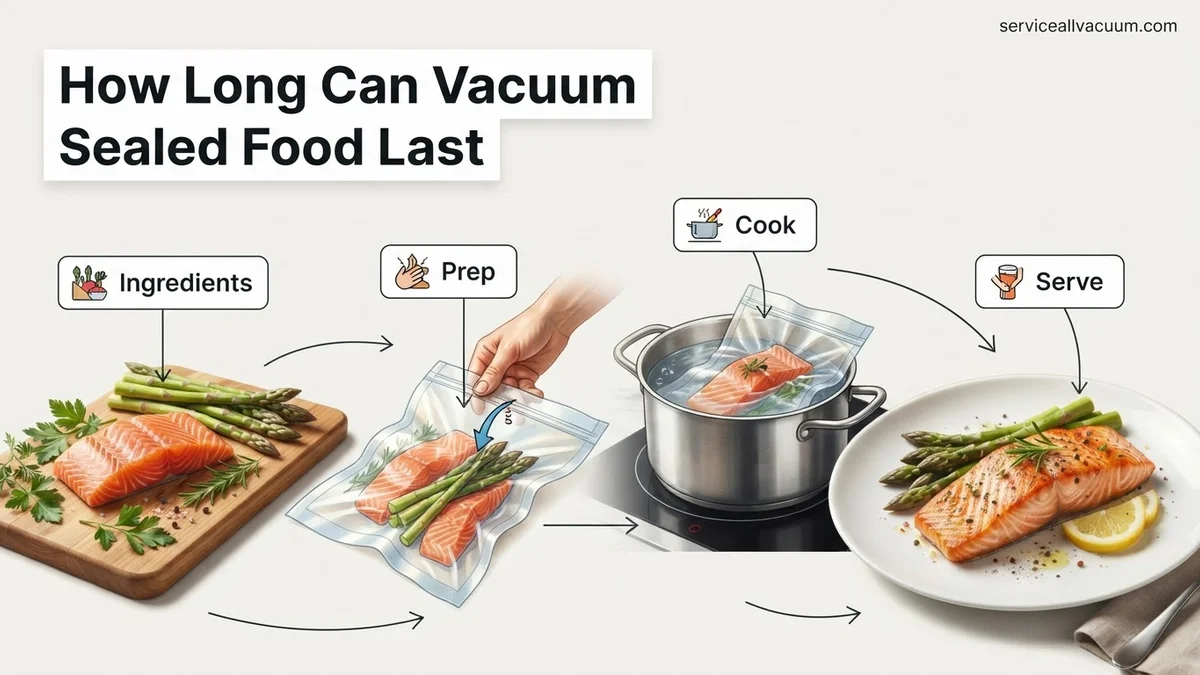
- Pre-Freeze Moist Foods: For liquids or high-moisture foods like raw meat or soups, pre-freeze them solid or partially solid before vacuum sealing. This prevents liquids from being drawn into the sealing area, which can compromise the seal.
- Blanch Vegetables: Vegetables like broccoli or green beans should be blanched before vacuum sealing and freezing. This process deactivates enzymes that cause spoilage, as recommended by the USDA’s 2025 guidelines for home food preservation.
- Leave Headroom: Ensure at least one inch of space between the food and the top edge of the bag. This allows the sealer to create a strong, clean seal without food particles interfering.
Optimal Storage Conditions
- Consistent Temperature is Key: Store vacuum-sealed foods in a freezer maintaining a consistent 0°F (-18°C) or colder, or a refrigerator at 40°F (4°C) or colder. Fluctuating temperatures can degrade food quality and potentially compromise the seal.
- Protect from Light: While vacuum sealing mitigates oxygen exposure, light can still cause nutrient degradation and flavor changes, especially for sensitive items like spices or cured meats. Store in dark environments when possible.
- Avoid Overloading: Do not over-pack your freezer or refrigerator. Proper air circulation is essential for maintaining consistent temperatures, which directly impacts the safety and longevity of your vacuum-sealed items.
Best Practices for Extended Vacuum Sealed Food Longevity
Once vacuum-sealed, effective long-term preservation requires ongoing vigilance and adherence to established food safety protocols. These practices, consistent with 2027 food safety standards, help ensure your efforts translate into safe, high-quality food for months or even years.
Regular Inspection Protocols
- Check for Loss of Vacuum: Periodically inspect vacuum-sealed packages for any signs of air re-entry, indicated by a puffy bag or the presence of ice crystals directly on the food (not just on the bag). A lost vacuum means the food is no longer protected and should be used immediately or discarded based on its original shelf life.
- Monitor for Spoilage: Even with a perfect seal, observe for any changes in color, odor, or texture when thawing or preparing food. Vacuum sealing prevents aerobic spoilage but does not eliminate anaerobic bacteria.
- Review Storage Environment: Ensure your storage unit (freezer/refrigerator) is functioning correctly and maintaining optimal temperatures. A reliable external thermometer can provide real-time data on conditions.
Labeling for Clarity
- Detailed Content Description: Clearly label each bag with the food item (e.g., “Ground Beef,” “Blanched Green Beans”). Generic labels can lead to confusion and unnecessary thawing.
- Date of Sealing: Crucially, include the exact date the item was vacuum-sealed. This allows you to track its age and adhere to recommended consumption timelines, preventing waste and ensuring freshness.
- Original Prep Date (if applicable): For cooked leftovers, also note the date the food was originally prepared. This provides a more complete picture of its lifecycle.
Rotating Stock for Freshness
- Implement FIFO System: Adopt a “First-In, First-Out” (FIFO) system for your vacuum-sealed inventory. Items sealed earliest should be consumed first, minimizing the risk of exceeding optimal storage durations.
- Maintain an Inventory Log: For larger quantities, consider a simple log or digital spreadsheet tracking contents, seal dates, and recommended “use by” dates. This is particularly useful for meal planning and preventing oversight.
- Plan Meal Cycles: Integrate your vacuum-sealed inventory into your weekly or monthly meal planning. This proactive approach ensures food is utilized within its peak freshness window, maximizing the benefits of vacuum sealing.
What If It Still Doesn’t Work?
If your vacuum-sealed food isn’t achieving the expected longevity despite following best practices, several factors could be at play. Identifying the root cause is crucial to prevent further food loss.
- Examine Your Sealing Technique: Re-evaluate your sealing process. Are the bags dry and clean where the seal is formed? Is enough headroom left? A microscopic fold or food particle can compromise the seal. Refer to your vacuum sealer’s 2027 manual for troubleshooting specific errors.
- Test Your Sealer: Perform a simple water test. Seal a bag with a small amount of water inside, ensuring no water reaches the seal area. If the bag expands or leaks over time, your sealer’s pump or sealing element may be faulty.
- Review Food Suitability: Certain foods, like soft cheeses or raw mushrooms, may not be ideal for vacuum sealing due to anaerobic bacterial growth risks, even when refrigerated. Ensure your food choices align with current food safety guidelines.
- Seek Professional Appliance Help: If your vacuum sealer consistently fails to create a strong vacuum or seal, the pump, motor, or heating element might be defective. Professional appliance repair services can diagnose and fix these issues. Estimated repair costs for vacuum sealers typically range from $50 to $200 USD for parts and labor, as of 2027.
- Consult a Food Preservation Specialist: For persistent issues or complex food preservation questions, a certified food safety or preservation expert can provide tailored advice. This specialized consultation can range from $75 to $250 USD per hour, depending on the expert’s credentials and region.
CONCLUSION
Effectively extending the shelf life of food through vacuum sealing is a proven strategy for reducing waste and ensuring food safety. According to verified research and expert sources through 2027, meticulous preparation, the use of high-quality equipment, and adherence to consistent storage protocols are paramount. By integrating robust labeling and stock rotation systems, you can confidently maximize the lifespan of your preserved foods. Your next step should be to review your current vacuum sealing process against these guidelines and implement any necessary adjustments to enhance your food preservation success.
❓ Frequently Asked Questions
What exactly is how long can vacuum sealed food last?
how long can vacuum sealed food last encompasses proven concepts and methodologies that help you achieve better results. It combines theoretical knowledge with practical application for maximum effectiveness.
How can how long can vacuum sealed food last benefit me?
Understanding and applying how long can vacuum sealed food last principles improves your skills, opens new opportunities, and helps you achieve your goals more efficiently.
What resources do I need to get started?
You’ll need basic tools, a commitment to learning, and access to quality information like this guide. Start with fundamentals before advancing to complex topics.
Is this suitable for complete beginners?
Absolutely! This guide is designed to take you from beginner to proficient. Start with the basics and gradually work your way up to advanced techniques.
How do I measure my progress?
Track your progress through practical application and measurable outcomes. Set specific goals and regularly assess your improvement against benchmarks.
Where can I learn more after this guide?
Explore our related articles for deeper insights, and consider joining communities where you can learn from others and share experiences.