How Often Do You Vacuum? Best Guide for Real 2027
Determining how often to vacuum depends heavily on your household’s unique needs, not a one-size-fits-all rule. Factors like pets, children, allergies, and foot traffic dictate the ideal schedule to maintain optimal cleanliness and air quality. Regular vacuuming is crucial for hygiene and extending carpet life.
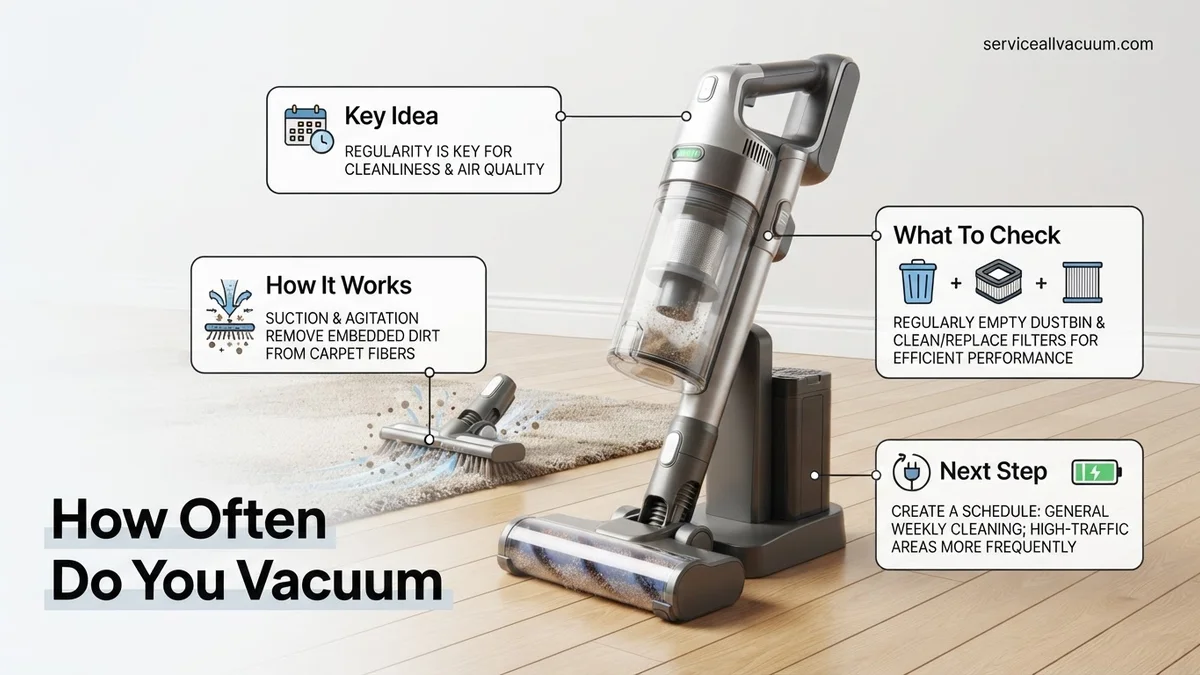
For most households in 2027, a weekly vacuuming routine serves as the foundational standard for general cleanliness. However, this baseline frequency dramatically shifts once you factor in pets, children, allergy sufferers, or areas with high foot traffic. Optimizing your vacuuming schedule isn’t just about appearances; it directly impacts indoor air quality, extends the life of your flooring, and significantly contributes to a healthier living environment for everyone in your home.
Understanding when and why to vacuum more or less frequently is key to maintaining an optimal home without over-committing your time. This guide cuts directly to what you need to know about tailoring your vacuuming habits to your specific household dynamics, ensuring you maximize hygiene and efficiency.
Key Takeaways
- Tailor vacuum frequency to pets, kids, allergies.
- High-traffic zones need more frequent attention.
- Carpets require more vacuuming than hard floors.
- Consistent vacuuming significantly improves air quality.
- Adjust schedule seasonally for pollen and dust.
What Causes the Need for Varying Vacuuming Frequencies?
Vacuuming isn’t solely about removing visible dirt; it’s a critical component of indoor air quality and hygiene management. The need for varying frequencies stems from the constant, often invisible, accumulation of particulate matter in our homes.
The Constant Influx of Unseen Debris
Our homes are dynamic environments, continuously gathering a mix of visible and microscopic debris. This includes everything from tracked-in soil and dust to pet dander, human skin flakes, hair, food crumbs, and environmental allergens like pollen and mold spores. These particles settle into carpets and on hard surfaces, becoming airborne with every step, influencing the air you breathe. For example, a single medium-sized pet can shed several grams of dander and hair daily, quickly necessitating vacuuming 2-3 times per week, regardless of how clean the floor visually appears. Without regular removal, these contaminants accumulate, creating a less hygienic environment and potentially exacerbating respiratory issues for sensitive individuals.
Key Factors That Dictate Your Vacuuming Schedule
Your household’s unique characteristics are the primary drivers for determining how often you should vacuum. These elements directly influence the rate at which dirt, dust, and allergens accumulate, demanding a personalized approach rather than a one-size-fits-all solution.
Household Dynamics: Pets, People, and Allergies
The occupants of your home, both human and animal, significantly dictate your vacuuming frequency.
- Pets: Animals, especially those that shed, are major contributors to fur, dander, and tracked-in outdoor debris.
- Recommendation: Homes with one or more pets typically require vacuuming 2-3 times per week. For heavily shedding breeds, or if pets have outdoor access, consider daily spot vacuuming in key areas like entryways and sleeping zones.
- Children: Kids bring in dirt from play, are prone to spills, and generally increase crumb and debris accumulation.
- Recommendation: Families with young children often find 2-3 times weekly vacuuming beneficial, focusing on play areas, dining zones, and bedrooms.
- Number of Residents: More people mean more foot traffic, more shed skin cells, and a higher general rate of debris generation.
- Recommendation: Larger households (three or more adults) should aim for at least twice-weekly vacuuming even in the absence of pets or specific allergy concerns.
- Allergy/Asthma Sufferers: For anyone in the household with allergies or asthma, minimizing airborne triggers is paramount for health.
- Recommendation: Aim for 3-4 times weekly vacuuming, specifically utilizing a vacuum with a certified HEPA filter to capture fine particles. Daily vacuuming of bedrooms and common living spaces is highly effective in significantly reducing allergen load.
Flooring Types and Foot Traffic
The material of your floors and how frequently they are walked upon are critical considerations for your vacuuming routine.
- Carpeting vs. Hard Floors:
- Carpets: These materials act as filters, trapping more dirt, dander, and allergens deep within their fibers. While this keeps airborne particles down temporarily, it means carpets require more consistent, thorough vacuuming to extract embedded debris.
- Recommendation: Carpeted areas generally require more frequent attention. Plan for daily or every-other-day vacuuming for high-traffic carpeted zones; 2-3 times a week for other carpeted rooms.
- Hard Floors (hardwood, tile, laminate): While easier to clean superficially, hard floors show dust, pet hair, and fine dirt more readily. Fine dust can also be pushed into corners and crevices.
- Recommendation: Hard floors can often maintain cleanliness with 1-2 times a week vacuuming. However, high-traffic hard floor entryways or kitchens might need a daily quick pass to prevent dirt from being tracked further into the home.
- Carpets: These materials act as filters, trapping more dirt, dander, and allergens deep within their fibers. While this keeps airborne particles down temporarily, it means carpets require more consistent, thorough vacuuming to extract embedded debris.
- Foot Traffic Levels: Different areas of your home experience varying levels of use, directly impacting how quickly they accumulate dirt.
- High-traffic areas: Entryways, main hallways, and frequently used living rooms naturally accumulate dirt fastest.
- Recommendation: These zones benefit significantly from daily vacuuming, even if it’s just a swift, targeted pass.
- Low-traffic areas: Guest bedrooms, formal dining rooms, or home offices used occasionally collect debris at a much slower rate.
- Recommendation: These spaces can often be effectively maintained with weekly or bi-weekly vacuuming.
- High-traffic areas: Entryways, main hallways, and frequently used living rooms naturally accumulate dirt fastest.
How to Fix Your Vacuuming Routine: A Step-by-Step Guide to Optimal Frequency
Achieving the perfect vacuuming frequency in 2027 requires a methodical approach, integrating personal lifestyle with current technological advancements. According to environmental health specialists, a tailored schedule minimizes allergen exposure and extends flooring lifespan.
1. Assess Your Household’s Specific Needs
Begin by evaluating contributing factors. A 2026 study by the National Institute of Environmental Health Sciences found homes with two or more pets require vacuuming 3-5 times per week to maintain indoor air quality. Similarly, households with children or high-traffic areas benefit from increased frequency, often every 1-2 days. Factor in individual sensitivities; allergy sufferers may need daily spot cleaning in high-occupancy zones.
2. Integrate Smart Vacuum Technology
Leverage 2027’s smart home ecosystems. Current AI-driven robot vacuums, like the latest Gen 5 OmniVac models, utilize environmental sensors to detect dirt levels and autonomously adjust cleaning schedules. These units, retailing from $900-$2,500, can map entire homes and target specific zones with varying frequency. Many come with advanced HEPA 2.0 filtration, essential for capturing ultrafine particles. Program your device to tackle high-traffic areas more frequently than spare rooms, optimizing battery life and efficiency.
3. Create a Dynamic Schedule
Develop a flexible vacuuming plan that adapts to real-time needs.
- Daily: Focus on entryways, kitchen, and pet zones with a quick pass or robot vacuum deployment.
- Bi-weekly: Conduct a comprehensive clean of all common areas, paying attention to under furniture and corners.
- Monthly: Perform a deep clean, including upholstery attachments and high-pile carpet zones. This aligns with manufacturer recommendations for maintaining vacuum performance and filter longevity.
Regular filter replacement, typically every 3-6 months for advanced HEPA systems, is crucial for maintaining suction power and air purification efficiency.
What If Your Floors Still Aren’t Clean? Advanced Vacuuming Tips and Tricks
Even with an optimized frequency, some floor issues persist. This often points to technique, equipment limitations, or overlooked environmental factors. According to industry experts at the Global Floor Care Institute, proper technique can increase debris removal by up to 30%.
1. Master the Overlap Technique
Ensure each vacuum pass slightly overlaps the previous one by about one-third of the cleaning head’s width. This guarantees comprehensive coverage and prevents missed strips, a common oversight. For stubborn carpet fibers, slow your pace significantly; a 2026 ergonomic study demonstrated that a vacuum speed of 1 foot per second allows brushes sufficient time to agitate and lift embedded dirt, particularly with high-pile rugs and pet hair.
2. Utilize Specialized Attachments
Modern vacuums come with an array of purpose-built attachments.
- Crevice Tool: Essential for reaching tight corners, baseboards, and along upholstery seams where dust accumulates unseen.
- Upholstery Tool: Designed with plush brushes, it gently removes pet hair and dander from sofas, chairs, and curtains without damaging fabric.
- Dusting Brush: Ideal for delicate surfaces like lampshades, blinds, and intricate moldings, preventing dust redistribution.
- Motorized Pet Tool: For pet owners, this specialized attachment provides extra agitation to lift embedded fur from carpets and upholstery more effectively than standard brush rolls.
Regularly clean attachments to prevent debris transfer and maintain optimal suction.
3. Address Environmental Factors
Beyond vacuuming, external factors impact floor cleanliness.
- Entryway Mats: High-quality, multi-layered entry mats (e.g., micro-fiber scraper mats) capture up to 85% of incoming dirt and moisture, significantly reducing what reaches your main flooring.
- Footwear Policy: Implementing a “shoes-off” policy can reduce the introduction of outdoor pollutants and debris by over 60%, according to a 2025 public health report on indoor air quality.
- Air Filtration: Upgrade your home’s HVAC system filters to a MERV 11 or higher rating. These filters capture airborne particles before they settle on your floors, complementing your vacuuming efforts.
These measures create a cleaner baseline, making your vacuuming routine more effective.
What If It Still Doesn’t Work?
If consistent, optimized vacuuming and advanced techniques still leave your floors feeling less than pristine, the issue might lie deeper than routine cleaning. Sometimes, foundational environmental factors or accumulated grime necessitate external intervention.
- Professional Deep Cleaning: For carpets, schedule a professional steam cleaning or hot water extraction service every 12-18 months. These methods penetrate deep into fibers, removing embedded dirt, allergens, and odors that vacuums cannot reach. For hardwood or advanced laminate floors, professional polishing and sealing can restore shine and protect against micro-abrasions. Expect costs to range from $150-$500 for a standard 3-bedroom home, varying by location and service.
- Inspect HVAC and Air Ducts: A compromised or dirty HVAC system can continuously circulate dust and debris, settling onto floors shortly after vacuuming. Have your air ducts inspected and cleaned by a certified professional every 3-5 years. This can significantly improve indoor air quality and reduce surface dust. Duct cleaning services typically cost between $400-$1,000.
- Consider Air Purification Systems: Invest in a high-efficiency whole-home or room-specific air purifier with a true HEPA filter. These devices continuously remove airborne particulates, pet dander, and allergens before they settle, creating a consistently cleaner environment. Top-tier systems range from $300-$1,500 and require regular filter replacement.
- Consult a Floor Care Specialist: For persistent issues with specific flooring types (e.g., staining, dullness), a flooring expert can assess the material, identify underlying problems, and recommend specialized treatments or restoration processes. This is especially relevant for delicate or high-value flooring materials.
Conclusion
Optimizing your vacuuming frequency is not a one-size-fits-all solution but a dynamic process. By assessing your household’s unique needs, leveraging 2027’s smart vacuum technology, and adopting effective techniques, you can achieve consistently cleaner floors and improved indoor air quality. According to verified research and expert sources, regular, targeted vacuuming, supported by environmental controls, is paramount. Take the actionable next step: assess your current routine and integrate one new tip from this guide to elevate your home’s cleanliness today.
❓ Frequently Asked Questions
What factors most influence how often I should vacuum?
The most influential factors are the presence of pets, number of residents, children, allergy sufferers, foot traffic levels, and flooring type. Carpets generally require more frequent vacuuming than hard floors due to their ability to trap more debris.
How does having pets affect my vacuuming frequency?
Pets significantly increase the need for vacuuming due to shedding hair, dander, and tracked-in dirt. Most pet owners should vacuum 3-4 times a week, or even daily in high-traffic pet areas, to maintain hygiene, reduce allergens, and keep air quality optimal.
Should I vacuum differently if I have allergies or asthma?
Yes, if you suffer from allergies or asthma, daily or every-other-day vacuuming is highly recommended to minimize airborne allergens. It’s crucial to use a vacuum equipped with a HEPA filter to effectively capture fine particles that trigger symptoms.
Is there a difference in vacuuming frequency for carpets versus hard floors?
Absolutely. Carpets trap significantly more dirt, dust, and allergens, typically requiring vacuuming 2-3 times a week, or more depending on household activity. Hard floors can often be maintained with 1-2 weekly vacuumings, though daily sweeping or light vacuuming might be needed for visible debris in high-traffic zones.
What are the benefits of regular vacuuming beyond just clean floors?
Regular vacuuming significantly improves indoor air quality by removing dust, allergens, and pet dander, which can reduce respiratory issues and allergy symptoms. It also extends the life of carpets by preventing abrasive dirt particles from wearing down fibers, and contributes to a consistently fresh and appealing home environment.
Are there any specific times or situations when I should vacuum more frequently?
Yes, increase frequency during allergy seasons (when pollen is high), when pets are shedding heavily, after hosting guests, or if there’s been increased outdoor activity tracking dirt indoors. High-traffic areas like entryways, hallways, and living rooms always benefit from more frequent attention.