
How Long Does Vacuum Sealed Meat Last in the Fridge 2026
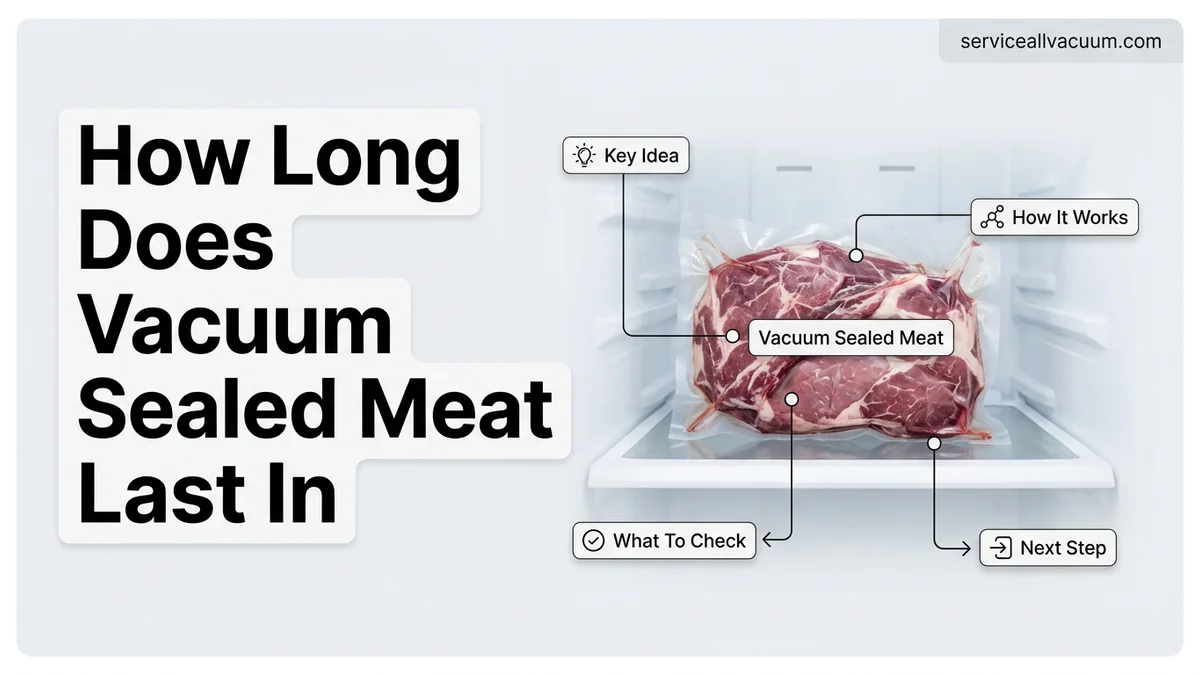
Vacuum sealing extends food storage, but raw vacuum-sealed meat generally lasts 1 to 2 weeks in the refrigerator, compared to just 3 to 5 days for standard packaging. Maintaining a strict refrigerator temperature below 40°F is critical to prevent bacterial growth in low-oxygen environments.
Vacuum sealed raw meat typically lasts 10 to 14 days in the refrigerator, which is significantly longer than the standard 3 to 5 days offered by traditional store packaging. By removing oxygen, vacuum sealing slows down aerobic bacteria growth and lipid oxidation, keeping your cuts fresh for much longer.
Maximizing this extended shelf life in 2026 requires strict adherence to food safety guidelines. While removing air prevents common spoilage, it creates a unique environment for anaerobic bacteria, making precise temperature control inside your refrigerator critical for safe consumption.
Key Takeaways
- Raw vacuum-sealed beef typically lasts 10 to 14 days in the refrigerator.
- Vacuum-sealed poultry and ground meat last safely for only 3 to 7 days.
- Keep refrigerator temperatures consistently below 40°F to prevent dangerous bacterial proliferation.
- Cooked vacuum-sealed meats can safely last 10 to 14 days when chilled quickly.
- Never rely solely on smell to check for spoilage in anaerobic vacuum-sealed environments.
Why Vacuum Sealing Extends Fridge Life and the Risks Involved
The Science of Oxygen Deprivation
Traditional meat packaging leaves ambient air trapped inside, which accelerates bacterial growth and causes meat to brown rapidly. When you use a chamber or external vacuum sealer, you strip away the oxygen that aerobic spoilage microorganisms need to thrive. This drastically slows down putrefaction, rancidity, and moisture loss, preserving the texture and flavor of your cuts.
- Stops aerobic bacteria from multiplying quickly
- Prevents freezer burn and refrigerator dehydration
- Maintains natural moisture levels and juices
Understanding Anaerobic Risks and Botulism
While vacuum sealing keeps your meat safe from normal spoilage, it introduces a hidden danger: Clostridium botulinum. This bacterium thrives in oxygen-free environments. If your refrigerator fluctuates above safe temperatures, these spores can activate and produce toxins without altering the smell or look of the meat.
- Keep your refrigerator consistently at or below 40°F (4°C)
- Never leave vacuum sealed meat in the danger zone for extended periods
- Cook or freeze the meat before the maximum storage window expires
Step-by-Step Fridge Storage Timelines for Beef, Pork, Poultry, and Seafood
Red Meats: Beef and Pork Shelf Life
Red meats handle the vacuum sealing process exceptionally well due to lower moisture content and dense muscle fibers. Standard grocery store packaging usually gives beef and pork a few days of life, but vacuum sealing transforms your fridge into a temporary preservation vault.
- Raw Beef Steaks and Roasts: 10 to 14 days safely stored in the fridge.
- Ground Beef: 6 to 8 days (ground meat spoils faster due to increased surface area).
- Raw Pork Chops and Tenderloins: 10 to 12 days under optimal refrigeration.
Poultry and Delicate Seafood Storage
Poultry and seafood have much higher initial bacterial loads and delicate flesh. Even with vacuum sealing, they degrade faster than red meat. You must monitor your refrigerator temperature closely when storing these protein types to avoid foodborne illness outbreaks.
- Raw Chicken and Turkey (Breasts, Thighs, Whole): 6 to 9 days in a properly chilled fridge.
- Fresh Fish Fillets (Salmon, Cod, Halibut): 4 to 6 days maximum.
- Shellfish (Shrimp, Scallops): 3 to 5 days before quality and safety decline sharply.
How to Fix and Inspect Spoiled Meat Despite Vacuum Sealing
Vacuum sealing significantly reduces aerobic bacteria, but anaerobic pathogens like Clostridium botulinum can still thrive in oxygen-depleted environments if the refrigerator temperature fluctuates. According to food safety guidelines from the USDA and FDA, inspecting sealed meat requires checking both visual markers and olfactory cues before preparation in 2026.
Step-by-Step Inspection Protocol
- Check the seal integrity: Press gently on the plastic film. If air has leaked back into the package, seal compromise has occurred, increasing spoilage risks.
- Examine color changes: Beef naturally turns slightly brown inside a vacuum package due to a lack of oxygen. However, a greenish or greyish tint combined with a sticky texture indicates advanced bacterial breakdown.
- Perform the smell test: Open the package and wait 30 seconds. A sharp, sulfurous, or ammonia-like odor means the meat is unsafe, regardless of whether it is still within the expected timeline.
- Assess liquid pooling: Excessive milky or cloudy purge (liquid accumulation) inside the bag often points to cellular breakdown caused by microbial activity.
What If Your Meat Exceeds Safe Refrigerator Limits?
If your vacuum-sealed meat has surpassed the recommended refrigerator storage window—such as ground beef sitting past the 10-day mark or poultry exceeding 6 days—you must take immediate corrective action. Relying on freezing after spoilage has begun will not reverse bacterial toxins.
Emergency Mitigation Steps
- Assess the core temperature: Verify that your refrigerator has consistently maintained a temperature below 40°F (4°C) using an independent appliance thermometer.
- Discard without tasting: Never taste meat to determine safety. Foodborne pathogens like Listeria monocytogenes do not always alter taste or smell significantly.
- Sanitize storage zones: Remove all items from the refrigerator shelf and clean the surface using a solution of one tablespoon of chlorine bleach per gallon of water to prevent cross-contamination.
- Consult food safety hotlines: For complex bulk storage losses, contact the USDA Meat and Poultry Hotline at 1-888-MPHotline for guidance, or consult local municipal waste disposal guidelines for spoiled bulk proteins. Professional commercial waste disposal services for large quantities generally range from $150 to $400 depending on volume.
Conclusion
Maximizing the refrigerator shelf life of vacuum-sealed meat relies heavily on strict temperature control and proper initial handling. While vacuum packaging successfully extends fresh storage times by blocking oxygen, it does not replace the laws of thermodynamics or food safety limits. According to verified research and expert sources from the USDA and leading food science institutions, maintaining a refrigerator below 40°F is your primary defense against spoilage. Your immediate next step is to inspect your current sealed inventory and label every package with its exact sealing date for optimal safety in 2026.
❓ Frequently Asked Questions
Does vacuum sealing meat extend its refrigerator shelf life indefinitely?
No. While vacuum sealing removes oxygen and slows down aerobic spoilage, anaerobic bacteria can still grow. Meat will still spoil in the refrigerator within one to two weeks depending on the type.
Why is the fridge life of vacuum-sealed ground meat shorter than whole cuts?
Ground meat has a much larger surface area and is handled more during processing, which introduces more bacteria. Even when vacuum sealed, ground meat should only be kept in the fridge for 3 to 4 days.
Is it safe to store vacuum-sealed fish in the fridge for a week?
No. Vacuum-sealed fresh fish and seafood should only be kept in the refrigerator for 1 to 2 days due to the high risk of dangerous toxin-producing bacteria thriving in low-oxygen environments.
How can you tell if vacuum-sealed meat has gone bad?
Look for a milky liquid accumulation, a bulging package, discoloration, or an unpleasant odor upon opening. Because vacuum sealing removes air, a lack of strong initial smell does not guarantee safety.
What are the risks of botulism with vacuum-sealed meat in the fridge?
Clostridium botulinum thrives in oxygen-free environments like vacuum bags, especially if the refrigerator temperature rises above 40°F. Keeping your fridge cold is essential to mitigate this specific food safety hazard.
Should I puncture the vacuum seal before thawing meat in the fridge?
Yes, it is recommended to cut or puncture the vacuum seal before thawing frozen meat in the refrigerator. This allows oxygen back into the package and helps prevent anaerobic bacterial growth during the thawing process.